
Filter
2393
Text search:
Health
and
climate
change
Featured
198
523
Language
2295
90
82
50
49
31
29
27
7
5
4
4
3
3
3
2
2
2
2
2
1
1
1
1
1
1
1
1
1
1
1
1
1
1
Document type
856
775
228
187
157
67
42
25
15
15
9
9
4
Countries
231
52
50
50
50
40
37
37
33
32
28
27
26
24
24
23
23
21
20
20
19
19
18
17
16
16
16
16
15
15
14
12
11
11
11
10
10
10
10
9
9
9
9
9
9
9
8
8
8
8
8
8
8
8
7
7
7
7
6
6
5
5
5
5
4
4
4
4
4
3
3
3
3
3
2
2
2
2
2
2
2
2
2
2
2
2
1
1
1
1
1
1
1
1
1
1
1
1
1
1
1
1
1
1
1
1
1
1
1
1
1
1
1
1
1
1
1
1
1
1
Authors & Publishers
307
89
79
53
46
41
38
30
27
18
17
16
15
15
14
14
13
13
12
12
12
11
11
11
11
11
11
10
9
9
9
9
9
9
8
8
8
8
7
7
7
7
7
7
6
6
6
6
6
6
6
6
6
6
6
5
5
5
5
5
5
5
5
5
5
5
5
5
5
5
5
5
5
4
4
4
4
4
4
4
4
4
4
4
4
4
4
4
4
4
4
4
3
3
3
3
3
3
3
3
3
3
3
3
3
3
3
3
3
3
3
3
3
3
3
3
3
3
3
3
3
3
3
3
3
3
3
3
3
3
3
3
3
3
3
3
3
3
3
3
3
3
3
3
2
2
2
2
2
2
2
2
2
2
2
2
2
2
2
2
2
2
2
2
2
2
2
2
2
2
2
2
2
2
2
2
2
2
2
2
2
2
2
2
2
2
2
2
2
2
2
2
2
2
2
2
2
2
2
2
2
2
2
2
2
2
2
2
2
2
2
2
2
2
2
2
2
2
2
2
2
2
2
2
2
2
2
2
2
2
2
2
2
2
2
2
2
2
2
2
2
2
2
2
2
2
2
2
2
2
2
2
2
2
2
2
2
2
2
2
2
2
2
2
2
2
2
2
2
2
2
2
2
2
2
2
2
2
2
2
2
2
2
2
2
2
2
2
2
2
2
2
2
1
1
1
1
1
1
1
1
1
1
1
1
1
1
1
1
1
1
1
1
1
1
1
1
1
1
1
1
1
1
1
1
1
1
1
1
1
1
1
1
1
1
1
1
1
1
1
1
1
1
1
1
1
1
1
1
1
1
1
1
1
1
1
1
1
1
1
1
1
1
1
1
1
1
1
1
1
1
1
1
1
1
1
1
1
1
1
1
1
1
1
1
1
1
1
1
1
1
1
1
1
1
1
1
1
1
1
1
1
1
1
1
1
1
1
1
1
1
1
1
1
1
1
1
1
1
1
1
1
1
1
1
1
1
1
1
1
1
1
1
1
1
1
1
1
1
1
1
1
1
1
1
1
1
1
1
1
1
1
1
1
1
1
1
1
1
1
1
1
1
1
1
1
1
1
1
1
1
1
1
1
1
1
1
1
1
1
1
1
1
1
1
1
1
1
1
1
1
1
1
1
1
1
1
1
1
1
1
1
1
1
1
1
1
1
1
1
1
1
1
1
1
1
1
1
1
1
1
1
1
1
1
1
1
1
1
1
1
1
1
1
1
1
1
1
1
1
1
1
1
1
1
1
1
1
1
1
1
1
1
1
1
1
1
1
1
1
1
1
1
1
1
1
1
1
1
1
1
1
1
1
1
1
1
1
1
1
1
1
1
1
1
1
1
1
1
1
1
1
1
1
1
1
1
1
1
1
1
1
1
1
1
1
1
1
1
1
1
1
1
1
1
1
1
1
1
1
1
1
1
1
1
1
1
1
1
1
1
1
1
1
1
1
1
1
1
1
1
1
1
1
1
1
1
1
1
1
1
1
1
1
1
1
1
1
1
1
1
1
1
1
1
1
1
1
1
1
1
1
1
1
1
1
1
1
1
1
1
1
1
1
1
1
1
1
1
1
1
1
1
1
1
1
1
1
1
1
1
1
1
1
1
1
1
1
1
1
1
1
1
1
1
1
1
1
1
1
1
1
1
1
1
1
1
1
1
1
1
1
1
1
1
1
1
1
1
1
1
1
1
1
1
1
1
1
1
1
1
1
1
1
1
1
1
1
1
1
1
1
1
1
1
1
1
1
1
1
1
1
1
1
1
1
1
1
1
1
1
1
1
1
1
1
1
1
1
1
1
1
1
1
1
1
1
1
1
1
1
1
1
1
1
1
1
1
1
1
1
1
1
1
1
1
1
1
1
1
1
1
1
1
1
1
1
1
1
1
1
1
1
1
1
1
1
1
1
1
1
1
1
1
1
1
1
1
1
1
1
1
1
1
1
1
1
1
1
1
1
1
1
1
1
1
1
1
1
1
1
1
1
1
1
1
1
1
1
1
1
1
1
1
1
1
1
1
1
1
1
1
1
1
1
1
1
1
1
1
1
1
1
1
1
1
1
1
1
1
1
1
1
1
1
1
1
1
1
1
1
1
1
1
1
1
1
1
1
1
1
1
1
1
1
1
1
1
1
1
1
1
1
1
1
1
1
1
1
1
1
1
1
1
1
1
1
1
1
1
1
1
1
1
1
1
1
1
1
1
1
1
1
1
1
1
1
1
1
1
1
1
1
1
1
1
1
1
1
1
1
1
1
1
1
1
1
1
1
1
1
1
1
1
1
1
1
1
1
1
1
1
1
1
1
1
1
1
1
1
1
1
1
1
1
1
1
1
1
1
1
1
1
1
1
1
1
1
1
1
1
1
1
1
1
1
1
1
1
1
1
1
1
1
1
1
1
1
1
1
1
1
1
1
1
1
1
1
1
1
1
1
1
1
1
1
1
1
1
1
1
1
1
1
1
1
1
1
1
1
1
1
1
1
1
1
1
1
1
1
1
1
1
1
1
1
1
1
1
1
1
1
1
1
1
1
1
1
1
1
1
1
1
1
1
1
1
1
1
1
1
1
1
1
1
1
1
1
1
1
1
1
1
1
1
1
1
1
1
1
1
1
1
1
1
1
1
1
1
1
1
1
1
1
1
1
1
1
1
1
1
1
1
1
1
1
1
1
1
1
1
1
1
1
1
1
1
1
1
1
1
1
1
1
1
1
1
1
1
1
1
1
1
1
1
1
1
1
1
1
1
1
1
1
1
1
1
1
1
1
1
1
1
1
1
1
1
1
1
1
1
1
1
1
1
1
1
1
1
1
1
1
1
1
1
1
1
1
1
1
1
1
1
1
1
1
1
1
1
1
1
1
1
1
1
1
1
1
1
1
1
1
1
1
1
1
1
1
1
1
1
1
1
1
1
1
1
1
1
1
1
1
1
1
1
1
1
1
1
1
1
1
1
1
1
1
1
1
1
1
1
1
1
1
1
1
1
1
1
1
1
1
1
1
1
1
1
1
1
1
1
1
1
1
1
1
1
1
1
1
1
1
1
1
1
1
1
1
1
1
1
1
1
1
1
1
1
1
1
1
1
1
1
1
1
1
1
1
1
1
1
1
1
1
1
1
1
1
1
1
1
1
1
1
1
1
1
1
1
1
1
1
1
1
1
1
1
1
1
1
1
1
1
1
1
1
1
1
1
1
1
1
1
1
1
1
1
1
1
1
1
1
1
1
1
1
1
1
1
1
1
1
1
1
1
1
1
1
1
1
1
1
1
1
1
1
1
1
1
1
1
1
1
1
1
1
1
1
1
1
1
1
1
1
1
1
1
1
1
1
1
1
1
1
1
1
1
1
1
1
1
1
1
1
1
1
1
1
1
1
1
1
1
1
1
1
1
1
1
1
1
1
1
1
1
1
1
1
1
1
1
1
1
1
1
1
1
1
1
1
1
1
1
1
1
1
1
1
1
1
1
1
1
1
1
1
1
1
1
1
1
1
1
1
1
1
1
1
1
1
1
1
1
1
1
1
1
1
1
1
1
1
1
1
1
1
1
1
1
1
1
1
1
1
1
1
1
1
1
1
1
1
1
1
1
1
1
1
1
1
1
1
1
1
1
1
1
1
1
1
1
1
1
1
1
1
1
1
1
1
1
1
1
1
1
1
1
1
1
1
1
1
1
1
1
1
1
1
1
1
1
1
1
1
1
1
1
1
1
1
1
1
1
1
1
1
1
1
1
1
1
1
1
1
1
1
1
1
1
1
1
1
1
1
1
1
1
1
1
1
1
1
1
1
1
1
1
1
1
1
1
1
1
1
1
1
1
1
1
1
1
1
1
1
1
1
1
1
1
1
1
1
1
1
1
1
1
1
1
1
1
1
1
1
1
1
1
1
1
1
1
1
1
1
1
1
1
1
1
1
1
1
1
1
1
1
1
1
1
1
1
1
1
1
1
1
1
1
1
1
1
1
1
1
1
1
1
1
1
1
1
1
1
1
1
1
1
1
1
1
1
1
1
1
1
1
1
1
1
1
1
1
1
1
1
1
1
1
1
1
1
1
1
1
1
1
1
1
1
1
1
1
1
1
1
1
1
1
1
1
1
1
1
1
1
1
1
1
1
1
1
1
1
1
1
1
1
1
1
1
1
1
1
1
1
1
1
1
1
1
1
1
1
1
1
1
1
1
1
1
1
1
1
1
1
1
1
1
1
1
1
1
1
1
1
1
1
1
1
1
1
1
1
1
1
1
1
1
1
1
1
1
1
1
1
1
1
1
1
1
1
1
1
1
1
1
1
1
1
1
1
1
1
1
1
1
1
1
1
1
1
1
1
1
1
1
1
1
1
1
1
1
1
1
1
1
1
1
1
1
1
1
1
1
1
1
1
1
1
1
1
1
1
1
1
1
1
1
1
1
1
1
1
1
1
1
1
1
1
1
1
1
1
1
1
1
1
1
1
1
1
1
1
1
1
1
1
1
1
1
1
1
1
1
1
1
1
1
1
1
1
1
1
1
1
1
1
1
1
1
1
1
1
1
1
1
1
1
1
1
1
1
1
1
1
1
1
1
1
1
1
1
1
1
1
1
1
1
1
1
1
1
1
1
1
1
1
1
1
1
1
1
1
1
1
1
1
1
1
1
1
1
1
1
1
1
1
Publication Years
1
1112
1117
153
9
1
Category
728
281
133
91
69
45
13
Toolboxes
539
164
152
109
96
88
86
76
73
71
60
56
53
50
40
33
31
30
30
23
18
14
10
9
4
2
1
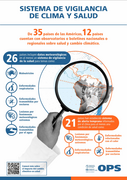
La infografía repasa el estado de los sistemas de vigilancia de clima y salud en las Américas, indicando que solo 12 de los 35 países cuentan con observatorios o boletines nacionales o regionales sobre esta temática. Sin embargo, muestra avances importantes, ya que 26 países incorporan datos me
...
teorológicos en al menos un sistema de vigilancia en salud, abordando problemas como la malnutrición, enfermedades respiratorias, transmitidas por vectores, enfermedades relacionadas con el agua y lesiones por fenómenos extremos. Además, 21 países han establecido sistemas de alerta temprana vinculados al clima para ciertas condiciones de salud, lo que refleja progresos relevantes, aunque todavía con margen para ampliar la cobertura y fortalecer estos sistemas en la región.
more
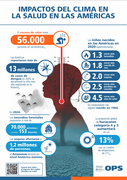
sta infografía destaca los impactos del cambio climático en la salud en las Américas, mostrando que el calor extremo causa miles de muertes y que enfermedades como el dengue han alcanzado niveles récord. También evidencia el aumento de eventos extremos como incendios forestales, sequías e inun
...
daciones, que afectan a millones de personas y empeoran las condiciones de vida. Además, advierte que las futuras generaciones enfrentarán riesgos climáticos más frecuentes, incluidos olas de calor, pérdidas de cosechas y desastres naturales.
more
The emergence and transmission of zoonotic diseases are driven by complex interactions
between health, environmental, and socio-political systems.
...
Human movement is considered
a significant and increasing factor in these processes, yet forced migration remains an
understudied area of zoonotic research–due in part to the complexity of conducting interdisciplinary
research in these settings.
more
Ethics in Higher Education
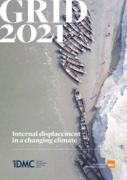
New displacements by conflict and disasters in 2020
Issue Brief No. 29:
Planetary Health is an interdisciplinary academic collective of many scientific disciplines. In addition to the fields of
environmental and social sciences, that of human
...
health is one of many.
Because of the many disciplines involved in this topic and the large number of resources available, we would like to
share with you in this Issue Brief the most important documents related to Planetary Health. All of these
documents and many more can be found in the Planetary Health Toolbox
more
Mortality and burden of disease attributable to selected major risks
This publication presents a comprehensive methodology to support the Member States of the Pan American Health Organization (PAHO) in preparing for and responding to heat-
...
health risks in the Region of the Americas. It builds on World Health Organization and the World Meteorological Organization global documents, as well as on the disaster preparedness methodologies employed throughout the countries of the Region. This publication is part of an effort coordinated by PAHO to support Member States in multihazard preparedness, and includes: early warning system strengthening; threat characterization; activation and deactivation procedure definition; and institutional coordination. It engages different disciplines and recognizes the importance of intersectoral collaboration to respond to heat-health risks. It aims to bring awareness of the impacts of heat on the health of people of the Americas to public health decisionmakers, and thereby strengthen health service provision.
more

From the start of the COVID-19 pandemic until August 2021, extreme weather events have affected at least 139.2 million people and killed at least 17,242 people in at least 433 unique events. These figures are certainly an underestimate, as they do n
...
ot include estimates of numbers of people affected by extreme temperatures, or mortality during drought events.
One dimension of the compound risk of COVID-19 and climate extremes was the additional challenge of preparing for and responding to disasters during the pandemic, such as the constraints of physical distancing during evacuations and response operations.
more

The Advancing Climate-Resilient Education Technical Guidance builds on the USAID 2022–2030 Climate Strategy and the 2018 USAID Education Policy t
...
o support USAID Missions and partners who seek to integrate climate action and awareness into education programs and are committed to achieving climate-resilient education systems and fostering climate-resilient learners. It outlines how to identify opportunities for climate action that respond to known climate hazards through mitigative, adaptive, and transformative actions.
The guidance is designed for use at the activity design and monitoring and evaluation stages of the USAID Program Cycle. It does not prescribe new processes, but rather serves to aid Missions and partners in integrating climate considerations into existing processes
more
This report presents an overview of the state of air quality and its impacts on health in Africa.
This report describes the “Building health workers capacity on air pollution and health” pilot workshop held in Ghana in 2022 which aimed at te
...
sting the training material of the first WHO Air Pollution and Health Training toolkit (APHT) targeting health professionals. APHT aims at strengthening the knowledge of health workers on air pollution and health and to enable them to effectively communicate with patients and communities on how to reduce their risk, to advocate for population level interventions as well as to train other peers and colleagues using a train-the-trainer approach. This workshop report serves as a tool and example of a training that can be replicated and adapted to other contexts and settings based on country and regional priorities and needs.
more
New and updated information.
Adverse health effects of hot weather and heat-waves are largely preventable. Prevention requires a portfolio of acti
...
ons at different levels:from health system preparedness, coordinated with meteorological early warning systems, to timely public and medical advice andimprovements to housing and urban planning. This publication offers detailed information for various target audiences, and on medicaladvice and treatment practices
more
The Global Health Security Agenda programme develops national capacity to prevent zoonotic and non-zoonotic diseases while quickly and effectively
...
detecting and controlling diseases when they do emerge. The Emerging Pandemic Threats programme improves national capacity to pre-empt the emergence and re-emergence of infectious zoonotic disease and to prevent the next pandemic.
Action against emerging pandemic threats is taken through projects on: Avian influenza, Middle East respiratory syndrome, Africa Sustainable Livestock 2050 and Emergency equipment stockpile. With high-impact diseases that jump from animals to humans on the rise, these programmes are reducing the risk to lives and livelihoods from national, regional and global disease spread. more
Action against emerging pandemic threats is taken through projects on: Avian influenza, Middle East respiratory syndrome, Africa Sustainable Livestock 2050 and Emergency equipment stockpile. With high-impact diseases that jump from animals to humans on the rise, these programmes are reducing the risk to lives and livelihoods from national, regional and global disease spread. more

Promoting and protecting the mental health and psychosocial wellbeing of children, adolescents, and
...
their caregivers remains undamental to achieving the Sustainable Development Goals (SDGs), with a direct contribution to SDG 3 (Good Health and Well- eing). In 2024, UNICEF accelerated the scale-up of integrated, multisectoral MHPSS programming. These efforts contributed to the strengthening of national and subnational child and adolescent mental health systems by supporting programming across the continuum of care, investing in workforce development, advancing data systems and evidence generation, and promoting institutional leadership and coordination mechanisms. UNICEF’s growing reach, particularly through health, education, and child protection systems, reflects a strategic commitment to embedding MHPSS in sustainable development frameworks and in responses that bridge humanitarian action and development programming.
more
The 2019 edition treating data for 2018 marks sustained international efforts dedicated to reporting on, analysing and understanding the year-to-year variations and long-term trends of a changing
...
climate.
more
Compared to the previous five-year assessment period 2011–2015, the current five-year period 2015–2019 has seen a continued increase in carbon dioxide (CO2 ) emissions and an accelerated increase in the atmospheric concentration of major greenho
...
use gases (GHGs), with growth rates nearly 20% higher. The increase in the oceanic CO2 concentration has increased the ocean’s acidity.
The five-year period 2015–20191 is likely to be the warmest of any equivalent period on record globally, with a 1.1 °C global temperature increase since the pre-industrial period and a 0.2 °C increase compared to the previous five-year period.
more

Healthy people, healthy animals and a healthy environment worldwide with the One Health approach.
The COVID-19 pandemic has drastically demonstrated just how close the link is between humans, anima
...
ls, and the environment, and has highlighted and aggravated existing challenges. The destruction of natural habitats and displacement of species, trade in wild animals, resource-intensive lifestyles and conditions, non-sustainable food systems and, in particular, industrial agriculture and intensive livestock farming are the causes of the emergence of zoonoses as well as numerous other communicable and non-communicable, chronic diseases.
The One Health approach focuses precisely on such interaction between humans, animals, and the environment.
more
The global doctor
Willott C et al.
UCL Institute for Global Health and Development Education Research Centre, Institute of Education
(2012)
C2
This report explores the reasons why global health is critical to medicine and what this means for medical education. It argues that an understanding of global
...
health is important for all students and practicing doctors, rather than being an ‘add-on’ or ‘option’ for specialization.
more
