
Filter
4511
Text search:
virus
infection
Featured
585
1200
Language
3651
567
265
116
75
69
45
34
16
15
14
10
7
7
6
6
6
6
5
5
5
4
4
4
4
4
3
3
3
3
3
3
3
3
3
2
2
2
2
2
2
2
2
2
1
1
1
1
1
1
1
1
1
1
1
1
1
1
1
1
1
1
1
1
1
1
1
1
1
Document type
2058
991
619
233
204
161
103
49
30
18
16
14
12
Countries
189
181
164
155
130
106
100
94
85
83
77
75
71
69
67
66
65
58
55
54
53
52
46
42
42
41
41
40
39
37
37
36
30
30
28
28
27
27
27
26
23
23
23
22
20
19
19
18
17
17
17
17
17
16
15
15
14
14
14
13
13
12
10
10
10
9
8
8
8
7
7
7
7
6
6
6
5
5
5
5
5
5
4
4
4
4
4
4
4
4
4
3
3
3
3
3
3
3
2
2
2
2
2
2
2
2
2
2
2
2
2
2
1
1
1
1
1
1
1
1
1
1
1
1
1
1
1
1
1
1
1
1
1
1
1
Authors & Publishers
707
193
144
100
87
81
72
65
60
55
53
44
42
38
38
33
31
29
27
26
25
23
22
22
21
21
20
19
19
19
19
17
17
16
15
14
14
14
14
14
14
13
13
12
12
12
12
12
12
11
11
11
11
11
10
10
10
10
9
9
9
9
8
8
8
8
8
8
8
8
8
8
8
7
7
7
7
7
7
7
7
7
7
7
7
7
7
7
7
7
7
7
7
7
6
6
6
6
6
6
6
6
6
6
6
6
6
6
6
6
6
6
6
6
6
6
5
5
5
5
5
5
5
5
5
5
5
5
5
5
5
5
5
5
5
5
5
5
5
5
5
5
5
5
5
5
5
5
5
5
5
4
4
4
4
4
4
4
4
4
4
4
4
4
4
4
4
4
4
4
4
4
4
4
4
4
4
4
4
4
4
4
4
4
4
4
4
4
4
4
4
4
4
4
4
4
4
4
4
3
3
3
3
3
3
3
3
3
3
3
3
3
3
3
3
3
3
3
3
3
3
3
3
3
3
3
3
3
3
3
3
3
3
3
3
3
3
3
3
3
3
3
3
3
3
3
3
3
3
3
3
3
3
3
3
3
3
3
3
3
3
3
3
3
3
3
3
3
3
3
3
3
3
3
3
3
3
3
3
3
3
3
3
3
3
3
3
3
3
2
2
2
2
2
2
2
2
2
2
2
2
2
2
2
2
2
2
2
2
2
2
2
2
2
2
2
2
2
2
2
2
2
2
2
2
2
2
2
2
2
2
2
2
2
2
2
2
2
2
2
2
2
2
2
2
2
2
2
2
2
2
2
2
2
2
2
2
2
2
2
2
2
2
2
2
2
2
2
2
2
2
2
2
2
2
2
2
2
2
2
2
2
2
2
2
2
2
2
2
2
2
2
2
2
2
2
2
2
2
2
2
2
2
2
2
2
2
2
2
2
2
2
2
2
2
2
2
2
2
2
2
2
2
2
2
2
2
2
2
2
2
2
2
2
2
2
2
2
2
2
2
2
2
2
2
2
2
2
2
2
2
2
2
2
2
2
2
2
2
2
2
2
2
2
2
2
2
2
2
2
2
2
2
2
2
2
2
2
2
2
2
2
2
2
2
2
2
2
2
2
2
2
2
2
2
2
2
2
2
2
2
2
2
2
2
2
2
2
2
2
2
2
2
2
2
2
2
2
2
2
2
2
2
2
2
2
2
2
1
1
1
1
1
1
1
1
1
1
1
1
1
1
1
1
1
1
1
1
1
1
1
1
1
1
1
1
1
1
1
1
1
1
1
1
1
1
1
1
1
1
1
1
1
1
1
1
1
1
1
1
1
1
1
1
1
1
1
1
1
1
1
1
1
1
1
1
1
1
1
1
1
1
1
1
1
1
1
1
1
1
1
1
1
1
1
1
1
1
1
1
1
1
1
1
1
1
1
1
1
1
1
1
1
1
1
1
1
1
1
1
1
1
1
1
1
1
1
1
1
1
1
1
1
1
1
1
1
1
1
1
1
1
1
1
1
1
1
1
1
1
1
1
1
1
1
1
1
1
1
1
1
1
1
1
1
1
1
1
1
1
1
1
1
1
1
1
1
1
1
1
1
1
1
1
1
1
1
1
1
1
1
1
1
1
1
1
1
1
1
1
1
1
1
1
1
1
1
1
1
1
1
1
1
1
1
1
1
1
1
1
1
1
1
1
1
1
1
1
1
1
1
1
1
1
1
1
1
1
1
1
1
1
1
1
1
1
1
1
1
1
1
1
1
1
1
1
1
1
1
1
1
1
1
1
1
1
1
1
1
1
1
1
1
1
1
1
1
1
1
1
1
1
1
1
1
1
1
1
1
1
1
1
1
1
1
1
1
1
1
1
1
1
1
1
1
1
1
1
1
1
1
1
1
1
1
1
1
1
1
1
1
1
1
1
1
1
1
1
1
1
1
1
1
1
1
1
1
1
1
1
1
1
1
1
1
1
1
1
1
1
1
1
1
1
1
1
1
1
1
1
1
1
1
1
1
1
1
1
1
1
1
1
1
1
1
1
1
1
1
1
1
1
1
1
1
1
1
1
1
1
1
1
1
1
1
1
1
1
1
1
1
1
1
1
1
1
1
1
1
1
1
1
1
1
1
1
1
1
1
1
1
1
1
1
1
1
1
1
1
1
1
1
1
1
1
1
1
1
1
1
1
1
1
1
1
1
1
1
1
1
1
1
1
1
1
1
1
1
1
1
1
1
1
1
1
1
1
1
1
1
1
1
1
1
1
1
1
1
1
1
1
1
1
1
1
1
1
1
1
1
1
1
1
1
1
1
1
1
1
1
1
1
1
1
1
1
1
1
1
1
1
1
1
1
1
1
1
1
1
1
1
1
1
1
1
1
1
1
1
1
1
1
1
1
1
1
1
1
1
1
1
1
1
1
1
1
1
1
1
1
1
1
1
1
1
1
1
1
1
1
1
1
1
1
1
1
1
1
1
1
1
1
1
1
1
1
1
1
1
1
1
1
1
1
1
1
1
1
1
1
1
1
1
1
1
1
1
1
1
1
1
1
1
1
1
1
1
1
1
1
1
1
1
1
1
1
1
1
1
1
1
1
1
1
1
1
1
1
1
1
1
1
1
1
1
1
1
1
1
1
1
1
1
1
1
1
1
1
1
1
1
1
1
1
1
1
1
1
1
1
1
1
1
1
1
1
1
1
1
1
1
1
1
1
1
1
1
1
1
1
1
1
1
1
1
1
1
1
1
1
1
1
1
1
1
1
1
1
1
1
1
1
1
1
1
1
1
1
1
1
1
1
1
1
1
1
1
1
1
1
1
1
1
1
1
1
1
1
1
1
1
1
1
1
1
1
1
1
1
1
1
1
1
1
1
1
1
1
1
1
1
1
1
1
1
1
1
1
1
1
1
1
1
1
1
1
1
1
1
1
1
1
1
1
1
1
1
1
1
1
1
1
1
1
1
1
1
1
1
1
1
1
1
1
1
1
1
1
1
1
1
1
1
1
1
1
1
1
1
1
1
1
1
1
1
1
1
1
1
1
1
1
1
1
1
1
1
1
1
1
1
1
1
1
1
1
1
1
1
1
1
1
1
1
1
1
1
1
1
1
1
1
1
1
1
1
1
1
1
1
1
1
1
1
1
1
1
1
1
1
1
1
1
1
1
1
1
1
1
1
1
1
1
1
1
1
1
1
1
1
1
1
1
1
1
1
1
1
1
1
1
1
1
1
1
1
1
1
1
1
1
1
1
1
1
1
1
1
1
1
1
1
1
1
1
1
1
1
1
1
1
1
1
1
1
1
1
1
1
1
1
1
1
1
1
1
1
1
1
1
1
1
1
1
1
1
1
1
1
1
1
1
1
1
1
1
1
1
1
1
1
1
1
1
1
1
1
1
1
1
1
1
1
1
1
1
1
1
1
1
1
1
1
1
1
1
1
1
1
1
1
1
1
1
1
1
1
1
1
1
1
1
1
1
1
1
1
1
1
1
1
1
1
1
1
1
1
1
1
1
1
1
1
1
1
1
1
1
1
1
1
1
1
1
1
1
1
1
1
1
1
1
1
1
1
1
1
1
1
1
1
1
1
1
1
1
1
1
1
1
1
1
1
1
1
1
1
1
1
1
1
1
1
1
1
1
1
1
1
1
1
1
1
1
1
1
1
1
1
1
1
1
1
1
1
1
1
1
1
1
1
1
1
1
1
1
1
1
1
1
1
1
1
1
1
1
1
1
1
1
1
1
1
1
1
1
1
1
1
1
1
1
1
1
1
1
1
1
1
1
1
1
1
1
1
1
1
1
1
1
1
1
1
1
1
1
1
1
1
1
1
1
1
1
1
1
1
1
1
1
1
1
1
1
1
1
1
1
1
1
1
1
1
1
1
1
1
1
1
1
1
1
1
1
1
1
1
1
1
1
1
1
1
1
1
1
1
1
1
1
1
1
1
1
1
1
1
1
1
1
1
1
1
1
1
1
1
1
1
1
1
1
1
1
1
1
1
1
1
1
1
1
1
1
1
1
1
1
1
1
1
1
1
1
1
1
1
1
1
1
1
1
1
1
1
1
1
1
1
1
1
1
1
1
1
1
1
1
1
1
1
1
1
1
1
1
1
1
1
1
1
1
1
1
1
1
1
1
1
1
1
1
1
1
1
1
1
1
1
1
1
1
1
1
1
1
1
1
1
1
1
1
1
1
1
1
1
1
1
1
1
1
1
1
1
1
1
1
1
1
1
1
1
1
1
1
1
1
1
1
1
1
1
1
1
1
1
1
1
1
1
1
1
1
1
1
1
1
1
1
1
1
1
1
1
1
1
1
1
1
1
1
1
1
1
1
1
1
1
1
1
1
1
1
1
1
1
1
1
1
1
1
1
1
1
1
1
1
1
1
1
1
1
1
1
1
1
1
1
1
1
1
1
1
1
1
1
1
1
1
1
1
1
1
1
1
1
1
1
1
1
1
1
1
1
1
1
1
1
1
1
1
1
1
1
1
1
1
1
1
1
1
1
1
1
1
1
1
1
1
1
1
1
1
1
1
1
1
1
1
1
1
1
1
1
1
1
1
1
1
1
1
1
1
1
1
1
1
1
1
1
1
1
1
1
1
1
1
1
1
1
1
1
1
1
1
1
1
1
1
1
1
1
1
1
1
1
1
1
1
1
1
1
1
1
1
1
1
1
1
1
1
1
1
1
1
1
1
1
1
1
1
1
1
1
1
1
1
1
1
1
1
1
1
1
1
1
1
1
1
1
1
1
1
1
1
1
1
1
1
1
1
1
1
1
1
1
1
1
1
1
1
1
1
1
1
1
1
1
1
1
1
1
1
1
1
1
1
1
1
1
1
1
1
1
1
1
1
1
1
1
1
1
1
1
1
1
1
1
1
1
1
1
1
1
1
1
1
1
1
1
1
1
1
1
1
1
1
1
1
1
1
1
1
1
1
1
1
1
1
1
1
1
1
1
1
1
1
1
1
1
1
1
1
1
1
1
1
1
1
1
1
1
1
1
1
1
1
1
1
1
1
1
1
1
1
1
1
1
1
1
1
1
1
1
1
1
1
1
1
1
1
1
1
1
1
1
1
1
1
1
1
1
1
1
1
1
1
1
1
1
1
1
1
1
1
1
1
1
1
1
1
1
1
1
1
1
1
1
1
1
1
1
1
1
1
1
1
1
1
1
1
1
1
1
1
1
1
1
1
1
1
1
1
1
1
1
1
1
1
1
1
1
1
1
1
1
1
1
1
1
1
1
1
1
1
1
1
1
1
1
1
1
1
1
1
1
1
1
1
1
1
1
1
1
1
1
1
1
1
1
1
1
1
1
1
1
1
1
1
1
1
1
1
1
1
1
1
1
1
1
1
1
1
1
1
1
1
1
1
1
1
1
1
1
1
1
1
1
1
1
1
1
1
1
1
1
1
1
1
1
1
1
1
1
1
1
1
1
1
1
1
1
1
1
1
1
1
1
1
1
1
1
1
1
1
1
1
1
1
1
1
1
1
1
1
1
1
1
1
1
1
1
1
1
1
1
1
1
1
1
1
1
1
1
1
1
1
1
1
1
1
1
1
1
1
1
1
1
1
1
1
1
1
1
1
1
1
1
1
1
1
1
1
1
1
1
1
1
1
1
1
1
1
1
1
1
1
1
1
1
1
1
1
1
1
1
1
1
1
1
1
1
1
1
1
1
1
1
1
1
1
1
1
1
1
1
1
1
1
1
1
1
1
1
1
1
1
1
1
1
1
1
1
1
1
1
1
1
1
1
1
1
1
1
1
1
1
1
1
1
1
1
1
1
1
1
1
1
1
1
1
1
1
1
1
1
1
1
1
1
1
1
1
1
1
1
1
1
1
1
1
1
1
1
1
1
1
1
1
1
1
1
1
1
1
1
1
1
1
1
1
1
1
1
1
1
1
1
1
1
1
1
1
1
1
1
1
1
1
1
1
1
1
1
1
1
1
1
1
1
1
1
1
1
1
1
1
1
1
1
1
1
1
1
1
1
1
1
1
1
1
1
1
1
1
1
1
1
1
1
1
1
1
1
1
1
1
1
1
1
1
1
1
1
1
1
1
1
1
1
1
1
1
1
1
1
1
1
1
1
1
1
1
1
1
1
1
1
1
1
1
1
1
1
1
1
1
1
1
1
1
1
1
1
1
1
1
1
1
1
1
1
1
1
1
1
1
1
1
1
1
1
1
1
1
1
1
1
1
1
1
1
1
1
1
1
1
1
1
1
1
1
1
1
1
1
1
1
1
1
1
1
1
1
1
1
1
1
1
1
1
1
1
1
1
1
1
1
1
1
1
1
1
1
1
1
1
1
1
1
1
1
1
1
1
1
1
1
1
1
1
1
1
1
1
1
1
1
1
1
1
1
1
1
1
1
1
1
1
1
1
1
1
1
1
1
1
1
1
1
1
1
1
1
1
1
1
1
1
1
1
1
1
1
1
1
1
1
1
1
1
1
1
1
1
1
1
1
1
1
1
1
1
1
1
1
1
1
1
1
1
1
1
1
1
1
1
1
1
1
1
1
1
1
1
1
1
1
1
1
1
1
1
1
1
1
1
1
1
1
1
1
1
1
1
1
1
1
1
1
1
1
1
1
1
1
1
1
1
1
1
1
1
1
1
1
1
1
1
1
1
1
1
1
1
1
1
1
1
1
1
1
1
1
1
1
1
1
1
1
1
1
1
1
1
1
1
1
1
1
1
1
1
1
1
1
1
1
1
1
1
1
1
1
1
1
1
1
1
1
1
1
1
1
1
1
1
1
1
1
1
1
1
1
1
1
1
1
1
1
1
1
1
1
1
1
1
1
1
1
1
1
1
1
1
1
1
1
1
1
1
1
1
1
1
1
1
1
1
1
1
1
1
1
1
1
1
1
1
1
1
1
1
1
1
1
1
1
1
1
1
1
1
1
1
1
1
1
1
1
1
1
1
1
1
1
1
1
1
1
1
1
1
1
1
1
Publication Years
1891
2290
305
22
2
1
Category
1757
374
194
184
149
77
57
3
Toolboxes
1084
479
258
204
151
126
115
110
97
89
84
84
72
61
45
36
35
35
26
25
18
18
14
9
1
1
Este documento apresenta uma orientação provisória aos Estados Membros para uma rápida investigação de casos suspeitos de COVID-19 após um alerta ou sinal. Tem como propósito ser utilizada por autoridades de saúde locais, regionais ou nacionais como considerações para a investigação de
...
casos de COVID-19. Não deve ser considerada como um guia abrangente para investigação do surto. Há orientações detalhadas disponíveis para a investigação de surto de outros patógenos respiratórios, incluindo o MERS-CoV e influenza. Maiores informações sobre a investigação de surto para a COVID-19 podem ser encontradas no OpenWHO website.Essa orientação pode ser implementada em diferentes países com vários recursos e padrões epidemiológicos e deve ser adaptada da forma mais adequada. Este documento tem como objetivo descrever os componentes específicos necessários para uma investigação. Ela é elaborada com base no conhecimento sobre a epidemia da COVID-19 e considerações semelhantes para outros patógenos respiratórios, incluindo o vírus MERS-CoV e influenza. A OMS continuará atualizando essas recomendações à medida que surgirem mais informações.
more

Development finance institutions owned by European governments and the World Bank Group are spending hundreds of millions of dollars on expensive for-profit hospitals in the Global South that block patients from getting care, or bankrupt them, with some even imprisoning patients who cannot afford th
...
eir bills. At the height of the COVID-19 pandemic, some of these same hospitals denied entry to patients suffering from the virus or sold intensive care beds at eyewatering prices to the highest bidder. These development institutions have woefully inadequate safeguards, invest via a complex web of tax-avoiding financial intermediaries, and offer little to zero evidence on the impacts their investments are having. Oxfam is calling on rich-country governments and the World Bank Group to immediately halt their spending on for-profit private healthcare, and for an urgent independent investigation to be conducted into all active and historic investments.
more
This book provides significantly expanded content and experience in relation to a broader stewardship context- for example, stewardship in specific populations, different countries as well as the role of different professions in stewardship to political and media engagement. We hope this book has so
...
mething to offer everyone practicing in this area. Therefore, The British Society for Antimicrobial Chemotherapy [BSAC] in collaboration with ESGAP are very pleased to present this e-book on Global Antimicrobial Stewardship that is relevant to health care professions working in preventing and managing infection across the healthcare communities and health care facilities. It aims to support health care professionals, or teams, or policy makers interested in learning about bringing the principles of stewardship to the bed side
more
Ces lignes directrices prônent une approche centrée sur la personne des informations stratégiques sur le VIH, ce qui implique de cesser de collecter des données agrégées dans les services (par exemple, le nombre de tests de dépistage du VIH administrés) pour s’intéresser au patient qui re
...
çoit une cascade de services liés entre eux, afin d’améliorer les soins prodigués aux patients et les résultats sanitaires.
Elles réunissent les orientations données en matière de systèmes de suivi des patients et de cas d’infection à VIH dans le cadre du système de surveillance de santé publique. Elles recommandent le recours à un identifiant unique pour le patient, afin d'établir une liaison entre tous les services de santé, ce qui permet de mesurer la cascade de services sur la durée. more
Elles réunissent les orientations données en matière de systèmes de suivi des patients et de cas d’infection à VIH dans le cadre du système de surveillance de santé publique. Elles recommandent le recours à un identifiant unique pour le patient, afin d'établir une liaison entre tous les services de santé, ce qui permet de mesurer la cascade de services sur la durée. more

Delivering quality health services: A global imperative for universal health coverage
Kieny, Marie-Paule; Evans, Timothy Grant; Scarpetta, Stefano; Kelley, Edward T.; Klazinga, Niek; Forde, Ian; Veillard, Jeremy Henri Maurice; Leatherman, Sheila; Syed, Shamsuzzoha; Kim, Sun Mean; Nejad, Sepideh Bagheri; Donaldson, Liam
World Health Organization (WHO), Organisation for Economic Co-operation and Development (OECD), and The World Bank
(2018)
C_WHO
Poor quality health services are holding back progress on improving health in countries at all income levels.
Today, inaccurate diagnosis, medication errors, inappropriate or unnecessary treatment, inadequate or unsafe clinical facilities or practices, or providers who lack adequate training an ... d expertise prevail in all countries.
The situation is worst in low and middle-income countries where 10 percent of hospitalized patients can expect to acquire an infection during their stay, as compared to seven percent in high income countries. This is despite hospital acquired infections being easily avoided through better hygiene, improved infection control practices and appropriate use of antimicrobials.. At the same time, one in ten patients is harmed during medical treatment in high income countries. more
Today, inaccurate diagnosis, medication errors, inappropriate or unnecessary treatment, inadequate or unsafe clinical facilities or practices, or providers who lack adequate training an ... d expertise prevail in all countries.
The situation is worst in low and middle-income countries where 10 percent of hospitalized patients can expect to acquire an infection during their stay, as compared to seven percent in high income countries. This is despite hospital acquired infections being easily avoided through better hygiene, improved infection control practices and appropriate use of antimicrobials.. At the same time, one in ten patients is harmed during medical treatment in high income countries. more
Le présent document énonce la première stratégie mondiale du secteur de la santé contre l’hépatite virale, une stratégie qui contribue à la réalisation du Programme de développement durable à l’horizon 2030.
Elle couvre les six premières années du plan d’action pour la santé ... de l’après-2015, c’est-à-dire la période 2016-2021, en s’appuyant sur le document Prévention et lutte contre l’hépatite virale : cadre pour l’action mondiale et sur deux résolutions relatives à l’hépatite virale adoptées par l’Assemblée mondiale de la Santé en 2010 et en 2014.
Cette stratégie porte sur les cinq virus de l’hépatite (les hépatites A, B, C, D et E), en mettant plus spécialement l’accent sur les hépatites B et C en raison de la lourde charge relative qu’elles représentent pour la santé publique. more
Elle couvre les six premières années du plan d’action pour la santé ... de l’après-2015, c’est-à-dire la période 2016-2021, en s’appuyant sur le document Prévention et lutte contre l’hépatite virale : cadre pour l’action mondiale et sur deux résolutions relatives à l’hépatite virale adoptées par l’Assemblée mondiale de la Santé en 2010 et en 2014.
Cette stratégie porte sur les cinq virus de l’hépatite (les hépatites A, B, C, D et E), en mettant plus spécialement l’accent sur les hépatites B et C en raison de la lourde charge relative qu’elles représentent pour la santé publique. more
Rapport technique
Le présent manuel vise à fournir des informations concernant les méthodes d’enquête sur les épidémies d’hépatite E, et les mesures de prévention et de contrôle appropriées. De plus, le manuel fournit des informations relatives à l’agent responsable – appelé ... le Virus de l’hépatite E (VHE) – son épidémiologie, les manifestations cliniques de la maladie et le diagnostic. more
Le présent manuel vise à fournir des informations concernant les méthodes d’enquête sur les épidémies d’hépatite E, et les mesures de prévention et de contrôle appropriées. De plus, le manuel fournit des informations relatives à l’agent responsable – appelé ... le Virus de l’hépatite E (VHE) – son épidémiologie, les manifestations cliniques de la maladie et le diagnostic. more

The provision of safe and efficacious blood and blood components for transfusion or manufacturing use involves a number of processes, from the selection of blood donors and the collection, processing and testing of blood donations to the testing of patient samples, the issue of compatible blood and
...
its administration to the patient. There is a risk of error in each process in this “transfusion chain” and a failure at any of these stages can have serious implications for the recipients of blood and blood products. Thus, while blood transfusion can be life-saving, there are associated risks, particularly the transmission of bloodborne infections.
Screening for transfusion-transmissible infections (TTIs) to exclude blood donations at risk of transmitting infection from donors to recipients is a critical part of the process of ensuring that transfusion is as safe as possible. Effective screening for evidence of the presence of the most common and dangerous TTIs can reduce the risk of transmission to very low levels. more
Screening for transfusion-transmissible infections (TTIs) to exclude blood donations at risk of transmitting infection from donors to recipients is a critical part of the process of ensuring that transfusion is as safe as possible. Effective screening for evidence of the presence of the most common and dangerous TTIs can reduce the risk of transmission to very low levels. more
Le Bénin à l’instar des autres pays d’Afrique subsaharienne, fait face à une épidémie généralisée du VIH qui est actuellement au centre des préoccupations de santé publique et de développement. De 2002 à 2006, la prévalence nationale est stabilisée autour de 2% grâce à une améli
...
oration de la prise en charge des PVVIH, une augmentation du nombre de patients sous ARV, et un renforcement du partenariat avec la société civile y compris le secteur privé. En 2007, on a observé une légère inflexion à 1,7% de la prévalence.
Les conséquences multiples de l’infection par le VIH ont très vite imposé la nécessité d’une prise en charge globale des personnes infectées et affectées. Les interventions sont désormais multiples et intégrées allant de la prévention à la prise en charge en passant par le conseil - dépistage (CD).
more

Rapport de Suivi de la Déclaration de Politique du Bénin
À l’instar des autres pays de la sous-région, le Bénin est un pays à épidémie mixte. Depuis 2006, la prévalence du VIH s’est stabilisée à 1,2% dans la population générale. Malgré cette tendance à la stabilisation, il exi
...
ste des poches de concentration de fortes prévalences au sein de certaines populations clés plus exposées aux risques d’infection, notamment les professionnelles de sexe (PS), les détenus, les HSH et les CDI.
more

Objective: The study aimed to describe the current epidemiological, clinical and immunological profile of newly
detected HIV - positive patients in Northern Benin by 2016. Methods: It was a prospective study conducted from May 2 to
October 31, 2016 on three main sites of care of people living with
...
HIV (PLHIV) in the department of Borgou in Benin. All
new cases of HIV infection have been systematically and comprehensively recruited. Initial epidemiological, clinical and
immunological data were collected using a questionnaire. These data were entered and analyzed using the Epi Info 7 software.
Results: In total, 185 adults (68 male and 117 female) newly screened HIV positive were included in this study. The middle age
was 36.2 ± 10.9 years and the sex ratio was 0.6 One hundred and thirty-five patients (73%) were between 25 and 50 years old.
In terms of the profession, 132 patients (71.3%) were engaged in liberal activities (craftmen, traders and retailers). The
majority was schooled (113 or 61.1%) and resided in urban areas (146 or 79%). One hundred and sixteen patients lived in
couple (62.7%) with an average monthly income estimated at 70 US Dollars. Clinically, 123 patients (66.5%) were in WHO
stage III. The body mass index was over 18.5 kg/m2 in 124 patients (67%). The median number of TCD4 lymphocytes was
254.5 cells/ml and 25 patients (13.5%) had a number of CD4 over 500 cells/ml. HIV1 was really predominant (97.8%). Most
patients (152 or 82.2%) had been screened for clinical suspicion. Conclusion: HIV infection in Benin remains the prerogative
of young, female, educated and poor people. Screening is delayed and hence the need to develop innovative strategies for early
more
Las infecciones de transmisión sexual (ITS) constituyen un importante problema de salud pública en todo el mundo, que afecta a la calidad de vida y se acompaña de importantes niveles de morbilidad y mortalidad. Estas infecciones influyen directamente en la salud infantil y reproductiva porque tra
...
en consigo infertilidad, cánceres y complicaciones del embarazo. También tienen una influencia indirecta porque facilitan la transmisión por vía sexual del virus de la inmunodeficiencia humana (VIH), pesando así igualmente en la economía de los países y las personas. Cada día, más de un millón de personas contraen una infección de transmisión sexual. Se calcula que en 2012 hubo en el mundo 357 millones de nuevos casos de ITS curables (blenorragia, clamidiasis, sífilis o tricomoniasis) que afectaron a adultos de entre 15 y 49 años de edad, entre ellos 5,6 millones de casos de sífilis. El número de casos prevalentes de sífilis asciende, según las estimaciones, a unos 18 millones.
more

La surveillance épidémiologique est un processus continu de collecte, d’analyse et de diffusion d’informations pour la prise d’actions de riposte. Les activités de surveillance épidémiologique sont mises en œuvre au Sénégal selon la stratégie SIMR (Surveillance Intégrée de la Maladi
...
e et Riposte) et suivant le RSI (version 2005). Cependant, très souvent les données de surveillance des maladies, surtout au niveau communautaire, ne sont pas toujours bien enregistrées, notifiées et analysées. Aujourd’hui, les maladies transmissibles émergentes et ré-émergentes comme la maladie à virus Ebola (MVE), constituent une menace importante pour la santé et le bien-être de nos communautés.
more
Les maladies infectieuses sont en constante mutation. De nouvelles maladies apparaissent, d’autres qui sont bien connues se propagent ou refont surface, et quelques rares fois, une maladie est éradiquée. Les maladies infectieuses telles que le VIH, la tuberculose et le choléra sont des causes c
...
onsidérables de morbidité et de mortalité dans plusieurs régions du monde. Le personnel de la santé joue un rôle primordial, en ce qui concerne la protection de leurs clients contre les maladies infectieuses et leurs traitements en cas d’infection. Dans le cadre de leur travail, le personnel de santé accomplisse des tâches cliniques ou autres activités susceptibles de les exposer ainsi que leurs clients aux microorganismes – orga- nismes potentiellement infectieux. Bon nombre de ces clients sont malades et, par conséquent, sont plus vulnérables aux infections ou peuvent avoir des infec-tions susceptibles d’être transmises à d’autres personnes. Par chance, l’ensemble du personnel travaillant dans les services de santé est en mesure d’exécuter des procédés simples visant à minimiser le risque – vis-à-vis d’eux-mêmes et de leurs clients – et réduire la propagation des infections. Ces pratiques peuvent être intégrées à moindre frais dans les habitudes quotidiennes au sein des établissements de santé du monde entier. Ce guide de référence est spécialement conçu pour l’emploi à tous les niveaux du système sanitaire, depuis les plus grands hôpitaux jusqu’aux plus petits dispensaires ou centres de santé, dans des établissements où les ressources sont rares.Ce guide, publié pour la première fois en 1999, a été mis à jour. Bien que la plu-part des pratiques restent inchangées, il a fait l’objet de quelques modifications significatives – par exemple, concernant les recommandations liées au lavage des mains et aux précautions standard. Toutefois, ce guide continue de présenter des recommandations pratiques en matière de procédés simples et relativement peu coûteux pouvant être exécutés partout, à l’aide des matériels de base et des équi-pements de niveau technologique moyen.
more
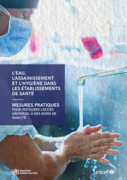
Personne ne se rend dans un établissement de soins de santé pour tomber malade. On s’y rend pour aller mieux, pour accoucher, pour se faire vacciner. Cependant, des centaines de millions de gens sont confrontés à un risque accru d’infection
...
quand ils se font soigner dans des établissements de santé où les services de première nécessité font défaut, y compris les services d’approvisionnement en eau, d’assainissement et d’hygiène (WASH) et les services de gestion des déchets médicaux. Non seulement l’absence de services WASH dans les établissements de santé compromet la sécurité sanitaire des patients et leur dignité, mais il peut éventuellement exacerber la propagation d’infections résistant aux antimicrobiens et compromettre les efforts faits en vue de l’amélioration de la santé maternelle et infantile.
more
Accessed on 22.03.2020
Le Gouvernement du Burkina Faso a pris en compte au niveau du deuxième axe stratégique du Plan National de Développement Economique et Social (PNDES) 2016 – 2020 la nécessité de développer des actions allant dans le sens de la mitigation de l’impact du VIH sur les
...
populations. Deux CSLS successifs couvrant les périodes 2001-2005 et 2006 – 2010 ont été mis en œuvre contribuant de manière significative à baisser et à stabiliser la progression de la pandémie, en ramenant le taux de séroprévalence de 7,17% en 1997 à 0.90% en fin 2014 selon les estimations de l’ONUSIDA. Malgré cette évolution positive, le Burkina Faso demeure en situation d’épidémie généralisée. Ce même rapport mentionne que le nombre de PVVIH est estimé à 110.000, dont 57.000 femmes. 75.000 enfants sont estimés orphelins du fait du Sida. L’EDS IV réalisée en 2010 note que la prévalence en population générale présente des disparités selon le sexe. En effet, les femmes ont une prévalence de 1.2% contre 0.8% chez les hommes d’où un ratio H/F de 1.5 confirmant ainsi la théorie de la féminisation de l’infection pour des raisons à la fois socio-économiques et biologiques. Une étude récente conduite par le SP/CNLS ciblant les travailleuses du sexe (TS) a montré une prévalence au VIH de 16,19%, c’est à dire plus de 16 fois celle en population générale.
more

El ámbito de aplicación incluye a todos los trabajadores involucrados en trabajos de asistencia sanitaria (comprendidos los desarrollados en aislamiento, traslados, labores de limpieza, eliminación de residuos,etc.), así como los de transportes aéreo,marítimo y ferrocarril de
...
larga distancia o internacional, los colectivos de rescate (bomberos, salvamento marítimo, policía, guardia civil, etc.), atención al público, hostelería, sector servicios, etc. Dado que el contacto con el virus puede afectar a entornos sanitarios y no sanitarios, corresponde a las empresas evaluar el riesgo de exposición y seguir las recomendaciones que sobre el particular emita el servicio de prevención,siguiendo las pautas y recomendaciones formuladas por las autoridades sanitarias.
more
Manuel d’orientation sur la Nutrition et la pandémie de COVID-19 en République Démocratique du Congo
Au cours d’une pandémie à COVID-19 une détérioration de la situation nutritionnelle des enfants et des femmes est très probablement liée à l’augmentation des prix des denrées alimentaires, la réduction de la disponibilité alimentaire et la baisse du revenu de la population suite au ral
...
entissement de la vie économique. Par ailleurs, la manière dont les interventions de nutrition sont offertes doit s’adapter à l’épidémie de COVID-19 pour éviter toute propagation de la maladie à COVID-19. C’est pourquoi, ce manuel est produit par le programme national de nutrition en collaboration avec le cluster nutrition et les autres partenaires pour donner des orientations sur la meilleure façon de poursuivre la mise en œuvre des interventions de nutrition en veillant aux mesures de prévention et contrôle de l’infection.
more
It is too early to know the full impact of COVID-19 on Africa. To date the experience has been varied. There are causes for concern, but also reasons for hope. Early estimates were pessimistic regarding the pandemic’s impact on the continent. But the relatively low numbers of COVID-19 cases report
...
ed thus far have raised hopes that African countries may be spared the worst of the pandemic. While the virus is present in all African countries, most countries have recorded fewer than 1,000 cases. The African Union acted swiftly, endorsing a joint continental strategy in February, and complementing efforts by Member States and Regional Economic Communities by providing a public health platform.
more
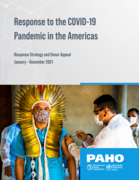
While much progress has been achieved over the past year, the Region of the Americas has stubbornly remained the epicenter of the COVID-19 pandemic. PAHO is launching its 2021 COVID-19 Response Strategy and Donor Appeal to continue supporting Latin American and Caribbean countries and territories i
...
n their fight against COVID-19. This document outlines PAHO’s regional strategy for the year 2021 to sustain and scale-up the response to COVID‑19 pandemic in the Americas, suppress the community transmission of the virus and mitigate the longer-term health impact of the pandemic.
US$ 239 million is needed to support critical response efforts in the Americas between 1 January and 31 December 2021
more
