
Filter
85
Featured
7
2
Language
Document type
32
16
11
8
5
5
3
2
2
1
Countries
5
2
1
1
1
Authors & Publishers
Publication Years
Category
5
3
1
1

Weekly epidemiological record 18 July 2025
This report summarizes application of the SAFE strategy against trachoma during 2024. It includes estimates of the global population at risk of trachoma blindness based on district-by-district data submitted to WHO by national programmes.
Resource Platform
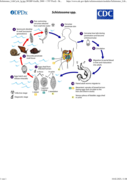
DPDx Life Cycle Graphic
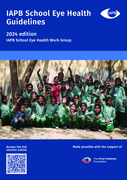
The IAPB School Eye Health Workgroup has released these guidelines to help deliver standardised comprehensive eye health services to more than 700 million children attending schools around the world. These guidelines direct the planning and implementation of school eye health initiatives for policym
...
Trichiasis surgery for trachoma
recommended
3rd edition
Chirurgie du trichiasis trachomateux
recommended
3ieme edition

Trachoma is the leading infectious cause of blindness worldwide. In April 2023, it was a public health problem
in approximately 40 countries, with an estimated 116 million people at risk and 1.5 million people affected
by the late blinding stage of the disease (1). About 84% of those at risk of tr
...
Creative Development and Formative Research Report

The WHO Vision and eye screening implementation handbook (VESIH) offers a step-by-step guidance for conducting vision and eye screenings in community and primary care settings. The evidence-based interventions are drawn from the WHO Package of eye care interventions and developed with a focus on del
...
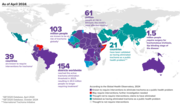


Sources: Weekly Epidemiological Record (data as of 15 April 2024); *GET2020 database (October 2024)

ources: Weekly Epidemiological Record (April 2024); *GET2020 database (October 2024), **Tropical Data (June 2024)

Sources: Weekly Epidemiological Record (data as of 15 April 2024

Weekly Epidemiological Record. This report summarizes application of the SAFE strategy against trachoma during 2023. It includes estimates of the global population at risk of trachoma blindness based on district-by-district data submitted to WHO by national programmes. Summarizing the epidemiologica
...
Cureus 2024 Jan 16;16(1):e52358. doi: 10.7759/cureus.52358
Cirugía de la triquiasis tracomatosa
recommended
Tercera edicion .En esta tercera edición se actualiza la definición de la triquiasis tracomatosa según lo acordado en la cuarta Reunión Científica Mundial sobre el Tracoma (Ginebra, del 27 al 29 de noviembre del 2018), se agrega una descripción sobre cómo examinar el entropión, se mejoran la
...
Cirurgia da Tricomatose Tricomatosa
recommended
Terceira Edição. A terceira edição do manual sobre intervenção de rotação tarsal bilamelar para o tratamento do entrópio devido à triquíase tracomatosa, publicado pela Organização Mundial da Saúde (OMS), apresenta várias atualizações e melhorias. Desde sua primeira edição em 1993
...
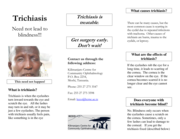
Trichiasis is when the eyelashes turn inward towards the eye and scratch the eye. All the lashes may turn in and rub, or it may be just a few eyelashes. The person with trichiasis usually feels pain, like something is in the eye before the vision is damaged,
blindness will be prevented.
