Filter
924
Featured
51
99
Language
Document type
796
43
29
23
14
5
5
2
2
1
1
1
1
1
Countries
24
17
15
15
11
11
9
9
8
8
8
8
7
7
7
7
6
6
6
5
5
5
5
5
5
5
4
4
4
4
4
4
4
3
3
3
3
3
3
3
3
3
2
2
2
2
2
2
2
2
2
2
1
1
1
1
1
1
1
1
1
1
1
1
1
1
1
1
1
1
1
1
1
1
1
1
1
1
Authors & Publishers
Publication Years
Category
124
47
28
16
14
5
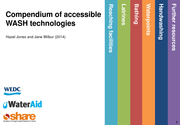
The compendium is designed for use by staff working directly with communities - e.g. health workers and community volunteers working with disabled and older people and their families in rural areas of sub-Saharan Africa.
A few examples of technologies are presented that families can adapt to suit t
...
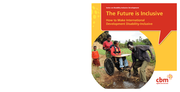
Series on Disability-Inclusive Development. This publication introduces the key concepts for disability-inclusive development and highlights practical examples by CBM, to contribute to the dialogue on disability-inclusive development
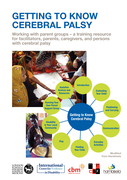
Getting to know cerebral palsy
recommended
Working with parent groups – a training resource for facilitators, parents, caregivers, and persons with cerebral palsy.
TThis manual aims to increase knowledge and skills in caring for a child with cerebral palsy. Research highlighted the significant needs of the caregivers, and how they can gai
...
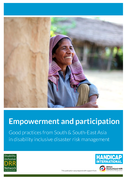
Good practices from South & South-East Asia in disability inclusive disaster risk management
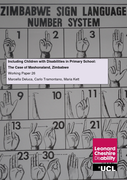
Working Paper Series: No. 26

International Journal of Special Education. Vol.29 (3) 2014, 69-81
Educating students with disabilities in an inclusive general education setting has been shown to increase academic achievement, increase peer acceptance, increase self esteem, create a richer friendship network, and have positive li
...
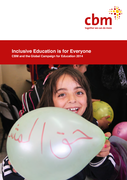
CBM and the Global Campaign for Education 2014
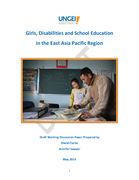
Draft Working Discussion Paper
Information Booklet for Parents

Paper commissioned for Fixing the Broken Promise of Education for All: Findings from the Global Initiative on Out-of-School Children


Vol 5 No 27 | ISSN 2039-2117 (online) | ISSN 2039-9340 (print) | The rate of sexual victimization of mentally retarded children is alarming and it goes unnoticed because the perpetrators could be parents, step- parents, relatives, well-respected individuals by family members, neighbours and educator
...

The aim of this pamphlet is to inform parents and guardians of supports and services available for children and young people with a physical disability and their families.
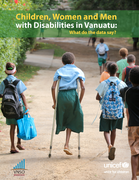
As the Convention of the Rights of Children recognizes, children are human beings with a distinct set of rights, and not the passive objects of care and charity. They deserve to be full participants in society, and to live lives free of poverty. But for children, living in poverty is particularly im
...
Families and Societies Working Paper Series Changing families and sustainable societies: Policy contexts and diversity over the life course and across generations