Children & Adolescents
Prevention of mother-to-child transmission (PMTCT)
Capacity Building
Epidemiology
General Aspects
HIV and coinfection
Mental Health & Psychosocial support HIV
HIV testing & disclosure
IEC Material/BSCC
Orphans & vulnerable children
Reports & Studies Children HIV
Treatment & Prevention
Toolboxes
Filter
997
Featured
74
50
Language
902
39
30
25
10
7
3
2
1
1
1
1
1
1
Document type
421
180
163
57
56
40
29
25
9
6
2
2
1
Countries / Regions
28
23
23
22
16
16
11
11
11
11
10
7
6
5
5
5
5
5
5
5
4
4
4
4
4
3
3
3
3
2
2
2
2
2
2
2
2
2
2
1
1
1
1
1
1
1
1
1
1
1
1
1
1
1
1
1
1
1
1
1
1
1
1
1
1
Authors & Publishers
188
142
137
55
44
25
23
22
22
17
17
14
14
14
14
10
9
9
8
8
8
7
7
6
6
6
6
6
6
6
6
6
6
5
5
5
5
5
5
5
5
4
4
4
4
4
4
4
4
4
4
4
4
4
4
4
4
4
4
4
4
4
4
4
4
4
4
4
4
3
3
3
3
3
3
3
3
3
3
3
3
3
3
3
3
3
3
3
3
3
3
3
3
3
3
3
2
2
2
2
2
2
2
2
2
2
2
2
2
2
2
2
2
2
2
2
2
2
2
2
2
2
2
2
2
2
2
2
2
2
2
2
2
2
2
2
2
2
2
2
2
2
2
2
2
2
2
2
2
2
2
2
2
2
2
2
2
2
2
2
2
2
2
2
2
2
2
2
2
2
2
2
2
2
2
2
2
2
2
2
2
2
2
2
2
2
2
2
2
2
2
2
2
2
2
2
2
2
2
2
2
2
2
2
2
2
2
2
2
2
2
2
2
2
2
2
2
2
2
1
1
1
1
1
1
1
1
1
1
1
1
1
1
1
1
1
1
1
1
1
1
1
1
1
1
1
1
1
1
1
1
1
1
1
1
1
1
1
1
1
1
1
1
1
1
1
1
1
1
1
1
1
1
1
1
1
1
1
1
1
1
1
1
1
1
1
1
1
1
1
1
1
1
1
1
1
1
1
1
1
1
1
1
1
1
1
1
1
1
1
1
1
1
1
1
1
1
1
1
1
1
1
1
1
1
1
1
1
1
1
1
1
1
1
1
1
1
1
1
1
1
1
1
1
1
1
1
1
1
1
1
1
1
1
1
1
1
1
1
1
1
1
1
1
1
1
1
1
1
1
1
1
1
1
1
1
1
1
1
1
1
1
1
1
1
1
1
1
1
1
1
1
1
1
1
1
1
1
1
1
1
1
1
1
1
1
1
1
1
1
1
1
1
1
1
1
1
1
1
1
1
1
1
1
1
1
1
1
1
1
1
1
1
1
1
1
1
1
1
1
1
1
1
1
1
1
1
1
1
1
1
1
1
1
1
1
1
1
1
1
1
1
1
1
1
1
1
1
1
1
1
1
1
1
1
1
1
1
1
1
1
1
1
1
1
1
1
1
1
1
1
1
1
1
1
1
1
1
1
1
1
1
1
1
1
1
1
1
1
1
1
1
1
1
1
1
1
1
1
1
1
1
1
1
1
1
1
1
1
1
1
1
1
1
1
1
1
1
1
1
1
1
1
1
1
1
1
1
1
1
1
1
1
1
1
1
1
1
1
1
1
1
1
1
1
1
1
1
1
1
1
1
1
1
1
1
1
1
1
1
1
1
1
1
1
1
1
1
1
1
1
1
1
1
1
1
1
1
1
1
1
1
1
1
1
1
1
1
1
1
1
1
1
1
1
1
1
1
1
1
1
1
1
1
1
1
1
1
1
1
1
1
1
1
1
1
1
1
1
1
1
1
1
1
1
1
1
1
1
1
1
1
1
1
1
1
1
1
1
1
1
1
1
1
1
1
1
1
1
1
1
1
1
1
1
1
1
1
1
1
1
1
1
1
1
1
1
1
1
1
1
1
1
1
1
1
1
1
1
1
1
1
1
1
1
1
1
1
1
1
1
1
1
1
1
1
1
1
1
1
1
1
1
1
1
1
1
1
1
1
1
1
1
1
1
1
1
1
1
1
1
1
1
1
1
1
1
1
1
1
1
1
1
1
1
1
1
1
1
1
1
1
1
1
1
1
1
1
1
1
1
1
1
1
1
1
1
1
1
1
1
1
1
1
1
1
1
1
1
1
1
1
1
1
1
1
1
1
1
1
1
1
1
1
1
1
1
1
1
1
1
1
1
1
1
1
1
1
1
1
1
1
1
1
1
1
1
1
1
1
1
1
1
1
1
1
1
1
1
1
1
1
1
1
1
1
1
1
1
1
1
1
1
1
1
1
1
1
1
1
1
1
1
1
1
1
1
1
1
1
1
1
1
1
1
1
1
1
1
1
1
1
1
1
1
1
1
1
1
1
1
1
1
1
1
1
1
1
1
1
1
1
1
1
1
1
1
1
1
1
1
1
1
1
1
1
1
1
1
1
1
1
1
1
1
1
1
1
1
1
1
1
1
1
1
1
1
1
1
1
1
1
1
1
1
1
1
1
1
1
1
1
1
1
1
1
1
1
1
1
1
1
1
1
1
1
1
1
1
1
1
1
1
1
1
1
1
1
1
1
1
1
1
1
1
1
1
1
1
1
1
1
1
1
1
1
1
1
1
1
1
1
1
1
1
1
1
1
1
1
1
1
1
1
1
1
1
1
1
1
1
1
1
1
1
1
1
1
1
1
1
1
1
1
1
1
1
1
1
1
1
1
1
1
1
1
1
1
1
1
1
1
1
1
1
1
1
1
1
1
1
1
1
1
1
1
1
1
1
1
1
1
1
1
1
1
1
1
1
1
1
1
1
1
1
1
1
1
1
1
1
1
1
1
1
1
1
1
1
1
1
1
1
1
1
1
1
1
1
1
1
1
1
1
1
1
1
1
1
1
1
1
1
1
1
1
1
1
1
1
1
1
1
1
1
1
1
1
1
1
1
1
1
1
1
1
1
1
1
1
1
1
1
1
1
1
1
1
1
1
1
1
1
1
1
1
1
1
1
1
1
1
1
1
1
1
1
1
1
1
1
1
1
1
1
1
1
1
1
1
1
1
1
1
1
1
1
1
1
1
1
1
1
1
1
1
1
1
1
1
1
1
1
1
1
1
1
1
1
1
1
1
1
1
1
1
1
1
1
1
1
1
1
1
1
1
1
1
1
1
1
1
1
1
1
1
1
1
1
1
1
1
1
1
1
1
1
1
1
1
1
1
1
1
Publication Years
405
547
44
1
Category
105
30
11
9
8
5
3
Right now, we are facing an unpredictable and highly dynamic situation as a global community. However, as we have seen from the solidarity, support and power of communities in the HIV epidemic and already in communities responding to the COVID-19 pandemic, the response must not be fear and stigma. W
...
e need to build a culture of solidarity, trust and kindness. Our response to COVID-19 must be grounded in the realities of people’s lives and focused on eliminating the barriers people face in being able to protect themselves and their communities. Empowerment and guidance, rather than restrictions, can ensure that people can act without fear of losing their livelihood, sufficient food being on the table and the respect of their community. Ultimately it will give us a more effective, humane and sustainable response to the epidemic.
more
19ي زمن الكوفيدفالحقوق COVID-19دروس من فيروس نقص المناعة البشري من أجل استجابة فعالة يقودها المجتمع.
The COVID-19 pandemic has exposed the inadequacy of investments in public health, the persistence of profound economic and social inequalities and the fragility of many key global systems and approaches.
HIV-1 drug resistance (HIVDR) genotyping is an essential component of the WHO global HIVDR surveillance strategy. Plasma “gold standard” specimen type for HIVDR genotyping, but its use may not be feasible in rural, remote areas in low- and middle-income countries, since preparing and storing it
...
require personnel and laboratory infrastructure that are often lacking. An alternative specimen type is dried blood spots (DBS), which can be made without special laboratory processing. DBS are more easily transported than plasma because they can be shipped at ambient temperature as non-hazardous materials using regular mail or courier services.
3rd edition
more
Driving Impact through Programme Monitoring and Management
These guidelines – an update to the World Health Organization’s 2015 publication Consolidated strategic information guidelines – present a set of essential aggregate indicators and guidance on choosing, collecting and systematically
...
analysing strategic information to manage and monitor the national health sector response to HIV.
more
Уроки эпидемии ВИЧ-инфекции: эффективное реагирование силами сообщества
Human rights in times of COVID-19
Five years after a global commitment to Fast-Track the HIV response and end AIDS by 2030, the world is off track. A promise to build on the momentum created in the first decade of the twenty-first century by front-loading investment and accelerating HIV service provision has been fulfilled by too fe
...
w countries
more
The checklist and reference list has two parts: high-level cross-cutting content (Part A) and specific programme content (Part B). Part A applies to all countries and contains situation and response analysis, the NSP development process, the goal, targets and priority-setting of the NSP and the prin
...
ciples of human rights and gender equity and sustainability. Part B comprises the programme requirements of prevention, treatment and care, comorbidities and integration, social protection, health systems, community engagement, human rights and gender equity, efficiency and effectiveness, governance, management and accountability, HIV and the humanitarian response
more
Rev Mex Patol Clin Med Lab 2020; 67 (2): 93-112: La tuberculosis (TB) es en la actualidad la patología de tipo infeccioso que causa mayor número de muertes alrededor del mundo cada año. La percepción acerca de esta entidad ha cambiado a lo largo del tiempo, ya que se consideraba que se relaciona
...
ba con la pobreza y las consecuencias de la misma como desnutrición, hacinamiento y promiscuidad; sin embargo, en los últimos 40 años con la aparición de la infección del virus de la inmunodeficiencia humana (VIH) los casos comenzaron a incrementarse, además de la aparición de nuevas sepas multirresistentes a la terapéutica convencional, lo que indudablemente ha provocado la reemergencia de esta entidad así como la potencialización en su letalidad.
more
Initialement, le programme Super Go est un programme conçu pour renforcer les attitudes et aptitudes des adolescentes et jeunes femmes vulnérables de 15 à 24 ans, en leur donnant les informations et compétences indispensables pour éviter les situations à risque VIH.
Ce programme est mis en
...
œuvre en Côte d’Ivoire par le Centre des Programmes de Communication de l’Université Johns Hopkins, (CCP), sous plusieurs projets (PACT, HC3 et actuellement Breakthrough ACTION), à travers des ONG partenaires, depuis 2010.
more
The Malawi National Strategic Plan (NSP) for HIV and AIDS 2020–2025 is the guiding document for the multi-sectoral response to the HIV epidemic for the next five years. It succeeds the 2015-2020 HIV NSP, building on previous achievements and addressing areas that need improvement with the goal of
...
meeting 95:95:95 targets and eliminating HIV as a public health threat by 2030. Implementation of the previous NSP contributed to the dramatic decline in the number of new infections from 111,000 in 1992 to 33,000 in 2019 and the decline in AIDS deaths from 71,000 in 2004 to 13,000 in 2019.1 As of September 2019, progress on the 90:90:90 UNAIDS Fast-Track targets was 93:84:92.
more
In Tanzania, institutional efforts to combat HIV/AIDS started in 1985 by establishing a National Taskforce within the Ministry of Health. This was so because the HIV/AIDS epidemic was first perceived as a health problem, and the initial control efforts were formulated and based within the health sec
...
tor. In 1988, the task force was transformed into a fully-fledged National AIDS Control Programme (NACP).
more
These guidelines update earlier WHO recommendations to maximize the HIV prevention impact of safe VMMC services and aim to guide the transition to the sustained provision of interventions with a focus on the health and well-being of both adolescent boys and men.
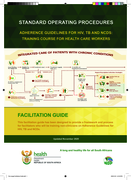
The goal of producing these Standard Operating Procedures (SOPs) was therefore targeted at fostering standardization across all levels of care to ensure HIV viral load monitoring remains a basic right offered to all people living with HIV (PLHIV) on lifelong antiretroviral therapy (ART) regardless o
...
f their location and place where they are accessing care.
These SOPs are designed to provide practical information to healthcare providers. They must be considered as supplementary and secondary to all guidelines issued by the MOH, including the Malawi Clinical Management of HIV in Children and Adults Guidelines and the Malawi HIV Testing Services (HTS) Guidelines.
more
Internal Document