
Filter
1982
Text search:
gender
inclusive
development
Featured
Recommendations
148
New Publications
512
Language
Document type
No document type
1096
Studies & Reports
384
Guidelines
187
Strategic & Response Plan
138
Manuals
94
Training Material
26
Situation Updates
22
Fact sheets
21
Infographics
5
Resource Platforms
4
Brochures
1
App
1
Online Courses
1
Countries / Regions
Global
113
Myanmar / Burma
67
India
55
Kenya
51
Nepal
49
Uganda
48
South Africa
43
Syria
39
Ethiopia
36
Malawi
36
Bangladesh
35
Zambia
33
Latin America and the Carribbean
30
Sierra Leone
29
Liberia
29
Western and Central Europe
28
Rwanda
26
South Sudan
25
Namibia
25
Africa
24
Nigeria
21
Tanzania
19
Ghana
18
Mozambique
18
Ukraine
18
Lesotho
17
Cambodia
16
Asia
16
Congo, Democratic Republic of
15
Philippines
15
Jordan
15
Indonesia
14
South–East Asia Region
14
Lebanon
13
Senegal
12
East and Southern Africa
12
Vietnam
12
Yemen
11
Guinea
10
Zimbabwe
10
Haiti
8
Afghanistan
8
Central African Republic
8
West and Central Africa
8
Middle East and North Africa
8
Venezuela
8
Burkina Faso
7
Pakistan
7
Botswana
7
Eastern Europe and Central Asia
7
Somalia
6
Iraq
6
Thailand
6
Brazil
6
Laos
6
Moldova
6
Cameroon
5
Germany
5
Turkey
5
China
5
Colombia
5
Western Pacific Region
5
Palestine
5
Russia
5
Eswatini/ Swaziland
4
Sri Lanka
4
Eastern Europe
4
Papua New Guinea
3
Peru
3
Paraguay
3
Poland
3
Timor Leste/ East Timor
3
Tajikistan
3
Romania
3
Iran
3
Turkmenistan
3
Niger
2
Egypt
2
Malaysia
2
Sudan
2
Serbia
2
Hungary
2
Burundi
2
Libya
2
Mexico
2
Albania
2
United Kingdom
2
Mali
1
USA
1
Togo
1
Singapore
1
Argentina
1
Croatia
1
Ecuador
1
Guatemala
1
Chile
1
Fiji
1
Armenia
1
Canada
1
Bulgaria
1
Slovakia
1
Uzbekistan
1
Kyrgyzstan
1
Kazakhstan
1
Georgia
1
North America
1
Japan
1
Mauritius
1
Portugal
1
Spain
1
Azerbaijan
1
Belarus
1
Bosnia and Herzegovina
1
Authors & Publishers
Publication Years
Category
Countries
756
Key Resources
160
Public Health
118
Women & Child Health
93
Clinical Guidelines
54
Capacity Building
25
Toolboxes
Disability
325
HIV
179
COVID-19
173
Mental Health
106
Planetary Health
101
Conflict
98
Global Health Education
59
Refugee
55
Natural Hazards
37
NTDs
32
Health Financing Toolbox
32
Caregiver
29
TB
28
Ebola & Marburg
26
NCDs
18
2.0 Rapid Response
16
Rapid Response
14
Malaria
13
AMR
9
Social Ethics
9
Polio
4
Zika
4
Cholera
3
Specific Hazards
3
Pharmacy
2
South Sudan
1
Typhoon
1
National Guidelines for HIV & AIDS Care and Treatment (5th Edition)
Children expressed the need for organisations to
support in the delivery of services such as health and
sanitation. The children also emphasized that schools
and the child-friendly spaces (CFSs) were effective
and important spaces to provide them with what they
need.

Lateral-flow rapid diagnostic tests (RDTs) continue to play a vital role in global health in the management and diagnosis of infectious diseases, including malaria, HIV and COVID-19. Visually interpreted RDTs, more than any other class of diagnostics, fulfil WHO’s ASSURED criteria,1 enabling their
...

India contributes to 16% of the global maternal deaths and around 27% of global newborn deaths. Reducing the burden of maternal and newborn mortality and morbidity in urban poor settings today requires an expansion of effective Maternal and Newborn Health (MNH) care services and lowering the barrier
...

This tool offers practical advice on implementing HIV and STI programmes for and with sex workers. It is based on the recommendations in the guidance document on Prevention and treatment of HIV and other sexually transmitted infections for sex workers in low- and middle-income countries published in
...

WHO‘s Global Strategy to Accelerate the Elimination of Cervical Cancer, launched today, outlines three key steps: vaccination, screening and treatment. Successful implementation of all three could reduce more than 40% of new cases of the disease and 5 million related deaths by 2050.
Developmental disorders
Chapter C.2
2014 Edition
Mapping Report - Ireland.
Event-based surveillance (EBS) is defined as the organized collection, monitoring, assessment and interpretation of mainly unstructured ad hoc information regarding health events or risks, which may represent an acute risk to health. Both indicator-based and event-based surveillance components serve
...
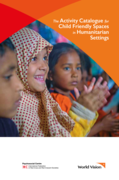
The Toolkit for Child Friendly Spaces in Humanitarian Settings was developed by
the International Federation of the Red Cross and Red Crescent Societies Reference
Centre for Psychosocial Support and World Vision International. The toolkit provides
a set of materials to assist managers and facilit
...
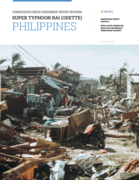
Eight years after Super Typhoon Haiyan, the most destructive storm to ever hit the Philippines, Super Typhoon Rai brought similar torrential rains, violent winds, mudslides, floods and storm surges to central parts of the Philippines, leaving a wide path of destruction and debris in its wake. While
...

This thematic brief accompanies the Working for Health 2022–2030 Action Plan, serving as a background and rationale to the related actions of the Working for Health progression model (see Annex). The brief aims to inform Member States, nonstate actors and other users of the Action Plan on the con
...
This is the Technical Annex for the BRACED report: Measuring changes in household resilience as a result of BRACED activities in Myanmar.
Areas for action include: increasing prioritisation and awareness of dementia; reducing the risk of dementia; diagnosis, treatment and care; support for dementia carers; strengthening information systems for dementia; and research and innovation.

The key actions, activities, and approaches in this document are organized within each of the 5Cs (see Table 1 in the PDF) and those of the Strategic preparedness and response plan (SPRP) pillars as follows:
National action plan key activities, prioritized for the current context and the current
...

Toolkit regarding Zika Virus
Female genital mutilation is a harmful traditional practice that violates girls’ right to health
and overall well-being. Most research cites social acceptance, marriageability, community
belonging, proof of virginity, curbing promiscuity, hygiene, and religion as motivations for the
practice. I
...
