
Filter
1949
Text search:
video
Featured
164
362
Language
Document type
773
374
218
200
122
88
52
39
24
23
18
11
7
Countries
105
103
59
51
44
35
33
32
28
28
27
26
23
23
22
19
19
19
18
18
18
18
17
16
15
14
14
13
13
12
12
11
11
11
10
10
10
10
10
10
9
9
9
8
8
8
8
8
7
7
6
6
5
5
5
5
5
5
4
4
4
4
4
4
3
3
3
3
3
3
3
2
2
2
2
2
2
2
2
2
2
2
2
2
2
2
2
2
1
1
1
1
1
1
1
1
1
1
1
1
1
1
1
1
1
1
1
1
1
1
1
1
1
1
1
1
1
1
1
1
1
1
Authors & Publishers
Publication Years
Category
577
152
111
102
90
75
7
2
Toolboxes
386
229
106
105
90
78
63
55
54
46
45
35
33
30
29
28
21
17
17
15
13
12
9
4
3
1
Download Kiswahili or English frequently asked questions about PrEP.
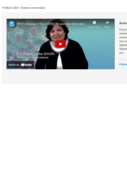
If you have been wondering when you would receive your vaccine? Why you should get vaccinated and are concerned about what your are hearing about side effects, this episode of Science with 5 with WHO’s Chief Scientist Dr Soumya Swaminathan is for you.

Learn what scientists look for in the different phases of a clinical trial for a vaccine. What does it mean when a vaccine trial is halted due to an adverse event? WHO’s Dr Kate O’Brien explains in Science in 5 this week
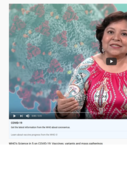
How much protection does the current batch of COVID-19 vaccines provide us? Would you need a booster shot for new variants? What does science and evidence tell us about mass gatherings and the spread of COVID-19?
WHO’s Chief Scientist Dr Soumya Swaminathan explains in Science in 5 this week.

If you have the choice of more than one vaccine and are wondering which one to take and how to assess the risk of side effects, this episode of Science in 5 with WHO’s Dr Katherine O’Brien is for you.

If you have COVID-19 and are caring for someone or yourself at home, what is the treatment protocol? What is WHO’s guidance on Remdesivir and convalescent plasma therapy? How to monitor oxygen at home and what are the red flags when you should call the doctor? WHO’s Dr Janet Diaz explains in Sci
...

What are the variants circulating at this time? How are variants classified as variants of interest or concern? What does this mean for the public? Dr Maria Van Kerkhove explains in Science in 5 this week.

How does SARS-CoV-2 , the virus that causes COVID-19 , spread from one person to another? How can you keep yourself safe indoors and outdoors? WHO’s Dr Oliver Morgan explains in Science in 5.

What is the guidance for vaccination of women with breastfeeding infants, women who are pregnant or planning to get pregnant and women who are menstruating? What about vaccines and fertility? WHO’s Dr Soumya Swaminathan explains in Science in 5.
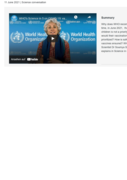
Why does WHO recommend at this time, in June 2021, that vaccinating children is not a priority? When would their vaccination be prioritized? How is safety of these vaccines ensured? WHO’s Chief Scientist Dr Soumya Swaminathan explains in Science in 5.
We bring care to life. Engaging, crystal clear, short, and practical, our videos enable learners of all levels to easily understand, and remember critical teaching points.
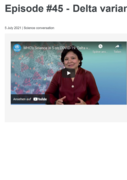
What do we know about the Delta variant so far? How can we assess our risk? What strategies should we apply to protect ourselves whether we are in a low vaccination or high vaccination setting? WHO’s Dr Maria Van Kerkhove explains in Science in 5.

If you are living with diabetes, what is the risk that COVID-19 poses to you and how can you stay safe and healthy during the pandemic?
WHO’s Dr. Gojka Roglic explains in Science in 5.

Do the current batch of approved vaccines protect us from the Delta variant? What is the level of protection? If you can still get infected even after being fully vaccinated, then why should we vaccinate? WHO’s Chief Scientist Dr Soumya Swaminathan explains in Science in 5.
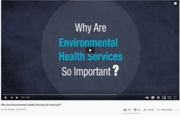
How does environmental health services work with epidemiology and laboratory professionals to protect public health? Learn how environmental health services answer how and why a disease occurs, recommend actions to stop outbreaks and prevent future ones, and shield hosts from harmful agents through
...
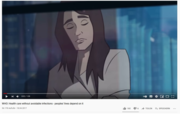
No health system can claim to be free of avoidable infections. These avoidable infections, acquired through health care practices, affect patients, their families and health workers, in many different ways.
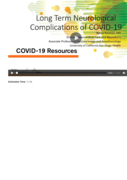
This resource details the long term neurolgical complication seen in COVID-19 patients.
This is SCCM curated COVID-19 microlearning content.
La mise à disposition des vaccins, des tests et des médicaments disponibles peut prendre longtemps, même en cas d’urgence sanitaire comme la COVID-19. En vue de garantir à tous un accès rapide à ces produits, l’OMS a mis au point un protocole d’utilisation d’urgence, le protocole EUL.
...
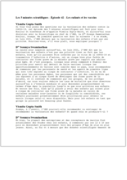
Transcript Francais

