
Filter
6297
Text search:
national
standards
Featured
623
1789
Language
5768
436
126
98
77
53
41
33
9
9
7
7
7
7
6
6
6
6
5
5
5
4
4
4
4
4
4
4
4
3
3
3
3
3
3
2
2
2
2
2
2
2
2
2
2
2
2
2
1
1
1
1
1
1
1
1
1
1
1
1
1
1
Document type
3283
1027
943
414
325
113
112
44
11
10
9
2
1
1
Countries
266
232
193
141
133
130
123
122
120
113
111
110
97
92
90
87
82
79
78
74
68
60
59
56
54
52
47
47
42
42
42
41
41
40
37
35
35
31
30
30
28
28
27
26
25
22
22
19
19
18
18
18
18
17
16
15
14
13
12
12
12
12
12
11
10
10
10
9
9
8
7
7
7
7
7
6
6
6
6
5
5
5
5
5
5
5
5
4
4
4
4
4
4
4
4
4
3
3
3
3
3
3
3
3
3
3
3
3
2
2
2
2
2
2
2
2
2
2
2
2
2
2
2
2
2
2
2
2
1
1
1
1
1
1
1
1
1
1
1
1
1
1
1
1
1
1
1
Authors & Publishers
872
252
166
163
163
130
100
96
69
50
50
40
36
32
31
27
27
26
25
25
25
25
24
23
23
22
22
22
22
21
21
20
20
20
20
20
20
20
19
19
19
19
18
17
17
16
16
16
15
14
14
14
14
13
13
13
13
13
13
13
12
12
12
12
11
11
11
11
11
11
11
11
11
10
10
10
10
10
10
10
10
10
10
10
10
9
9
9
9
9
9
9
9
9
9
9
9
8
8
8
8
8
8
8
8
8
8
8
8
8
8
8
8
8
8
7
7
7
7
7
7
7
7
7
7
7
7
7
7
7
7
7
7
7
7
6
6
6
6
6
6
6
6
6
6
6
6
6
6
6
6
6
6
6
6
5
5
5
5
5
5
5
5
5
5
5
5
5
5
5
5
5
5
5
5
5
5
5
5
5
5
5
5
5
5
5
5
5
5
5
5
4
4
4
4
4
4
4
4
4
4
4
4
4
4
4
4
4
4
4
4
4
4
4
4
4
4
4
4
4
4
4
4
4
4
4
4
4
4
4
4
4
4
4
4
4
4
4
4
4
4
4
4
4
4
4
4
4
4
4
4
4
4
4
4
4
4
4
3
3
3
3
3
3
3
3
3
3
3
3
3
3
3
3
3
3
3
3
3
3
3
3
3
3
3
3
3
3
3
3
3
3
3
3
3
3
3
3
3
3
3
3
3
3
3
3
3
3
3
3
3
3
3
3
3
3
3
3
3
3
3
3
3
3
3
3
3
3
3
3
3
3
3
3
3
3
3
3
3
3
3
3
3
3
3
3
3
3
3
3
3
3
3
3
3
3
3
3
3
3
3
3
3
3
3
3
3
3
3
3
3
3
3
3
3
3
3
3
3
3
3
3
3
2
2
2
2
2
2
2
2
2
2
2
2
2
2
2
2
2
2
2
2
2
2
2
2
2
2
2
2
2
2
2
2
2
2
2
2
2
2
2
2
2
2
2
2
2
2
2
2
2
2
2
2
2
2
2
2
2
2
2
2
2
2
2
2
2
2
2
2
2
2
2
2
2
2
2
2
2
2
2
2
2
2
2
2
2
2
2
2
2
2
2
2
2
2
2
2
2
2
2
2
2
2
2
2
2
2
2
2
2
2
2
2
2
2
2
2
2
2
2
2
2
2
2
2
2
2
2
2
2
2
2
2
2
2
2
2
2
2
2
2
2
2
2
2
2
2
2
2
2
2
2
2
2
2
2
2
2
2
2
2
2
2
2
2
2
2
2
2
2
2
2
2
2
2
2
2
2
2
2
2
2
2
2
2
2
2
2
2
2
2
2
2
2
2
2
2
2
2
2
2
2
2
2
2
2
2
2
2
2
2
2
2
2
2
2
2
2
2
2
2
2
2
2
2
2
2
2
2
2
2
2
2
2
2
2
2
2
2
2
2
2
2
2
2
2
2
2
2
2
2
2
2
2
2
2
2
2
2
2
2
2
2
2
2
2
2
2
2
2
2
2
2
2
2
2
2
2
2
2
2
2
2
2
2
2
2
2
2
2
2
2
2
2
2
2
2
2
2
2
2
2
2
2
2
2
2
2
1
1
1
1
1
1
1
1
1
1
1
1
1
1
1
1
1
1
1
1
1
1
1
1
1
1
1
1
1
1
1
1
1
1
1
1
1
1
1
1
1
1
1
1
1
1
1
1
1
1
1
1
1
1
1
1
1
1
1
1
1
1
1
1
1
1
1
1
1
1
1
1
1
1
1
1
1
1
1
1
1
1
1
1
1
1
1
1
1
1
1
1
1
1
1
1
1
1
1
1
1
1
1
1
1
1
1
1
1
1
1
1
1
1
1
1
1
1
1
1
1
1
1
1
1
1
1
1
1
1
1
1
1
1
1
1
1
1
1
1
1
1
1
1
1
1
1
1
1
1
1
1
1
1
1
1
1
1
1
1
1
1
1
1
1
1
1
1
1
1
1
1
1
1
1
1
1
1
1
1
1
1
1
1
1
1
1
1
1
1
1
1
1
1
1
1
1
1
1
1
1
1
1
1
1
1
1
1
1
1
1
1
1
1
1
1
1
1
1
1
1
1
1
1
1
1
1
1
1
1
1
1
1
1
1
1
1
1
1
1
1
1
1
1
1
1
1
1
1
1
1
1
1
1
1
1
1
1
1
1
1
1
1
1
1
1
1
1
1
1
1
1
1
1
1
1
1
1
1
1
1
1
1
1
1
1
1
1
1
1
1
1
1
1
1
1
1
1
1
1
1
1
1
1
1
1
1
1
1
1
1
1
1
1
1
1
1
1
1
1
1
1
1
1
1
1
1
1
1
1
1
1
1
1
1
1
1
1
1
1
1
1
1
1
1
1
1
1
1
1
1
1
1
1
1
1
1
1
1
1
1
1
1
1
1
1
1
1
1
1
1
1
1
1
1
1
1
1
1
1
1
1
1
1
1
1
1
1
1
1
1
1
1
1
1
1
1
1
1
1
1
1
1
1
1
1
1
1
1
1
1
1
1
1
1
1
1
1
1
1
1
1
1
1
1
1
1
1
1
1
1
1
1
1
1
1
1
1
1
1
1
1
1
1
1
1
1
1
1
1
1
1
1
1
1
1
1
1
1
1
1
1
1
1
1
1
1
1
1
1
1
1
1
1
1
1
1
1
1
1
1
1
1
1
1
1
1
1
1
1
1
1
1
1
1
1
1
1
1
1
1
1
1
1
1
1
1
1
1
1
1
1
1
1
1
1
1
1
1
1
1
1
1
1
1
1
1
1
1
1
1
1
1
1
1
1
1
1
1
1
1
1
1
1
1
1
1
1
1
1
1
1
1
1
1
1
1
1
1
1
1
1
1
1
1
1
1
1
1
1
1
1
1
1
1
1
1
1
1
1
1
1
1
1
1
1
1
1
1
1
1
1
1
1
1
1
1
1
1
1
1
1
1
1
1
1
1
1
1
1
1
1
1
1
1
1
1
1
1
1
1
1
1
1
1
1
1
1
1
1
1
1
1
1
1
1
1
1
1
1
1
1
1
1
1
1
1
1
1
1
1
1
1
1
1
1
1
1
1
1
1
1
1
1
1
1
1
1
1
1
1
1
1
1
1
1
1
1
1
1
1
1
1
1
1
1
1
1
1
1
1
1
1
1
1
1
1
1
1
1
1
1
1
1
1
1
1
1
1
1
1
1
1
1
1
1
1
1
1
1
1
1
1
1
1
1
1
1
1
1
1
1
1
1
1
1
1
1
1
1
1
1
1
1
1
1
1
1
1
1
1
1
1
1
1
1
1
1
1
1
1
1
1
1
1
1
1
1
1
1
1
1
1
1
1
1
1
1
1
1
1
1
1
1
1
1
1
1
1
1
1
1
1
1
1
1
1
1
1
1
1
1
1
1
1
1
1
1
1
1
1
1
1
1
1
1
1
1
1
1
1
1
1
1
1
1
1
1
1
1
1
1
1
1
1
1
1
1
1
1
1
1
1
1
1
1
1
1
1
1
1
1
1
1
1
1
1
1
1
1
1
1
1
1
1
1
1
1
1
1
1
1
1
1
1
1
1
1
1
1
1
1
1
1
1
1
1
1
1
1
1
1
1
1
1
1
1
1
1
1
1
1
1
1
1
1
1
1
1
1
1
1
1
1
1
1
1
1
1
1
1
1
1
1
1
1
1
1
1
1
1
1
1
1
1
1
1
1
1
1
1
1
1
1
1
1
1
1
1
1
1
1
1
1
1
1
1
1
1
1
1
1
1
1
1
1
1
1
1
1
1
1
1
1
1
1
1
1
1
1
1
1
1
1
1
1
1
1
1
1
1
1
1
1
1
1
1
1
1
1
1
1
1
1
1
1
1
1
1
1
1
1
1
1
1
1
1
1
1
1
1
1
1
1
1
1
1
1
1
1
1
1
1
1
1
1
1
1
1
1
1
1
1
1
1
1
1
1
1
1
1
1
1
1
1
1
1
1
1
1
1
1
1
1
1
1
1
1
1
1
1
1
1
1
1
1
1
1
1
1
1
1
1
1
1
1
1
1
1
1
1
1
1
1
1
1
1
1
1
1
1
1
1
1
1
1
1
1
1
1
1
1
1
1
1
1
1
1
1
1
1
1
1
1
1
1
1
1
1
1
1
1
1
1
1
1
1
1
1
1
1
1
1
1
1
1
1
1
1
1
1
1
1
1
1
1
1
1
1
1
1
1
1
1
1
1
1
1
1
1
1
1
1
1
1
1
1
1
1
1
1
1
1
1
1
1
1
1
1
1
1
1
1
1
1
1
1
1
1
1
1
1
1
1
1
1
1
1
1
1
1
1
1
1
1
1
1
1
1
1
1
1
1
1
1
1
1
1
1
1
1
1
1
1
1
1
1
1
1
1
1
1
1
1
1
1
1
1
1
1
1
1
1
1
1
1
1
1
1
1
1
1
1
1
1
1
1
1
1
1
1
1
1
1
1
1
1
1
1
1
1
1
1
1
1
1
1
1
1
1
1
1
1
1
1
1
1
1
1
1
1
1
1
1
1
1
1
1
1
1
1
1
1
1
1
1
1
1
1
1
1
1
1
1
1
1
1
1
1
1
1
1
1
1
1
1
1
1
1
1
1
1
1
1
1
1
1
1
1
1
1
1
1
1
1
1
1
1
1
1
1
1
1
1
1
1
1
1
1
1
1
1
1
1
1
1
1
1
1
1
1
1
1
1
1
1
1
1
1
1
1
1
1
1
1
1
1
1
1
1
1
1
1
1
1
1
1
1
1
1
1
1
1
1
1
1
1
1
1
1
1
1
1
1
1
1
1
1
1
1
1
1
1
1
1
1
1
1
1
1
1
1
1
1
1
1
1
1
1
1
1
1
1
1
1
1
1
1
1
1
1
1
1
1
1
1
1
1
1
1
1
1
1
1
1
1
1
1
1
1
1
1
1
1
1
1
1
1
1
1
1
1
1
1
1
1
1
1
1
1
1
1
1
1
1
1
1
1
1
1
1
1
1
1
1
1
1
1
1
1
1
1
1
1
1
1
1
1
1
1
1
1
1
1
1
1
1
1
1
1
1
1
1
1
1
1
1
1
1
1
1
1
1
1
1
1
1
1
1
1
1
1
1
1
1
1
1
1
1
1
1
1
1
1
1
1
1
1
1
1
1
1
1
1
1
1
1
1
1
1
1
1
1
1
1
1
1
1
1
1
1
1
1
1
1
1
1
1
1
1
1
1
1
1
1
1
1
1
1
1
1
1
1
1
1
1
1
1
1
1
1
1
1
1
1
1
1
1
1
1
1
1
1
1
1
1
1
1
1
1
1
1
1
1
1
1
1
1
1
1
1
1
1
1
1
1
1
1
1
1
1
1
1
1
1
1
1
1
1
1
1
1
1
1
1
1
1
1
1
1
1
1
1
1
1
1
1
1
1
1
1
1
1
1
1
1
1
1
1
1
1
1
1
1
1
1
1
1
1
1
1
1
1
1
1
1
1
1
1
1
1
1
1
1
1
1
1
1
1
1
1
1
1
1
1
1
1
1
1
1
1
1
1
1
1
1
1
1
1
1
1
1
1
1
1
1
1
1
1
1
1
1
1
1
1
1
1
1
1
1
1
1
1
1
1
1
1
1
1
1
1
1
1
1
1
1
1
1
1
1
1
1
1
1
1
1
1
1
1
1
1
1
1
1
1
1
1
1
1
1
1
1
1
1
1
1
1
1
1
1
1
1
1
1
1
1
1
1
1
1
1
1
1
1
1
1
1
1
1
1
1
1
1
1
1
1
1
1
1
1
1
1
1
1
1
1
1
1
1
1
1
1
1
1
1
1
1
1
1
1
1
1
1
1
1
1
1
1
1
1
1
1
1
1
1
1
1
1
1
1
1
1
1
1
1
1
1
1
1
1
1
1
1
1
1
1
1
1
1
1
1
1
1
1
1
1
1
1
1
1
1
1
1
1
1
1
1
1
1
1
1
1
1
1
1
1
1
1
1
1
1
1
1
1
1
1
1
1
1
1
1
1
1
1
1
1
1
1
1
1
1
1
1
1
1
1
1
1
1
1
1
1
1
1
1
1
1
1
1
1
1
1
1
1
1
1
1
1
1
1
1
1
1
1
1
1
1
1
1
1
1
1
1
1
1
1
1
1
1
1
1
1
1
1
1
1
1
1
1
1
1
1
1
1
1
1
1
1
1
1
1
1
1
1
1
1
1
1
1
1
1
1
1
1
1
1
1
1
1
1
1
1
1
1
1
1
1
1
1
1
1
1
1
1
1
1
1
1
1
1
1
1
1
1
1
1
1
1
1
1
1
1
1
1
1
1
1
1
1
1
1
1
1
1
1
1
1
1
1
1
1
1
1
1
1
1
1
1
1
1
1
1
1
1
1
1
1
1
1
1
1
1
1
1
1
1
1
1
1
1
1
1
1
1
1
1
1
1
1
1
1
1
1
1
1
1
1
1
1
1
1
1
1
1
1
1
1
1
1
1
1
1
1
1
1
1
1
1
1
1
1
1
1
1
1
1
1
1
1
1
1
1
1
1
1
1
1
1
1
1
1
1
1
1
1
1
1
1
1
1
1
1
1
1
1
1
1
1
1
1
1
1
1
1
1
1
1
1
1
1
1
1
1
1
1
1
1
1
1
1
1
1
1
1
1
1
1
1
1
1
1
1
1
1
1
1
1
1
1
1
1
1
1
1
1
1
1
1
1
1
1
1
1
1
1
1
1
1
1
1
1
1
1
1
1
1
1
1
1
1
1
1
1
1
1
1
1
1
1
1
1
1
1
1
1
1
1
1
1
1
1
1
1
1
1
1
1
1
1
1
1
1
1
1
1
1
1
1
1
1
1
1
1
1
1
1
1
1
1
1
1
1
1
1
1
1
1
1
1
1
1
1
1
1
1
1
1
1
1
1
1
1
1
1
1
1
1
1
1
1
1
1
1
1
1
1
1
1
1
1
1
1
1
1
1
1
1
1
1
1
1
1
1
1
1
1
1
1
1
1
1
1
1
1
1
1
1
1
1
1
1
1
1
1
1
1
1
1
1
1
1
1
1
1
1
1
1
1
1
1
1
1
1
1
1
1
1
1
1
1
1
1
1
1
1
1
1
1
1
1
1
1
1
1
1
1
1
1
1
1
1
1
1
1
1
1
1
1
1
1
1
1
1
1
1
1
1
1
1
1
1
1
1
1
1
1
1
1
1
1
1
1
1
1
1
1
1
1
1
1
1
1
1
1
1
1
1
1
1
1
1
1
1
1
1
1
1
1
1
1
1
1
1
1
1
1
1
1
1
1
1
1
1
1
1
1
1
1
1
1
1
1
1
1
1
1
1
1
1
1
1
1
1
1
1
1
1
1
1
1
1
1
1
1
1
1
1
1
1
1
1
1
1
1
1
1
1
1
1
1
1
1
1
1
1
1
1
1
1
1
1
1
1
1
1
1
1
1
1
1
1
1
1
1
1
1
1
1
1
1
1
1
1
1
1
1
1
1
1
1
1
1
1
1
1
1
1
1
1
1
1
1
1
1
1
1
1
1
1
1
1
1
1
1
1
1
1
1
1
1
1
1
1
1
1
1
1
1
1
1
1
1
1
1
1
1
1
1
1
1
1
1
1
1
1
1
1
1
1
1
1
1
1
1
1
1
1
1
1
1
1
1
1
1
1
1
1
1
1
1
1
1
1
1
1
1
1
1
1
1
1
1
1
1
1
1
1
1
1
1
1
1
1
1
1
1
1
1
1
1
1
1
1
1
1
1
1
1
1
1
1
1
1
1
1
1
1
1
1
1
1
1
1
1
1
1
1
1
1
1
1
1
1
1
1
1
1
1
1
1
1
1
1
1
1
1
1
1
1
1
1
1
1
1
1
1
1
1
1
1
1
1
1
1
1
1
1
1
1
1
1
1
1
1
1
1
1
1
1
1
1
1
1
1
1
1
1
1
1
1
1
1
1
1
1
1
1
1
1
1
1
1
1
1
1
1
1
1
1
1
1
1
1
1
1
1
1
1
1
1
1
1
1
1
1
1
1
1
1
1
1
1
1
1
1
1
1
1
1
1
1
1
1
1
1
1
1
1
1
1
1
1
1
1
1
1
1
1
1
1
1
1
1
1
1
1
1
1
1
1
1
1
1
1
1
1
1
1
1
1
1
1
1
1
1
1
1
1
1
1
1
1
1
1
1
1
1
1
1
1
1
1
1
1
1
1
1
1
1
1
1
1
1
1
1
1
1
1
1
1
1
1
1
1
1
1
1
1
1
1
1
1
1
1
1
1
1
1
1
1
1
1
1
1
1
1
1
1
1
1
1
1
1
1
1
1
1
1
1
1
1
1
1
1
1
1
1
1
1
1
1
1
1
1
1
1
1
1
1
1
1
1
1
1
1
1
1
1
1
1
1
1
1
1
1
1
1
1
1
1
1
1
1
1
1
1
1
1
1
1
1
1
1
1
1
1
1
1
1
1
1
1
1
1
1
1
1
1
1
1
1
1
1
1
1
1
1
1
1
1
1
1
1
1
1
1
1
1
1
1
1
1
1
1
1
1
1
1
1
1
1
1
1
1
1
1
1
1
1
1
1
1
1
1
1
1
1
1
1
1
1
1
1
1
1
1
1
1
1
1
1
1
1
1
1
1
1
1
1
1
1
1
1
1
1
1
1
1
1
1
1
1
1
1
1
1
1
1
1
1
1
1
1
1
1
1
1
1
1
1
1
1
1
1
1
1
1
1
1
1
1
1
1
1
1
1
1
1
1
1
1
1
1
1
1
1
1
1
1
1
1
1
1
1
1
1
1
1
1
1
1
1
1
1
1
1
1
1
1
1
1
1
1
1
1
1
1
1
1
1
1
1
1
1
1
1
1
1
1
1
1
1
1
1
1
1
1
1
1
1
1
1
1
1
1
1
1
1
1
1
1
1
1
1
1
1
1
1
1
1
1
1
1
1
1
1
1
1
1
1
1
1
1
1
1
1
1
1
1
1
1
1
1
1
1
1
1
1
1
1
1
1
1
1
1
1
1
1
1
1
1
1
1
1
1
1
1
1
1
1
1
1
1
1
1
1
1
1
1
1
1
1
1
1
1
1
1
1
1
1
1
1
1
1
1
1
1
1
1
1
1
1
1
1
1
1
1
1
1
1
1
1
1
1
1
1
1
1
1
1
1
1
1
1
1
1
1
1
1
1
1
1
1
1
1
1
1
1
1
1
1
1
1
1
1
1
1
1
1
1
1
1
1
1
1
1
1
1
1
1
1
1
1
1
1
1
1
1
1
1
1
1
1
1
1
1
1
1
1
1
1
1
1
1
1
1
1
1
1
1
1
1
1
1
1
1
1
1
1
1
1
1
1
1
1
1
1
1
1
1
1
1
1
1
1
1
1
1
1
1
1
1
1
1
1
1
1
1
1
1
1
1
1
1
1
1
1
1
1
1
1
1
1
1
1
1
1
1
1
1
1
1
1
1
1
1
1
1
1
1
1
1
1
1
1
1
1
1
1
1
1
1
1
1
1
1
1
1
1
1
1
1
1
1
1
1
1
1
1
1
1
1
1
1
1
1
1
1
1
1
1
1
1
1
1
1
1
1
1
1
1
1
1
1
1
1
1
1
1
1
1
1
1
1
1
1
1
1
1
1
1
1
1
1
1
1
1
1
1
1
1
1
1
1
1
1
1
1
1
1
1
1
1
1
1
1
1
1
1
1
1
1
1
1
1
1
1
1
1
1
1
1
1
1
1
1
1
1
1
1
1
1
1
1
1
1
1
1
1
1
1
1
1
1
1
1
1
1
1
1
1
1
1
1
1
1
1
1
1
1
1
1
1
1
1
1
1
1
1
1
1
1
1
1
1
1
1
1
1
1
1
1
1
1
1
1
1
1
1
1
1
1
1
1
1
1
1
1
1
1
1
1
1
1
1
1
1
1
1
1
1
1
1
1
1
1
1
1
1
Publication Years
1
1834
3873
553
32
2
1
1
Category
2505
530
416
381
323
105
85
1
Toolboxes
435
396
300
284
254
236
210
210
176
166
159
145
142
128
102
100
98
95
60
60
51
41
36
33
29
5
The Atlas of Palliative Care in the Eastern Mediterranean Region is the first systematic attempt to assess the status of resources, activities, and needs of palliative care in the region. It provides a comparative picture of the current state of palliative care in simple and clear graphics, utilisin
...
g texts, tables, figures and maps that reproduce information given by national palliative care leaders in the Eastern Mediterranean. This information is essential for the appropriate planning of the development of palliative care for this region.
more

Cancer in sub-Saharan Africa
recommended
Lancet Oncol 2022; 23: e251–312Published OnlineMay 9, 2022 https://doi.org/10.1016/S1470-2045(21)00720-8
In sub-Saharan Africa (SSA), urgent action is needed to curb a growing crisis in cancer incidence and mortality.
Without rapid interventions, data estimates show a major increase in cancer mo
...
rtality from 520 348 in 2020 to about
1 million deaths per year by 2030. Here, we detail the state of cancer in SSA, recommend key actions on the basis of
analysis, and highlight case studies and successful models that can be emulated, adapted, or improved across the
region to reduce the growing cancer crises. Recommended actions begin with the need to develop or update national
cancer control plans in each country. Plans must include childhood cancer plans, managing comorbidities such as
HIV and malnutrition, a reliable and predictable supply of medication, and the provision of psychosocial, supportive,
and palliative care. Plans should also engage traditional, complementary, and alternative medical practices employed
by more than 80% of SSA populations and pathways to reduce missed diagnoses and late referrals. More substantial
investment is needed in developing cancer registries and cancer diagnostics for core cancer tests.
more

The development of the Country Cooperation Strategy (CCS) was based on a consultative and participatory process with strong commitment and support from the Ministry of Health of Ghana. The CCS draws on lessons from the implementation of the first, and second generation CCSs, the country focus strate
...
gy, and the United Nations Sustainable Development Cooperation Framework (2023–2025).
The strategic agenda of the CCS outlines three strategic priorities, which are:
1. improving universal access to essential health services through the primary health care approach.
2. health emergency preparedness and response: addressing gaps in IHR core capacities and strengthening national capacities to prevent, detect and respond appropriately to public health emergencies through a resilient health system.
3. addressing social, economic, and environmental determinants of health; promoting high-impact interventions to address public health risks using multisectoral approaches.
more

TArtificial intelligence (AI) is transforming health systems, reshaping how care is planned, delivered and governed. This report presents the first assessment of AI integration into health systems across the whole of the WHO European Region, based on findings from the 2024–2025 survey on AI for he
...
alth care. It examines national strategies, governance models, legal and ethical frameworks, workforce readiness, data governance, stakeholder engagement, private sector roles and the uptake of AI applications. Drawing on insights from 50 Member States, the report explores how countries are navigating opportunities and challenges, highlighting emerging trends, gaps and practices to guide policy-makers towards coherent, ethical and people-centred approaches to AI in health care.
more

Training Manual
Building on earlier EngenderHealth work in counseling, Counseling for Effective Use of Family Planning responds to an identified gap in existing materials and fills the needs expressed by those in the field. The intended audiences for this curriculum are health care providers, their
...
supervisors, and the managers of the programs in which they work. The counseling skills addressed here are expected to be relevant to the provision of both preventive and curative health services through the workshop participants’ national health systems. Finally, the curriculum’s participatory approach to defining terms and to generating profiles of potential clients is designed to assist trainees in addressing the realities and exploring the reproductive health priorities of their communities in a culturally appropriate manner.
more
This WHO Guidance Note advocates for a comprehensive approach to cervical cancer prevention and control and is aimed at senior policy makers and programme managers. It describes the need to deliver effective interventions across the female life course from childhood through to adulthood. These inclu
...
de community education, social mobilization, HPV vaccination, screening, treatment and palliative care. It outlines the complementary strategies for comprehensive cervical cancer prevention and control, and highlights collaboration across national health programmes (particularly immunization, reproductive health, cancer control and adolescent health), organizations and partners.
more
As part of a wider organisational undertaking to better capture and communicate the effectiveness of its work, Oxfam developed an evaluative method to assess the quality of targeted humanitarian responses. This method uses a global humanitarian indicator tool which is intended to enable Oxfam GB to
...
estimate how many disaster-affected men and women globally have received humanitarian aid that meets establishes standards for excellence. This method was used after the independence of South Sudan, which was followed by political tensions with its neighbour on issues unresolved from the Comprehensive Peace Agreement (CPA) which include border demarcation, wealth-sharing and the fate of the disputed territory of Abyei.
more

Laboratory biosafety manual
recommended
4th edition
The WHO Laboratory Biosafety Manual (LBM) has been in broad use at all levels of clinical and public health laboratories, and other biomedical sectors globally, serving as a de facto global standard that presents best practices and sets trends in biosafety.
LBM encouraged countries t
...
o accept and implement basic concepts in biological safety and to develop national codes of practice for the safe handling of biological agents in laboratories within their geographical borders.
This fourth edition of the manual builds on the risk assessment framework introduced in the third edition. A thorough, evidence-based and transparent assessment of the risks allows safety measures to be balanced with the actual risk of working with biological agents on a case-by-case basis.
This novel evidence- and risk-based approach will allow optimised resource use and sustainable laboratory biosafety and biosecurity policies and practices that are relevant to their individual circumstances and priorities, enabling equitable access to clinical and public health laboratory tests and biomedical research opportunities without compromising safety.
more
In light of the decline in new Ebola cases, strategies are now needed to scale down the activities and bed capacities in Ebola care facilities. These facilities include Ebola treatment units, community care centres, Ebola treatment centres and isolation centres. The Governments of Guinea, Liberia an
...
d Sierra Leone; WHO; CDC; ICAN and UNICEF have jointly developed this rapid guidance and checklist to assist national governments and partners as they begin this process. This rapid guidance pertains to protecting the safety and repurposing of infrastructures and resources previously used for the Ebola outbreak to care for Ebola patients.
more
Situation analysis
Description of the disaster
An Ebola epidemic that started in March 2014 in Guinea has relentlessly continued to claim lives and to spread to other countries in West Africa. The current Ebola outbreak is the largest in history and the first to affect multiple countries simu
...
ltaneously. There have been over 24 000 reported confirmed, probable, and suspected cases of EVD in Guinea, Liberia and Sierra Leone (table 1), with almost 10 000 reported deaths (outcomes for many cases are unknown). A total of 58 new confirmed cases were reported in Guinea, 0 in Liberia, and 58 in Sierra Leone in the 7 days to 8 March (4 days to 5 March for Liberia). Many experts believe that the official numbers substantially understate the size of the outbreak because of families' widespread reluctance to report cases. Because of the fluidity of movement of people between West Africa and several countries in the East African countries, especially Kenya and Ethiopia (who in turn have extensive interaction with other countries in the region in terms of human movement), the risk of an outbreak of Ebola in East Africa is as eminent as in any of the countries bordering the affected countries. The IFRC regional office intends to support National Societies to raise their Ebola preparedness and response capacity through training, technical support in planning and implementation of Ebola related activities, and coordination both within and outside the movement.
more
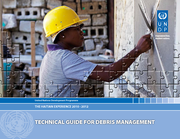
The building damage assessment, conducted between March 2010 and February 2011 by the Government of Haiti and the United Nations system, showed that more than 400,000 buildings were damaged or destroyed, of which approximately 218,000 could be occupied without repairs (green category), 105,000 were
...
damaged but could be repaired (yellow category), and 80,000 were severely damaged and remained uninhabitable (red category).
The destruction of buildings and infrastructure generated a huge amount of debris, estimated at 10 million cubic meters, blocking streets and land in affected areas. In the absence of a national debris management strategy, debris could, thus, be cleared and disposed of in an uncontrolled manner, hindering relief, recovery and reconstruction activities.
more
WHO Medical Devices Donations - FRENCH Version - Les dispositifs médicaux, en particulier, sont indispensables pour la prévention, le diagnostic et le traitement des maladies et la réadaptation des patients. Ces documents s’adressent aux ingénieurs biomédicaux, administrateurs de la santé, b
...
ailleurs de fonds, organisations non gouvernementales et établissements universitaires concernés par les technologies de la santé au niveau du district, national, régional ou mondial.
more
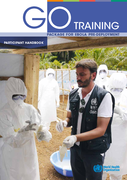
GO pre-deployment training: participant handbook
recommended
This is a pre-deployment training, tailored specially to the Ebola outbreak in West Africa, offered to WHO personnel, consultants, and key partners. The material covered in modules 1-4 is applicable and useful to frontline response workers, national
...
and international. Only Module 5, which focuses on operational aspects - the code of conduct for international civil servants and human resources arrangements for WHO deployees, are specifically geared to all internationally recruited personnel and to WHO deployees respectively
more

This Roadmap is structured around a results-based framework of outcomes, outputs and deliveraebles, to ensure that WHO maintains appropriate levels of organizational readiness, supports country-level capacity building and preparedness, deploys efficiently and effectively to respond to outbreaks and
...
emergencies at national and subnational levels, and engages effectively with partners and stakeholders throughout
more
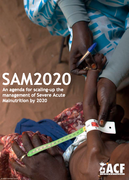
The agenda focuses on six critical changes necessary for more children suffering from SAM to access effective treatment. Building on lessons from the last decade, and the experiences of other successful health initiatives, the agenda addresses issues ranging from the creation of a more enabling envi
...
ronment to stronger mechanisms for tracking progress. It provides a diagnosis of the key challenges in each of these areas to-date and the specific solutions needed to turn things around over the next five years. These solutions require a collective effort at global, regional and national levels. The Agenda lays out Action Against Hunger’s commitments and contributions to these joint efforts
more
This policy brief has been developed in response to the contemporary challenge of antibiotic resistance (ABR). ABR poses a formidable threat to global health and sustainable development. It is now increasingly recognized that the systematic neglect of cultural factors is one of the biggest obs
...
tacles to achieving better health outcomes and better standards of living worldwide. Using a cultural contexts of health approach, the policy brief explores the centrality of culture to the challenge of ABR. The brief examines how the prescription and use of antibacterial medicines, the transmission of resistance, and the regulation and funding of research are influenced by cultural, social and commercial, as well as biological and technological factors. The brief moves beyond the ready equation of culture with individual behaviours and demonstrates how culture serve as an enabler of health and provide new possibilities for change.
more
This document updates the 2009 ECDC guidance on chlamydia control in Europe. It was developed by a technical expert group which conducted a critical review of the scientific evidence on the epidemiology of chlamydia and the effectiveness of screening programmes.
The aim of this guidance is to suppo
...
rt Member States to develop, implement or improve strategies for chlamydia control. This guidance describes the current evidence base behind the proposed options, highlights key gaps in knowledge, and suggests effective options for national chlamydia control strategies. It is directed primarily at policy advisors but should also be useful for programme managers and experts in sexual health.
more

Section One
summarizes UNHCR’s mandate of international protecdtion and the aim and principles of emergency
response;
Section Two
deals with emergency management;
Section Three
covers the vital sectors and problem areas in refugee emergencies, including health, food, sanitation
and water, a
...
s well as key field activities underpinning the operations such as logistics, community
services and registration. The chapters in this section start with a summary so that readers, who
might not need the full level of detail in each of these chapters, can understand the basic principles of
the subject quickly;
Section Four
gives guidance on the support to field operations, primarily administration and staffing;
The Appendices
include a “Toolbox” which gathers, in one location, the standards, indicators and useful references
used throughout the handbook;
more
The WHO laboratory biosecurity guidance follows and complements the revision of the Laboratory biosafety manual, fourth edition and provides principles and measures to prevent lapses and incidents throughout the whole value chain of handling high-consequence biological material, technology and infor
...
mation. The document shares global best practice and covers the biosecurity part of the biological risk management lifecycle, starting from collection, transportation, storage and experiment, and in specific context such as every type of biomedical laboratory, research activities, repository and biobank. It also provides key considerations and best practices for institutional, national and international levels, including regulatory oversight.
more

This document provides additional guidance for the responsible and prudent use of antimicrobials in food-producing animals, and should be read in conjunction with the Recommended International Code of Practice for Control of the Use of Veterinary Drugs CAC/RCP 38-1993. Its obj
...
ectives are to minimize the potential adverse impact on public health resulting from the use of antimicrobial agents in food-producing animals, in particular the development of antimicrobial resistance. It is also important to provide for the safe and effective use of veterinary antimicrobial drugs in veterinary medicine by maintaining their efficacy. This document defines the respective responsibilities of authorities and groups involved in the authorization, production, control, distribution and use of veterinary antimicrobials such as the national regulatory authorities, the veterinary pharmaceutical industry, veterinarians, distributors and producers of food-producing animals.
more
