
Filter
2242
Text search:
education
in
emergencies
Featured
285
600
Language
Document type
1058
406
309
193
150
42
39
22
8
6
6
2
1
Countries
132
79
63
59
55
54
49
48
44
39
38
36
32
31
30
29
24
24
23
22
22
22
22
20
20
18
18
18
15
13
13
12
12
11
11
11
11
11
11
11
11
10
9
9
9
9
9
8
8
7
7
7
7
7
6
6
5
5
4
4
4
4
4
4
3
3
3
3
3
3
2
2
2
2
2
2
2
2
2
2
2
2
2
2
2
2
2
2
2
2
1
1
1
1
1
1
1
1
1
1
1
1
1
1
1
1
1
1
1
1
1
Authors & Publishers
Publication Years
Category
805
296
159
145
127
61
12
1
Toolboxes
268
199
141
98
81
81
77
77
76
65
54
50
36
33
33
29
25
24
23
22
17
16
10
2
1
1
1

Noncommunicable diseases (NCDs) – chief among them, cardiovascular diseases (heart disease and stroke), cancer, diabetes and chronic respiratory diseases – along with mental health, cause nearly three quarters of deaths in the world. Their drive
...

Mpox, previously known as monkeypox, is a viral illness caused by the monkeypox virus (MPXV).1
It causes a painful rash, enlarged lymph nodes, fever, headache, muscle ache, back pain and low energy or feeling sick. In most cases, the symptoms of m
...
This issue brief aims to provide a comprehensive overview of key publications, guidelines, and practical materials on malaria prevention, diagnosis, and treatment. The selected documents reflect current evidence and field-based experiences, supporting healthcare professionals, researchers, and publ
...
A practical guide for hospital administrators, health disaster coordinators, health facility designers, engineers and maintenance staff to achieve Smart Health Facilities by conserving resources, cutting costs, increasing efficiency in operations an
...

March - December 2018
The Government of Bangladesh has kept its borders open to Rohingya refugees and leads the humanitarian response. The people of Bangladesh continue to show tremendous generosity and hospitality in the face of a massive influx.
...

This framework has been developed with the aim of providing standard procedures, assessment and planning tools, and guidance in the delivery of case management services. As Malawi moves forward to build a holistic child protection system, case manag
...
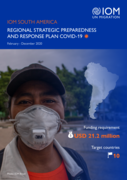
As of 21 May 2020, 4.8 million confirmed cases of Coronavirus disease 2019 (COVID-19) have been reported globally. In South America, COVID-19 was first detected on 26 February 2020, when Brazil confirmed a case
...
The World health statistics report is the annual compilation of health and health-related indicators, which has been published by the World Health Organization since 2005.
The 2025 edition consolidates data for health-related indicators from the Sustainable Development Goals. It assesses progres
...

Addressing comorbidities and risk factors for tuberculosis (TB) is a crucial component of the World Health Organization (WHO)’s End TB Strategy. This WHO operational handbook on tuberculosis. Module 6: tuberculosis and comorbidities aims to support countries
...

This plan, approved by the Organization’s 62nd Directing Council, was shaped by extensive consultations with countries and stakeholders, and commits to transformative health outcomes over the next six years, tackling noncommunicable diseases (NCDs), mental health, health security, fragmented healt
...
The handbook on supply chain management for HIV/AIDS commodities was written to assist program managers to plan and implement day–to-day management of all drugs and medical supplies for an HIV/AIDS program. Many of the suggested techniques described
...
The Sendai Framework for Disaster Risk Reduction 2015-2030 outlines seven clear targets and four priorities for action to prevent new and reduce existing disaster risks: (i) Understanding disaster risk; (ii) Strengthening disaster risk governance to manage disaster risk; (iii) Investing
...

The magnitude and complexity of these mental health conditions caused by prolonged and extensive trauma requires a diagnosis fitting the unique context of the Syrian conflict. Over half a million people have been killed since the beginning of the conflict
...
Climate-related disasters, heatwaves, climate-sensitive diseases, and severe droughts and floods are taking lives and harming health, livelihoods, and ecosystems across the countries of the Caribbean, as in other Small Island Developing States (SIDS
...

WHO Guidance for Climate Resilient and Environmentally Sustainable Health Care Facilities
recommended
The aim of this guidance is to enhance the capacity of health care facilities to protect and improve the health of their target communities in an unstable and changing climate; and to empower health care facilities to be environmentally sustainable,
...
Cognizant of the need for standardization of the response for COVID-19, the Federal Ministry of Health prepared this national guideline in an effort to contain the epidemic before it overwhelms the health care facilities. This national guideli
...

Facts For Life
recommended
Handbook on pregnancy, childbirth, childhood illnesses, child development and the care of children. The handbook, Facts for Life, provides vital messages and information for mothers, fathers, other family members and caregivers and communities to use in
...

The Camp Managment Toolkit
recommended
Applicable to both IDP and refugee scenarios, the Toolkit incorporates a wide range of relevant information on managing displaced populations living in communal settings (collective centres, spontaneous sites, established camps, etc.). Large scale d
...
Guidelines for essential trauma care
recommended
The Guidelines for essential trauma care seek to set achievable standards for trauma treatment services which could realistically be made available to almost every injured person in the world. They then seek to define the resources that would be nec
...

With this World Health Day, WHO is drawing attention to a group of diseases that are spread by insects and other vectors, the heavy health and economic burdens they impose, and what needs to be done to reduce these burdens. Many of these diseases have been historically confined to distinct geographi
...
