Filter
1309
Text search:
World
Health
Organization
(Americas)
Featured
160
282
Language
Document type
509
339
202
85
73
36
22
16
16
4
2
2
1
1
Countries / Regions
152
111
29
17
16
14
12
12
12
9
9
9
8
8
7
7
6
6
6
6
6
6
5
5
5
5
5
5
4
4
4
4
4
4
4
4
4
3
3
3
3
3
3
3
3
3
3
3
3
3
3
3
2
2
2
2
2
2
2
2
2
2
2
1
1
1
1
1
1
1
1
1
1
1
1
1
1
1
1
1
1
1
1
1
1
1
1
1
1
1
1
1
1
1
1
1
1
1
Authors & Publishers
Publication Years
Category
227
166
123
87
70
25
14
1
Toolboxes
142
133
107
92
66
66
52
50
39
38
38
35
32
29
29
22
20
16
14
13
12
12
11
4
3
1
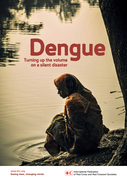
Over the past 50 years, dengue has spread from nine to over a hundred countries, making it the most rapidly spreading vector-borne disease. Yet, dengue continues to have a low profile among policy-makers and donors and does not receive the media attention it deserves. While there is no vaccine or cu
...

ACAPS Briefing Note: Zika virus epidemic

About six to seven million people worldwide, mostly in Latin America, are estimated to be infected with
Trypanosoma cruzi, the parasite that causes Chagas disease (WHO data from 2021). Chagas disease is
found mainly in endemic areas of 21 Latin American countries.

To better adapt current case management practices and address excess mortality in otherwise treatable
cases will require better knowledge of the demographic characteristics of the patients and comorbidities
which can make severe dehydration harder to tolerate physiologically. With this in mind, a
...
This document aims to present an algorithm for deciding whom to test and provide guidance on the laboratory tests for Zika virus infection diagnosis in order to support clinical diagnostic and case reporting through surveillance among EU Member States. The algorithm is not intended for clinical man
...
BMC Medicine201614:112 DOI: 10.1186/s12916-016-0660-0

The Impact of the Zika Outbreak on Women and Girls in Northeastern Brazil
Barriers to Full Realization of Human Rights for Women and Children with Disabilities

Emerging Infectious Diseases • www.cdc.gov/eid • Vol. 19, No. 9, September 2013
Tips for Engaging Communities during COVID-19 in Low-Resource Settings, Remotely and In-Person
recommended
This brief provides key considerations for engaging communities on COVID-19 and tips for how to engage where there are movement restrictions and physical distancing measures in place, particularly in low-resource settings.