
Filter
4068
Text search:
operational
plan
Featured
389
1346
Language
3891
126
88
53
45
21
21
7
5
5
3
2
2
2
1
1
1
1
1
1
1
1
1
1
1
1
Document type
2182
575
553
292
282
65
54
49
5
4
3
2
1
Countries
190
177
135
115
103
103
100
96
87
85
80
76
72
71
68
66
54
53
53
53
48
46
43
42
41
36
35
35
34
33
33
32
29
29
28
26
26
25
25
24
20
19
17
16
15
15
15
14
14
13
13
11
11
10
9
9
9
9
9
8
7
7
7
7
7
6
6
6
6
6
6
5
5
5
5
5
4
4
4
4
4
4
4
4
4
4
4
4
3
3
3
3
3
3
2
2
2
2
2
2
2
2
2
2
2
2
2
2
2
2
2
1
1
1
1
1
1
1
1
1
1
1
1
1
1
1
1
1
1
1
1
1
1
1
1
1
Authors & Publishers
569
149
149
116
91
72
67
45
43
43
42
35
33
26
25
23
22
22
21
20
19
19
18
18
18
18
17
17
17
17
16
16
16
16
15
15
14
14
14
14
13
13
13
12
12
12
12
12
12
12
12
11
11
10
10
10
10
10
10
10
10
10
10
9
9
8
8
8
8
8
8
8
8
8
8
7
7
7
7
7
7
7
7
7
7
7
7
7
7
7
7
7
6
6
6
6
6
6
6
6
6
6
6
6
6
6
6
6
6
6
6
5
5
5
5
5
5
5
5
5
5
5
5
5
5
5
5
5
5
5
5
5
5
5
5
5
4
4
4
4
4
4
4
4
4
4
4
4
4
4
4
4
4
4
4
4
4
4
4
4
4
4
4
4
4
4
4
4
4
4
4
4
4
4
4
4
4
4
4
4
3
3
3
3
3
3
3
3
3
3
3
3
3
3
3
3
3
3
3
3
3
3
3
3
3
3
3
3
3
3
3
3
3
3
3
3
3
3
3
3
3
3
3
3
3
3
3
3
3
3
3
3
3
3
3
3
3
3
3
3
3
3
3
3
3
3
3
3
3
3
3
3
3
3
3
2
2
2
2
2
2
2
2
2
2
2
2
2
2
2
2
2
2
2
2
2
2
2
2
2
2
2
2
2
2
2
2
2
2
2
2
2
2
2
2
2
2
2
2
2
2
2
2
2
2
2
2
2
2
2
2
2
2
2
2
2
2
2
2
2
2
2
2
2
2
2
2
2
2
2
2
2
2
2
2
2
2
2
2
2
2
2
2
2
2
2
2
2
2
2
2
2
2
2
2
2
2
2
2
2
2
2
2
2
2
2
2
2
2
2
2
2
2
2
2
2
2
2
2
2
2
2
2
2
2
2
2
2
2
2
2
2
2
2
2
2
2
2
2
2
2
2
2
2
2
2
2
2
2
2
2
2
2
2
2
2
2
2
2
2
2
2
2
2
2
2
2
2
2
2
2
2
2
2
2
2
2
2
2
2
2
2
2
2
2
2
2
2
2
2
2
2
2
2
2
2
2
2
2
2
2
2
2
2
2
2
2
2
2
2
1
1
1
1
1
1
1
1
1
1
1
1
1
1
1
1
1
1
1
1
1
1
1
1
1
1
1
1
1
1
1
1
1
1
1
1
1
1
1
1
1
1
1
1
1
1
1
1
1
1
1
1
1
1
1
1
1
1
1
1
1
1
1
1
1
1
1
1
1
1
1
1
1
1
1
1
1
1
1
1
1
1
1
1
1
1
1
1
1
1
1
1
1
1
1
1
1
1
1
1
1
1
1
1
1
1
1
1
1
1
1
1
1
1
1
1
1
1
1
1
1
1
1
1
1
1
1
1
1
1
1
1
1
1
1
1
1
1
1
1
1
1
1
1
1
1
1
1
1
1
1
1
1
1
1
1
1
1
1
1
1
1
1
1
1
1
1
1
1
1
1
1
1
1
1
1
1
1
1
1
1
1
1
1
1
1
1
1
1
1
1
1
1
1
1
1
1
1
1
1
1
1
1
1
1
1
1
1
1
1
1
1
1
1
1
1
1
1
1
1
1
1
1
1
1
1
1
1
1
1
1
1
1
1
1
1
1
1
1
1
1
1
1
1
1
1
1
1
1
1
1
1
1
1
1
1
1
1
1
1
1
1
1
1
1
1
1
1
1
1
1
1
1
1
1
1
1
1
1
1
1
1
1
1
1
1
1
1
1
1
1
1
1
1
1
1
1
1
1
1
1
1
1
1
1
1
1
1
1
1
1
1
1
1
1
1
1
1
1
1
1
1
1
1
1
1
1
1
1
1
1
1
1
1
1
1
1
1
1
1
1
1
1
1
1
1
1
1
1
1
1
1
1
1
1
1
1
1
1
1
1
1
1
1
1
1
1
1
1
1
1
1
1
1
1
1
1
1
1
1
1
1
1
1
1
1
1
1
1
1
1
1
1
1
1
1
1
1
1
1
1
1
1
1
1
1
1
1
1
1
1
1
1
1
1
1
1
1
1
1
1
1
1
1
1
1
1
1
1
1
1
1
1
1
1
1
1
1
1
1
1
1
1
1
1
1
1
1
1
1
1
1
1
1
1
1
1
1
1
1
1
1
1
1
1
1
1
1
1
1
1
1
1
1
1
1
1
1
1
1
1
1
1
1
1
1
1
1
1
1
1
1
1
1
1
1
1
1
1
1
1
1
1
1
1
1
1
1
1
1
1
1
1
1
1
1
1
1
1
1
1
1
1
1
1
1
1
1
1
1
1
1
1
1
1
1
1
1
1
1
1
1
1
1
1
1
1
1
1
1
1
1
1
1
1
1
1
1
1
1
1
1
1
1
1
1
1
1
1
1
1
1
1
1
1
1
1
1
1
1
1
1
1
1
1
1
1
1
1
1
1
1
1
1
1
1
1
1
1
1
1
1
1
1
1
1
1
1
1
1
1
1
1
1
1
1
1
1
1
1
1
1
1
1
1
1
1
1
1
1
1
1
1
1
1
1
1
1
1
1
1
1
1
1
1
1
1
1
1
1
1
1
1
1
1
1
1
1
1
1
1
1
1
1
1
1
1
1
1
1
1
1
1
1
1
1
1
1
1
1
1
1
1
1
1
1
1
1
1
1
1
1
1
1
1
1
1
1
1
1
1
1
1
1
1
1
1
1
1
1
1
1
1
1
1
1
1
1
1
1
1
1
1
1
1
1
1
1
1
1
1
1
1
1
1
1
1
1
1
1
1
1
1
1
1
1
1
1
1
1
1
1
1
1
1
1
1
1
1
1
1
1
1
1
1
1
1
1
1
1
1
1
1
1
1
1
1
1
1
1
1
1
1
1
1
1
1
1
1
1
1
1
1
1
1
1
1
1
1
1
1
1
1
1
1
1
1
1
1
1
1
1
1
1
1
1
1
1
1
1
1
1
1
1
1
1
1
1
1
1
1
1
1
1
1
1
1
1
1
1
1
1
1
1
1
1
1
1
1
1
1
1
1
1
1
1
1
1
1
1
1
1
1
1
1
1
1
1
1
1
1
1
1
1
1
1
1
1
1
1
1
1
1
1
1
1
1
1
1
1
1
1
1
1
1
1
1
1
1
1
1
1
1
1
1
1
1
1
1
1
1
1
1
1
1
1
1
1
1
1
1
1
1
1
1
1
1
1
1
1
1
1
1
1
1
1
1
1
1
1
1
1
1
1
1
1
1
1
1
1
1
1
1
1
1
1
1
1
1
1
1
1
1
1
1
1
1
1
1
1
1
1
1
1
1
1
1
1
1
1
1
1
1
1
1
1
1
1
1
1
1
1
1
1
1
1
1
1
1
1
1
1
1
1
1
1
1
1
1
1
1
1
1
1
1
1
1
1
1
1
1
1
1
1
1
1
1
1
1
1
1
1
1
1
1
1
1
1
1
1
1
1
1
1
1
1
1
1
1
1
1
1
1
1
1
1
1
1
1
1
1
1
1
1
1
1
1
1
1
1
1
1
1
1
1
1
1
1
1
1
1
1
1
1
1
1
1
1
1
1
1
1
1
1
1
1
1
1
1
1
1
1
1
1
1
1
1
1
1
1
1
1
1
1
1
1
1
1
1
1
1
1
1
1
1
1
1
1
1
1
1
1
1
1
1
1
1
1
1
1
1
1
1
1
1
1
1
1
1
1
1
1
1
1
1
1
1
1
1
1
1
1
1
1
1
1
1
1
1
1
1
1
1
1
1
1
1
1
1
1
1
1
1
1
1
1
1
1
1
1
1
1
1
1
1
1
1
1
1
1
1
1
1
1
1
1
1
1
1
1
1
1
1
1
1
1
1
1
1
1
1
1
1
1
1
1
1
1
1
1
1
1
1
1
1
1
1
1
1
1
1
1
1
1
1
1
1
1
1
1
1
1
1
1
1
1
1
1
1
1
1
1
1
1
1
1
1
1
1
1
1
1
1
1
1
1
1
1
1
1
1
1
1
1
1
1
1
1
1
1
1
1
1
1
1
1
1
1
1
1
1
1
1
1
1
1
1
1
1
1
1
1
1
1
1
1
1
1
1
1
1
1
1
1
1
1
1
1
1
1
1
1
1
1
1
1
1
1
1
1
1
1
1
1
1
1
1
1
1
1
1
1
1
1
1
1
1
1
1
1
1
1
1
1
1
1
1
1
1
1
1
1
1
1
1
1
1
1
1
1
1
1
1
1
1
1
1
1
1
1
1
1
1
1
1
1
1
1
1
1
1
1
1
1
1
1
1
1
1
1
1
1
1
1
1
1
1
1
1
1
1
1
1
1
1
1
1
1
1
1
1
1
1
1
1
1
1
1
1
1
1
1
1
1
1
1
1
1
1
1
1
1
1
1
1
1
1
1
1
1
1
1
1
1
1
1
1
1
1
1
1
1
1
1
1
1
1
1
1
1
1
1
1
1
1
1
1
1
1
1
1
1
1
1
1
1
1
1
1
1
1
1
1
1
1
1
1
1
1
1
1
1
1
1
1
1
1
1
1
1
1
1
1
1
1
1
1
1
1
1
1
1
1
1
1
1
1
1
1
1
1
1
1
1
1
1
1
1
1
1
1
1
1
1
1
1
1
1
1
1
1
1
1
1
1
1
1
1
1
1
1
1
1
1
1
1
1
1
1
1
1
1
1
1
1
1
1
1
1
1
1
1
1
1
1
1
1
1
1
1
1
1
1
1
1
1
1
1
1
1
1
1
1
1
1
1
1
1
1
1
1
1
1
1
1
1
1
1
1
1
1
1
1
1
1
1
1
1
1
1
1
1
1
1
1
1
1
1
1
1
1
1
1
1
1
1
1
1
1
1
1
1
1
1
1
1
1
1
1
1
1
1
1
1
1
1
1
1
1
1
1
1
1
1
1
1
1
1
1
1
1
1
1
1
1
1
1
1
1
1
1
1
1
1
1
1
1
1
1
1
1
1
1
1
1
1
1
1
1
1
1
1
1
1
1
1
1
1
1
1
1
1
1
1
1
1
1
1
1
1
1
1
1
1
1
1
1
1
1
1
1
1
1
1
1
1
1
1
1
1
1
1
1
1
1
1
1
1
1
1
1
1
1
1
1
1
1
1
1
1
1
1
1
1
1
1
1
1
1
1
1
1
1
1
1
1
1
1
1
1
1
1
1
1
1
1
1
1
1
1
1
1
1
1
1
1
1
1
1
1
1
1
1
1
1
1
1
1
1
1
1
1
1
1
1
1
1
1
1
1
1
1
1
1
1
1
1
1
1
1
1
1
1
1
1
1
1
1
1
1
1
1
1
1
1
1
1
1
1
1
1
1
1
1
1
1
1
1
1
1
1
1
1
1
1
1
1
1
1
1
1
1
1
1
1
1
1
1
1
1
1
1
1
1
1
1
1
1
1
1
1
1
1
1
1
1
1
1
1
1
1
1
1
1
1
1
1
1
1
1
1
1
1
1
1
1
1
1
1
1
1
1
1
1
1
1
1
1
1
1
1
1
1
1
1
1
1
1
1
1
1
1
1
1
1
1
1
1
1
1
1
1
1
1
1
1
1
1
1
1
1
1
1
1
1
1
1
1
1
1
1
1
1
1
1
1
1
1
1
1
1
1
1
1
1
1
1
1
1
1
1
1
1
1
1
1
1
1
1
1
1
1
1
1
1
1
1
1
1
1
1
1
1
1
1
1
1
1
1
1
1
1
1
1
1
1
1
1
1
1
1
1
1
1
1
1
1
1
1
1
1
1
1
1
1
1
1
1
1
1
1
1
1
1
1
1
1
1
1
1
1
1
1
1
1
1
1
1
1
1
1
1
1
1
1
1
1
1
1
1
1
1
1
1
1
1
1
1
1
1
1
1
1
1
1
1
1
1
1
1
1
1
1
1
1
1
1
1
1
1
1
1
1
1
1
1
1
1
1
1
1
1
1
1
1
1
1
1
1
1
1
1
1
1
1
1
1
1
1
1
1
1
1
1
1
1
1
1
1
1
1
1
1
1
1
1
1
1
1
1
1
1
1
1
1
1
1
1
1
1
1
1
1
1
1
1
1
1
1
1
1
1
1
1
1
1
1
1
1
1
1
1
1
1
1
1
1
1
Publication Years
1
1268
2472
316
10
1
Category
1820
394
234
213
154
66
34
Toolboxes
339
246
190
147
138
133
129
119
97
94
92
88
87
81
77
76
63
44
43
41
40
38
32
30
7
5
EVALUATION REPORT | This evaluation is the first comprehensive global exercise to examine UNICEF’s programme response in protecting children in emergencies. Its purpose is to strengthen child protection programming by assessing performance in recent years and to draw lessons and recommendations th
...
at will influence ongoing and future programmes. It is expected that the findings of the evaluation will inform the roll-out of the Strategic Plan 2014-2017. The evaluation design includes country case studies analysing outcomes for children against the medium term strategic plan (MTSP, 2006-2013), the CCCs and selected evaluation questions. Twelve countries provided data for the analysis, four as case studies with country visits and standalone reports (Colombia, Democratic Republic of the Congo [DRC], Pakistan and South Sudan) and a further eight countries as desk studies (Afghanistan, Haiti, Myanmar, Philippines, Somalia, Sri Lanka, State of Palestine and Sudan). Four of the countries (Haiti, Myanmar, Pakistan and the Philippines) are disaster-affected and sudden-onset contexts while the remainder are primarily contexts of protracted conflict that include sudden-onset upsurges in violence.
more

The recruitment and use of children violates their rights and causes them physical, developmental, emotional, mental, and spiritual harm. The impact on their mental and physical well-being breaches the most fundamental human rights and represents a grave threat to durable peace and sustainable deve
...
lopment, as cycles of violence are perpetuated. The Paris Commitments adopted in Paris in February 2007 are an expression of strengthened international resolve to prevent the recruitment of children and highlight the actions governments can and should take to protect children affected by conflict. The Paris Principles are the operational guidelines related to sustainable reintegration of children formerly associated with armed forces and groups.
more
In the following you can find 51 Planning tools for Mental Health and Psychosocial support in disasters, that have been derived from an anylsis of 282 Psychosocial Mental Health guidelines and 678 Tools. The single planning tools are structured according to the most relevant topics and can be used i
...
ndividually.
The purpose of the Action Sheets
Each Action Sheet is a planning tool in itself that can be used individually
Each Action Sheet is an entrypoint into the main recommendations for this specific topic and gives information on further readings, tools and practice examples.
Each Action Sheet gives advice on how to plan and enhance quality in the selected area and topic.
more

Research Paper.
As the fighting in Syria winds down, international humanitarian organisations (IHOs) operating from Damascus are hopeful that the Syrian government’s interference in their work will decrease. However, the government is attempting to formalise its influence over humanitarian operat
...
ions.
Throughout the Syrian conflict, the government has imposed multiple administrative processes on humanitarian organisations to limit their ability to operate independently. This includes restricting the operational environment; undermining organisational independence; imposing local partners; influencing procurement procedures; and preventing direct monitoring and evaluation.
While some level of coordination with the government might be a pragmatic necessity to ensure the safety of operations in regime-controlled areas, this cooperation should not enable the government to use aid for military or political purposes. Consequently, international humanitarian organisations have an ethical dilemma in how they provide aid in these areas without undermining their principles of humanity, independence, impartiality and neutrality.
more
Monitoring is a crucial element in any successful programme. It is important to
know if health care facilities – and ultimately countries – are meeting the agreed
goals and objectives for preventing and managing cardiovascular diseases (CVD).
Monitoring is the on-going collection, management
...
and use of information to
assess whether an activity or programme is proceeding according to plan and/
or achieving defined targets. Not all outcomes of interest can be monitored. Clear
outcomes must be identified that relate to the most important changes expected to result from the project and to what is realistic and measurable within the timescale of the project. Once these outcomes have been articulated, indicators can be chosen that best measure whether the desired outcomes are being met.
To allow progress to be monitored, this module provides a set of indicators on
CVD management. Agreeing on a set of indicators allows countries to compare
progress in CVD management and treatment across different districts or
subnational jurisdictions, as well as at a facility level, identify where performance
can be improved, and track trends in implementation over time. Monitoring
these indicators also helps identify problems that may be encountered so that
implementation efforts can be redirected.
This module starts from the collection of data at facility level, which is then
“transferred up” the system: facility-level data are aggregated at subnational level
to produce reports that allow tracking of facility and subnational performance over time and allow for comparison among facilities. National-level data are obtained through population-based surveys.
Implementing a monitoring system requires action at many levels. At national and
subnational levels, staff can determine how best to integrate data elements into
existing data collection systems – such as the routine service-delivery data that are collected through facility-level Health Management Information Systems (HMIS).
In the facility setting, personnel must be aware of what data are needed. Sample
data-collection tools are included, recognizing that countries use different datamanagement systems for HMIS, so the CVD monitoring tools will be adapted to work with the HMIS system being used by the country, such that the indicators can be collected with minimal disruption/work to existing systems and tools
more

This Guide provides practical guidance for governments regarding how to effectively communicate with communities during the recovery phase following an emergency. It explains how to identify communication needs, and presents “best fit” communication methods and strategies to deploy to support Di
...
saster Recovery Frameworks (DRF) and recovery strategies.
The Guide is divided into six sections, as follows:
SECTION 1 Good Practice Principles for Effective Communication
SECTION 2 Barriers to Effective Communication
SECTION 3 How to Identify Communication Needs during Recovery
SECTION 4 Communication Methods for Recovery Planning and Operations
SECTION 5 Developing a Communication Plan
SECTION 6 Key Take-away Messages
more
An essential participant in antimicrobial stewardship who has been unrecognized and underutilized is the“staff nurse.”Although the role of staff nurses has not formally been recognized in guidelines for implementing and operating antimicrobial stewardship programs (ASPs) or defined in the medica
...
l literature, they have always performed numerous functions that are integral to successful antimicrobial stewardship. Nurses are antibiotic first responders, central communicators, coordinators of care, as well as 24-hour monitors of patient status, safety, and response to antibiotic therapy. An operational analysis of inpatient admissions evaluates these nursing stewardship activities and analyzes the potential benefits of nurses’formal education about, and inclusion into, ASPs.
Clinical Infectious Diseases - CID 2016:62 (1 January)•CLINICAL PRACTICE
more
The Activity Catalogue for Child Friendly Spaces in Humanitarian Settings
Psychosocial Centre - International Federation of Red Cross and Red Crescent Societies
World Vision
(2018)
CC
The Toolkit for Child Friendly Spaces in Humanitarian Settings was developed by
the International Federation of the Red Cross and Red Crescent Societies Reference
Centre for Psychosocial Support and World Vision International. The toolkit provides
a set of materials to assist managers and facilit
...
ators/animators in setting up and
implementing quality Child Friendly Spaces (CFS). These resources have at their core
the protection of children from harm; the promotion of psychosocial well-being; and
the engagement of community and caregiver capacities. The CFS Toolkit includes:
• Activity Catalogue for Child Friendly Spaces in Humanitarian Settings
• Operational Guidance for Child Friendly Spaces in Humanitarian Settings
• Training for Implementers of Child Friendly Spaces in Humanitarian Settings.
more
The document at hand presents key findings from a project undertaken globally between July 2014 and May 2015 to assess progress made by UNHCR country and regional operations to effectively protect lesbian, gay, bisexual, and transgender, and intersex (LGBTI) asylum-seekers and refugees. Globally, 10
...
6 offices, or roughly 90% of eligible country and regional operations, participated in the assessment. The key findings are presented along the following axes: legal, cultural and social context; outreach activities; displacement conditions; asylum and durable solutions; training on issues related to sexual orientation and gender identity (SOGI); operational guidelines and advocacy efforts.
more

This Interim Guidance outlines how key public health and social measures needed to reduce the risk of COVID-19 spread and the impact of the disease can be adapted for use in low capacity and humanitarian settings. The recommendations outlined here need to be adjusted to the scale of transmission, co
...
ntext and resources, in order to achieve the objective of managing COVID-19, namely to reduce transmission and facilitate the detection and management of infected and exposed individuals within the population. The Guidance is intended for humanitarian and development actors of all operational levels working with communities ocal authorities involved in COVID-19 preparedness and response operations in these settings, in support of national and local governments and plans. Additional considerations for support to residents of urban informal settlements and slums are available in Annex 1.
more
With about 24 million of Yemen’s 30 million people in need of some form of assistance, the United Nations calls Yemen the world’s worst humanitarian crisis. Cholera and other disease outbreaks are common, malnutrition is widespread, water is scarce, and the healthcare system is crumbling, with o
...
nly half of the country’s 5,000 or so health facilities fully operational and with massive medical supply and staff shortages. In August 2020, the UN warned the country was again on the brink of full-scale famine.
more

Every year, nearly 250 million people move across borders temporarily or permanently for a job opportunity, studying, to flee a crisis back home, or for other reasons. Another 750 million move for similar reasons within the borders of their countries. With the understanding that human mobility affec
...
ts public health, and health affects human mobility and migrants, for decades, IOM has been providing critical health services to women, children and men on the move, while standing by governments for technical and operational support as needed. In 2019, in lower-income settings and in complex emergencies, along the world’s most perilous migration routes, in the aftermath of natural disasters or in response to disease outbreaks, IOM’s health teams have provided hundreds of thousands with primary health-care consultations, mental health and psychosocial support, sexual and reproductive health care, pre-migration health services, and much more.
This year, more than ever before, as the world reels from the socioeconomic impact of COVID-19, we have experienced that health is a cross-cutting component of overall human development and well-being.
more
14 January 2021
This practical guide can be used to help countries monitor and analyse the impact of COVID-19 on essential health services to inform planning and decision-making. It provides practical recommendations on how to use key performance indicators to analyse changes in access to and deliv
...
ery of essential health services within the context of the COVID-19 pandemic; how to visualize and interpret these data; and how to use the findings to guide modifications for safe delivery of services and transitioning towards restoration and recovery. The guide focuses on existing indicators and data that are captured in routine reporting systems and how they can be used by national and subnational authorities to understand specific contexts, challenges and bottlenecks. This guide supports Maintaining essential health services: operational guidance for the COVID-19 context, which provides an integrated framework to guide countries in their efforts to reorganize, adapt and maintain safe delivery of high-priority essential health services within the context of the pandemic.
more

Working Document Nov. 2020
The COVAX Supply and Logistics workstream lead by UNICEF, Gavi and WHO have released a working copy of the COVID-19 Vaccination, Country Readiness & Delivery: Supply and Logistics Guidance. Countries might find this Guide useful when developing and strengthening their sup
...
ply chain strategies to receive, store, distribute and manage the COVID-19 vaccines and their ancillary products, in line with their national deployment and vaccination plan (NDVP). The document also provides links to the different tools and resources to aid countries in performing assessment, planning and capacity-building activities.
more

Community health nurses have the potential to make significant contributions to meet the health care needs of various population groups in a variety of community settings. In order to assess the extent to which CHNs are achieving this potential, WHO conducted a study between 2010 and 2014 that exami
...
ned the status of community health nursing in 22 countries, 13 of which were experiencing a critical shortage of health care workers. The study revealed that the countries surveyed had the basic and operational framework for optimizing CHN in their health systems as evidenced by the availability of PHC structures to guide interventions. However, challenges were identified related to the education, practice and management of CHNs in these countries. The major challenges identified were: Limited availability of career opportunities; poor worker retention; low recognition for CHNs; inadequate and unsupportive working conditions and environments; absence of educational standards; varying educational entry-level requirements for CHN programmes; and a lack of consensus on the scope of practice for CHNs.
more
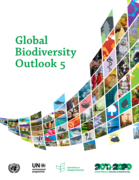
Global Biodiversity Outlook (GBO) is the flagship publication of the Convention on Biological Diversity (CBD). It is a periodic report that summarizes the latest data on the status and trends of biodiversity and draws conclusions relevant to the further implementation of the Convention.
GBO-5 provi
...
des global summary of progress towards the Aichi Biodiversity Targets and is based on a range of indicators, research studies and assessments (in particular the IPBES Global Assessment on Biodiversity and Ecosystem Services), as well as the national reports provided by countries on their implementation of the CBD. The national reports provide rich information about the steps taken in countries worldwide in support of biodiversity conservation, sustainable use, and the fair and equitable sharing of benefits. This body of Information provides a wealth of information on the successes and challenges in implementing the Strategic Plan for Biodiversity 2011-2020 and in reaching the Aichi Biodiversity Targets.
This Outlook draws on the lessons learned during the first two decades of this century to clarify the transitions needed if we are to realize the vision agreed by world governments for 2050, ‘Living in Harmony with Nature’. You can download the report in several languages
more
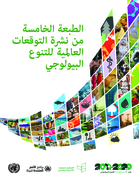
Global Biodiversity Outlook (GBO) is the flagship publication of the Convention on Biological Diversity (CBD). It is a periodic report that summarizes the latest data on the status and trends of biodiversity and draws conclusions relevant to the further implementation of the Convention.
GBO-5 pro
...
vides global summary of progress towards the Aichi Biodiversity Targets and is based on a range of indicators, research studies and assessments (in particular the IPBES Global Assessment on Biodiversity and Ecosystem Services), as well as the national reports provided by countries on their implementation of the CBD. The national reports provide rich information about the steps taken in countries worldwide in support of biodiversity conservation, sustainable use, and the fair and equitable sharing of benefits. This body of Information provides a wealth of information on the successes and challenges in implementing the Strategic Plan for Biodiversity 2011-2020 and in reaching the Aichi Biodiversity Targets.
This Outlook draws on the lessons learned during the first two decades of this century to clarify the transitions needed if we are to realize the vision agreed by world governments for 2050, ‘Living in Harmony with Nature’.
more

This publication presents the Agenda for the Americas on Health, Environment, and Climate Change 2021–2030 (the Agenda). The Agenda is a call to action to the health sector to lead the charge to address environmental determinants of health in the Americas. The Pan American Health Organization (PAH
...
O) will work with Member States to achieve its goal and objective to ensure healthy lives and promote well-being for all at all ages using a sustainable and equitable approach that places a priority on reducing health inequity. The Agenda has been developed under the umbrella of the WHO Global Strategy on Health, Environment, and Climate Change, and builds upon the commitments set forth in the Sustainable Health Agenda for the Americas 2018–2030 and the PAHO Strategic Plan 2020–2025. The Agenda was developed in consultation with the Technical Advisory Group and through a consensus-driven decision-making process with Member States during the 2019–2020 period. Looking toward the achievement of Sustainable Development Goal 3, the Agenda focuses on: improving the performance of environmental public health programs and institutions; fostering environmentally resilient and sustainable health systems; and promoting environmentally healthy and resilient cities and communities. Its implementation will be context-specific, based on the needs and realities of the countries. It will benefit countries and territories by promoting good governance practices, strengthening the leadership and coordination roles of the health sector, fostering cross-sectoral action, focusing on primary prevention, and enhancing evidence and communication. It will facilitate access to human, technical, and financial resources necessary to address environmental determinants of health and ensure that the Region is fully engaged in global health, environment, and climate change processes and agreements. The objective of the Agenda is to strengthen the capacity of health actors in the health and non-health sectors to address and adapt to environmental determinants of health (EDHs), prioritizing populations living in conditions of vulnerability, in order to meet Outcome 18 of the PAHO Strategic Plan 2020–2025 directly and several other outcomes of the Plan indirectly. To address and adapt to the challenges of EDHs in the Region, an integrated and evidence-informed approach within the health sector and across sectors will be needed, one enabled, and supported by good governance practices, adequate management mechanisms, high-level political will, and adequate human, technical, technological, and financial resources.
more

Int. J. Environ. Res. Public Health 2018, 15(12), 2626; https://doi.org/10.3390/ijerph15122626
Climate change is increasing risks to human health and to the health systems that seek to protect the safety and well-being of populations. Health authorities require information about current associatio
...
ns between health outcomes and weather or climate, vulnerable populations, projections of future risks and adaptation opportunities in order to reduce exposures, empower individuals to take needed protective actions and build climate-resilient health systems. An increasing number of health authorities from local to national levels seek this information by conducting climate change and health vulnerability and adaptation assessments. While assessments can provide valuable information to plan for climate change impacts, the results of many studies are not helping to build the global evidence-base of knowledge in this area. They are also often not integrated into adaptation decision making, sometimes because the health sector is not involved in climate change policy making processes at the national level. Significant barriers related to data accessibility, a limited number of climate and health models, uncertainty in climate projections, and a lack of funding and expertise, particularly in developing countries, challenge health authority efforts to conduct rigorous assessments and apply the findings. This paper examines the evolution of climate change and health vulnerability and adaptation assessments, including guidance developed for such projects, the number of assessments that have been conducted globally and implementation of the findings to support health adaptation action. Greater capacity building that facilitates assessments from local to national scales will support collaborative efforts to protect health from current climate hazards and future climate change. Health sector officials will benefit from additional resources and partnership opportunities to ensure that evidence about climate change impacts on health is effectively translated into needed actions to build health resilience.
more
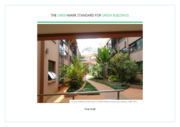
The Government recognizes the critical role of the built environment in addressing climate change and environmental degradation. To this end, it has identified and empowered the Kenya Building Research Centre to champion and coordinate the government’s green building agenda in relation to climate
...
change mitigation and adaptation as stipulated in the Centre’s Strategic Plan (2017/2018 – 2021/2022)
more
