
Filter
981
Filtered Results: 981
Text search:
G.
Harper
Featured
Recommendations
70
New Publications
200
Language
Document type
No document type
510
Studies & Reports
252
Guidelines
103
Manuals
48
Strategic & Response Plan
24
Training Material
14
Fact sheets
14
Situation Updates
6
Infographics
4
Brochures
3
Resource Platforms
3
Countries / Regions
Global
58
India
34
South Africa
25
Sierra Leone
24
Kenya
22
Africa
19
Latin America and the Carribbean
17
Malawi
16
Ethiopia
16
Liberia
16
Nigeria
15
Western and Central Europe
14
Zambia
14
Syria
13
Nepal
12
Uganda
11
Myanmar / Burma
11
Philippines
10
Asia
10
Congo, Democratic Republic of
10
Bangladesh
10
Lesotho
8
Tanzania
8
Ghana
7
Zimbabwe
7
Guinea
7
Namibia
7
Rwanda
6
Cameroon
6
Burkina Faso
6
Mozambique
6
East and Southern Africa
6
Brazil
6
Senegal
5
Germany
5
West and Central Africa
5
South–East Asia Region
5
Russia
5
South Sudan
5
Middle East and North Africa
4
Vietnam
4
Sudan
4
Yemen
4
Central African Republic
4
Somalia
4
Eswatini/ Swaziland
4
Ukraine
3
Afghanistan
3
Burundi
3
USA
3
Cambodia
3
Botswana
3
Madagascar
3
El Salvador
2
China
2
Albania
2
Canada
2
Venezuela
2
Western Pacific Region
2
Eastern Europe and Central Asia
2
North America
2
Mali
2
Indonesia
2
Pakistan
2
North Macedonia
1
Colombia
1
Turkey
1
Benin
1
Chile
1
Laos
1
Congo-Brazzaville
1
Niger
1
Peru
1
Armenia
1
Haiti
1
Uruguay
1
France
1
United Kingdom
1
Portugal
1
Spain
1
Côte d’Ivoire / Ivory Coast
1
Eastern Europe
1
Sri Lanka
1
Egypt
1
Angola
1
Chad
1
Iraq
1
Authors & Publishers
Publication Years
Category
Countries
289
Key Resources
59
Public Health
54
Clinical Guidelines
52
Women & Child Health
47
Capacity Building
20
Pharmacy & Technologies
7
Toolboxes
Mental Health
92
HIV
90
COVID-19
76
Planetary Health
67
TB
46
Disability
42
Caregiver
32
AMR
31
NTDs
26
NCDs
23
Refugee
22
Health Financing Toolbox
21
Conflict
21
Natural Hazards
20
Ebola & Marburg
20
Global Health Education
19
Pharmacy
16
Rapid Response
10
2.0 Rapid Response
9
Malaria
8
Social Ethics
7
Specific Hazards
5
Cholera
4
Zika
3
Polio
3
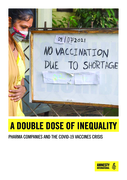
22 Sept. 2021
The rapid development of effective Covid-19 vaccines in 2020 gave hope to the world in the darkest days of the deadly pandemic. However, the vaccine roll-out has been massively skewed towards wealthy nations. While rich states have hoarded vaccines, companies have also played a decisi...

Eurosurveillance
Impact Factor 5.7
June 2015
www.eurosurveillance.org
Featuring a series of articles on HIV and STI epidemiology, prevention and control among MSM in Europe
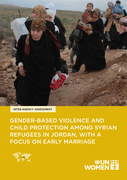
Findings from this report reveal that, rates of early marriage are high, a significant percentage of children contribute to the household’s income or are its main source of income, and restrictions on the mobility of women and girls constrain their participation in social and economic activities a...

Glob Health Sci Pract February 1, 2014 vol. 2 no. 1 p. 103-116

Strategic communication is used to raise awareness of issues among specific target populations. It aims to provide timely, evidence-based, authoritative information and guidance needed for public health action. Proper implementation of strategic communication leads t...
DHS Further Analysis Reports No. 103
To improve survival and quality of life among the 2.5 million children living with HIV, a comprehensive package of prevention, care and treatment is required. This package should include management of infections such as pneumonia, diarrhoea, malaria and ear infections, as well as common opportunisti...


3rd edition. In 2001, Uganda adapted the Integrated Disease Surveillance and Response (IDSR) developed by World Health Organization (WHO) for member states in African region. The Ministry of Health has been implementing the IDSR strategy since then with success across the country. This strategy prov...
with recommended essential medicines for common diseases in patients in Stockholm County Council (Healthcare Region), Sweden
War Surgery. Vol.1
recommended
Working with limited resources in armed conflict and other situations of violence. Vol.1
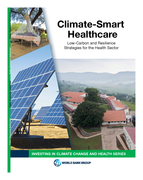
Climate change is damaging human health now and is projected to have a greater impact in the future. Low- and middle-income countries are seeing the worst effects as they are most vulnerable to climate shifts and least able to adapt given weak health systems and poor infrastructure. Low-carbon appro...

Non-Wood Forest Products 11
Traditional medicine and its use of medicinal plants is dependent on reliable supply of plant materials. The book focuses on the interface between medicinal plant use and conservation of medicinal plants.
Monkeypox is an emerging viral zoonosis with symptoms similar to those observed in smallpox patients, although less severe. Since the global eradication of smallpox in 1980, monkeypox has emerged as the most important orthopoxvirus in humans. The Advisory Committee on Variola Virus Research (ACVVR) ...
English Analysis on World and 3 other countries about Agriculture, Climate Change and Environment, Drought, Flood and more; published on 22 Oct 2021 by Action Against Hunger
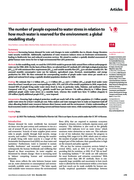
The Lancet, Planetary Health Volume 5, ISSUE 11, e766-e774, November 01, 2021
Increasing human demand for water and changes in water availability due to climate change threatens water security worldwide. Additionally, exploitation of water resources induces stress on freshwater environments, leadi...
