
Filter
6252
Text search:
Treatment
Action
Group
Featured
Recommendations
588
New Publications
1646
Language
Document type
No document type
3506
Studies & Reports
1047
Guidelines
782
Manuals
370
Strategic & Response Plan
268
Training Material
125
Fact sheets
69
Situation Updates
53
Brochures
10
Resource Platforms
10
Infographics
7
Online Courses
3
App
1
Countries / Regions
India
291
Global
284
Kenya
176
Western and Central Europe
139
Ethiopia
136
South Africa
133
Sierra Leone
125
Nigeria
122
Uganda
120
Liberia
115
Nepal
109
Myanmar / Burma
101
Bangladesh
95
Latin America and the Carribbean
93
Malawi
92
Zambia
85
Tanzania
85
Africa
84
Syria
71
Ghana
69
Namibia
66
Ukraine
61
Rwanda
59
Philippines
50
Eastern Europe
48
Congo, Democratic Republic of
47
South Sudan
47
South–East Asia Region
43
Zimbabwe
41
Mozambique
41
Lesotho
40
Indonesia
37
Asia
37
Cambodia
35
Guinea
34
Haiti
31
Botswana
28
Senegal
26
East and Southern Africa
26
Eastern Europe and Central Asia
24
Russia
23
Yemen
22
Germany
21
Eswatini/ Swaziland
21
Venezuela
20
Middle East and North Africa
19
Burkina Faso
18
Pakistan
18
Lebanon
18
Brazil
18
West and Central Africa
17
Cameroon
16
Jordan
15
Afghanistan
15
Sudan
14
Vietnam
14
Thailand
12
Colombia
12
Somalia
11
Central African Republic
11
Madagascar
10
Western Pacific Region
10
Albania
10
Iraq
9
Sri Lanka
9
Laos
9
Mali
8
USA
8
Turkey
8
China
8
Peru
8
Benin
7
Moldova
7
Iran
7
Georgia
7
Angola
6
Chile
6
Southern Africa
6
Tajikistan
6
North America
6
Togo
5
Argentina
5
Libya
5
Mexico
5
Guinea-Bissau
4
Côte d’Ivoire / Ivory Coast
4
Gambia
4
Malaysia
4
North Macedonia
4
Ecuador
4
Palestine
4
Timor Leste/ East Timor
4
Egypt
3
Chad
3
Papua New Guinea
3
Serbia
3
Burundi
3
Bolivia
3
Greece
3
Armenia
3
Canada
3
Kyrgyzstan
3
Turkmenistan
3
Japan
3
Mauritius
3
United Kingdom
3
Spain
3
Belarus
3
Morocco
2
Saudi Arabia
2
Niger
2
Singapore
2
Switzerland
2
Croatia
2
Paraguay
2
Fiji
2
Bhutan
2
Poland
2
Romania
2
Lithuania
2
Kazakhstan
2
Jamaica
2
France
2
Portugal
2
Azerbaijan
2
Mauritania
1
Ireland
1
Vanuatu
1
Dominican Republic
1
Hungary
1
Honduras
1
El Salvador
1
Italy
1
Djibouti
1
Mongolia
1
Qatar
1
Bulgaria
1
Estonia
1
Australia
1
Gabon
1
Denmark
1
Belgium
1
Maldives
1
Tunisia
1
Bosnia and Herzegovina
1
Latvia
1
Authors & Publishers
Publication Years
Category
Countries
2248
Clinical Guidelines
463
Public Health
373
Key Resources
365
Women & Child Health
362
Capacity Building
156
Pharmacy & Technologies
48
Annual Report MEDBOX
3
Toolboxes
HIV
537
Mental Health
533
COVID-19
396
TB
370
Disability
234
AMR
233
NTDs
177
Conflict
176
Caregiver
172
Ebola & Marburg
155
Planetary Health
152
NCDs
131
Refugee
122
Rapid Response
110
Pharmacy
110
Global Health Education
100
Malaria
90
Natural Hazards
74
Health Financing Toolbox
68
2.0 Rapid Response
66
Cholera
45
Specific Hazards
39
Zika
31
Polio
22
Social Ethics
21
Typhoon
4
South Sudan
2
The use of the World Health Organization Health System Performance Assessment Framework
Draft version 2017

Introduction : Pour la mise en oeuvre des interventions sous directives
communautaires, les Etats ont retenu le profil des agents de santé communautaire de
même et le rôle et responsabilité que chaque acteur doit jouer. L’objectif du présent
travail est d’étudier les interactions entre
...

This Guide responds to requests from practitioners and country teams who have learned about the Nurturing care framework and want to understand how to adapt health and nutrition services to be supportive of nurturing care and strengthen caregivers’ capacity.
1.1 Why this course is needed
The first few hours and days of a newborn baby’s life are a critical window for establishing breastfeeding and for providing mothers with the support they need to breastfeed successfully. Since 1991, the Baby-friendly Hospital Initiative (BFHI) has helped to motivate
...
This manual describes some of the strategic, managerial, financial, technical and scientific aspects to be considered in establishing a national EQA programme for clinical laboratories and other testing services at all health care levels
District Level M & E Training and Reference Material for Primary Health Care Programmes

The report reflects on the trends, achievements and challenges in global health over the past decade during which Dr Margaret Chan has been Director-General of WHO. It discusses the role of WHO in dealing with such issues as the rise of noncommunicable diseases, leaps in life expectancy, and emergin
...

Le NCPI a été rempli au cours du 1er trimestre 2014 par une équipe technique de 17 personnes responsabilisées en sous-groupes pour les parties A, B et UA. Les réponses aux différentes questions se sont référées à celles de NCPI de 2012 pour permettre une meilleure logique. La responsabilit
...
Diphtheria is caused by Corynebacterium species, mostly by toxin-producing Corynebacterium diphtheriae and rarely by toxin-producing strains of C. ulcerans and C. pseudotuberculosis. The most common type of diphtheria is classic respiratory diphtheria, whereby the exotoxin produced characteristicall
...

The aim of the people-centred framework is to help countries to develop fully prioritized and budgeted NSPs based on a culture of making full use of the available data, which are aligned with national planning cycles and which provide the basis for a robust national response that can accelerate prog
...
Promoting and protecting health is essential to human welfare and sustained economic and social development. This was recognized more than 30 years ago by the Alma-Ata Declaration signatories, who noted that Health for All would contribute
both to a better quality of life and also to global peace a
...
The present report is submitted pursuant to Security Council resolution 2164 (2014), by which the Council extended the mandate of the United Nations Multidimensional Integrated Stabilization Mission in Mali (MINUSMA) and requested me to report to it every three months on the implementation of the re
...

DHS Further Analysis Reports No 102
This manual aims to provide practical guidance to field workers in order to maximise the nutritional impact of food security & livelihoods (FSL) interventions. This requires the systematic use of a ‘nutrition lens’ at each step of the project cycle and a close collaboration between sectors.

This guidance is targeted to primary health care policy-makers and only addresses issues relevant for primary health care providers. It has been prepared on the basis of a systematic review of the best available evidence and emergent country practices in response to the COVID-19 outbreak in the WHO
...
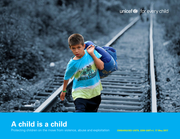
Protecting children on the move from violence, abuse and exploitation
