
Filter
2774
Text search:
fever
management
Featured
360
840
Language
2682
80
48
21
18
14
7
6
4
3
3
2
2
2
2
2
2
1
1
1
1
1
1
1
1
1
1
1
1
1
1
1
1
1
1
1
1
Document type
1408
546
349
179
94
88
62
22
8
6
6
6
Countries
214
113
112
108
84
82
73
70
68
48
48
47
46
45
44
41
40
37
35
35
34
32
26
24
22
20
20
18
17
17
16
15
15
15
14
13
12
11
9
8
8
8
8
8
8
7
7
7
6
6
6
6
6
6
5
5
5
4
4
4
4
4
4
4
4
3
3
3
3
3
3
3
3
3
3
3
3
3
3
2
2
2
2
2
2
2
2
2
2
2
2
1
1
1
1
1
1
1
1
1
1
1
1
1
1
1
1
1
1
1
1
1
1
1
1
1
1
1
1
1
1
1
1
1
1
1
1
Authors & Publishers
434
161
89
76
66
64
56
45
35
26
26
22
20
19
19
17
16
15
15
15
13
13
13
12
12
11
11
10
10
10
9
9
9
9
9
9
8
8
8
8
8
8
8
7
7
7
7
7
7
7
7
7
6
6
6
6
6
6
6
6
6
6
6
6
6
6
6
6
5
5
5
5
5
5
5
5
5
5
5
5
5
5
5
5
5
5
5
5
4
4
4
4
4
4
4
4
4
4
4
4
4
4
4
4
4
4
4
4
4
4
4
4
4
4
4
4
4
3
3
3
3
3
3
3
3
3
3
3
3
3
3
3
3
3
3
3
3
3
3
3
3
3
3
3
3
3
3
3
3
3
3
3
3
3
3
3
3
3
3
3
3
3
3
3
3
3
3
3
3
3
3
3
3
3
3
3
3
3
3
3
3
2
2
2
2
2
2
2
2
2
2
2
2
2
2
2
2
2
2
2
2
2
2
2
2
2
2
2
2
2
2
2
2
2
2
2
2
2
2
2
2
2
2
2
2
2
2
2
2
2
2
2
2
2
2
2
2
2
2
2
2
2
2
2
2
2
2
2
2
2
2
2
2
2
2
2
2
2
2
2
2
2
2
2
2
2
2
2
2
2
2
2
2
2
2
2
2
2
2
2
2
2
2
2
2
2
2
2
2
2
2
2
2
2
2
2
2
2
2
2
2
2
2
2
2
2
2
2
2
2
2
2
2
2
2
2
2
2
2
2
2
2
2
2
2
2
2
1
1
1
1
1
1
1
1
1
1
1
1
1
1
1
1
1
1
1
1
1
1
1
1
1
1
1
1
1
1
1
1
1
1
1
1
1
1
1
1
1
1
1
1
1
1
1
1
1
1
1
1
1
1
1
1
1
1
1
1
1
1
1
1
1
1
1
1
1
1
1
1
1
1
1
1
1
1
1
1
1
1
1
1
1
1
1
1
1
1
1
1
1
1
1
1
1
1
1
1
1
1
1
1
1
1
1
1
1
1
1
1
1
1
1
1
1
1
1
1
1
1
1
1
1
1
1
1
1
1
1
1
1
1
1
1
1
1
1
1
1
1
1
1
1
1
1
1
1
1
1
1
1
1
1
1
1
1
1
1
1
1
1
1
1
1
1
1
1
1
1
1
1
1
1
1
1
1
1
1
1
1
1
1
1
1
1
1
1
1
1
1
1
1
1
1
1
1
1
1
1
1
1
1
1
1
1
1
1
1
1
1
1
1
1
1
1
1
1
1
1
1
1
1
1
1
1
1
1
1
1
1
1
1
1
1
1
1
1
1
1
1
1
1
1
1
1
1
1
1
1
1
1
1
1
1
1
1
1
1
1
1
1
1
1
1
1
1
1
1
1
1
1
1
1
1
1
1
1
1
1
1
1
1
1
1
1
1
1
1
1
1
1
1
1
1
1
1
1
1
1
1
1
1
1
1
1
1
1
1
1
1
1
1
1
1
1
1
1
1
1
1
1
1
1
1
1
1
1
1
1
1
1
1
1
1
1
1
1
1
1
1
1
1
1
1
1
1
1
1
1
1
1
1
1
1
1
1
1
1
1
1
1
1
1
1
1
1
1
1
1
1
1
1
1
1
1
1
1
1
1
1
1
1
1
1
1
1
1
1
1
1
1
1
1
1
1
1
1
1
1
1
1
1
1
1
1
1
1
1
1
1
1
1
1
1
1
1
1
1
1
1
1
1
1
1
1
1
1
1
1
1
1
1
1
1
1
1
1
1
1
1
1
1
1
1
1
1
1
1
1
1
1
1
1
1
1
1
1
1
1
1
1
1
1
1
1
1
1
1
1
1
1
1
1
1
1
1
1
1
1
1
1
1
1
1
1
1
1
1
1
1
1
1
1
1
1
1
1
1
1
1
1
1
1
1
1
1
1
1
1
1
1
1
1
1
1
1
1
1
1
1
1
1
1
1
1
1
1
1
1
1
1
1
1
1
1
1
1
1
1
1
1
1
1
1
1
1
1
1
1
1
1
1
1
1
1
1
1
1
1
1
1
1
1
1
1
1
1
1
1
1
1
1
1
1
1
1
1
1
1
1
1
1
1
1
1
1
1
1
1
1
1
1
1
1
1
1
1
1
1
1
1
1
1
1
1
1
1
1
1
1
1
1
1
1
1
1
1
1
1
1
1
1
1
1
1
1
1
1
1
1
1
1
1
1
1
1
1
1
1
1
1
1
1
1
1
1
1
1
1
1
1
1
1
1
1
1
1
1
1
1
1
1
1
1
1
1
1
1
1
1
1
1
1
1
1
1
1
1
1
1
1
1
1
1
1
1
1
1
1
1
1
1
1
1
1
1
1
1
1
1
1
1
1
1
1
1
1
1
1
1
1
1
1
1
1
1
1
1
1
1
1
1
1
1
1
1
1
1
1
1
1
1
1
1
1
1
1
1
1
1
1
1
1
1
1
1
1
1
1
1
1
1
1
1
1
1
1
1
1
1
1
1
1
1
1
1
1
1
1
1
1
1
1
1
1
1
1
1
1
1
1
1
1
1
1
1
1
1
1
1
1
1
1
1
1
1
1
1
1
1
1
1
1
1
1
1
1
1
1
1
1
1
1
1
1
1
1
1
1
1
1
1
1
1
1
1
1
1
1
1
1
1
1
1
1
1
1
1
1
1
1
1
1
1
1
1
1
1
1
1
1
1
1
1
1
1
1
1
1
1
1
1
1
1
1
1
1
1
1
1
1
1
1
1
1
1
1
1
1
1
1
1
1
1
1
1
1
1
1
1
1
1
1
1
1
1
1
1
1
1
1
1
1
1
1
1
1
1
1
1
1
1
1
1
1
1
1
1
1
1
1
1
1
1
1
1
1
1
1
1
1
1
1
1
1
1
1
1
1
1
1
1
1
1
1
1
1
1
1
1
1
1
1
1
1
1
1
1
1
1
1
1
1
1
1
1
1
1
1
1
1
1
1
1
1
1
1
1
1
1
1
1
1
1
1
1
1
1
1
1
1
1
1
1
1
1
1
1
1
1
1
1
1
1
1
1
1
1
1
1
1
1
1
1
1
1
1
1
1
1
1
1
1
1
1
1
1
1
1
1
1
1
1
1
1
1
1
1
1
1
1
1
1
1
1
1
1
1
1
1
1
1
1
1
1
1
1
1
1
1
1
1
1
1
1
1
1
1
1
1
1
1
1
1
1
1
1
1
1
1
1
1
1
1
1
1
1
1
1
1
1
1
1
1
1
1
1
1
1
1
1
1
1
1
1
1
1
1
1
1
1
1
1
1
1
1
1
1
1
1
1
1
1
1
1
1
1
1
1
1
1
1
1
1
1
1
1
1
1
1
1
1
1
1
1
1
1
1
1
1
1
1
1
1
1
1
1
1
1
1
1
1
1
1
1
1
1
1
1
1
1
1
1
1
1
1
1
1
1
1
1
1
1
1
1
1
1
1
1
1
1
1
1
1
1
1
1
1
1
1
1
1
1
1
1
1
1
1
1
1
1
1
1
1
1
1
1
1
1
1
1
1
1
1
1
1
1
1
1
1
1
1
1
1
1
1
1
1
1
1
1
1
1
1
1
1
1
1
1
1
1
1
1
1
1
1
1
1
1
1
1
1
1
1
1
1
1
1
1
1
1
1
1
1
1
1
1
1
1
1
1
1
1
1
1
1
1
1
1
1
1
1
1
1
1
1
1
1
1
1
1
1
1
1
1
1
1
1
1
1
1
1
1
1
1
1
1
1
1
1
1
1
1
1
1
1
1
1
1
1
1
1
1
1
1
1
1
1
1
1
1
1
1
1
1
1
1
1
1
1
1
1
1
1
1
1
1
1
1
1
1
1
1
1
1
1
1
1
1
1
1
1
1
1
1
1
1
1
1
1
1
1
1
1
1
1
1
1
1
1
1
1
1
1
1
1
1
1
1
1
1
1
1
1
1
1
1
1
1
1
1
1
1
1
1
1
1
1
1
1
1
1
1
1
1
1
1
1
1
1
1
1
1
1
1
1
1
1
1
1
1
1
1
1
1
1
1
1
1
1
1
1
1
1
1
1
1
1
1
1
1
1
1
1
1
1
1
1
1
1
1
1
1
1
1
1
1
1
1
1
1
1
1
1
1
1
1
1
1
1
1
1
1
1
1
1
1
1
1
1
1
1
1
1
1
1
1
1
1
1
1
1
1
1
1
1
1
1
1
1
1
1
1
1
1
1
1
1
1
1
1
1
1
1
1
1
1
1
1
1
1
1
1
1
1
1
1
1
1
1
1
1
1
1
1
1
1
1
1
1
1
1
1
1
1
1
1
1
1
1
1
1
1
1
1
1
1
1
1
1
1
1
1
1
1
1
1
1
1
1
1
1
1
1
1
1
1
1
1
1
1
1
1
1
1
1
1
1
1
1
1
1
1
1
1
1
1
1
1
1
1
1
1
1
1
1
1
1
1
1
1
1
1
1
1
1
1
1
1
1
1
1
1
1
1
1
1
1
1
1
1
1
1
1
1
1
1
1
1
1
1
1
1
1
1
1
1
1
1
1
1
1
1
1
1
1
1
1
1
1
1
1
1
1
1
1
1
1
1
1
1
1
1
1
1
1
1
1
1
1
1
1
1
1
1
1
1
1
1
1
1
1
1
1
1
1
1
1
1
1
Publication Years
833
1612
308
20
1
Category
1180
321
152
141
136
79
28
Toolboxes
277
250
136
134
88
88
79
76
75
72
58
52
52
41
36
35
34
33
22
21
20
19
13
11
1
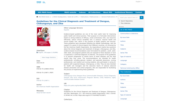
Weekly epidemiological recordRelevé épidémiologique hebdomadaire 3 MAY 2024, 99th YEAR / 3 MAI 2024, 99e ANNÉE
No 18, 2024, 99, 203–224
The WHO position papers are concerned primarily with the use of vaccines in large-scale vaccination programmes.
The position papers are intended for use by
...
national public health officials and managers of immunization programmes.
This paper focuses on the second licensed dengue vaccine, TAK-003 (Qdenga, Takeda), along with WHO’s position for its use, and provides an update on the first licensed dengue vaccine, CYD-TDV.
more

This document serves to provide interim guidance/ recommendations to carry out mpox surveillance activities mainly case investigation, contact tracing and isolation. For the development of this document WHO, UKHSA and CDC guidelines were referred to and adopted within the country context.
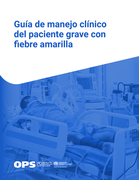
Las recomendaciones aquí presentadas fueron elaboradas a partir de una síntesis sistemática de la evidencia disponible y adoptan un enfoque pragmático, orientado a facilitar su aplicación en escenarios clínicos complejos y de alta demanda. Su desarrollo se fundamenta en los principios de la me
...
todología GRADE, lo que garantiza transparencia en la evaluación de la evidencia y claridad en la formulación de las recomendaciones.
more

The school and a community teaching modules are aimed at preventing vector-borne diseases through community participation. Meanwhile, the interactive toolkit is meant to be help raise awareness on health, sanitation and vector control. These materials will help volunteers and practitioners foster di
...
alogue with communities and ensure that prevention is seen as the primary way of combatting vector-borne diseases
more

Decontaminating the Ebola Facilities in Sierra Leone

A terminal cleaning and decontamination checklist for Ebola care facilities should include thorough cleaning and disinfection of all surfaces, removal and proper disposal of contaminated items, and disinfection of the entire area, including hard-to-reach places, using appropriate methods and product
...
s
more

Risk Communication and Community Engagement (RCCE) is an essential part of any disease outbreak response. Risk communication in the context of an Ebola outbreak refers to real time exchange of information, opinion and advice between frontline responders and people who are faced with the threat of Eb
...
ola to their survival, health, economic or social wellbeing. Community engagement refers to mutual partnership between Ebola response teams and individuals or communities in affected areas, whereby community stakeholders have ownership in controlling the spread of the outbreak.
It is intended to be used to guide RCCE work which is central to stopping the outbreak and preventing its further amplification. Unlike other areas of response, RCCE draws heavily on volunteers, frontline personnel and on people without prior training in this area. As such, the document provides basic background information, scopes the socio-economic and cultural aspects (that are known at the time of publication), and provides the latest evidence-based advice and approaches
more
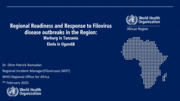
The African region reports the highest number of health emergencies of all the WHO regions every year: an average of
2-3 new events every week

Health communication has proven to play a crucial role in addressing diseases such as dengue, Zika and chikungunya, for which there are no definitive or easily accessible vaccines. In this context, this discipline becomes a fundamental tool to promote the change behavior and promote preventive pract
...
ices that reduce the transmission of these diseases. By not having a definitive medical solution, accurate and timely information, effectively disseminated through educational campaigns, media and communication channels public health, can significantly influence individual and community actions to control the spread of these mosquito-borne viruses. The accumulated research around the threat of the aforementioned arboviral diseases brings together a series of recommendations around specific communication activities, such as disseminating timely and accurate information that integrates public health concerns and the needs of information of the population, especially vulnerable groups such as women of childbearing age, pregnant women and health workers.
more
Seeing a potential problem doesn’t mean the problem will definitely happen. We take action to keep something bad from happening. Risk Recognition & IPC Assessment presentation is a descriptive EVD IPC training material for health facilities and pharmacies.

The checklist is based on efforts by various national and international institutions, including WHO, CDC and UN OCHA. It
identifies 10 key components and tasks for both countries and the international community. This tool establishes timelines
within which to complete tasks of 30, 60 and 90 days r
...
espectively from the date of issuing this list, based on the priority level.
However, the periods should be redefined by national authorities on the basis of existing regional and national context. (Note:
this checklist will be updated based on the feedback received from countries).
more

Epidemics of infectious diseases are occurring more often, and spreading faster and further than ever, in many different regions of the world. The background factors of this threat are biological, environmental and lifestyle changes, among others. A potentially fatal combination of newly-discovered
...
diseases, and the re-emergence of many long-established ones, demands urgent responses in all countries. Planning and preparation for epidemic prevention and control are essential. The purpose of this “Managing epidemics” manual is to provide expert guidance on those responses.
more
Issue Brief: Neglected Tropical Diseases Part 2
recommended
In this subsequent part of the issue brief on the NTD Toolbox you will learn about general strategies, roadmaps, key
treatment guidelines, reports, and training material on Dengue & Chikungunya, Human African Trypanosomiasis and
Leprosy.
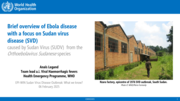
Sudan virus disease is a severe, often fatal illness affecting humans and other primates that is due to Orthoebolavirus sudanense (Sudan virus), a viral species belonging to the same genus of the virus causing Ebola virus disease. This webinar will provide an overview of the current outbreak of Suda
...
n virus disease: what we know, the current outbreak in Uganda, and prevention and control measures.
more
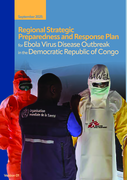
On 4 September 2025, the Ministry of Health of the Democratic Republic of the Congo (DRC) declared an outbreak of Ebola Virus Disease (EVD) in Kasai Province, following confirmation of Zaire ebolavirus by the National Institute of Biomedical Research (INRB) in Bulape and Mweka Health Zones. As of 19
...
September, there have been 48 total cases (38 confirmed, 10 probable) with 31 deaths (21 confirmed, 10 probable) and a CFR of 64.5%. Among laboratory confirmed cases, 16 deaths were recorded (CFR: 45.7%). Four deaths occurred among health workers, underscoring the risk of nosocomial transmission. Most cases (39.7%) are among adults aged 20 years and above, in a densely populated, remote, and under-resourced area.
The outbreak is driven by multiple risk factors, including transmission in health facilities with limited infection prevention and control (IPC) measures and personal protective equipment (PPE), incomplete contact tracing, delayed detection, and unsafe burial practices. High population mobility between Bulape and Tshikapa, reliance on traditional healers, and the concurrent mpox outbreak are further straining the fragile health system and increasing the risk of geographic spread.
more
L’épidémie de maladie à virus Ebola représente l’une des menaces sanitaires les plus graves pour la santé publique mondiale, en raison de sa létalité élevée, de sa propagation rapide et de ses conséquences sociales, économiques et sécuritaires. L’expérience des 16 précédentes fl
...
ambées en République Démocratique du Congo et dans d’autres pays d’Afrique de l’Ouest a montré que la préparation et la réponse rapide sont essentielles pour contenir efficacement la maladie et sauver des vies.
more
Between April 2018 and November 2020, the Democratic Republic of Congo (DRC) experienced its 11th Ebola virus disease (EVD) outbreak. Tanzania’s cross-border interactions with DRC through regular visitors, traders, and refugees are of concern, given the potential for further spread to neighboring
...
countries. This study aimed to estimate the risk of introducing EVD to Tanzania from DRC. National data for flights, boats, and car transport schedules from DRC to Tanzania covering the period of May 2018 to June 2019 were analyzed to describe population movement via land, port, and air travel and coupled with available surveillance data to model the risk of EVD entry. The land border crossing was considered the most frequently used means of travel and the most likely pathway of introducing EVD from DRC to Tanzania. High probabilities of introducing EVD from DRC to Tanzania through the assessed pathways were associated with the viability of the pathogen and low detection capacity at the ports of entry. This study provides important information regarding the elements contributing to the risk associated with the introduction of EBV in Tanzania. It also indicates that infected humans arriving via land are the most likely pathway of EBV entry, and therefore, mitigation strategies including land border surveillance should be strengthened.
more
Screening, Holding, Notification at a Healthcare Facility during an EVD outbreak presentation is an EVD IPC training material describing how to observe all persons entering the facility by taking non- contact temperature, and asking relevant questions. The key outcome is to determine if patient is s
...
uspected EVD case.
more
Le présent guide a été conçu comme un outil simple et pratique pour aider les administrateurs sanitaires des districts à élaborer un plan réaliste à leur niveau, afin de mieux gérer l'élimination des déchets produits par les injectio
Hand hygiene in health care in the context of Filovirus disease outbreak response. Rapid advice guideline
recommended
This document provides a summary of the recommendations for hand hygiene best practices to be performed by health workers providing care and/or support to patients with filovirus infection (Ebola and Marburg viruses).
