
Filter
1578
Text search:
government
forces
Featured
113
507
Language
Document type
920
330
114
81
73
24
17
12
3
2
1
1
Countries / Regions
65
61
60
59
50
46
44
38
35
35
32
31
31
29
23
23
23
20
18
17
16
16
16
15
14
14
14
13
12
11
11
11
11
8
8
8
8
7
7
7
7
7
7
7
7
6
6
6
6
6
5
5
5
5
5
5
4
4
4
4
4
4
4
3
3
3
3
3
3
3
3
3
3
3
3
3
3
2
2
2
2
2
2
2
2
2
2
2
1
1
1
1
1
1
1
1
1
1
1
1
1
1
1
1
1
1
1
1
1
1
1
1
1
1
1
1
1
1
1
1
1
1
1
Authors & Publishers
Publication Years
Category
627
164
81
60
37
17
2
Toolboxes
135
133
126
82
71
62
59
48
45
41
38
28
26
23
23
21
17
16
15
14
12
12
10
7
5
3
2

This handbook reflects and updates the work that ECLAC has done in recent decades to establish a methodology for estimating the economic consequences of a disaster, and thus determine the financing required to rebuild and return the affected area to normal. The handbook's third edition strengthens p
...


This working draft develops guidance on conducting effective evaluations of conflict prevention and peacebuilding work. The current working draft will be used for a one year application phase through 2008. It is the result of an ongoing collaborative project by the OECD DAC Networks on Development E
...
Humanitarian crises can affect women, men, girls and boys in radically different ways. To address the different impacts of conflict and disasters on each group and promote the potential for positive transformation of gender norms, Oxfam calls for humanitarian agencies to analyse, plan, and respond t
...


This research is one case in a study commissioned by the World Food Programme to investigate the participation of recipient community in the targeting and management of humanitarian food assistance in complex emergencies. The study involved a substantial desk review of existing documentation, and th
...
This Toolkit is intended to guide humanitarian programme managers and healthcare providers to ensure that sexual and reproductive health interventions put into place both during and after a crisis are responsive to the unique needs of adolescents.
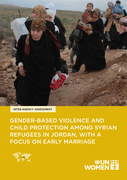
Findings from this report reveal that, rates of early marriage are high, a significant percentage of children contribute to the household’s income or are its main source of income, and restrictions on the mobility of women and girls constrain their participation in social and economic activities a
...
This report sets out ways to make pre-hospital care and ambulance services operating in areas of armed violence safer. Written by the Norwegian Red Cross with support from the ICRC and the Mexican Red Cross, the report summarizes field experience in over 20 countries.

This Framework offers a coherent approach for eliminating tuberculosis (TB) in low-incidence countries. It is designed to guide national policy-makers and those responsible for technical aspects of the national TB response in accelerating efforts towards elimination. The document will also be inform
...
Accessed 2014
Globalization and Health 2012, 8:15

The scale of West Africa’s Ebola epidemic has been attributed to the weak health systems of affected countries,
their lack of resources, the mobility of communities and their inexperience in dealing with Ebola. This briefing for African Affairs argues that these explanations lack important contex
...
The Road to Recovery. This synthesis report is based on three national studies on the evolution of the Ebola epidemic and its impact on Guinea, Liberia and Sierra Leone
What are the political, economic, social and security implications of the Ebola crisis, with a particular focus on Sierra Leone?

This paper, originally presented as a Sussex Development Lecture, asks how the Ebola crisis might offer a lens to reflect on interlaced challenges around curbing inequalities, accelerating sustainability, and building inclusive, secure societies, and why these matter so much. And it discusses why ad
...

