
Filter
5360
Text search:
events
Featured
558
1238
Language
5164
149
134
83
81
54
33
32
12
9
9
6
6
5
4
4
4
4
4
4
4
3
3
3
3
2
2
2
2
2
2
2
2
2
2
2
2
1
1
1
1
1
1
1
1
1
1
1
1
1
1
1
1
1
1
1
1
Document type
2633
972
775
385
234
127
114
37
28
21
15
11
5
Countries
272
207
116
104
103
99
96
85
83
83
80
76
73
71
70
69
60
59
54
53
51
50
49
45
39
37
32
31
30
29
28
27
27
27
26
26
26
22
21
20
19
19
19
18
18
17
16
16
16
14
14
13
13
12
12
12
12
12
11
11
10
9
9
9
9
9
9
8
7
7
6
6
5
5
5
5
5
5
5
4
4
4
4
4
4
4
4
4
3
3
3
3
3
3
3
3
3
3
3
2
2
2
2
2
2
2
2
2
2
2
2
1
1
1
1
1
1
1
1
1
1
1
1
1
1
1
1
1
1
1
1
1
1
1
1
1
1
1
1
1
1
1
1
1
1
Authors & Publishers
835
221
164
160
131
101
78
62
58
45
35
33
31
25
25
23
23
23
23
22
22
21
20
19
17
17
16
15
15
15
14
14
14
14
14
14
14
13
13
13
13
12
12
12
12
12
12
11
11
11
11
11
11
10
10
10
10
10
10
10
10
10
10
10
9
9
9
9
9
9
9
9
9
9
9
9
9
9
8
8
8
8
8
8
8
8
7
7
7
7
7
7
7
7
7
7
7
7
7
7
7
6
6
6
6
6
6
6
6
6
6
6
6
6
6
6
6
6
6
5
5
5
5
5
5
5
5
5
5
5
5
5
5
5
5
5
5
5
5
5
5
5
5
5
5
5
5
5
4
4
4
4
4
4
4
4
4
4
4
4
4
4
4
4
4
4
4
4
4
4
4
4
4
4
4
4
4
4
4
4
4
4
4
4
4
4
4
4
4
4
4
4
4
4
4
4
4
4
4
4
4
4
4
4
4
4
4
4
4
4
4
4
4
3
3
3
3
3
3
3
3
3
3
3
3
3
3
3
3
3
3
3
3
3
3
3
3
3
3
3
3
3
3
3
3
3
3
3
3
3
3
3
3
3
3
3
3
3
3
3
3
3
3
3
3
3
3
3
3
3
3
3
3
3
3
3
3
3
3
3
3
3
3
3
3
3
3
3
3
3
3
3
3
3
3
3
3
3
3
3
3
3
3
3
3
3
3
3
3
3
3
3
2
2
2
2
2
2
2
2
2
2
2
2
2
2
2
2
2
2
2
2
2
2
2
2
2
2
2
2
2
2
2
2
2
2
2
2
2
2
2
2
2
2
2
2
2
2
2
2
2
2
2
2
2
2
2
2
2
2
2
2
2
2
2
2
2
2
2
2
2
2
2
2
2
2
2
2
2
2
2
2
2
2
2
2
2
2
2
2
2
2
2
2
2
2
2
2
2
2
2
2
2
2
2
2
2
2
2
2
2
2
2
2
2
2
2
2
2
2
2
2
2
2
2
2
2
2
2
2
2
2
2
2
2
2
2
2
2
2
2
2
2
2
2
2
2
2
2
2
2
2
2
2
2
2
2
2
2
2
2
2
2
2
2
2
2
2
2
2
2
2
2
2
2
2
2
2
2
2
2
2
2
2
2
2
2
2
2
2
2
2
2
2
2
2
2
2
2
2
2
2
2
2
2
2
2
2
2
2
2
2
2
2
2
2
2
2
2
2
2
2
2
2
2
2
2
2
2
2
2
2
2
2
2
2
2
2
2
2
2
2
2
2
2
2
2
2
2
2
2
2
2
2
2
2
2
2
2
2
2
2
2
2
2
2
2
2
2
2
2
2
2
2
2
2
2
2
2
2
2
2
2
2
2
2
2
2
2
2
2
2
1
1
1
1
1
1
1
1
1
1
1
1
1
1
1
1
1
1
1
1
1
1
1
1
1
1
1
1
1
1
1
1
1
1
1
1
1
1
1
1
1
1
1
1
1
1
1
1
1
1
1
1
1
1
1
1
1
1
1
1
1
1
1
1
1
1
1
1
1
1
1
1
1
1
1
1
1
1
1
1
1
1
1
1
1
1
1
1
1
1
1
1
1
1
1
1
1
1
1
1
1
1
1
1
1
1
1
1
1
1
1
1
1
1
1
1
1
1
1
1
1
1
1
1
1
1
1
1
1
1
1
1
1
1
1
1
1
1
1
1
1
1
1
1
1
1
1
1
1
1
1
1
1
1
1
1
1
1
1
1
1
1
1
1
1
1
1
1
1
1
1
1
1
1
1
1
1
1
1
1
1
1
1
1
1
1
1
1
1
1
1
1
1
1
1
1
1
1
1
1
1
1
1
1
1
1
1
1
1
1
1
1
1
1
1
1
1
1
1
1
1
1
1
1
1
1
1
1
1
1
1
1
1
1
1
1
1
1
1
1
1
1
1
1
1
1
1
1
1
1
1
1
1
1
1
1
1
1
1
1
1
1
1
1
1
1
1
1
1
1
1
1
1
1
1
1
1
1
1
1
1
1
1
1
1
1
1
1
1
1
1
1
1
1
1
1
1
1
1
1
1
1
1
1
1
1
1
1
1
1
1
1
1
1
1
1
1
1
1
1
1
1
1
1
1
1
1
1
1
1
1
1
1
1
1
1
1
1
1
1
1
1
1
1
1
1
1
1
1
1
1
1
1
1
1
1
1
1
1
1
1
1
1
1
1
1
1
1
1
1
1
1
1
1
1
1
1
1
1
1
1
1
1
1
1
1
1
1
1
1
1
1
1
1
1
1
1
1
1
1
1
1
1
1
1
1
1
1
1
1
1
1
1
1
1
1
1
1
1
1
1
1
1
1
1
1
1
1
1
1
1
1
1
1
1
1
1
1
1
1
1
1
1
1
1
1
1
1
1
1
1
1
1
1
1
1
1
1
1
1
1
1
1
1
1
1
1
1
1
1
1
1
1
1
1
1
1
1
1
1
1
1
1
1
1
1
1
1
1
1
1
1
1
1
1
1
1
1
1
1
1
1
1
1
1
1
1
1
1
1
1
1
1
1
1
1
1
1
1
1
1
1
1
1
1
1
1
1
1
1
1
1
1
1
1
1
1
1
1
1
1
1
1
1
1
1
1
1
1
1
1
1
1
1
1
1
1
1
1
1
1
1
1
1
1
1
1
1
1
1
1
1
1
1
1
1
1
1
1
1
1
1
1
1
1
1
1
1
1
1
1
1
1
1
1
1
1
1
1
1
1
1
1
1
1
1
1
1
1
1
1
1
1
1
1
1
1
1
1
1
1
1
1
1
1
1
1
1
1
1
1
1
1
1
1
1
1
1
1
1
1
1
1
1
1
1
1
1
1
1
1
1
1
1
1
1
1
1
1
1
1
1
1
1
1
1
1
1
1
1
1
1
1
1
1
1
1
1
1
1
1
1
1
1
1
1
1
1
1
1
1
1
1
1
1
1
1
1
1
1
1
1
1
1
1
1
1
1
1
1
1
1
1
1
1
1
1
1
1
1
1
1
1
1
1
1
1
1
1
1
1
1
1
1
1
1
1
1
1
1
1
1
1
1
1
1
1
1
1
1
1
1
1
1
1
1
1
1
1
1
1
1
1
1
1
1
1
1
1
1
1
1
1
1
1
1
1
1
1
1
1
1
1
1
1
1
1
1
1
1
1
1
1
1
1
1
1
1
1
1
1
1
1
1
1
1
1
1
1
1
1
1
1
1
1
1
1
1
1
1
1
1
1
1
1
1
1
1
1
1
1
1
1
1
1
1
1
1
1
1
1
1
1
1
1
1
1
1
1
1
1
1
1
1
1
1
1
1
1
1
1
1
1
1
1
1
1
1
1
1
1
1
1
1
1
1
1
1
1
1
1
1
1
1
1
1
1
1
1
1
1
1
1
1
1
1
1
1
1
1
1
1
1
1
1
1
1
1
1
1
1
1
1
1
1
1
1
1
1
1
1
1
1
1
1
1
1
1
1
1
1
1
1
1
1
1
1
1
1
1
1
1
1
1
1
1
1
1
1
1
1
1
1
1
1
1
1
1
1
1
1
1
1
1
1
1
1
1
1
1
1
1
1
1
1
1
1
1
1
1
1
1
1
1
1
1
1
1
1
1
1
1
1
1
1
1
1
1
1
1
1
1
1
1
1
1
1
1
1
1
1
1
1
1
1
1
1
1
1
1
1
1
1
1
1
1
1
1
1
1
1
1
1
1
1
1
1
1
1
1
1
1
1
1
1
1
1
1
1
1
1
1
1
1
1
1
1
1
1
1
1
1
1
1
1
1
1
1
1
1
1
1
1
1
1
1
1
1
1
1
1
1
1
1
1
1
1
1
1
1
1
1
1
1
1
1
1
1
1
1
1
1
1
1
1
1
1
1
1
1
1
1
1
1
1
1
1
1
1
1
1
1
1
1
1
1
1
1
1
1
1
1
1
1
1
1
1
1
1
1
1
1
1
1
1
1
1
1
1
1
1
1
1
1
1
1
1
1
1
1
1
1
1
1
1
1
1
1
1
1
1
1
1
1
1
1
1
1
1
1
1
1
1
1
1
1
1
1
1
1
1
1
1
1
1
1
1
1
1
1
1
1
1
1
1
1
1
1
1
1
1
1
1
1
1
1
1
1
1
1
1
1
1
1
1
1
1
1
1
1
1
1
1
1
1
1
1
1
1
1
1
1
1
1
1
1
1
1
1
1
1
1
1
1
1
1
1
1
1
1
1
1
1
1
1
1
1
1
1
1
1
1
1
1
1
1
1
1
1
1
1
1
1
1
1
1
1
1
1
1
1
1
1
1
1
1
1
1
1
1
1
1
1
1
1
1
1
1
1
1
1
1
1
1
1
1
1
1
1
1
1
1
1
1
1
1
1
1
1
1
1
1
1
1
1
1
1
1
1
1
1
1
1
1
1
1
1
1
1
1
1
1
1
1
1
1
1
1
1
1
1
1
1
1
1
1
1
1
1
1
1
1
1
1
1
1
1
1
1
1
1
1
1
1
1
1
1
1
1
1
1
1
1
1
1
1
1
1
1
1
1
1
1
1
1
1
1
1
1
1
1
1
1
1
1
1
1
1
1
1
1
1
1
1
1
1
1
1
1
1
1
1
1
1
1
1
1
1
1
1
1
1
1
1
1
1
1
1
1
1
1
1
1
1
1
1
1
1
1
1
1
1
1
1
1
1
1
1
1
1
1
1
1
1
1
1
1
1
1
1
1
1
1
1
1
1
1
1
1
1
1
1
1
1
1
1
1
1
1
1
1
1
1
1
1
1
1
1
1
1
1
1
1
1
1
1
1
1
1
1
1
1
1
1
1
1
1
1
1
1
1
1
1
1
1
1
1
1
1
1
1
1
1
1
1
1
1
1
1
1
1
1
1
1
1
1
1
1
1
1
1
1
1
1
1
1
1
1
1
1
1
1
1
1
1
1
1
1
1
1
1
1
1
1
1
1
1
1
1
1
1
1
1
1
1
1
1
1
1
1
1
1
1
1
1
1
1
1
1
1
1
1
1
1
1
1
1
1
1
1
1
1
1
1
1
1
1
1
1
1
1
1
1
1
1
1
1
1
1
1
1
1
1
1
1
1
1
1
1
1
1
1
1
1
1
1
1
1
1
1
1
1
1
1
1
1
1
1
1
1
1
1
1
1
1
1
1
1
1
1
1
1
1
1
1
1
1
1
1
1
1
1
1
1
1
1
1
1
1
1
1
1
1
1
1
1
1
1
1
1
1
1
1
1
1
1
1
1
1
1
1
1
1
1
1
1
1
1
1
1
1
1
1
1
1
1
1
1
1
1
1
1
1
1
1
1
1
1
1
1
1
1
1
1
1
1
1
1
1
1
1
1
1
1
1
1
1
1
1
1
1
1
1
1
1
1
1
1
1
1
1
1
1
1
1
1
1
1
1
1
1
1
1
1
1
1
1
1
1
1
1
1
1
1
1
1
1
1
1
1
1
1
1
1
1
1
1
1
1
1
1
1
1
1
1
1
1
1
1
1
1
1
1
1
1
1
1
1
1
1
1
1
1
1
1
1
1
1
1
1
1
1
1
1
1
1
1
1
1
1
1
1
1
1
1
1
1
1
1
1
1
1
1
1
1
1
1
1
1
1
1
1
1
1
1
1
1
1
1
1
1
1
1
1
1
1
1
1
1
1
1
1
1
1
1
1
1
1
1
1
1
1
1
1
1
1
1
1
1
1
1
1
1
1
1
1
1
1
1
1
1
1
1
1
1
1
1
1
1
1
1
1
1
1
1
1
1
1
1
1
1
1
1
1
1
1
1
1
1
1
1
1
1
1
1
1
1
1
1
1
1
1
1
1
1
1
1
1
1
1
1
1
1
1
1
1
1
1
1
1
1
1
1
1
1
1
1
1
1
1
1
1
1
1
1
1
1
1
1
1
1
1
1
1
1
1
1
1
1
1
1
1
1
1
1
1
1
1
1
1
1
1
1
1
1
1
1
1
1
1
1
1
1
1
1
1
1
1
1
1
1
1
1
1
1
1
1
1
1
1
1
1
1
1
1
1
1
1
1
1
1
1
1
1
1
1
1
1
1
1
1
1
1
1
1
1
1
1
1
1
1
1
1
1
1
1
1
1
1
1
1
1
1
1
1
1
1
1
1
1
1
1
1
1
1
1
1
1
1
1
1
1
1
1
1
1
1
1
1
1
1
1
1
1
1
1
1
1
1
1
1
1
1
1
1
1
1
1
1
1
1
1
1
1
1
1
1
1
1
1
1
1
1
1
1
1
1
1
1
1
1
1
1
1
1
1
1
1
1
1
1
1
1
1
1
1
1
1
1
1
1
1
1
1
1
1
1
1
1
1
1
1
1
1
1
1
1
1
1
1
1
1
1
1
1
1
1
1
1
1
1
1
1
1
1
1
1
1
1
1
1
1
1
1
1
1
1
1
1
1
1
1
1
1
1
1
1
1
1
1
1
1
1
1
1
1
1
1
1
1
1
1
1
1
1
1
1
1
1
1
1
1
1
1
1
1
1
1
1
1
1
1
1
1
1
1
1
1
1
1
1
1
1
1
1
1
1
1
1
1
1
1
1
1
1
1
1
1
1
1
1
1
1
1
1
1
1
1
1
1
1
1
1
1
1
1
1
1
1
1
1
1
1
1
1
1
1
1
1
1
1
1
1
1
1
1
1
1
1
1
1
1
1
1
1
1
1
1
1
1
1
1
1
1
1
1
1
1
1
1
1
1
1
1
1
1
1
1
1
1
1
1
1
1
1
1
1
1
1
1
1
1
1
1
1
1
1
1
1
1
1
1
1
1
1
1
1
1
1
1
1
1
1
1
1
1
1
1
1
1
1
1
1
1
1
1
1
1
1
1
1
1
1
1
1
1
1
1
1
1
1
1
1
1
1
1
1
1
1
1
1
1
1
1
1
1
1
1
1
1
1
1
1
1
1
1
1
1
1
1
1
1
1
1
1
1
1
1
1
1
1
1
1
1
1
1
1
1
1
1
1
1
1
1
1
1
1
1
1
1
1
1
1
1
1
1
1
1
1
1
1
1
1
1
1
1
1
1
1
1
1
1
1
1
1
1
1
1
1
1
1
1
1
1
1
1
1
1
1
1
1
1
1
1
1
1
1
1
1
1
1
1
1
1
1
1
1
1
1
1
1
1
1
1
1
1
1
1
1
1
1
1
1
1
1
1
1
1
1
1
1
1
1
1
1
1
1
1
1
1
1
1
1
1
1
1
1
1
1
1
1
1
1
1
1
1
1
1
1
1
1
1
1
1
1
1
1
1
1
1
1
1
1
1
1
1
1
1
1
1
1
1
1
1
1
1
1
1
1
1
1
1
1
1
1
1
1
1
1
1
1
1
1
1
1
1
1
1
1
1
1
1
1
1
1
1
1
1
1
1
1
1
1
1
1
1
1
1
1
1
1
1
1
1
1
1
1
1
1
1
1
1
1
1
1
1
1
1
1
1
1
1
1
1
1
1
1
1
1
1
1
1
1
1
1
1
1
1
1
1
1
1
1
1
1
1
1
1
1
1
1
1
1
1
1
1
1
1
1
1
1
1
1
1
1
1
1
1
1
1
1
1
1
1
1
1
1
1
1
1
1
1
1
1
1
1
1
1
1
1
1
1
1
1
1
1
1
1
1
1
1
1
1
1
1
1
1
1
1
1
1
1
1
1
1
1
1
1
1
1
1
1
1
1
1
1
1
1
1
1
1
1
1
1
1
1
1
1
1
1
1
1
1
1
1
1
1
1
1
1
1
1
1
1
1
1
1
1
1
1
1
1
1
1
1
1
1
1
1
1
1
1
1
1
1
1
1
1
1
1
1
1
1
1
1
1
1
1
1
1
1
1
1
1
1
1
1
1
1
1
1
1
1
1
1
1
1
1
1
1
1
1
1
1
1
1
1
1
1
1
1
1
1
1
1
1
1
1
1
1
1
1
1
1
1
1
1
1
1
1
1
1
1
1
1
1
1
1
1
1
1
1
1
1
1
1
1
1
1
1
1
1
1
1
1
1
1
1
1
1
1
1
1
1
1
1
1
1
1
1
1
1
1
1
1
1
1
1
1
1
1
1
1
1
1
1
1
1
1
1
1
1
1
1
1
1
1
1
1
1
1
1
1
1
1
1
1
1
1
1
1
1
1
1
1
1
1
1
1
1
1
1
1
1
1
1
1
1
1
1
1
1
1
1
1
1
1
1
1
1
1
1
1
1
1
1
1
1
1
1
1
1
1
1
1
1
1
1
1
1
1
1
1
1
1
1
1
1
1
1
1
1
1
1
1
1
1
1
1
1
1
1
1
1
1
1
1
1
1
1
1
1
1
1
1
1
1
1
1
1
1
1
1
1
1
1
1
1
1
1
1
1
1
1
1
1
1
1
1
1
1
1
1
1
1
1
1
1
1
1
1
1
1
1
1
1
1
1
1
1
1
1
1
1
1
1
1
1
1
1
1
1
1
1
1
1
1
1
1
1
1
1
1
1
1
1
1
1
1
1
1
1
1
1
1
1
1
1
1
1
1
1
1
1
1
1
1
1
1
1
1
1
1
1
1
1
1
1
1
1
1
1
1
1
1
1
1
1
1
1
1
1
1
1
1
1
1
1
1
1
1
1
1
1
1
1
1
1
1
1
1
1
1
1
1
1
1
1
1
1
1
1
1
1
1
1
1
1
1
1
1
1
1
1
1
1
1
1
1
1
1
1
1
1
1
1
1
1
1
1
1
1
1
1
1
1
1
1
1
1
1
1
1
1
1
1
1
1
1
1
1
1
1
1
1
1
1
1
1
1
1
1
1
1
1
1
1
1
1
1
1
1
1
1
1
1
1
1
1
1
1
1
1
1
1
1
1
1
1
1
1
1
1
1
1
1
1
1
1
1
1
1
1
1
1
1
1
1
1
1
1
1
1
1
1
1
1
1
1
1
1
1
1
1
1
1
1
1
1
1
1
1
1
1
1
1
1
1
1
1
1
1
1
1
1
1
1
1
1
1
1
1
1
1
1
1
1
1
1
1
1
1
1
1
1
1
1
1
1
1
1
1
1
1
1
1
1
1
1
1
1
1
1
1
1
1
1
1
1
1
1
1
1
1
1
1
1
1
1
1
1
1
1
1
1
1
1
1
1
1
1
1
1
1
1
1
1
1
1
1
1
1
1
1
1
1
1
1
1
1
1
1
1
1
1
1
1
1
1
1
1
1
1
1
1
1
1
1
1
1
1
1
1
1
1
1
1
1
1
1
1
1
1
1
1
1
1
1
1
1
1
1
1
1
1
1
1
1
1
1
1
1
1
1
1
1
1
1
1
1
1
1
1
1
1
1
1
1
1
1
1
1
1
1
1
1
1
1
1
1
1
1
1
1
1
1
1
1
1
1
1
1
1
Publication Years
1790
3140
413
14
1
1
1
Category
1692
428
394
301
253
130
30
2
Toolboxes
636
504
335
190
187
180
175
156
146
139
134
130
121
119
117
105
100
77
67
62
56
34
34
32
31
6
2

This guide presents a basis for understanding how diarrhoeal diseases are currently influenced by climate and weather, and may be further exacerbated by climate change. It is a technical guide on how to conduct a Vulnerability & Adaptation assessment for diarrhoeal diseases and climate change, and p
...
rovides guidance on how to:
identify populations and regions vulnerable to diarrhoeal diseases and the reasons for their vulnerability;
establish relevant baselines that can be analysed and monitored;
conduct analyses to project how diarrhoeal diseases may be impacted in the future due to climate change; and
identify appropriate responses to mitigate and monitor these risks over time.
more
This toolkit was developed to provide detailed information and resources to support implementation of the WHO intrapartum and immediate postnatal care recommendations at the health-care facility level. The careful design of this toolkit is based on a rigorous evidence-based approach that includes im
...
plementation strategies of proven effectiveness to help close the gap between WHO’s care recommendations and current policies and practices.
The primary target audience for the toolkit includes policy-makers, health-care facility managers, implementers and managers of maternal and child health programmes, nongovernmental organizations (NGOs) and professional societies involved in the planning and management of maternal and child health services.
more

The Infection prevention and control in the context of coronavirus disease 2019 (COVID-19): a living guideline consolidates technical guidance developed and published during the COVID-19 pandemic into evidence-informed recommendations for infection prevention and control (IPC). This living guideline
...
is available both online and PDF.
This version of the living guideline (version 6.0) includes fifteen statements on IPC measures in health-care settings (screening and patient placement, ventilation, physical barriers, environmental cleaning, waste management, amongst others) as well as one statement on mask fit in the community context.
more

WHO-OHCHR launch new guidance to improve laws addressing human rights abuses in mental health care
Ahead of World Mental Health Day, the World Health Organization (WHO) and the Office of the High Commissioner on Human Rights (OHCHR) are jointly launching a new guidance, entitled "Mental health, h
...
uman rights and legislation: guidance and practice", to support countries to reform legislation in order to end human rights abuses and increase access to quality mental health care.
Human rights abuses and coercive practices in mental health care, supported by existing legislation and policies, are still far too common. Involuntary hospitalization and treatment, unsanitary living conditions and physical, psychological, and emotional abuse characterize many mental health services across the world.
more

In In recent years, China has increased its international engagement in health. Nonetheless, the lack
of data on contributions has limited efforts to examine contributions from China. Existing estimates that track
development assistance for health (DAH) from China have relied primarily on one data
...
set. Furthermore, little is known
about the disbursing agencies especially the multilaterals through which contributions are disbursed and how these
are changing across time. In this study, we generated estimates of DAH from China from 2007 through 2017 and
disaggregated those estimates by disbursing agency and health focus area.
more

Development assistance for health (DAH) is an important part of financing healthcare in low- and middle-income countries. We estimated the gross disbursement of DAH of the 29 Development Assistance Committee (DAC) member countries of the Organisation for Economic Co-operation and Development (OECD)
...
for 2011–2019; and clarified its flows, including aid type,
channel, target region, and target health focus area. Data from the OECD iLibrary were used. The DAH definition was based on the OECD sector classification. For core funding to non-healthspecific multilateral agencies, we estimated DAH and its flows based on the OECD methodology for
calculating imputed multilateral official development assistance (ODA).
more

World Humanitarian Data and Trends presents global- and country-level data-and-trend analysis about humanitarian
crises and assistance. Its purpose is to consolidate this information and present it in an accessible way, providing policymakers, researchers and humanitarian practitioners with an evid
...
ence base to support humanitarian policy decisions and provide context for operational decisions.
more
African countries, like many regions of the world, are affected by the legacy of atrocity crimes. Genocide, the transatlantic slave trade and slavery, colonialism and post-independence violence committed during dictatorships, not to mention civil war and violent extremism, have severely violated hum
...
an rights and left devastating marks on societies across the continent. The way in which societies deal with violent pasts has profound implications for the present and the future, as well as their chances of building sustainable peace.
Strengthening education about atrocity crimes, including genocide, crimes against humanity and war crimes, is an essential part of addressing violent pasts and preventing future atrocity crimes. Echoing a series of United Nations resolutions on the importance of educational measures for genocide prevention,1 in 2013, the Secretary-General’s annual report Responsibility to protect: State responsibility and prevention included the recommendation: “Education curriculums should include instruction on past violations and on the causes, dynamics and consequences of atrocity crimes” as an important means to promote societal resilience to atrocity crimes.
This recognition is in line with the Education 2030 Agenda and, more specifically, target 4.7 of Sustainable Development Goal (SDG) 4 on Education. This target calls on countries to promote education that fosters sustainable development, human rights, gender equality, a culture of peace, global citizenship and an appreciation of cultural diversity.
more

The International Rescue Committee (IRC) is a leading humanitarian agency dedicated to helping people whose lives have been shattered by conflict and disaster to survive, recover, and gain control of their future. Health comprises nearly half of IRC’s program portfolio globally and encompasses thr
...
ee sectors: 1) Primary Health (including child health, sexual and reproductive health and rights, and mental health); 2) Nutrition; and 3) Environmental Health. IRC health programming across its portfolio, in terms of the size and breadth, responds to significant needs in crisis affected settings, improving health and wellbeing while reducing causes of ill-health.
This five-year Health Strategy sharpens our focus on where we can have the most impact. It guides our efforts in planning, technical assistance, business development, advocacy, and internal and external collaboration. Through this strategy, we will invest and grow in areas that will help us achieve high impact at scale for our clients. For the next five years these priorities will include: Nutrition; Immunization: Infectious Disease Prevention and Control; Last Mile Delivery of Primary Health Care: Clean Water.
Our strategy aligns with Strategy 100 (S100) and Strategy Action Plans (SAPs). It lays out how IRC, through health, nutrition, and Environmental Health (EH) programming, will advance the IRC’s S100 ambitions, respond to global trends, and capitalize on our value add. The strategy will be complemented by delivery plans that detail investments, actions, and roles and responsibilities to advance our priorities. At the end of FY24, we will take stock of the implementation of the strategy, measure progress towards achieving our goals, and review if it continues to be fit for purpose.
more
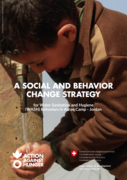
Azraq refugee camp located in Zarqa governorate was established in April 2014. As of June 2023, the camp continues to hosts 40,600 Syrian refugees, with 61% of the population children, and 25% of all households female-headed (UNHCR, 2023).
The water supply system in Azraq has been operational sin
...
ce 2017 across the four villages of the camp and consists of 300 tap stands, two boreholes and two storage locations (each with 16 T-95 steel tanks).
Based on data from UNICEF (2022), the community is provided on average 2100 cubic meters of safe, treated water a day, which is distributed across the camp via a gravity flow system. A distribution schedule is in place, with water pumped during two shift times each day in the morning and evening. Monthly data reported through ActivityInfo (2023) shows a range 53.5-76.3 million liters per month provided through the network in 2022 for an average of 57 liters/person/day – well above the locally agreed minimum standard of 35 liters/person/day and the SPHERE standard of 15 liters/person/day.
Latrine and shower facilities in the camp are organized through communal WASH blocks shared typically between three households and connected to water and greywater networks. However, based on an ACF and World Vision assessment (2022), 60% of the surveyed households are using private latrines (50% self-constructed latrines, and 10% constructed by WASH actors), 24% of households used communal latrines as private latrines not shared with other families, and 16% reported the use of communal latrines shared with other families.
more

This document presents the World Health Organization Operational framework for building climate resilient and low carbon health systems*. ***The framework's goal is to increase the climate resilience of health systems to protect and improve the health of communities in an unstable and changing clima
...
te, while optimizing the use of resources and implementing strategies to reduce GHG emissions. It aims to contribute to the design of transformative health systems that can provide safe and quality care in a changing climate.
Implementation of the framework's ten components would help health organizations, authorities, and programmes to be better able to anticipate, prevent, prepare for, and manage climate-related health risks and therefore decrease the burden of associated climate-sensitive health outcomes. Implementing low carbon health practices would contribute to climate change mitigation while also improving health outcomes. Achieving these aims is an important contribution to universal health coverage (UHC), global health security, and specific targets within the Sustainable Development Goals (SDGs). The document is a useful resource for decision-makers in health systems, including public health agencies, and other specialized institutions, and for decision-makers in health-determining sectors.
more
Prompt, effective antimalarial treatment, and supportive care can substantially reduce the rate of mortality from severe malaria. However, many children in malaria-endemic countries do not have access to health facilities or a qualified health care provider and do not receive the necessary care in a
...
timely fashion. Without rapid detection of danger signs and access to effective treatment, including pre-referral treatment that can be administered in the community level, many of these children with severe malaria die.
In situations where there is no immediate access to a health care facility, WHO recommends the administration of a standard dose of an effective antimalarial medicine as pre-referral treatment before referral to a facility at which complete treatment can be administered.
Rectal artesunate is the WHO-recommended pre-referral intervention in situations where artesunate injection are not feasible for children under the age of 6 years with suspected severe malaria. The intervention reduces the risk of death or permanent disability by up to 50% provided the child is referred to a health facility at which complete treatment can be administered.
This field guide is aimed at supporting the effective deployment of RAS as pre-referral treatment of suspected severe malaria in line with the WHO malaria guidelines.
more
WHO has updated its guidelines for COVID-19 therapeutics, with revised recommendations for patients with non-severe COVID-19. This is the 13th update to these guidelines.
Updated risk rates for hospital admission in patients with non-severe COVID-19
The guidance includes updated risk rates for
...
hospital admission in patients with non-severe COVID-19.
The current COVID-19 virus variants tend to cause less severe disease while immunity levels are higher due to vaccination, leading to lower risks of severe illness and death for most patients.
This update includes new baseline risk estimates for hospital admission in patients with non-severe COVID-19. The new ‘moderate risk’ category now includes people previously considered to be high risk including older people and/or those with chronic conditions, disabilities, and comorbidities of chronic disease. The updated risk estimates will assist healthcare professionals to identify individuals at high, moderate or low risk of hospital admission, and to tailor treatment according to WHO guidelines:
**High: **People who are immunosuppressed remain at higher risk if they contract COVID-19, with an estimated hospitalization rate of 6%.
**Moderate: **People over 65 years old, those with conditions like obesity, diabetes and/or chronic conditions including chronic obstructive pulmonary disease, kidney or liver disease, cancer, people with disabilities and those with comorbidities of chronic disease are at moderate risk, with an estimated hospitalization rate of 3%.
Low: Those who are not in the high or moderate risk categories are at low risk of hospitalization (0.5%). Most people are low risk.
Review of COVID-19 treatments for people with non-severe COVID-19
WHO continues to strongly recommend nirmatrelvir-ritonavir (also known by its brand name ‘Paxlovid’) for people at high-risk and moderate risk of hospitalization. The recommendations state that nirmatrelvir-ritonavir is considered the best choice for most eligible patients, given its therapeutic benefits, ease of administration and fewer concerns about potential harms. Nirmatrelvir-ritonavir was first recommended by WHO in April 2022.
If nirmatrelvir-ritonavir is not available to patients at high-risk of hospitalization, WHO suggests the use of molnupiravir or remdesivir instead.
WHO suggests against the use of molnupiravir and remdesivir for patients at moderate risk, judging the potential harms to outweigh the limited benefits in patients at moderate risk of hospital admission.
For people at low risk of hospitalization, WHO does not recommend any antiviral therapy. Symptoms like fever and pain can continue to be managed with analgesics like paracetamol.
WHO also recommends against use of a new antiviral (VV116) for patients, except in clinical trials.
The update also includes a strong recommendation against the use of ivermectin for patients with non-severe COVID-19. WHO continues to advise that in patients with severe or critical COVID-19, ivermectin should only be used in clinical trials.
more

The Disaster Recovery Framework (DRF) Guide for the Health Sector provides guidance on how to implement a comprehensive, integrated, and structured approach to disaster recovery. Its overarching goal is to minimize the impact of the disaster on communities and help countries to recover quickly and e
...
ffectively from disasters, in coordination with key stakeholders.
The DRF Guide for the Health Sector is adapted from the generic DRF Guide, and draws on the Implementation Guide For Health Systems Recovery in Emergencies, the Health Emergency and Disaster Risk Management Framework as well as the Disaster Recovery Guidance Series. The guide also makes links with multi-sectoral, government-led recovery planning processes such as the Post-Disaster Needs Assessment (PDNA), and it supports the implementation of the HDPN.
more

This country cooperation strategy (CCS) outlines how the World Health Organization (WHO) will work with the Lao People’s Democratic Republic over the next five years (2024–2028), supporting the implementation of the five-year health sector development plans and the Health Sector Reform Strategy
...
2021–2030 to attain the Sustainable Development Goals (SDGs) by 2030.
The Lao People’s Democratic Republic experienced substantial economic growth in the 30 years prior to the coronavirus disease (COVID-19) pandemic, contributing to reduced poverty and significant progress toward the SDGs. However, the COVID-19 pandemic brought this development to a halt. It was anticipated that the COVID-19 recovery and the tremendous population growth in recent years would provide opportunities for a shift toward more sustainable and inclusive development in the years ahead. In 2023, however, the contrary was the case. Rural residents, including many ethnic minorities, continued to face marginalization because of limited access to education, health care and economic opportunities.
Despite the challenges of COVID-19 and other disease outbreaks, the country has made significant improvements in health. Nonetheless, progress has been uneven and not everyone has benefited from these achievements. In the mountainous region, many people lack access to quality health care because of the unequal distribution of well-trained health-care workers. Preventable deaths due to poor-quality health care for children and newborns, infants and mothers remain a concern, as do communicable diseases such as sexually transmitted infections and tuberculosis. The increasing burden of noncommunicable diseases and the health impact of worsening climate change further heighten the need for strengthened and resilient health systems, which are at risk due to an underfunded health sector and weak economy.
This CCS aims to address remaining and future challenges as well as health needs while creating an impact that is sustainable. It identifies three strategic priorities and nine deliverables (Table 1) to support the attainment of the national vision of Health for all by all, as articulated in the 9th Health Sector Development Plan 2021–2025. It contributes to the country’s goals to achieve universal health coverage, graduate from least developed country status by 2026 and attain SDGs by 2030.
more

The World Heart Federation (WHF) has been advocating globally for stronger
legislation and policy regarding cardiovascular disease (CVD) for many years. Now, as focus shifts from global to national progress, we call on members and colleagues to advocate for greater action on CVD in your local setti
...
ngs. This ‘Road to 2018 Toolkit’ provides World Heart Federation members with information
and specific, practical tools to support national CVD advocacy, especially around the United Nations High-Level Meeting on NCDs in 2018.
more
Asia-Pacific Consensus Statement on the Management of Peripheral Artery Disease
Abola, M. T. B.; Golledge, J.; Miyata, T. et al.
Journal of Atherosclerosis and Thrombosis
(2020)
CC
Peripheral artery disease (PAD) is the most underdiagnosed, underestimated and undertreated of the atherosclerotic vascular diseases despite its poor prognosis. There may be racial or contextual differences in the Asia-Pacific region as to epidemiology, availability of diagnostic and therapeutic mod
...
alities, and even patient treatment response. The Asian Pacific Society of Atherosclerosis and Vascular Diseases (APSAVD) thus coordinated the development of an Asia-Pacific Consensus Statement (APCS) on the Management of PAD.
more

Cardiovascular diseases, principally ischemic heart disease (IHD), are the most important cause of death and disability in the majority of low- and lower-middle-income countries (LLMICs). In these countries, IHD mortality rates are significantly greater in individuals of a low socioeconomic status (
...
SES).
Three important focus areas for decreasing IHD mortality among those of low SES in LLMICs are (1) acute coronary care; (2) cardiac rehabilitation and secondary prevention; and (3) primary prevention. Greater mortality in low SES patients with acute coronary syndrome is due to lack of awareness of symptoms in patients and primary care physicians, delay in reaching healthcare facilities, non-availability of thrombolysis and coronary revascularization, and the non-affordability of expensive medicines (statins, dual anti-platelets, renin-angiotensin system blockers). Facilities for rapid diagnosis and accessible and affordable long-term care at secondary and tertiary care hospitals for IHD care are needed. A strong focus on the social determinants of health (low education, poverty, working and living conditions), greater healthcare financing, and efficient primary care is required. The quality of primary prevention needs to be improved with initiatives to eliminate tobacco and trans-fats and to reduce the consumption of alcohol, refined carbohydrates, and salt along with the promotion of healthy foods and physical activity. Efficient primary care with a focus on management of blood pressure, lipids and diabetes is needed. Task sharing with community health workers, electronic decision support systems, and use of fixed-dose combinations of blood pressure-lowering drugs and statins can substantially reduce risk factors and potentially lead to large reductions in IHD. Finally, training of physicians, nurses, and health workers in IHD prevention should be strengthened.
more
Heart failure with a reduced ejection fraction (HFrEF) is a condition frequently encountered by healthcare professionals and, in order to achieve the best outcomes for patients, needs to be managed optimally. This guideline document is based on the European Society of Cardiology Guidelines for the t
...
reatment of acute and chronic heart failure published in 2016, and summarises what is considered the best current management of patients with the condition. It provides information on the definition, diagnosis and epidemiology of HFrEF in the African context. The best evidence-based treatments for HFrEF are discussed, including established therapies (beta-blockers, ACE-i/ARBs, mineralocorticoid receptor antagonists (MRAs), diuretics) that form the cornerstone of heart failure management as well as therapies that have only recently entered clinical use (angiotensin receptor-neprilysin inhibitor (ARNI), sodium/glucose cotransporter-2 (SGLT2) inhibitors). Guidance is offered in terms of more invasive therapies (revascularisation, implantable cardioverter defibrillators (ICDs) and cardiac resynchronisation therapy (CRT) by implantation of a biventricular pacemaker with (CRT-D) or without (CRT-P) an ICD, left ventricular assist device (LVAD) use and heart transplantation) in order to ensure efficient use of these expensive treatment modalities in a resourcelimited environment. Furthermore, additional therapies (digoxin, hydralazine and nitrates, ivabradine, iron supplementation) are discussed and advice is provided on general preventive strategies (vaccinations). Sections to discuss conditions that are particularly prevalent in sub-Saharan Africa (HIV-associated cardiomyopathy (CMO), peripartum CMO, rheumatic heart disease, atrial fibrillation) have been added to further improve clinical care for these commonly encountered disease processes.
more
Background
Chronic congestive heart failure is a common condition that, if untreated, markedly impairs the quality of life and is associated with a high risk of recurrent hospitalization and death.
Methods
This review is based on articles retrieved by a selective search in PubMed, as well as on r
...
elevant guidelines.
Results
Evidence-based treatment options are available only for congestive heart failure with a low ejection fraction. Pharmacotherapy is based on neurohumoral inhibition of the renin-angiotensin-aldosterone system and the adrenergic system. The prognosis of patients with this condition has been further improved recently through the introduction of combined angiotensin receptor antagonists and neprilysin inhibitors. Modern implantable devices are a further component of treatment. Implantable defibrillators and special pacemakers for cardiac resynchronization are well established; the utility of alternative devices (baroreflex modulation or cardiac contractility modulation) needs to be investigated in further studies. It was recently shown that the catheter-based treatment of secondary mitral regurgitation with a MitraClip improves the outcome of selected patients.
Conclusion
The treatment of chronic systolic heart failure as recommended in the relevant guidelines, with drugs and implanted devices if indicated, can significantly improve the clinical outcome.
more
