
Filter
4482
Text search:
barriers
to
care
Featured
420
1120
Language
4330
122
113
76
55
39
34
21
9
6
6
5
5
5
5
5
5
4
4
4
3
3
3
3
3
3
3
3
3
2
2
2
2
2
2
2
2
2
2
2
1
1
1
1
1
1
1
1
1
1
1
1
1
1
1
1
1
Document type
2298
905
552
282
200
96
92
25
11
9
3
3
1
Countries
230
161
125
107
101
92
86
84
82
78
77
76
74
70
68
68
61
60
57
57
54
45
41
34
33
32
31
30
30
27
26
25
22
21
21
21
20
20
20
19
19
19
18
17
16
15
15
14
14
13
13
13
13
13
12
11
11
9
9
8
8
8
8
8
7
6
6
5
5
5
5
4
4
4
4
4
4
4
4
4
4
3
3
3
3
3
3
3
3
3
3
3
3
3
3
2
2
2
2
2
2
2
2
2
2
2
2
2
2
2
2
2
2
2
2
1
1
1
1
1
1
1
1
1
1
1
1
1
1
1
1
1
1
1
1
1
1
1
1
Authors & Publishers
625
154
154
115
107
96
79
69
63
43
35
34
34
32
28
27
27
26
24
23
22
22
21
20
20
20
20
19
19
19
18
17
16
16
16
16
15
14
14
14
14
13
13
13
12
12
12
12
11
11
11
11
11
11
10
10
10
10
10
9
9
9
9
9
9
9
9
9
8
8
8
8
8
8
8
8
8
8
8
8
7
7
7
7
7
7
6
6
6
6
6
6
6
6
6
6
6
6
6
6
6
6
6
6
6
6
5
5
5
5
5
5
5
5
5
5
5
5
5
5
5
5
5
5
5
5
5
5
5
5
5
5
5
5
5
5
5
5
5
5
5
5
4
4
4
4
4
4
4
4
4
4
4
4
4
4
4
4
4
4
4
4
4
4
4
4
4
4
4
4
4
4
4
4
4
4
4
3
3
3
3
3
3
3
3
3
3
3
3
3
3
3
3
3
3
3
3
3
3
3
3
3
3
3
3
3
3
3
3
3
3
3
3
3
3
3
3
3
3
3
3
3
3
3
3
3
3
3
3
3
3
3
3
3
3
3
3
3
3
3
3
3
3
3
3
3
3
3
3
3
3
3
3
3
3
3
3
3
3
3
3
3
3
3
2
2
2
2
2
2
2
2
2
2
2
2
2
2
2
2
2
2
2
2
2
2
2
2
2
2
2
2
2
2
2
2
2
2
2
2
2
2
2
2
2
2
2
2
2
2
2
2
2
2
2
2
2
2
2
2
2
2
2
2
2
2
2
2
2
2
2
2
2
2
2
2
2
2
2
2
2
2
2
2
2
2
2
2
2
2
2
2
2
2
2
2
2
2
2
2
2
2
2
2
2
2
2
2
2
2
2
2
2
2
2
2
2
2
2
2
2
2
2
2
2
2
2
2
2
2
2
2
2
2
2
2
2
2
2
2
2
2
2
2
2
2
2
2
2
2
2
2
2
2
2
2
2
2
2
2
2
2
2
2
2
2
2
2
2
2
2
2
2
2
2
2
2
2
2
2
2
2
2
2
2
2
2
2
2
2
2
2
2
2
2
2
2
2
2
2
2
2
2
2
2
2
2
2
2
2
2
2
2
2
2
2
2
2
2
2
2
2
2
2
2
2
2
2
2
2
2
2
2
2
2
2
2
2
2
2
2
2
2
2
2
2
2
2
2
2
2
2
2
2
2
2
2
2
2
2
2
2
2
2
2
2
2
2
2
2
2
2
2
2
2
2
2
2
2
2
2
2
1
1
1
1
1
1
1
1
1
1
1
1
1
1
1
1
1
1
1
1
1
1
1
1
1
1
1
1
1
1
1
1
1
1
1
1
1
1
1
1
1
1
1
1
1
1
1
1
1
1
1
1
1
1
1
1
1
1
1
1
1
1
1
1
1
1
1
1
1
1
1
1
1
1
1
1
1
1
1
1
1
1
1
1
1
1
1
1
1
1
1
1
1
1
1
1
1
1
1
1
1
1
1
1
1
1
1
1
1
1
1
1
1
1
1
1
1
1
1
1
1
1
1
1
1
1
1
1
1
1
1
1
1
1
1
1
1
1
1
1
1
1
1
1
1
1
1
1
1
1
1
1
1
1
1
1
1
1
1
1
1
1
1
1
1
1
1
1
1
1
1
1
1
1
1
1
1
1
1
1
1
1
1
1
1
1
1
1
1
1
1
1
1
1
1
1
1
1
1
1
1
1
1
1
1
1
1
1
1
1
1
1
1
1
1
1
1
1
1
1
1
1
1
1
1
1
1
1
1
1
1
1
1
1
1
1
1
1
1
1
1
1
1
1
1
1
1
1
1
1
1
1
1
1
1
1
1
1
1
1
1
1
1
1
1
1
1
1
1
1
1
1
1
1
1
1
1
1
1
1
1
1
1
1
1
1
1
1
1
1
1
1
1
1
1
1
1
1
1
1
1
1
1
1
1
1
1
1
1
1
1
1
1
1
1
1
1
1
1
1
1
1
1
1
1
1
1
1
1
1
1
1
1
1
1
1
1
1
1
1
1
1
1
1
1
1
1
1
1
1
1
1
1
1
1
1
1
1
1
1
1
1
1
1
1
1
1
1
1
1
1
1
1
1
1
1
1
1
1
1
1
1
1
1
1
1
1
1
1
1
1
1
1
1
1
1
1
1
1
1
1
1
1
1
1
1
1
1
1
1
1
1
1
1
1
1
1
1
1
1
1
1
1
1
1
1
1
1
1
1
1
1
1
1
1
1
1
1
1
1
1
1
1
1
1
1
1
1
1
1
1
1
1
1
1
1
1
1
1
1
1
1
1
1
1
1
1
1
1
1
1
1
1
1
1
1
1
1
1
1
1
1
1
1
1
1
1
1
1
1
1
1
1
1
1
1
1
1
1
1
1
1
1
1
1
1
1
1
1
1
1
1
1
1
1
1
1
1
1
1
1
1
1
1
1
1
1
1
1
1
1
1
1
1
1
1
1
1
1
1
1
1
1
1
1
1
1
1
1
1
1
1
1
1
1
1
1
1
1
1
1
1
1
1
1
1
1
1
1
1
1
1
1
1
1
1
1
1
1
1
1
1
1
1
1
1
1
1
1
1
1
1
1
1
1
1
1
1
1
1
1
1
1
1
1
1
1
1
1
1
1
1
1
1
1
1
1
1
1
1
1
1
1
1
1
1
1
1
1
1
1
1
1
1
1
1
1
1
1
1
1
1
1
1
1
1
1
1
1
1
1
1
1
1
1
1
1
1
1
1
1
1
1
1
1
1
1
1
1
1
1
1
1
1
1
1
1
1
1
1
1
1
1
1
1
1
1
1
1
1
1
1
1
1
1
1
1
1
1
1
1
1
1
1
1
1
1
1
1
1
1
1
1
1
1
1
1
1
1
1
1
1
1
1
1
1
1
1
1
1
1
1
1
1
1
1
1
1
1
1
1
1
1
1
1
1
1
1
1
1
1
1
1
1
1
1
1
1
1
1
1
1
1
1
1
1
1
1
1
1
1
1
1
1
1
1
1
1
1
1
1
1
1
1
1
1
1
1
1
1
1
1
1
1
1
1
1
1
1
1
1
1
1
1
1
1
1
1
1
1
1
1
1
1
1
1
1
1
1
1
1
1
1
1
1
1
1
1
1
1
1
1
1
1
1
1
1
1
1
1
1
1
1
1
1
1
1
1
1
1
1
1
1
1
1
1
1
1
1
1
1
1
1
1
1
1
1
1
1
1
1
1
1
1
1
1
1
1
1
1
1
1
1
1
1
1
1
1
1
1
1
1
1
1
1
1
1
1
1
1
1
1
1
1
1
1
1
1
1
1
1
1
1
1
1
1
1
1
1
1
1
1
1
1
1
1
1
1
1
1
1
1
1
1
1
1
1
1
1
1
1
1
1
1
1
1
1
1
1
1
1
1
1
1
1
1
1
1
1
1
1
1
1
1
1
1
1
1
1
1
1
1
1
1
1
1
1
1
1
1
1
1
1
1
1
1
1
1
1
1
1
1
1
1
1
1
1
1
1
1
1
1
1
1
1
1
1
1
1
1
1
1
1
1
1
1
1
1
1
1
1
1
1
1
1
1
1
1
1
1
1
1
1
1
1
1
1
1
1
1
1
1
1
1
1
1
1
1
1
1
1
1
1
1
1
1
1
1
1
1
1
1
1
1
1
1
1
1
1
1
1
1
1
1
1
1
1
1
1
1
1
1
1
1
1
1
1
1
1
1
1
1
1
1
1
1
1
1
1
1
1
1
1
1
1
1
1
1
1
1
1
1
1
1
1
1
1
1
1
1
1
1
1
1
1
1
1
1
1
1
1
1
1
1
1
1
1
1
1
1
1
1
1
1
1
1
1
1
1
1
1
1
1
1
1
1
1
1
1
1
1
1
1
1
1
1
1
1
1
1
1
1
1
1
1
1
1
1
1
1
1
1
1
1
1
1
1
1
1
1
1
1
1
1
1
1
1
1
1
1
1
1
1
1
1
1
1
1
1
1
1
1
1
1
1
1
1
1
1
1
1
1
1
1
1
1
1
1
1
1
1
1
1
1
1
1
1
1
1
1
1
1
1
1
1
1
1
1
1
1
1
1
1
1
1
1
1
1
1
1
1
1
1
1
1
1
1
1
1
1
1
1
1
1
1
1
1
1
1
1
1
1
1
1
1
1
1
1
1
1
1
1
1
1
1
1
1
1
1
1
1
1
1
1
1
1
1
1
1
1
1
1
1
1
1
1
1
1
1
1
1
1
1
1
1
1
1
1
1
1
1
1
1
1
1
1
1
1
1
1
1
1
1
1
1
1
1
1
1
1
1
1
1
1
1
1
1
1
1
1
1
1
1
1
1
1
1
1
1
1
1
1
1
1
1
1
1
1
1
1
1
1
1
1
1
1
1
1
1
1
1
1
1
1
1
1
1
1
1
1
1
1
1
1
1
1
1
1
1
1
1
1
1
1
1
1
1
1
1
1
1
1
1
1
1
1
1
1
1
1
1
1
1
1
1
1
1
1
1
1
1
1
1
1
1
1
1
1
1
1
1
1
1
1
1
1
1
1
1
1
1
1
1
1
1
1
1
1
1
1
1
1
1
1
1
1
1
1
1
1
1
1
1
1
1
1
1
1
1
1
1
1
1
1
1
1
1
1
1
1
1
1
1
1
1
1
1
1
1
1
1
1
1
1
1
1
1
1
1
1
1
1
1
1
1
1
1
1
1
1
1
1
1
1
1
1
1
1
1
1
1
1
1
1
1
1
1
1
1
1
1
1
1
1
1
1
1
1
1
1
1
1
1
1
1
1
1
1
1
1
1
1
1
1
1
1
1
1
1
1
1
1
1
1
1
1
1
1
1
1
1
1
1
1
1
1
1
1
1
1
1
1
1
1
1
1
1
1
1
1
1
1
1
1
1
1
1
1
1
1
1
1
1
1
1
1
1
1
1
1
1
1
1
1
1
1
1
1
1
1
1
1
1
1
1
1
1
1
1
1
1
1
1
1
1
1
1
1
1
1
1
1
1
1
1
1
1
1
1
1
1
1
1
1
1
1
1
1
1
1
1
1
1
1
1
1
1
1
1
1
1
1
1
1
1
1
1
1
1
1
1
1
1
1
1
1
1
1
1
1
1
1
1
1
1
1
1
1
1
1
1
1
1
1
1
1
1
1
1
1
1
1
1
1
1
1
1
1
1
1
1
1
1
1
1
1
1
1
1
1
1
1
1
1
1
1
1
1
1
1
1
1
1
1
1
1
1
1
1
1
1
1
1
1
1
1
1
1
1
1
1
1
1
1
1
1
1
1
1
1
1
1
1
1
1
1
1
1
1
1
1
1
1
1
1
1
1
1
1
1
1
1
1
1
1
1
1
1
1
1
1
1
1
1
1
1
1
1
1
1
1
1
1
1
1
1
1
1
1
1
1
1
1
1
1
1
1
1
1
1
1
1
1
1
1
1
1
1
1
1
1
1
1
1
1
1
1
1
1
1
1
1
1
1
1
1
1
1
1
1
1
1
1
1
1
1
1
1
1
1
1
1
1
1
1
1
1
1
1
1
1
1
1
1
1
1
1
1
1
1
1
1
1
1
1
1
1
1
1
1
1
1
1
1
1
1
1
1
1
1
1
1
1
1
1
1
1
1
1
1
1
1
1
1
1
1
1
1
1
1
1
1
1
1
1
1
1
1
1
1
1
1
1
1
1
1
1
1
1
1
1
1
1
1
1
1
1
1
1
1
1
1
1
1
1
1
1
1
1
1
1
1
1
1
1
1
1
1
1
1
1
1
1
1
1
1
1
1
1
1
1
1
1
1
1
1
1
1
1
1
1
1
1
1
1
1
1
1
1
1
1
1
1
1
1
1
1
1
1
1
1
1
1
1
1
1
1
1
1
1
1
1
1
1
1
1
1
1
1
1
1
1
1
1
1
1
1
1
1
1
1
1
1
1
1
1
1
1
1
1
1
1
1
1
1
1
1
1
1
1
1
1
1
1
1
1
1
1
1
1
1
1
1
1
1
1
1
1
1
1
1
1
1
1
1
1
1
1
1
1
1
1
1
1
1
1
1
1
1
1
1
1
1
1
1
1
1
1
1
1
1
1
1
1
1
1
1
1
1
1
1
1
1
1
1
1
1
1
1
1
1
1
1
1
1
1
1
1
1
1
1
1
1
1
1
1
1
1
1
1
1
1
1
1
1
1
1
1
1
1
1
1
1
1
1
1
1
1
1
1
1
1
1
1
1
1
1
1
1
1
1
1
1
1
1
1
1
1
1
1
1
1
1
1
1
1
1
1
1
1
1
1
1
1
1
1
1
1
1
1
1
1
1
1
1
1
1
1
1
1
1
1
1
1
1
1
1
1
1
1
1
1
1
1
1
1
1
1
1
1
1
1
1
1
1
1
1
1
1
1
1
1
1
1
1
1
1
1
1
1
1
1
1
1
1
1
1
1
1
1
1
1
1
1
1
1
1
1
1
1
1
1
1
1
1
1
1
1
1
1
1
1
1
1
1
1
1
1
1
1
1
1
1
1
1
1
1
1
1
1
1
1
1
1
1
1
1
1
1
1
1
1
1
1
1
1
1
1
1
1
1
1
1
1
1
1
1
1
1
1
1
1
1
1
1
1
1
1
1
1
1
1
1
1
1
1
1
1
1
1
1
1
1
1
1
1
1
1
1
1
1
1
1
1
1
1
1
1
1
1
1
1
1
1
1
1
1
1
1
1
1
1
1
1
1
1
1
1
1
1
1
1
1
1
1
1
1
1
1
1
1
1
1
1
1
1
1
1
1
1
1
1
1
1
1
1
1
1
1
1
1
1
1
1
1
1
1
1
1
1
1
1
1
1
1
1
1
1
1
1
1
1
1
1
1
1
1
1
1
1
1
1
1
1
1
1
1
1
1
1
1
1
1
1
1
1
1
1
1
1
1
1
1
1
1
1
1
1
1
1
1
1
1
1
1
1
1
1
1
1
1
1
1
1
1
1
1
1
1
1
1
1
1
1
1
1
1
1
1
1
1
1
1
1
1
1
1
1
1
1
1
1
1
1
1
1
1
1
1
1
1
1
1
1
1
1
1
1
1
1
1
1
1
1
1
1
1
1
1
1
1
1
1
1
1
1
1
1
1
1
1
1
1
1
1
1
1
1
1
1
1
1
1
1
1
1
1
1
1
1
1
1
1
1
1
1
1
1
1
1
1
1
1
1
1
1
1
1
1
1
1
1
1
1
1
1
1
1
1
1
1
1
1
1
1
1
1
1
1
1
1
1
1
1
1
1
1
1
1
1
1
1
1
1
1
1
1
1
1
1
1
1
1
1
1
1
1
1
1
1
1
1
1
1
1
1
1
1
1
1
1
1
1
1
1
1
1
1
1
1
1
1
1
1
1
1
1
1
1
1
1
1
1
1
1
1
1
1
1
1
1
1
1
1
1
1
1
1
1
1
1
1
1
1
1
1
1
1
1
1
1
1
1
1
1
1
1
1
1
1
1
1
1
1
1
1
1
1
1
1
1
1
1
1
1
1
1
1
1
1
1
1
1
1
1
1
1
1
1
1
1
1
1
1
1
1
1
1
1
1
1
1
1
1
1
1
1
1
1
1
1
1
1
1
1
1
1
1
1
1
1
1
1
1
1
1
1
1
1
1
1
1
1
1
1
1
1
1
1
1
1
1
1
1
1
1
1
1
1
1
1
1
1
1
1
1
1
1
1
1
1
1
1
1
1
1
1
1
1
1
1
1
1
1
1
1
1
1
1
1
1
1
1
1
1
1
1
1
1
1
1
1
1
1
1
1
1
1
1
1
1
1
1
1
1
1
1
1
1
1
1
1
1
1
1
1
1
1
1
1
1
1
1
1
1
1
1
1
1
1
1
1
1
1
1
1
1
1
1
1
1
1
1
1
1
1
1
1
1
1
1
1
1
1
1
1
1
1
1
1
1
1
1
1
1
1
1
1
1
1
1
1
1
1
1
1
1
1
1
1
1
1
1
1
1
1
1
1
1
1
1
1
1
1
1
1
1
1
1
1
1
1
1
1
1
1
1
1
1
1
1
1
1
1
1
1
1
1
1
1
1
1
1
1
1
1
1
1
1
1
1
1
1
1
1
1
1
1
1
1
1
1
1
1
1
1
1
1
1
1
1
1
1
1
1
1
1
1
1
1
1
1
1
1
1
1
1
1
1
1
1
1
1
1
1
1
1
1
1
1
1
1
1
1
1
1
1
1
1
1
1
1
1
1
1
1
1
1
1
1
1
1
1
1
1
1
Publication Years
1523
2633
317
7
2
Category
1663
299
287
280
254
113
23
1
Toolboxes
392
375
375
253
240
159
147
132
119
106
105
88
88
85
52
49
48
39
35
30
29
19
16
16
13
1
1
The manual is written for clinicians working at the district hospital (first-level referral care) who diagnose and manage sick adolescents and adults in resource constrained settings. It aims to sup
...
port clinical reasoning, and to provide an effective clinical approach and protocols for the management of common and serious or potentially life-threatening conditions at district hospitals. The target audience thus includes doctors, clinical officers, health officers, and senior nurse practitioners. It has been designed to be applicable in both high and low HIV prevalence settings.
Volume 2 provides a symptom-based approach to clinical care for acute and subacute conditions (including mental health). It provides short summaries of the management of diseases that affect multiple systems of the body, focusing on communicable diseases. It also includes the chronic or long-term management of HIV, TB, alcohol, and substance use disorders.
more
This Global Plan builds on the previous edition, which laid out priority actions for 2018-2022, informed by global commitments member states endorsed at the 2018 United Nations High-Level Meeting (UNHLM) on TB. The resource needs estimates from this Global Plan include resources needed for implement
...
ing TB care and prevention and R&D into new tools. This Global Plan has already informed the Global Fund Investment Case and the 2022 G20 deliberations on TB. It will serve as a key document for inspiring and aligning global advocacy efforts, such as for the upcoming UNHLM on TB in 2023.
more
Capacity Project Gender Research Brief | In Lesotho, as in many other countries, the HIV and AIDS care burden falls on the shoulders of women and girls in unpaid, invisible household and community work. This gender inequity in HRH needs
...
to be addressed to ensure fair and sustainable responses to the need for home and community-based HIV/AIDS care and support. The Capacity Project addressed these issues through a study of men as providers of HIV/AIDS care and support.
more

Assessment of the quality of institutional care for adults with psychosocial and intellectual disabilities in the WHO European Region.
The specific objectives of the project were to address gaps in
...
knowledge about the number and characteristics of such long-term institutions and to identify deficiencies in current care standards through the lens of the United Nations Convention on the Rights of Persons with Disabilities. This publication examines and rates the quality of care and protection of human rights in selected institutions in over 20 countries in the Region using the WHO QualityRights toolkit. It identifies steps to take to continue progress toward deinstitutionalization and to ensure respect for the rights of people with psychosocial and intellectual disabilities.
more

22.9% of surveyed Syrian refugees aged 2 years and above had disabilities (1,374 persons out of 6,003 persons): 13.8% in Azraq camp, 23.5% in Irbid and 30.5% in Zaatari camp. Understanding disability as the level of difficulties a person is facing when performing basic activities that could put him/
...
her at risk of not participating in society, the prevalence of disability found by the study was markedly higher than the existing disability statistics at around 2-3% to less than 10%, many of which used questions focusing on a person’s medical conditions or impairments.
more
The HEARTS technical package provides a strategic approach to improving cardiovascular health in countries. It comprises six modules and an implementation guide. This package supports Ministries of Health
...
to strengthen CVD management in primary health care settings. The practical, step-by step modules are supported by an overarching technical document that provides a rationale and framework for this integrated approach to the management of NCDs.
more

Community-based health care, including outreach and campaigns,in the context of the COVID-19 pandemic
recommended
The COVID-19 pandemic is challenging health systems across the world. Rapidly increasing demand for care of people with COVID-19 is compounded by fear, misinformation and limitations on the movement of people and supplies that disrupt the delivery o
...
f frontline health care for all people...
This guidance addresses the specific role of community-based health care in the pandemic context and outlines the adaptations needed to keep people safe, maintain continuity of essential services and ensure an effective response to COVID-19. It is intended for decision-makers and managers at the national and subnational levels and complements a range of other guidance, including that on priority public health interventions, facility-based care, and risk communication and community engagement in the setting of the COVID-19 pandemic.
more

The International Council of Nurses (ICN) Code of Ethics ([1], p. 5) specifies the nurse’s role of promoting “an environment in which the human rights, values, customs and spiritual beliefs of the individual, family and community are respected”. The Malta Code of Ethics supports this for nurse
...
s and midwives [2], stating that the nurse is to “recognize and respect the uniqueness of every patient/client’s biological, psychological, social and spiritual status and needs”. Since patients are attended by different members of the multi-disciplinary team, these codes of ethics also address the holistic care of health care professionals that contribute towards patients’ safety. Examples of some heroes in nursing are given, whereby, their being in care generated signs of spirituality in their attempts to address patients’ needs, while their caring attitude instilled hope and healing.
more
Tuberculosis (TB) is, and should be, a curable disease; however, each year significant numbers of patients acquire or develop drug-resistant TB, which has a much lower cure rate. Patients with drug-resistant TB have a high prevalence of symptoms; hence, staff caring for these patients should h
...
ave some familiarity with palliative care, so that general palliative care principles are available to all patients. The timely identification, and addressing, of adverse events occurring during the treatment course is considered as general palliative care for those receiving curative treatment. This publication summarizes the general palliative care approach, which is recommended for use in settings and services that occasionally treat palliative care patients, but do not provide palliative care as the main focus of their work. The review focuses on 18 high TB priority countries of the WHO European Region.
more
This guide assumes the reader already has a general understanding of the Care Group methodology. It is highly recommended that all Care Group implementers familiarize themselves with the contents of
...
theCare Groups: A Training Manual for Program Design and Implementation,and, ideally,to participate in an in-person training on Care Groups, before commencing Care Group activities. This guide is meant to serve as a companion to the Care Group Training Manual; and additional details on all topics covered in this guide are provided in the Training Manual. This guide may also be used by program evaluators, as a means to assess the extent to which Care Groups were implemented in accordance with theevidence-based model and their potential contribution to program outcomes.
more

Objectives: This paper reviews the mental health policies that have been implemented in Chile in response to the COVID-19 pandemic and the international context of countries' responses. Even before the start of the pandemic, there were significant
...
barriers to access mental health services in Chile, coupled with a scenario of nationwide social unrest and protests that questioned the legitimacy of public institutions; now the rapidly worsening outbreaks of COVID-19 are exacerbating the pre-existing mental health crisis.
Methods: We conducted a bibliometric and content analysis of the Chilean mental health public policies implemented during the COVID-19 pandemic and then compared these policies with international experiences and emerging scientific evidence on the mental health impact of pandemics.
Results: Our analysis of the policies identifies five crucial points of action developed in Chile: (i) an established framework to address mental health in emergency and disaster situations; (ii) a timely COVID-19 Mental Health Action Plan; (iii) inclusion of mental health in the public health agenda; (iv) development of a presidential strategy during the pandemic for comprehensive mental health and well-being; and (v) emerging research assessing the mental health implications of COVID-19.
Conclusions: In Chile, the public policy responses to address the mental health consequences of the COVID-19 pandemic has been characterized by the coordinated implementation of mental health plans, ranging from a health sectoral initiative to inter-agency and intersectoral efforts. However, it is imperative that increased funding is allocated to mental health, and efforts should be made to promote the participation of people with lived experiences and communities in the design and implementation of the proposed actions. This aspect could be of key importance to social peace and community recovery after the pandemic.
more

WHO today released its first roadmap to tackle postpartum haemorrhage (PPH) – defined as excessive bleeding after childbirth - which affects millions of women annually and is the world’s leading cause of maternal deaths.
Despite being prevent
...
able and treatable, PPH results in around 70 000 deaths every year. For those who survive, it can cause disabilities and psychological trauma that last for years.
“Severe bleeding in childbirth is one of the most common causes of maternal mortality, yet it is highly preventable and treatable,” said Dr Tedros Adhanom Ghebreyesus, WHO Director-General. “This new roadmap charts a path forward to a world in which more women have a safe birth and a healthy future with their families.”
The Roadmap aims to help countries address stark differences in survival outcomes from PPH, which reflect major inequities in access to essential health services. Over 85% of deaths from PPH happen in sub-Saharan Africa and South Asia. Risk factors include anaemia, placental abnormalities, and other complications in pregnancy such as infections and pre-eclampsia.
Many risk factors can be managed if there is quality antenatal care, including access to ultrasound, alongside effective monitoring in the hours after birth. If bleeding starts, it also needs to be detected and treated extremely quickly. Too often, however, health facilities lack necessary healthcare workers or resources, including lifesaving commodities such as oxytocin, tranexamic acid or blood for transfusions.
“Addressing postpartum haemorrhage needs a multipronged approach focusing on both prevention and response - preventing risk factors and providing immediate access to treatments when needed - alongside broader efforts to strengthen women’s rights,” said Dr Pascale Allotey, WHO Director for Sexual and Reproductive Health and HRP, the UN’s special programme on research development and training in human reproduction. “Every woman, no matter where she lives, should have access to timely, high quality maternity care, with trained health workers, essential equipment and shelves stocked with appropriate and effective commodities – this is crucial for treating postpartum bleeding and reducing maternal deaths.”
more

The standards of care for HIV define the expected or desired quality of prevention, treatment, and care for people at risk of HIV acquisition or living with HIV.
The standards are based on a scient
...
ific rationale, as well as the responsibilities of each stakeholder, to ensure that people receive appropriate, high-quality prevention and care that aligns with the most up-to-date medical knowledge and ethical standards
more

Essential triple EMTCT services include testing for HIV, syphilis and HBV in ante-
natal care (ANC) settings; prompt and efficacious interventions to treat women
who test positive; prevent transmi
...
ssion of any of the infections to their children;
counseling for women and their partners to reduce transmission risk and ensure
appropriate treatment; encourage clean and safe delivery; appropriate follow
up of exposed infants including provision of HBV vaccine birth dose; promoting
optimal infant-feeding; and lifelong treatment and care for mothers living with
HIV or those eligible for treatment for hepatitis B infections and treatment for
syphilis.
more

Prevention of mother-to-child HIV transmission (PMTCT) has been a success in many respects
but there is still much to do to eliminate mother-
...
to child transmission (MTCT), particularly in low
antiretroviral therapy (ART) coverage areas and in the postnatal phase. The success of PMTCT is
highly dependent on the availability and accessibility of patient-centred care, which enables women
and their families to take informed decisions about their health and the health of their infant. For
this reason, it is recommended to have a patient-centred approach when implementing PMTCT.
PMTCT success is also linked to the partners’ involvement, as well as to community acceptance
of HIV.
more

the Pocket Guide includes
information on HIV clinical care; growth and development; mental health; child protection;
counselling and communication; disclosure; loss, grief, and bereavement; adherence; sexual
and reproductive health; transition of
...
care; support systems; and monitoring and evaluation
of psychosocial services. The information provided in this Pocket Guide aims to serve as a
convenient clinical resource to equip health care providers (HCPs) with knowledge and skills
that will help them to maximise resiliency, minimise risk factors, and promote positive personal
growth among the children and adolescents they care for who are living with and affected
by HIV.
more

Emergencies, in spite of their tragic nature and adverse effects on mental health, are unparalleled opportunities to build better mental health systems for all people in need. This WHO publication shows how this was done in 10 diverse emergency-affe
...
cted areas
more
This report from Human Rights Watch found that South Africa has failed to guarantee the right to education for many of the country’s children and young adults due
...
to widespread discrimination against children with disabilities in enrollment decisions. Human Rights Watch research in five out of South Africa’s nine provinces showed that children with disabilities face discriminatory physical and attitudinal barriers, often beginning early in children’s lives when government officials classify them according to their disabilities. Human Rights Watch August 2015
more
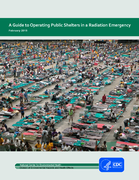
This guide is intended for shelter operators, planners, and staff, as well as emergency managers, public health professionals, and radiation protection professionals who participate in shelter planning and could be called upon to support shelter ope
...
rations. This guide provides information on the incident-specific considerations that shelter operators will
need to take into account in a radiation emergency. Shelter operations include other mass care and emergency assistance activities that are required to support a sheltered population, such as feeding, providing essential supplies, and assisting with reunification of family and friends. Guidance to support such activities can be found in other planning resources. The information in this guide is intended to complement, not supplant, existing shelter protocols and responsibilities.
more
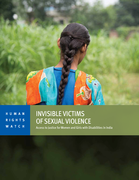
This report details the challenges many women and girls with disabilities face throughout the justice process: reporting abuse to the police, obtaining appropriate medical care, having complaints in
...
vestigated, navigating the court system, and getting adequate compensation.
more
