
Filter
3885
Text search:
World
Health
Organisation
Featured
326
893
Language
3276
580
178
94
82
69
55
50
13
6
6
6
5
5
5
5
4
4
4
4
4
4
4
4
4
4
3
3
3
3
3
2
2
2
2
2
2
2
2
2
2
2
2
1
1
1
1
1
1
1
1
1
1
1
1
1
1
Document type
1828
871
470
185
184
103
90
54
29
24
18
13
10
4
1
Countries
212
172
112
81
79
78
76
74
74
72
71
57
54
51
46
46
42
38
37
35
34
34
33
33
31
28
28
28
27
27
26
25
23
22
22
22
21
21
21
21
19
19
18
18
17
15
15
14
13
13
13
12
11
11
11
9
9
9
9
8
8
8
8
8
8
7
7
7
7
6
6
6
5
5
5
5
5
5
4
4
4
4
4
4
4
4
4
3
3
3
3
3
3
3
3
3
3
3
3
3
3
3
2
2
2
2
2
2
2
2
2
2
2
2
2
2
2
2
2
2
2
2
1
1
1
1
1
1
1
1
1
1
1
1
1
1
1
1
1
1
1
1
1
1
1
1
1
1
Authors & Publishers
621
280
95
85
79
77
51
50
50
43
35
35
33
22
22
22
20
19
19
19
18
17
16
16
15
15
14
14
14
13
13
12
11
11
11
11
11
11
11
10
10
10
10
9
9
9
9
9
9
8
8
8
8
7
7
7
7
7
7
7
7
7
7
7
7
6
6
6
6
6
6
6
6
6
6
6
6
6
6
6
5
5
5
5
5
5
5
5
5
5
5
5
5
5
5
5
5
5
5
5
5
5
4
4
4
4
4
4
4
4
4
4
4
4
4
4
4
4
4
4
4
4
4
4
4
4
4
4
4
4
4
4
4
4
4
4
4
4
4
4
4
4
4
4
4
4
4
4
4
3
3
3
3
3
3
3
3
3
3
3
3
3
3
3
3
3
3
3
3
3
3
3
3
3
3
3
3
3
3
3
3
3
3
3
3
3
3
3
3
3
3
3
3
3
3
3
3
3
3
3
3
3
3
3
3
3
3
3
3
3
3
3
3
3
3
3
3
3
3
3
3
2
2
2
2
2
2
2
2
2
2
2
2
2
2
2
2
2
2
2
2
2
2
2
2
2
2
2
2
2
2
2
2
2
2
2
2
2
2
2
2
2
2
2
2
2
2
2
2
2
2
2
2
2
2
2
2
2
2
2
2
2
2
2
2
2
2
2
2
2
2
2
2
2
2
2
2
2
2
2
2
2
2
2
2
2
2
2
2
2
2
2
2
2
2
2
2
2
2
2
2
2
2
2
2
2
2
2
2
2
2
2
2
2
2
2
2
2
2
2
2
2
2
2
2
2
2
2
2
2
2
2
2
2
2
2
2
2
2
2
2
2
2
2
2
2
2
2
2
2
2
2
2
2
2
2
2
2
2
2
2
2
2
2
2
2
2
2
2
2
2
2
2
2
2
2
2
2
2
2
2
2
2
2
2
2
2
2
2
2
2
2
2
2
1
1
1
1
1
1
1
1
1
1
1
1
1
1
1
1
1
1
1
1
1
1
1
1
1
1
1
1
1
1
1
1
1
1
1
1
1
1
1
1
1
1
1
1
1
1
1
1
1
1
1
1
1
1
1
1
1
1
1
1
1
1
1
1
1
1
1
1
1
1
1
1
1
1
1
1
1
1
1
1
1
1
1
1
1
1
1
1
1
1
1
1
1
1
1
1
1
1
1
1
1
1
1
1
1
1
1
1
1
1
1
1
1
1
1
1
1
1
1
1
1
1
1
1
1
1
1
1
1
1
1
1
1
1
1
1
1
1
1
1
1
1
1
1
1
1
1
1
1
1
1
1
1
1
1
1
1
1
1
1
1
1
1
1
1
1
1
1
1
1
1
1
1
1
1
1
1
1
1
1
1
1
1
1
1
1
1
1
1
1
1
1
1
1
1
1
1
1
1
1
1
1
1
1
1
1
1
1
1
1
1
1
1
1
1
1
1
1
1
1
1
1
1
1
1
1
1
1
1
1
1
1
1
1
1
1
1
1
1
1
1
1
1
1
1
1
1
1
1
1
1
1
1
1
1
1
1
1
1
1
1
1
1
1
1
1
1
1
1
1
1
1
1
1
1
1
1
1
1
1
1
1
1
1
1
1
1
1
1
1
1
1
1
1
1
1
1
1
1
1
1
1
1
1
1
1
1
1
1
1
1
1
1
1
1
1
1
1
1
1
1
1
1
1
1
1
1
1
1
1
1
1
1
1
1
1
1
1
1
1
1
1
1
1
1
1
1
1
1
1
1
1
1
1
1
1
1
1
1
1
1
1
1
1
1
1
1
1
1
1
1
1
1
1
1
1
1
1
1
1
1
1
1
1
1
1
1
1
1
1
1
1
1
1
1
1
1
1
1
1
1
1
1
1
1
1
1
1
1
1
1
1
1
1
1
1
1
1
1
1
1
1
1
1
1
1
1
1
1
1
1
1
1
1
1
1
1
1
1
1
1
1
1
1
1
1
1
1
1
1
1
1
1
1
1
1
1
1
1
1
1
1
1
1
1
1
1
1
1
1
1
1
1
1
1
1
1
1
1
1
1
1
1
1
1
1
1
1
1
1
1
1
1
1
1
1
1
1
1
1
1
1
1
1
1
1
1
1
1
1
1
1
1
1
1
1
1
1
1
1
1
1
1
1
1
1
1
1
1
1
1
1
1
1
1
1
1
1
1
1
1
1
1
1
1
1
1
1
1
1
1
1
1
1
1
1
1
1
1
1
1
1
1
1
1
1
1
1
1
1
1
1
1
1
1
1
1
1
1
1
1
1
1
1
1
1
1
1
1
1
1
1
1
1
1
1
1
1
1
1
1
1
1
1
1
1
1
1
1
1
1
1
1
1
1
1
1
1
1
1
1
1
1
1
1
1
1
1
1
1
1
1
1
1
1
1
1
1
1
1
1
1
1
1
1
1
1
1
1
1
1
1
1
1
1
1
1
1
1
1
1
1
1
1
1
1
1
1
1
1
1
1
1
1
1
1
1
1
1
1
1
1
1
1
1
1
1
1
1
1
1
1
1
1
1
1
1
1
1
1
1
1
1
1
1
1
1
1
1
1
1
1
1
1
1
1
1
1
1
1
1
1
1
1
1
1
1
1
1
1
1
1
1
1
1
1
1
1
1
1
1
1
1
1
1
1
1
1
1
1
1
1
1
1
1
1
1
1
1
1
1
1
1
1
1
1
1
1
1
1
1
1
1
1
1
1
1
1
1
1
1
1
1
1
1
1
1
1
1
1
1
1
1
1
1
1
1
1
1
1
1
1
1
1
1
1
1
1
1
1
1
1
1
1
1
1
1
1
1
1
1
1
1
1
1
1
1
1
1
1
1
1
1
1
1
1
1
1
1
1
1
1
1
1
1
1
1
1
1
1
1
1
1
1
1
1
1
1
1
1
1
1
1
1
1
1
1
1
1
1
1
1
1
1
1
1
1
1
1
1
1
1
1
1
1
1
1
1
1
1
1
1
1
1
1
1
1
1
1
1
1
1
1
1
1
1
1
1
1
1
1
1
1
1
1
1
1
1
1
1
1
1
1
1
1
1
1
1
1
1
1
1
1
1
1
1
1
1
1
1
1
1
1
1
1
1
1
1
1
1
1
1
1
1
1
1
1
1
1
1
1
1
1
1
1
1
1
1
1
1
1
1
1
1
1
1
1
1
1
1
1
1
1
1
1
1
1
1
1
1
1
1
1
1
1
1
1
1
1
1
1
1
1
1
1
1
1
1
1
1
1
1
1
1
1
1
1
1
1
1
1
1
1
1
1
1
1
1
1
1
1
1
1
1
1
1
1
1
1
1
1
1
1
1
1
1
1
1
1
1
1
1
1
1
1
1
1
1
1
1
1
1
1
1
1
1
1
1
1
1
1
1
1
1
1
1
1
1
1
1
1
1
1
1
1
1
1
1
1
1
1
1
1
1
1
1
1
1
1
1
1
1
1
1
1
1
1
1
1
1
1
1
1
1
1
1
1
1
1
1
1
1
1
1
1
1
1
1
1
1
1
1
1
1
1
1
1
1
1
1
1
1
1
1
1
1
1
1
1
1
1
1
1
1
1
1
1
1
1
1
1
1
1
1
1
1
1
1
1
1
1
1
1
1
1
1
1
1
1
1
1
1
1
1
1
1
1
1
1
1
1
1
1
1
1
1
1
1
1
1
1
1
1
1
1
1
1
1
1
1
1
1
1
1
1
1
1
1
1
1
1
1
1
1
1
1
1
1
1
1
1
1
1
1
1
1
1
1
1
1
1
1
1
1
1
1
1
1
1
1
1
1
1
1
1
1
1
1
1
1
1
1
1
1
1
1
1
1
1
1
1
1
1
1
1
1
1
1
1
1
1
1
1
1
1
1
1
1
1
1
1
1
1
1
1
1
1
1
1
1
1
1
1
1
1
1
1
1
1
1
1
1
1
1
1
1
1
1
1
1
1
1
1
1
1
1
1
1
1
1
1
1
1
1
1
1
1
1
1
1
1
1
1
1
1
1
1
1
1
1
1
1
1
1
1
1
1
1
1
1
1
1
1
1
1
1
1
1
1
1
1
1
1
1
1
1
1
1
1
1
1
1
1
1
1
1
1
1
1
1
1
1
1
1
1
1
1
1
1
1
1
1
1
1
1
1
1
1
1
1
1
1
1
1
1
1
1
1
1
1
1
1
1
1
1
1
1
1
1
1
1
1
1
1
1
1
1
1
1
1
1
1
1
1
1
1
1
1
1
1
1
1
1
1
1
1
1
1
1
1
1
1
1
1
1
1
1
1
1
1
1
1
1
1
1
1
1
1
1
1
1
1
1
1
1
1
1
1
1
1
1
1
1
1
1
1
1
1
1
1
1
1
1
1
1
1
1
1
1
1
1
1
1
1
1
1
1
1
1
1
1
1
1
1
1
1
1
1
1
1
1
1
1
1
1
1
1
1
1
1
1
1
1
1
1
1
1
1
1
1
1
1
1
1
1
1
1
1
1
1
1
1
1
1
1
1
1
1
1
1
1
1
1
1
1
1
1
1
1
1
1
1
1
1
1
1
1
1
1
1
1
1
1
1
1
1
1
1
1
1
1
1
1
1
1
1
1
1
1
1
1
1
1
1
1
1
1
1
1
1
1
1
1
1
1
1
1
1
1
1
1
1
1
1
1
1
1
1
1
1
1
1
1
1
1
1
1
1
1
1
1
1
1
1
1
1
1
1
1
1
1
1
1
1
1
1
1
1
1
1
1
1
1
1
1
1
1
1
1
1
1
1
1
1
1
1
1
1
1
1
1
1
1
1
1
1
1
1
1
1
1
1
1
1
1
1
1
1
1
1
1
1
1
1
1
1
1
1
1
1
1
1
1
1
1
1
1
1
1
1
1
1
1
1
1
1
1
1
1
1
1
1
1
1
1
1
1
1
1
1
1
1
1
1
1
1
1
1
1
1
1
1
1
1
1
1
1
1
1
1
1
1
1
1
1
1
1
1
1
1
1
1
1
1
1
1
1
1
1
1
1
1
1
1
1
1
1
1
1
1
1
1
1
1
1
1
1
1
1
1
1
1
1
1
1
1
1
1
1
1
1
1
1
1
1
1
1
1
1
1
1
1
1
1
1
1
1
1
1
1
1
1
1
1
1
1
1
1
1
1
1
1
1
1
1
1
1
1
1
1
1
1
1
1
1
1
1
1
1
1
1
1
1
1
1
1
1
1
1
1
1
1
1
1
1
1
1
1
1
1
1
1
1
1
1
1
1
1
1
1
1
1
1
1
1
1
1
1
1
1
1
1
1
1
1
1
1
1
1
1
1
1
1
1
1
1
1
1
1
1
1
1
1
1
1
1
1
1
1
1
1
1
1
1
1
1
1
1
1
1
1
1
1
1
1
1
1
1
1
1
1
1
1
1
1
1
1
1
1
1
1
1
1
1
1
1
1
1
1
1
1
1
1
1
1
1
1
1
1
1
1
1
1
1
1
1
1
1
1
1
1
1
1
1
1
1
1
1
1
1
1
1
1
1
1
1
1
1
1
1
1
1
1
1
1
1
1
1
1
1
1
1
1
1
1
1
1
1
1
1
1
1
1
1
1
1
1
1
1
1
1
1
1
1
1
1
1
1
1
1
1
1
1
1
1
1
1
1
1
1
1
1
1
1
1
1
1
1
1
1
1
1
1
1
1
1
1
1
1
1
1
1
1
1
1
1
1
1
1
1
1
1
1
1
1
1
1
1
1
1
1
1
1
1
1
1
1
1
1
1
1
1
1
1
1
1
1
1
1
1
1
1
1
1
1
1
1
1
1
1
1
1
1
1
1
1
1
1
1
1
1
1
1
1
1
1
1
1
1
1
1
1
1
1
1
1
1
1
1
1
1
1
1
1
1
1
1
1
1
1
1
1
1
1
1
1
1
1
1
1
1
1
1
1
1
1
1
1
1
1
1
1
1
1
1
1
1
1
1
1
1
1
1
1
1
1
1
1
1
1
1
1
1
1
1
1
1
1
1
1
1
1
1
1
1
1
1
1
1
1
1
1
1
1
1
1
1
1
1
1
1
1
1
1
1
1
1
1
1
1
1
1
1
1
1
1
1
1
1
1
1
1
1
1
1
1
1
1
1
1
1
1
1
1
1
1
1
1
1
1
1
1
1
1
1
1
1
1
1
1
1
1
1
1
1
1
1
1
1
1
1
1
1
1
1
1
1
1
1
1
1
1
1
1
1
1
1
1
1
1
1
1
1
1
1
1
1
1
1
1
1
1
1
1
1
1
1
1
1
1
1
1
1
1
1
1
1
1
1
1
1
1
1
1
1
1
1
1
1
1
1
1
1
1
1
1
1
1
1
1
1
1
1
1
1
1
1
1
1
1
1
1
1
1
1
1
1
1
1
1
1
1
1
1
1
1
1
1
1
1
1
1
1
1
1
1
1
1
1
1
1
1
1
1
1
1
1
1
1
1
1
1
1
1
1
1
1
1
1
1
1
1
1
1
1
1
1
1
1
1
1
1
1
1
1
1
1
1
1
1
1
1
1
1
1
1
1
1
1
1
Publication Years
1468
2112
281
22
1
1
Category
1394
266
231
209
182
64
36
2
Toolboxes
330
295
270
214
194
135
124
118
114
110
102
100
91
75
73
70
66
62
45
45
44
23
22
21
15
1

Les conséquences néfastes de la mauvaise gestion et les faits de corruption dans le domaine de la
santé ont amené l’Organisation mondiale de la Santé (OMS) à mettre en place depuis 2004, un
programme de bonne gouvernance qui vise à améli
...
orer les mesures de transparence dans
l’exercice des fonctions du secteur pharmaceutique.
Notre pays, le Bénin, ayant souscrit à ce programme en 2007, l’OMS a commis des experts qui ont
procédé à l’évaluation des fonctions essentielles du secteur pharmaceutique public béninois.
De l’analyse des résultats de cette évaluation réalisée conformément aux normes admises par
l’OMS en la matière, il ressort qu’en République du Bénin, la gestion des produits
pharmaceutiques dans le secteur public présente une vulnérabilité modérée à la corruption.
Sur les six (06) fonctions ayant fait l’objet de l’évaluation, seule celle liée au contrôle de la
promotion des médicaments présente une forte vulnérabilité à la corruption en raison de la faible
note de 3,428 sur 10 dont elle a été créditée.
more
At TB HIV Care, we work to strengthen South Africa’s primary healthcare system by delivery people-centred services that respond to the needs of our youth, vulnerable, and underserved communities. Our programmes focus on the prevention, treatment and diagnosis of TB, HIV, viral hepatitis and relate
...
d health conditions.
more

Event-based surveillance (EBS) is defined as the organized collection, monitoring, assessment and interpretation of mainly unstructured ad hoc information regarding health events or risks, which may represent an acute risk to
...
health. Both indicator-based and event-based surveillance components serve the early warning and response (EWAR) function of the public health surveillance system. The Framework for Event-based Surveillance offers guidance to public health practitioners seeking to implement EBS at each administrative level in their countries.
more

How should humanitarian organisations prepare and respond to COVID-19 in humanitarian settings in low- and middle-income countries?
This Rapid Learning Review outlines 14 actions, insights and ideas for humanitarian actors to consider in their COVID-19 responses. It summarises and synthesises the
...
best available knowledge and guidance for developing a health response to COVID-19 in low- and middle-income settings as at April 2020
The paper, supported by the UN Under-Secretary-General for Humanitarian Affairs and Emergency Relief Coordinator Mark Lowcock, will be updated throughout 2020 to reflect emerging knowledge and evidence on the most effective approaches to respond to the COVID-19 Pandemic.
more
a systematic review and meta-analysis Derek K Chu et al. on behalf of the COVID-19 Systematic Urgent Review Group Effort (SURGE) study authors.
Published: The Lancet June 01, 2020 DOI: https://doi.org/10.1016S0140-6736(20)31142-9
'We did a systematic review of 172 observational studies in
...
health-care and non-health-care settings across 16 countries and six continents... Physical distancing of 1 m or more was associated with a much lower risk of infection, as was use of face masks (including N95 respirators or similar and surgical or similar masks [eg, 12–16-layer cotton or gauze masks]) and eye protection (eg, goggles or face shields)...'
more
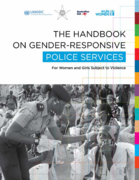
A new global Police Handbook aims to address some of the most difficult challenges that survivors of violence face when accessing police and justice sector services around the world.
Earthquake Haiti: Guidelines and Resources
recommended
25 August 2021. The earthquake on August 14, 2021 was almost as strong as the severe quake in 2010, which killed about 300,000 people. The current number of victims is more than 2,200 people, and more than 12,000 people have been injured. More than 52,000 houses were destroyed and more than 77,000
...
damaged. Thousands of families were affected! The magnitude 7.2 earthquake struck southwest Haiti at 8:30 a.m. local time at a depth of about 10 km. The epicentre was measured about 12 km northeast of Saint-Louis-du-Sud, about 125 km west of the capital Port-auPrince. The situation on the ground remains chaotic and the extent of the disaster cannot yet be predicted. In addition, heavy rainfall and the unstable security situation are complicating relief efforts. What is needed most now is food and drinking water, tents and primary health care. MEDBOX has already created the Natural Hazard Toolbox after the severe earthquake in 2010 and has collected many essential materials on health care, shelter & reconstruction after an earthquake in English, French and Kreyol there. In this issue brief, we provide a quick
overview of the most important information.
more
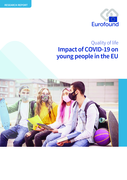
Following a long recovery from the economic crisis (2007–2013), young people in the EU proved to be more vulnerable to the effects of the restrictions put in place to slow the spread of the COVID-19 pandemic. Young people were more likely than older groups to experience job loss, financial insecur
...
ity and mental health problems. They reported reduced life satisfaction and mental well-being associated with the stay-at-home requirements and school closures. While governments responded quickly to the pandemic, most efforts to mitigate the effects of restrictions were temporary measures aimed at preventing job loss and keeping young people in education. This report explores the effects of the pandemic on young people, particularly in terms of their employment, well-being and trust in institutions, and assesses the various policy measures introduced to alleviate these effects.
Summary available in 22 languages
more
Cutaneous leishmaniasis (CL) is a neglected infectious endemic disease that is transmitted through the bite of a vector insect (sandfly) of the Lutzomyia genus,typical of rural geographical territories, and causes disfiguring skin ulcers and disabilities. It is estimated that CL affects between 600
...
000 and 1 000 000 people a year around the world, mainly in the America s, the Mediterranean basin, the Middle East and Central Asia. Eighteen of the 21 countries that make up the Latin American (LA) region are considered endemic areas for this neglected tropical disease. Colombia is one of the countries that reports the majority of global cases with 6161 in 2020 and has the second highest number of cases in the Americas, after Brazil.
more

Asthma is the most common noncommunicable disease in children, and among the most common in adults. According to the most recent estimates from the Global Asthma Network Phase I study, around one in 10 children and adults have symptoms of asthma and one in 20 school-aged children have severe asthma
...
symptoms, with marked variations in prevalence and in prevalence trends between countries and regions of the world. The Global Burden of Disease Study estimated that asthma caused the loss of 21.6 million healthy years of life (disability-adjusted life years) and 461 069 deaths in 2019. Approximately 90% of the asthma burden of disease is borne by people living low and middle income countries (LMICs). Some countries report very high (up to 90%) rates of uncontrolled asthma. While the prevalence of asthma is highest in countries with a high Socio-Demographic Index (SDI), death rates from asthma are highest in countries with low and lower middle incomes.
more

The Ministry of Education, Arts and Culture (MoEAC) has been implementing the Integrated School Health Programme in various forms since before the country attained political independence in 1990. School he
...
alth goes beyond the physical health of the learner, in that it includes the holistic wellbeing of the individual learner, meaning that the school environment should be safe and conducive to learning. The National Safe Schools Framework (NSSF) is an exciting dimension of the Integrated School Health Programme. The Programme focuses on promoting the health, safety and wellbeing of learners and other school stakeholders in Namibia, and the NSSF was developed to provide practical guidance to the schools and school stakeholders on how to systematically improve the standards of school safety, and how to develop a culture of care in any school.
more

Community led-monitoring is based on the principle that «Nothing that is done for us should
be done without us”. The combination of this principle with evidence shows that community-led
monitoring is an important driver of improved service delivery and
...
health outcomes that needs to
be re-emphasized. Thus, the community must participate at all stages of the fight against malaria.
This guide will be useful to CSOs working in the field of malaria in the conduct of community-led
monitoring of activities efficiently and allow these CSOs to know their role and responsibilities in this
exercise at each key stage. This guide will also provide CSOs and communities affected by malaria
with templates of monitoring tools adapted to key malaria programs.
more

The document “Guidelines for the Investigation and Control of Disease Outbreaks” provides practical guidance for public health professionals on how to detect, investigate, and manage outbreaks of communicable diseases. It describes the key steps
...
of outbreak investigation, including confirming the outbreak, establishing a case definition, collecting epidemiological and laboratory data, identifying the source and mode of transmission, and implementing control measures. The guidelines also explain how to organize outbreak response teams, communicate findings, and document results in outbreak reports. Overall, the document aims to support systematic and effective outbreak investigations in order to control disease spread and protect public health.
more
What are the local beliefs and practices around illnesses and death, the transmission of disease and spirituality, which affect decision-making (around health-seeking behaviour, caring for relatives and nature of burials) and can inform effective be
...
haviour change interventions for preventing Ebola in Sierra Leone?
more

This EISF report provides an analysis of the issues surrounding the relationship between NGO’s and their local partners. It includes a section on the topic and its background, responsabilities towards the partner organisation and particularly in t
...
erms of security, how to enable and help the partner in developing a project from start to finish, the challenges of developing that capacity in the partner organisation. It also includes three anexes, namely a Partner Security Level Assessment, a Checklist of organisational security perspectives and Participants.
more

Commissioned by Plan International the report draws on data from research conducted in Bangladesh in April 2018. It explores how adolescent girls within two age brackets (10-14 and 15-19) understand the unique impact the crisis has upon them, and how they have responded to the challenges they face.
... Despite the numbers of adolescent girls affected so profoundly by the ongoing Rohingya crisis, and of course, by many crises around the world, it is rare that either their own communities or the humanitarian sector at large pay much attention to them. This research is an attempt to rectify that: to acknowledge that girls and young women do have rights and that their ideas are worth listening to and acting upon.
Among the many learnings, we discovered that girls feel isolated. They have settled among strangers, and parents worry about their safety, keeping them even more trapped inside their new, makeshift homes.
75% of girls interviewed said they have no ability to make decisions about their own lives. more
... Despite the numbers of adolescent girls affected so profoundly by the ongoing Rohingya crisis, and of course, by many crises around the world, it is rare that either their own communities or the humanitarian sector at large pay much attention to them. This research is an attempt to rectify that: to acknowledge that girls and young women do have rights and that their ideas are worth listening to and acting upon.
Among the many learnings, we discovered that girls feel isolated. They have settled among strangers, and parents worry about their safety, keeping them even more trapped inside their new, makeshift homes.
75% of girls interviewed said they have no ability to make decisions about their own lives. more

A human rights-based approach to disability in development - Entry points for development organisations
Ilse Worm
Deutsche Gesellschaft für Internationale Zusammenarbeit (GIZ) & Christoffel-Blindenmission (CBM)
(2012)
C2
This study has been produced jointly by Gesellschaft für Internationale Zusammenarbeit (GIZ) GmbH, a federally owned enterprise, implementing development programmes on behalf of the German Government, and CBM, a non-governmental organisation. Accor
...
dingly, its aim is to offer guidance to those in both governmental and non-governmental organisations on development cooperation. Given the wide and differing range of implementation procedures, levels of intervention and organisational cultures, it is not a ready-to-be-applied toolbox with concrete blueprints for action. Rather, it raises awareness on core human rights and disability – inclusive principles. It explains and illustrates the implications of applying these principles to development practice. Practitioners can therefore use the guidance to initiate a process of consideration of how to embed these principles within their programmes.
more
The Trends and Developments report presents a top-level overview of the drug phenomenon in Europe, covering drug supply, use and public health problems as well as drug policy and responses. Together with the online Statistical Bulletin and 30 Countr
...
y Drug Reports, it makes up the 2019 European Drug Report package.
Available in different languages: http://www.emcdda.europa.eu/publications/edr/trends-developments/2019_en
more
From Participation to Partnerships (September 2020)
Despite the COVID-19 challenges, children around the world have found meaningful ways to support and protect their peers, families, and communities. Children are on the frontlines of innovative re
...
sponses and are working closely with their adult allies. The leadership demonstrated through these child-adult partnerships is the underlying inspiration for this guide.
more
Framework for Fair, Equitable and Timely Allocation of COVID-19 Vaccines in Africa. Highlights Day 1
The virtual conference, co-organised by the Africa Centres for Disease Control and Prevention (Africa CDC) and the South African Medical Research Council (SAMRC) brought together African leaders, public health professionals and researchers, policyma
...
kers, business leaders and civil society and community leaders.
The objective was to discuss strategies and approaches to remove barriers to widespread delivery and uptake of effective COVID-19 vaccines across Africa, guided by African voices and indigenous values. The goal of the conference was to provide input for a framework for fair, equitable and timely allocation of COVID-19 vaccines in Africa.
more
