
Filter
2861
Filtered Results: 2861
Text search:
Transition
Planning
Featured
Recommendations
221
New Publications
854
Language
Document type
No document type
1717
Studies & Reports
478
Guidelines
280
Manuals
149
Strategic & Response Plan
139
Training Material
43
Fact sheets
27
Situation Updates
14
Resource Platforms
6
Infographics
6
App
1
Online Courses
1
Countries / Regions
Global
131
India
100
Kenya
90
Myanmar / Burma
76
Sierra Leone
60
Liberia
60
Nepal
55
Nigeria
55
Western and Central Europe
55
South Africa
55
Zambia
55
Uganda
53
Ethiopia
53
Bangladesh
50
Malawi
43
Tanzania
43
Africa
38
Latin America and the Carribbean
38
Rwanda
37
Syria
37
Namibia
35
Congo, Democratic Republic of
34
Ghana
32
Ukraine
29
Asia
27
Guinea
25
South Sudan
25
Mozambique
23
South–East Asia Region
23
Eastern Europe
23
Senegal
22
Philippines
21
Cambodia
21
Lesotho
17
Zimbabwe
15
Haiti
15
Indonesia
15
Afghanistan
13
East and Southern Africa
13
Botswana
13
Pakistan
13
Benin
10
Cameroon
10
West and Central Africa
10
Venezuela
9
Russia
9
Yemen
9
Colombia
8
Lebanon
8
Central African Republic
8
Jordan
7
Vietnam
7
Moldova
7
Somalia
7
Eswatini/ Swaziland
7
Burkina Faso
6
Middle East and North Africa
6
Eastern Europe and Central Asia
6
Brazil
6
Thailand
5
Peru
5
Germany
5
Madagascar
5
China
4
Laos
4
North America
4
Southern Africa
4
Sri Lanka
4
Sudan
4
North Macedonia
3
Timor Leste/ East Timor
3
Turkey
3
Togo
3
Albania
3
USA
3
Western Pacific Region
3
Bosnia and Herzegovina
3
Egypt
3
Georgia
3
Tajikistan
2
Serbia
2
Chile
2
Iran
2
Burundi
2
Dominican Republic
2
Croatia
2
Turkmenistan
2
Jamaica
2
Japan
2
Mauritius
2
Côte d’Ivoire / Ivory Coast
2
Papua New Guinea
2
Romania
2
Poland
2
Mali
2
Iraq
2
North Korea
1
Mexico
1
El Salvador
1
Gambia
1
Kazakhstan
1
Singapore
1
Estonia
1
Kyrgyzstan
1
Niger
1
Bulgaria
1
Armenia
1
Guinea-Bissau
1
Hungary
1
Lithuania
1
Ireland
1
Paraguay
1
United Kingdom
1
Portugal
1
Spain
1
Azerbaijan
1
Belize
1
Costa Rica
1
Panama
1
Nicaragua
1
Slovakia
1
Greece
1
Palestine
1
Honduras
1
Angola
1
Chad
1
Libya
1
Bhutan
1
Guatemala
1
Authors & Publishers
Publication Years
Category
Countries
1104
Key Resources
196
Women & Child Health
174
Public Health
163
Clinical Guidelines
111
Capacity Building
80
Pharmacy & Technologies
8
Toolboxes
HIV
248
Mental Health
186
Planetary Health
147
COVID-19
145
Disability
139
Conflict
108
TB
96
Caregiver
67
Global Health Education
63
Ebola & Marburg
61
Health Financing Toolbox
60
Natural Hazards
49
Refugee
45
NCDs
42
Pharmacy
30
NTDs
30
Malaria
30
Rapid Response
29
2.0 Rapid Response
27
Polio
25
Social Ethics
23
Specific Hazards
18
AMR
18
Cholera
5
Zika
5
Typhoon
3
South Sudan
2

The Social and Behaviour Change Communication (SBCC) Strategy for the Prevention of the Re-establishment of Malaria Transmission in Timor-Leste forms part of the National Strategic Plan (NSP) for 2021–2025. The strategy aims to support Timor-Leste's efforts to sustain malaria elimination by promot...

4th edition, Reference Manual

Pillar 3 of the Global technical strategy for malaria 2016–2030 calls for the transformation of malaria surveillance into a core intervention in all malaria-endemic countries, as well as in countries which have eliminated malaria but remain susceptible to re-establishment of transmission. This ref...

Offering additional pre-exposure prophylaxis (PrEP) choices has the potential to increase uptake and effective use of PrEP, and of HIV prevention overall, as it allows people to choose a method that they prefer.
In this guideline, WHO recommends an offering long-acting injectable lenacapavir (LEN...

Guidelines on lenacapavir for HIV prevention and testing strategies for long-acting injectable pre-exposure prophylaxis. Web Annex B
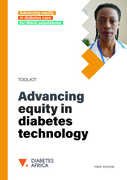
This toolkit suggests several approaches to addressing technology
access disparities. At its core is a comprehensive checklist that helps
teams systematically evaluate their current practices and identify
opportunities for improvement. This structured self-assessment
tool spans both team-level a...

This guidance covers different options for banning or phasing out a pesticide and suggests related risk reduction measures to be taken during the phase-out period. A key focus of this guidance is how to take action to manage, prevent, minimize, and communicate about identified risks during the imple...

Integrated Outbreak Analytics (IOA) applies a multidisciplinary approach to understanding outbreak dynamics and to inform outbreak response. It aims to drive comprehensive, accountable, and effective public health and clinical strategies by enabling communities, and national and subnational health a...

The 2022 report reviews the global malaria diagnostics market and technological landscape to support Unitaid’s 2023–2027 strategy for quality malaria case management. The report highlights the stalled progress of malaria control efforts, the gaps in access to diagnostics and the public health im...

The annual bulletin of the Mekong Malaria Elimination (MME) programme is a yearly report that reviews ongoing efforts to combat multidrug resistance and eliminate malaria in the 6 countries of the Greater Mekong subregion (GMS): Cambodia, China (Yunnan province), Lao People's Democratic Republic, My...

Non-Communicable Diseases (NCDs) have emerged as conditions of great public health concern in Kenya accounting for 39% of deaths annually. The Ministry of Health through the Department of Non-Communicable Diseases has adopted the vision of achieving a nation free from preventable burden of NCDs. Fur...

This document outlines the plan for a continental cholera prevention and control with the implementation framework for the Cholera IMST, detailing its governance structure, strategic priorities, and operational modalities

The health impacts of climate change are no longer a distant threat. They are being felt here and now and becoming more extreme.
To address these threats, the WHO Asia-Pacific Centre for Environment and Health in the Western Pacific Region (ACE) was established in 2019 through a partnership with ...

On Global Handwashing Day, WHO and UNICEF have released the first-ever global Guidelines on Hand Hygiene in Community Settings to support governments and practitioners in promoting effective hand hygiene outside health care – across households, public spaces and institutions. Framing hand hygiene ...

WHO consolidated guidelines on tuberculosis: Module 6: tuberculosis and comorbidities, 2nd ed
recommended
Addressing TB comorbidities and risk factors is central to the World Health Organization (WHO) End TB Strategy. These guidelines consolidate the latest WHO recommendations on TB and key comorbidities. The guidelines are a living document and will include dedicated sections for each key TB comorbidit...

Building on the WHO guidelines for disclosure to children up to age 12 in 2011, this implementation guidance provides evidence on existing interventions that support children and adolescents living with HIV in the process of disclosure. It includes interventions that focuses on safe disclosure, as w...

Adolescents and young adults aged 10-24 remain underserved in the global response against HIV. Combination prevention, treatment and care programmes use a mix of evidence-based interventions to meet the current HIV prevention needs of adolescents and young adults. However, there needs to be a focus ...

This document, with a focus on the built environment and health care facilities, intends to guide the audience in preparing for and responding to SARI pandemics caused by existing and novel pathogens. It provides technical guidance on designing, establishing, and managing health care facilities for ...
Country tables & figures

a landscape report of voluntary medical male circumcision priority countries.
This report provides the findings from the baseline implementation of these tools in 15 VMMC priority countries in 2021. It is intended for VMMC national programme leaders and implementing and global partners. Its goals a...
