
Filter
4093
Text search:
behaviour
Featured
374
1065
Language
3892
121
98
95
60
28
27
26
13
12
10
9
8
7
7
7
7
6
6
5
5
5
5
4
4
4
4
4
4
3
3
3
3
3
3
3
3
3
3
2
2
2
2
2
2
2
2
2
2
2
2
1
1
1
1
1
1
1
1
1
1
1
1
1
Document type
2273
643
504
253
155
111
90
19
17
13
6
6
1
Countries
230
180
113
105
95
93
87
81
80
77
68
63
62
59
58
57
56
40
38
38
35
32
30
30
30
29
27
24
23
23
20
20
20
20
18
18
18
18
16
16
15
14
13
13
12
12
12
12
9
9
8
8
8
7
7
7
6
6
6
6
6
6
5
5
5
5
5
5
4
4
4
4
3
3
3
3
3
3
3
3
3
3
3
3
3
2
2
2
2
2
2
2
2
2
2
2
1
1
1
1
1
1
1
1
1
1
1
1
1
1
1
1
1
1
1
1
1
1
1
1
1
1
1
1
1
1
1
1
1
1
1
1
1
1
1
Authors & Publishers
592
194
119
117
98
95
81
66
66
39
34
32
27
24
24
24
23
23
22
22
21
20
19
18
16
16
14
14
14
14
14
13
13
11
11
11
11
11
10
10
10
10
10
10
10
9
9
9
9
9
9
9
9
8
8
8
8
8
8
8
8
8
8
8
7
7
7
7
7
7
7
7
7
7
7
7
7
6
6
6
6
6
6
6
6
6
6
6
6
6
6
6
6
6
6
6
6
6
6
6
6
5
5
5
5
5
5
5
5
5
5
5
5
5
5
5
5
5
5
5
5
5
5
4
4
4
4
4
4
4
4
4
4
4
4
4
4
4
4
4
4
4
4
4
4
4
4
4
4
4
4
4
4
4
4
4
4
4
4
4
4
4
4
4
4
4
4
4
4
4
4
4
4
4
4
3
3
3
3
3
3
3
3
3
3
3
3
3
3
3
3
3
3
3
3
3
3
3
3
3
3
3
3
3
3
3
3
3
3
3
3
3
3
3
3
3
3
3
3
3
3
3
3
3
3
3
3
3
3
3
3
3
3
3
3
3
3
3
3
3
3
3
3
3
3
3
3
3
3
3
3
3
3
3
3
3
3
3
3
3
3
3
3
3
2
2
2
2
2
2
2
2
2
2
2
2
2
2
2
2
2
2
2
2
2
2
2
2
2
2
2
2
2
2
2
2
2
2
2
2
2
2
2
2
2
2
2
2
2
2
2
2
2
2
2
2
2
2
2
2
2
2
2
2
2
2
2
2
2
2
2
2
2
2
2
2
2
2
2
2
2
2
2
2
2
2
2
2
2
2
2
2
2
2
2
2
2
2
2
2
2
2
2
2
2
2
2
2
2
2
2
2
2
2
2
2
2
2
2
2
2
2
2
2
2
2
2
2
2
2
2
2
2
2
2
2
2
2
2
2
2
2
2
2
2
2
2
2
2
2
2
2
2
2
2
2
2
2
2
2
2
2
2
2
2
2
2
2
2
2
2
2
2
2
2
2
2
2
2
2
2
2
2
2
2
2
2
2
2
2
2
2
2
2
2
2
2
2
2
2
2
2
2
2
2
2
2
2
2
2
2
2
2
2
2
2
2
2
2
2
2
2
2
2
2
2
2
2
2
2
2
2
2
2
2
2
2
2
2
2
2
1
1
1
1
1
1
1
1
1
1
1
1
1
1
1
1
1
1
1
1
1
1
1
1
1
1
1
1
1
1
1
1
1
1
1
1
1
1
1
1
1
1
1
1
1
1
1
1
1
1
1
1
1
1
1
1
1
1
1
1
1
1
1
1
1
1
1
1
1
1
1
1
1
1
1
1
1
1
1
1
1
1
1
1
1
1
1
1
1
1
1
1
1
1
1
1
1
1
1
1
1
1
1
1
1
1
1
1
1
1
1
1
1
1
1
1
1
1
1
1
1
1
1
1
1
1
1
1
1
1
1
1
1
1
1
1
1
1
1
1
1
1
1
1
1
1
1
1
1
1
1
1
1
1
1
1
1
1
1
1
1
1
1
1
1
1
1
1
1
1
1
1
1
1
1
1
1
1
1
1
1
1
1
1
1
1
1
1
1
1
1
1
1
1
1
1
1
1
1
1
1
1
1
1
1
1
1
1
1
1
1
1
1
1
1
1
1
1
1
1
1
1
1
1
1
1
1
1
1
1
1
1
1
1
1
1
1
1
1
1
1
1
1
1
1
1
1
1
1
1
1
1
1
1
1
1
1
1
1
1
1
1
1
1
1
1
1
1
1
1
1
1
1
1
1
1
1
1
1
1
1
1
1
1
1
1
1
1
1
1
1
1
1
1
1
1
1
1
1
1
1
1
1
1
1
1
1
1
1
1
1
1
1
1
1
1
1
1
1
1
1
1
1
1
1
1
1
1
1
1
1
1
1
1
1
1
1
1
1
1
1
1
1
1
1
1
1
1
1
1
1
1
1
1
1
1
1
1
1
1
1
1
1
1
1
1
1
1
1
1
1
1
1
1
1
1
1
1
1
1
1
1
1
1
1
1
1
1
1
1
1
1
1
1
1
1
1
1
1
1
1
1
1
1
1
1
1
1
1
1
1
1
1
1
1
1
1
1
1
1
1
1
1
1
1
1
1
1
1
1
1
1
1
1
1
1
1
1
1
1
1
1
1
1
1
1
1
1
1
1
1
1
1
1
1
1
1
1
1
1
1
1
1
1
1
1
1
1
1
1
1
1
1
1
1
1
1
1
1
1
1
1
1
1
1
1
1
1
1
1
1
1
1
1
1
1
1
1
1
1
1
1
1
1
1
1
1
1
1
1
1
1
1
1
1
1
1
1
1
1
1
1
1
1
1
1
1
1
1
1
1
1
1
1
1
1
1
1
1
1
1
1
1
1
1
1
1
1
1
1
1
1
1
1
1
1
1
1
1
1
1
1
1
1
1
1
1
1
1
1
1
1
1
1
1
1
1
1
1
1
1
1
1
1
1
1
1
1
1
1
1
1
1
1
1
1
1
1
1
1
1
1
1
1
1
1
1
1
1
1
1
1
1
1
1
1
1
1
1
1
1
1
1
1
1
1
1
1
1
1
1
1
1
1
1
1
1
1
1
1
1
1
1
1
1
1
1
1
1
1
1
1
1
1
1
1
1
1
1
1
1
1
1
1
1
1
1
1
1
1
1
1
1
1
1
1
1
1
1
1
1
1
1
1
1
1
1
1
1
1
1
1
1
1
1
1
1
1
1
1
1
1
1
1
1
1
1
1
1
1
1
1
1
1
1
1
1
1
1
1
1
1
1
1
1
1
1
1
1
1
1
1
1
1
1
1
1
1
1
1
1
1
1
1
1
1
1
1
1
1
1
1
1
1
1
1
1
1
1
1
1
1
1
1
1
1
1
1
1
1
1
1
1
1
1
1
1
1
1
1
1
1
1
1
1
1
1
1
1
1
1
1
1
1
1
1
1
1
1
1
1
1
1
1
1
1
1
1
1
1
1
1
1
1
1
1
1
1
1
1
1
1
1
1
1
1
1
1
1
1
1
1
1
1
1
1
1
1
1
1
1
1
1
1
1
1
1
1
1
1
1
1
1
1
1
1
1
1
1
1
1
1
1
1
1
1
1
1
1
1
1
1
1
1
1
1
1
1
1
1
1
1
1
1
1
1
1
1
1
1
1
1
1
1
1
1
1
1
1
1
1
1
1
1
1
1
1
1
1
1
1
1
1
1
1
1
1
1
1
1
1
1
1
1
1
1
1
1
1
1
1
1
1
1
1
1
1
1
1
1
1
1
1
1
1
1
1
1
1
1
1
1
1
1
1
1
1
1
1
1
1
1
1
1
1
1
1
1
1
1
1
1
1
1
1
1
1
1
1
1
1
1
1
1
1
1
1
1
1
1
1
1
1
1
1
1
1
1
1
1
1
1
1
1
1
1
1
1
1
1
1
1
1
1
1
1
1
1
1
1
1
1
1
1
1
1
1
1
1
1
1
1
1
1
1
1
1
1
1
1
1
1
1
1
1
1
1
1
1
1
1
1
1
1
1
1
1
1
1
1
1
1
1
1
1
1
1
1
1
1
1
1
1
1
1
1
1
1
1
1
1
1
1
1
1
1
1
1
1
1
1
1
1
1
1
1
1
1
1
1
1
1
1
1
1
1
1
1
1
1
1
1
1
1
1
1
1
1
1
1
1
1
1
1
1
1
1
1
1
1
1
1
1
1
1
1
1
1
1
1
1
1
1
1
1
1
1
1
1
1
1
1
1
1
1
1
1
1
1
1
1
1
1
1
1
1
1
1
1
1
1
1
1
1
1
1
1
1
1
1
1
1
1
1
1
1
1
1
1
1
1
1
1
1
1
1
1
1
1
1
1
1
1
1
1
1
1
1
1
1
1
1
1
1
1
1
1
1
1
1
1
1
1
1
1
1
1
1
1
1
1
1
1
1
1
1
1
1
1
1
1
1
1
1
1
1
1
1
1
1
1
1
1
1
1
1
1
1
1
1
1
1
1
1
1
1
1
1
1
1
1
1
1
1
1
1
1
1
1
1
1
1
1
1
1
1
1
1
1
1
1
1
1
1
1
1
1
1
1
1
1
1
1
1
1
1
1
1
1
1
1
1
1
1
1
1
1
1
1
1
1
1
1
1
1
1
1
1
1
1
1
1
1
1
1
1
1
1
1
1
1
1
1
1
1
1
1
1
1
1
1
1
1
1
1
1
1
1
1
1
1
1
1
1
1
1
1
1
1
1
1
1
1
1
1
1
1
1
1
1
1
1
1
1
1
1
1
1
1
1
1
1
1
1
1
1
1
1
1
1
1
1
1
1
1
1
1
1
1
1
1
1
1
1
1
1
1
1
1
1
1
1
1
1
1
1
1
1
1
1
1
1
1
1
1
1
1
1
1
1
1
1
1
1
1
1
1
1
1
1
1
1
1
1
1
1
1
1
1
1
1
1
1
1
1
1
1
1
1
1
1
1
1
1
1
1
1
1
1
1
1
1
1
1
1
1
1
1
1
1
1
1
1
1
1
1
1
1
1
1
1
1
1
1
1
1
1
1
1
1
1
1
1
1
1
1
1
1
1
1
1
1
1
1
1
1
1
1
1
1
1
1
1
1
1
1
1
1
1
1
1
1
1
1
1
1
1
1
1
1
1
1
1
1
1
1
1
1
1
1
1
1
1
1
1
1
1
1
1
1
1
1
1
1
1
1
1
1
1
1
1
1
1
1
1
1
1
1
1
1
1
1
1
1
1
1
1
1
1
1
1
1
1
1
1
1
1
1
1
1
1
1
1
1
1
1
1
1
1
1
1
1
1
1
1
1
1
1
1
1
1
1
1
1
1
1
1
1
1
1
1
1
1
1
1
1
1
1
1
1
1
1
1
1
1
1
1
1
1
1
1
1
1
1
1
1
1
1
1
1
1
1
1
1
1
1
1
1
1
1
1
1
1
1
1
1
1
1
1
1
1
1
1
1
1
1
1
1
1
1
1
1
1
1
1
1
1
1
1
1
1
1
1
1
1
1
1
1
1
1
1
1
1
1
1
1
1
1
1
1
1
1
1
1
1
1
1
1
1
1
1
1
1
1
1
1
1
1
1
1
1
1
1
1
1
1
1
1
1
1
1
1
1
1
1
1
1
1
1
1
1
1
1
1
1
1
1
1
1
1
1
1
1
1
1
1
1
1
1
1
1
1
1
1
1
1
1
1
1
1
1
1
1
1
1
1
1
1
1
1
1
1
1
1
1
1
1
1
1
1
1
1
1
1
1
1
1
1
1
1
1
1
1
1
1
1
1
1
1
1
1
1
1
1
1
1
1
1
1
1
1
1
1
1
1
1
1
1
1
1
1
1
1
1
1
1
1
1
1
1
1
1
1
1
1
1
1
1
1
1
1
1
1
1
1
1
1
1
1
1
1
1
1
1
1
1
1
1
1
1
1
1
1
1
1
1
1
1
1
1
1
1
1
1
1
1
1
1
1
1
1
1
1
1
1
1
1
1
1
1
1
1
1
1
1
1
1
1
1
1
1
1
1
1
1
1
1
1
1
1
1
1
1
1
1
1
1
1
1
1
1
1
1
1
1
1
1
1
1
1
1
1
1
1
1
1
1
1
1
1
1
1
1
1
1
1
1
1
1
1
1
1
1
1
1
1
1
1
1
1
1
1
1
1
1
1
1
1
1
1
1
1
1
1
1
1
1
1
1
1
1
1
1
1
1
1
1
1
1
1
1
1
1
1
1
1
1
1
1
1
1
1
1
1
1
1
1
1
1
1
1
1
1
1
1
1
1
1
1
1
1
1
1
1
1
1
1
1
1
1
1
1
1
1
1
1
1
1
1
1
1
1
1
1
1
1
1
1
1
1
1
1
1
1
1
1
1
1
1
1
1
1
1
1
1
1
1
1
1
1
1
1
1
1
1
1
1
1
1
1
1
1
1
1
1
1
1
1
1
1
1
1
1
1
1
1
1
1
1
1
1
1
1
1
1
1
1
1
1
1
1
1
1
1
1
1
1
1
1
1
1
1
1
1
1
1
1
1
1
1
1
1
1
1
1
1
1
1
1
1
1
1
1
1
1
1
1
1
1
1
1
1
1
1
1
1
1
1
1
1
1
1
1
1
1
1
1
1
1
1
1
1
1
1
1
1
1
1
1
1
1
1
1
1
1
1
1
1
1
1
1
1
1
1
1
1
1
1
1
1
1
1
1
1
1
1
1
1
1
1
1
1
1
1
1
1
1
1
1
1
1
1
1
1
1
1
1
1
1
1
1
1
1
1
1
1
1
1
1
1
1
1
1
1
1
1
1
1
1
1
1
1
1
1
1
1
1
1
1
1
1
1
1
1
1
1
1
1
1
1
1
1
1
1
1
1
1
1
1
1
1
1
1
1
1
1
1
1
1
1
1
1
1
1
1
1
1
1
1
1
1
1
1
1
1
1
1
1
1
1
1
1
1
1
1
1
1
1
1
1
1
1
1
1
1
1
1
1
1
1
1
1
1
1
1
1
1
1
1
1
1
1
1
1
1
1
1
1
1
1
1
1
1
1
1
1
1
1
1
1
1
1
1
1
1
1
1
1
1
1
1
1
1
1
1
1
1
1
1
1
1
1
1
1
1
1
1
1
1
1
1
1
1
1
1
1
1
1
1
1
1
1
1
1
1
1
1
1
1
1
1
1
1
1
1
1
1
1
1
1
1
1
1
1
1
1
1
1
1
1
1
1
1
1
1
1
1
1
1
1
1
1
1
1
1
1
1
1
1
1
1
1
1
1
1
1
1
1
1
1
1
1
1
1
1
1
1
1
1
1
1
1
1
1
1
1
1
1
1
1
1
1
1
1
1
1
1
1
1
1
1
1
1
1
1
1
1
1
1
1
1
1
1
1
1
1
1
1
1
1
1
1
1
1
1
1
1
1
1
1
1
1
1
1
1
1
1
1
1
1
1
1
1
1
1
1
1
1
1
1
1
1
1
1
1
1
1
1
1
1
1
1
1
1
1
1
1
1
1
1
1
1
1
1
1
1
1
1
1
1
1
1
1
1
1
1
1
1
1
1
1
1
1
1
1
1
1
1
1
1
1
1
1
1
1
1
1
1
1
1
1
1
1
1
1
1
1
1
1
1
1
1
1
1
1
1
1
1
1
1
1
1
1
1
1
1
1
1
1
1
1
1
1
1
1
1
1
1
1
1
1
1
1
1
1
1
1
1
1
1
1
1
1
1
1
1
1
1
1
1
1
1
1
1
1
1
1
1
1
1
1
1
1
1
1
1
1
1
1
1
1
1
1
Publication Years
1
1130
2564
382
16
Category
1458
288
275
243
214
102
12
1
Toolboxes
623
263
169
168
145
136
128
114
105
98
91
86
84
83
76
55
45
35
34
28
27
26
20
16
10
Стандарты для сокращения риска бедствий
Flood Disaster Risk Management - Hydrological Forecasts: Requirements and Best Practices (Training Module)
Vogelbacher, A.
National Institute of Disaster Management (NIDM), Deutsche Gesellschaft für Internationale Zusammenarbeit (GIZ)
(2013)
C1
This Case Study explores flood forecasting systems from the perspective of its position within the flood warning process. A method for classifying the different approaches taken in flood forecasting is introduced before the elements of a present-day flood forecasting system are discussed in detail.
...
Finally, the state of the art in developing flood forecasting systems is addressed including how to deal with specific challenges posed.
The target group of this case study are decision makers in disaster risk management and/or water management. The case study should help to understand some hydrologic basics of the flood forecast and assist in the administration and implementation of an appropriate flood warning system in a specific environment, to find the best solution for a region.
Best solutions depend mainly on quality and availability of data, the areas and/or points of interest, catchment properties, cross border catchments, and financial capabilities with special consideration of flood forecast. more
The target group of this case study are decision makers in disaster risk management and/or water management. The case study should help to understand some hydrologic basics of the flood forecast and assist in the administration and implementation of an appropriate flood warning system in a specific environment, to find the best solution for a region.
Best solutions depend mainly on quality and availability of data, the areas and/or points of interest, catchment properties, cross border catchments, and financial capabilities with special consideration of flood forecast. more

Sectors in which Priority Adaptation Projects should be implemented first include:
- 1) Agriculture, Early Warning Systems and Forest (First Priority Level Sectors). This is followed by:
- 2) Public Health and Water Resources (Second Priority Level Sectors);
- 3) Coastal Zone (Thir ... d Priority Level Sector); and
- 4) Energy and Industry, and Biodiversity (Fourth Priority Level Sectors). more
- 1) Agriculture, Early Warning Systems and Forest (First Priority Level Sectors). This is followed by:
- 2) Public Health and Water Resources (Second Priority Level Sectors);
- 3) Coastal Zone (Thir ... d Priority Level Sector); and
- 4) Energy and Industry, and Biodiversity (Fourth Priority Level Sectors). more

This handbook presents basic content and tips for implementing a school-based risk reduction programme. It is organised into five modules: its importance; approach and process; activities to benefit children up to five years old; activities for students aged 5–17; and activities for young people a
...
nd volunteers aged 17–24.
A generic framework for school-based risk reduction initiatives is illustrated in a diagram on p.10. The Comprehensive School Safety framework suggests a series of continuing activities that include: identifying the hazards in and around a school; conducting drills; preparing contingency and disaster management plans by involving parents, teachers and students; and building on the capacities of an institution and individuals to cope with the challenges during an unforeseen event. It also consists of three pillars: safe learning facilities; school disaster management; and risk reduction and resilience education. more
A generic framework for school-based risk reduction initiatives is illustrated in a diagram on p.10. The Comprehensive School Safety framework suggests a series of continuing activities that include: identifying the hazards in and around a school; conducting drills; preparing contingency and disaster management plans by involving parents, teachers and students; and building on the capacities of an institution and individuals to cope with the challenges during an unforeseen event. It also consists of three pillars: safe learning facilities; school disaster management; and risk reduction and resilience education. more

Asia-Pacific Disaster Report 2017
The report looks at the extent and impact of natural disasters across the region and how these intersect with poverty, inequality and the effects of violent conflict. But it also shows how scientific and other advances have increased the potential for building di ... saster resilience and ensuring that even in the most extreme circumstances people can survive disaster impacts and rebuild their communities and livelihoods.
Disaster resilience is a key element of the 2030 Agenda for Sustainable Development. The Sustainable Development Goals are based on the premise of reaching absolutely everyone. When the drought is assessed, when the flood warnings are broadcast, when the tsunami siren sounds, the aim is to ‘leave no one behind’. more
The report looks at the extent and impact of natural disasters across the region and how these intersect with poverty, inequality and the effects of violent conflict. But it also shows how scientific and other advances have increased the potential for building di ... saster resilience and ensuring that even in the most extreme circumstances people can survive disaster impacts and rebuild their communities and livelihoods.
Disaster resilience is a key element of the 2030 Agenda for Sustainable Development. The Sustainable Development Goals are based on the premise of reaching absolutely everyone. When the drought is assessed, when the flood warnings are broadcast, when the tsunami siren sounds, the aim is to ‘leave no one behind’. more
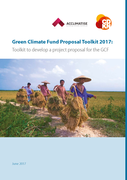
Green Climate Fund Proposal Toolkit 2017: Toolkit to develop a project proposal for the GCF
Fayolle, Virginie; Odianose, Serena
Acclimatise, Climate and Development Knowledge Network (CDKN)
(2017)
C1
The GCF aims to support developing countries in achieving a paradigm shift to low-emission and climate-resilient pathways. This is achieved by funding innovative and transformative lowemission (mitigation) and climate-resilient (adaptation) projects and programmes developed by the public and private
...
sectors to contribute to the implementation of national climate change priorities in developing countries. While it is relatively easy to tell what a mitigation project or programme is (i.e. its contribution to the reduction of greenhouse gases in the atmosphere, and/or whether it increases the capacity of an ecosystem to absorb them), the blurred line between a general development project and an adaptation project has been a contentious issue in the international climate finance debate. The relevant question is not whether a project is (also) a development project, but whether the project contributes to adaptation (i.e. what the adaptation/additionality argument is).
This toolkit helps governments and project developers understand how to fulfil the Green Climate Fund’s requirements when developing a fully-fledged funding proposal. more
This toolkit helps governments and project developers understand how to fulfil the Green Climate Fund’s requirements when developing a fully-fledged funding proposal. more
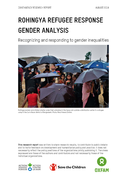
Rohingya Refugee Response Gender Analysis: Recognizing and responding to gender inequalities
Toma, Iulia; Chowdhury, Mita; Laiju, Mushfika; Gora, Nina; Padamada, Nicola
Oxfam, Action Against Hunger, Save the Children
(2018)
C1
This gender analysis was conducted to understand the different risks and vulnerabilities but also opportunities and skills for Rohingya and host community women, men, boys and girls. Data collection was conducted over three weeks from 8 April to 29 April 2018. The work aimed to identify the differen
...
t needs, concerns, risks and vulnerabilities of women, girls, boys and men in both Rohingya refugee communities and host communities in the Cox’s Bazar district of Bangladesh. The analysis shows various gaps in the humanitarian response for both communities, especially in terms of accountability, communication with affected communities and disaster preparedness, but also in equitable access to services, in particular for women and girls, and especially for the Rohingya community. The key findings are presented below, along with recommendations for action.
more

Research results of sexual and gender-based violence (SGBV) prevention and response before, during and after disasters in Indonesia, Lao PDR and the Philippines
This report contributes new evidence on why and how sexual and gender-based violence (SGBV) risks increase during humanitarian disasters ... . It details how humanitarian actors can better prevent and respond to such escalation of SGBV, and better meet the needs of affected women, girls, men and boys. This research is based on community views of disaster-affected women, adolescent girls, men and adolescent boys in three South-East Asian countries: Indonesia, Lao PDR and the Philippines. more
This report contributes new evidence on why and how sexual and gender-based violence (SGBV) risks increase during humanitarian disasters ... . It details how humanitarian actors can better prevent and respond to such escalation of SGBV, and better meet the needs of affected women, girls, men and boys. This research is based on community views of disaster-affected women, adolescent girls, men and adolescent boys in three South-East Asian countries: Indonesia, Lao PDR and the Philippines. more
The Look Back Study (LBS) focuses on the water and sanitation and hygiene (WASH) component of the project but some additional information was collected along side the WASH data. This data has been compared to the baseline survey data that was reported at start of the project (see tables in annex D t
...
o this report).
more
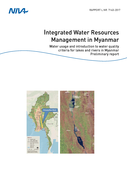
Integrated Water Resources Management in Myanmar: Water usage and introduction to water quality criteria for lakes and rivers in Myanmar. Preliminary report
Mjelde, Marit; Ballot, Andreas; Swe, Thida; Eriksen, Tor Erik; Nesheim, Ingrid; Aung, Toe Toe
Norsk institutt for vannforskning (NIVA)
(2017)
C1
The purpose of the report is to present some first recommendation for the development of Myanmar ecological quality criteria using the system of the EU Water Framework Directive (EU WFD) as baseline, with main focus on the characterization and classification processes. As background for the recommen
...
dations we first give an overview of the main water use categories in Myanmar. We then provide preliminary suggestions for typology criteria and indices for assessing ecological status in lakes and rivers in Myanmar. The typology factors and physico-chemical parameters are based on common used factors in the EU countries. The biological elements include phytoplankton and aquatic macrophytes for lakes, and benthic invertebrates for rivers.
more

The strategic priorities of the CCS 2014–2018 are:
(1) Strengthening the health system.
(2) Enhancing the achievement of communicable disease control targets.
(3) Controlling the growth of the noncommunicable disease burden.
(4) Promoting health throughout the life course.
... (5) Strengthening capacity for emergency risk management and surveillance systems for various health threats. more
(1) Strengthening the health system.
(2) Enhancing the achievement of communicable disease control targets.
(3) Controlling the growth of the noncommunicable disease burden.
(4) Promoting health throughout the life course.
... (5) Strengthening capacity for emergency risk management and surveillance systems for various health threats. more
This assessment is the first of its kind to be conducted in the south-eastern region of Myanmar. It is an important contribution to ensuring the full inclusion of women and children in Myanmar’s political, social, and cultural systems, with a specific focus on the issue of gender-based violence (G
...
BV) and its impact on these groups in south-eastern Myanmar. The United Nations Population Fund (UNFPA) is grateful for the participation of women, men, boys and girls from Mon, Kayin and Kayah States for sharing their views and experiences during the study.
more

Updated May 2017
This document is meant to respond to the questions:
■ What health interventions should be delivered during pregnancy, childbirth and the postnatal period?
■ What health behaviours should the women practise (or not practise) during these periods to care for ... herself and her baby? more
This document is meant to respond to the questions:
■ What health interventions should be delivered during pregnancy, childbirth and the postnatal period?
■ What health behaviours should the women practise (or not practise) during these periods to care for ... herself and her baby? more

The five hepatitis viruses have different epidemiological profiles, and their impact, duration, and transmission route also vary. The most common transmission routes contributing to the spread of hepatitis are exposure to infected blood via blood transfusion or unsafe injection practices, consumptio
...
n of contaminated food and drinking water, and transmission from mother to child during pregnancy and delivery. Also, unsafe injection practices, including the use of unsterile needles and syringes, serve as a major pathway for the spread of hepatitis B and C, and reducing transmission of both diseases requires addressing these practices.
more

The National Strategic Plan is based on the following guiding principles:
1) Life-course approach: adolescence is a key decade in the course of life that influences the health outcomes later in life.
2) Comprehensive approach: It recognizes the cross cutting health and development needs o ... f young people such as intentional and unintentional injuries and violence, SRH, HIV/AIDS, mental health, substance use, violence, substance use and substance use disorders, infectious diseases and common conditions.
3) Equity and rights-based approach: focusing on equitable access to services to all adolescents including vulnerable groups and the recognizing the need to move from aspirations to obligations in fulflling young people rights for the highest attainable standard of health.
4) Multisectoral approach: recognizing cognizant of the fact that holistic development of young people requires multisectoral approach involving education, social welfare. more
1) Life-course approach: adolescence is a key decade in the course of life that influences the health outcomes later in life.
2) Comprehensive approach: It recognizes the cross cutting health and development needs o ... f young people such as intentional and unintentional injuries and violence, SRH, HIV/AIDS, mental health, substance use, violence, substance use and substance use disorders, infectious diseases and common conditions.
3) Equity and rights-based approach: focusing on equitable access to services to all adolescents including vulnerable groups and the recognizing the need to move from aspirations to obligations in fulflling young people rights for the highest attainable standard of health.
4) Multisectoral approach: recognizing cognizant of the fact that holistic development of young people requires multisectoral approach involving education, social welfare. more
March - June 2018
Myanmar introduced Child Death Surveillance and Response (CDSR) in 2015 as an initiative to reduce child (under-5) mortality, an initiative that will contribute to the country’s efforts to meet the Sustainable Development Goals (SDG). Technical Guidelines for CDSR were devel ... oped in 2015 followed by the development of Training Package in 2016. An Implementation Plan was made in 2016; and this led to all townships implementing CDSR in early 2017. After one year of implementation an assessment was carried out in early 2018.
The assessment was conducted in 3 region/states – Ayeyarwaddy, Magway, Shan South, with information gathered from the state/region, district, township and basic health unit levels. In addition a caretaker interview was conducted to see health-seeking behavior. In addition to these three regions/states, information was also gathered from three other regions/states but only at the region/state level – Mandalay, Yangon, Kachin. more
Myanmar introduced Child Death Surveillance and Response (CDSR) in 2015 as an initiative to reduce child (under-5) mortality, an initiative that will contribute to the country’s efforts to meet the Sustainable Development Goals (SDG). Technical Guidelines for CDSR were devel ... oped in 2015 followed by the development of Training Package in 2016. An Implementation Plan was made in 2016; and this led to all townships implementing CDSR in early 2017. After one year of implementation an assessment was carried out in early 2018.
The assessment was conducted in 3 region/states – Ayeyarwaddy, Magway, Shan South, with information gathered from the state/region, district, township and basic health unit levels. In addition a caretaker interview was conducted to see health-seeking behavior. In addition to these three regions/states, information was also gathered from three other regions/states but only at the region/state level – Mandalay, Yangon, Kachin. more

Myanmar is one of the world’s 22 high tuberculosis (TB) burden countries, and supporting TB control in Myanmar is a global priority. This report reflects the findings, discussions, conclusions and recommendations of the fourth international review mission of the Myanmar National TB Programme (NTP)
...
, which brought together international and national partners to review progress in TB control and to offer guidance on future TB control directions and efforts.
A high-quality national disease prevalence survey completed in 2010 demonstrated a TB disease burden two to three times higher than anticipated on the basis of previous surveys. In 2011 about 200 000 adults and children will have developed TB, including 20 000 HIV infected and 9000 suffering from MDR-TB, both of which will require additional care and costly treatment. TB remains among the top killers of adults, and more women die of TB than from maternal causes. more
A high-quality national disease prevalence survey completed in 2010 demonstrated a TB disease burden two to three times higher than anticipated on the basis of previous surveys. In 2011 about 200 000 adults and children will have developed TB, including 20 000 HIV infected and 9000 suffering from MDR-TB, both of which will require additional care and costly treatment. TB remains among the top killers of adults, and more women die of TB than from maternal causes. more

National Tuberculosis Programme
The National Strategic Plan (NSP) for Tuberculosis (TB) 2016-2020 builds on the past experiences for the National Tuberculosis Programme and its partners. This NSP provides a roadmap for delivering quality TB prevention and care service to the entire population, ... as an integral part of the country's move toward Universal Health Coverage. Between 1990 and 2015, Myanmar reduced the prevalence of TB by 50%, meeting the targets set by the Millennium Development Goals. Going forward, the country aims to further accelerate the rate decline. more
The National Strategic Plan (NSP) for Tuberculosis (TB) 2016-2020 builds on the past experiences for the National Tuberculosis Programme and its partners. This NSP provides a roadmap for delivering quality TB prevention and care service to the entire population, ... as an integral part of the country's move toward Universal Health Coverage. Between 1990 and 2015, Myanmar reduced the prevalence of TB by 50%, meeting the targets set by the Millennium Development Goals. Going forward, the country aims to further accelerate the rate decline. more
