
Filter
3489
Filtered Results: 3489
Text search:
l'enfance
Featured
Recommendations
284
New Publications
833
Language
Document type
No document type
1790
Studies & Reports
764
Guidelines
444
Manuals
175
Strategic & Response Plan
161
Fact sheets
54
Training Material
51
Situation Updates
23
Infographics
11
Resource Platforms
9
Brochures
6
Online Courses
1
Countries / Regions
Global
169
India
114
Kenya
93
Congo, Democratic Republic of
86
Western and Central Europe
80
Senegal
69
South Africa
67
Africa
61
South–East Asia Region
54
Uganda
53
Nigeria
52
Ethiopia
51
Benin
50
Haiti
49
Nepal
44
Burkina Faso
44
Zambia
44
Latin America and the Carribbean
42
Liberia
42
Malawi
40
Sierra Leone
38
Syria
37
Philippines
35
Myanmar / Burma
35
Tanzania
34
Eastern Europe
31
Bangladesh
30
Central African Republic
28
Rwanda
24
Namibia
24
Ghana
23
Madagascar
22
Guinea
21
Cameroon
20
Mali
20
Asia
19
Eastern Europe and Central Asia
19
Ukraine
18
Zimbabwe
18
West and Central Africa
18
Russia
18
Cambodia
16
South Sudan
16
Lesotho
15
Middle East and North Africa
15
Indonesia
15
East and Southern Africa
13
Niger
12
Mozambique
11
Western Pacific Region
11
Yemen
11
Germany
10
Brazil
10
Thailand
9
Togo
9
USA
9
Jordan
9
Côte d’Ivoire / Ivory Coast
9
Sudan
9
Botswana
9
China
8
Chad
8
Pakistan
8
Afghanistan
7
Lebanon
7
Vietnam
7
Somalia
7
Colombia
6
Venezuela
6
France
6
Iraq
6
Iran
5
Kyrgyzstan
5
Burundi
5
Sri Lanka
5
Georgia
5
Paraguay
4
Spain
4
Ecuador
4
Eswatini/ Swaziland
4
Mexico
3
Kazakhstan
3
Chile
3
Albania
3
Canada
3
Laos
3
Congo-Brazzaville
3
Saudi Arabia
3
North America
3
Turkmenistan
3
Bosnia and Herzegovina
3
Southern Africa
3
Greece
3
Tajikistan
2
Timor Leste/ East Timor
2
El Salvador
2
Serbia
2
Turkey
2
Morocco
2
Qatar
2
Mauritania
2
Armenia
2
Lithuania
2
Jamaica
2
Japan
2
Tunisia
2
Portugal
2
Bolivia
2
Egypt
2
Libya
2
North Macedonia
1
North Korea
1
Gambia
1
Singapore
1
Uzbekistan
1
Peru
1
Mongolia
1
Italy
1
Dominican Republic
1
Guinea-Bissau
1
Croatia
1
Luxembourg
1
Denmark
1
Belgium
1
Mauritius
1
United Kingdom
1
Azerbaijan
1
Belarus
1
Israel
1
Argentina
1
Nicaragua
1
Djibouti
1
Palestine
1
Honduras
1
Angola
1
Bhutan
1
Cuba
1
Guatemala
1
Authors & Publishers
Publication Years
Category
Countries
1241
Key Resources
251
Women & Child Health
225
Clinical Guidelines
224
Public Health
202
Capacity Building
69
Pharmacy & Technologies
19
Toolboxes
Mental Health
343
COVID-19
252
HIV
235
Planetary Health
194
Disability
127
TB
126
NTDs
126
Caregiver
118
AMR
105
NCDs
71
Conflict
71
Ebola & Marburg
67
Refugee
66
Global Health Education
65
Rapid Response
51
Malaria
51
Pharmacy
49
Health Financing Toolbox
37
Natural Hazards
30
2.0 Rapid Response
27
Cholera
22
Social Ethics
22
Polio
17
Specific Hazards
14
Zika
12
South Sudan
1

Atlas of African Health Statistics 2022: Health situation analysis of the WHO African Region
Since 2019, we have been implementing Phase 2 of the regional Transformation Agenda, which informs and aligns with the global WHO Transformation, to ensure WHO is accountable, driven by re- sults and provid...
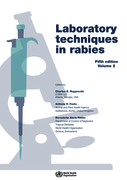
Rabies has an enormous impact on both agriculture and conservation biology, but its greatest burden is undeniably on public health. As such, routine methods for rapid risk assessment after human exposures to rabies as well as applications for laboratory-based surveillance, production of biologicals ...

Cardiovascular diseases, principally ischemic heart disease (IHD), are the most important cause of death and disability in the majority of low- and lower-middle-income countries (LLMICs). In these countries, IHD mortality rates are significantly greater in individuals of a low socioeconomic status (...
En los últimos decenios se han logrado avances significativos en el control de la esquistosomiasis así como de las geohelmintiasis, y la OMS ha trazado una hoja de ruta para guiar la aplicación de las políticas y las estrategias planteadas en Accelerating work to overcome the global impact of ne...

Strengthening rehabilitation in health emergency preparedness, response, and resilience: policy brief outlines the evidence for rehabilitation in emergencies and the need for greater preparedness of rehabilitation services. It shows how existing guidelines support the integration of rehabilitation i...

Pandemic Influenza Risk Management
recommended
A WHO guide to inform & harmonize national & international pandemic preparedness and response
The main updates from the 2013 interim guidance are:
Alignment with other relevant United Nations policies for crisis and emergency management, and
Inclusion of the significant development in re...
Available in: English, French, Chinese, Spanish, Russian, Arabic, Thai, Korean, Tajik, Vietnamese, Uzbek
http://www.who.int/disabilities/cbr/guidelines/en/

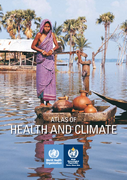
The Atlas of health and climate is a product of this unique collaboration between the meteorological and public health communities. It provides sound scientific information on the connections between weather and climate and major health challenges. These range from diseases of poverty to emergencies...
Accessed: 29.09.2019
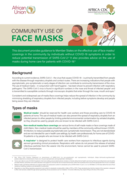
Community use of face masks
recommended
Update 1 October 2020.
This document provides guidance to Member States on the effective use of face masks/coverings in the community by individuals without COVID-19 symptoms in order to reduce potential transmission of SARS-CoV-2.a It also provides advice on the use of masks during home care for ...
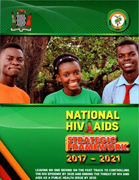
Capacity Project Gender Research Brief | In Lesotho, as in many other countries, the HIV and AIDS care burden falls on the shoulders of women and girls in unpaid, invisible household and community work. This gender inequity in HRH needs to be addressed to ensure fair and sustainable responses to the...
The WHO Disability-Inclusive Health Services Training Package is a companion to the “WHO Disability-Inclusive Health Services Toolkit: A resource for health facilities in the Western Pacific Region” published by WHO in 2020. This package offers a range of additional training materials including ...
Antimicrobial resistance (AMR) as a serious public health threat was globally acknowledged by WHO in 2015, through the launch of the Global Action Plan (GAP). With a limited number of new antibiotics in the developmental pipeline, many countries are in the process of establishing strategies for anti...
Interim guidance 2 February 2021 . Available in Arabic, Chinese, English, French, Ukranian, Russian
Health workers are at the front line of the COVID-19 outbreak response and as such are exposed to different hazards that put them at risk. Occupational hazards include exposure to SARS-CoV-2 and othe...
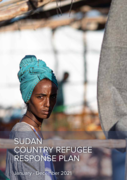
Sudan has a long history of hosting refugees and asylum seekers with 991,787 individuals, 51 per cent female and 53 per cent children, expected to live in Sudan by the end of 2020.
This document aims to describe a minimum set of surveillance activities recommended at the national level to detect and monitor the relative prevalence of SARS-CoV-2 variants and outline a set of activities for the characterization and assessment of risk posed by these variants. A set of indicators ...
