
Filter
1221
Featured
88
46
Language
Document type
378
174
159
111
76
71
57
51
46
30
26
20
14
5
3
Countries
209
41
20
16
16
15
11
8
7
7
7
7
6
6
6
6
5
5
5
5
5
5
5
5
4
4
4
3
3
3
3
3
2
2
2
2
2
2
2
2
2
2
2
2
2
2
2
2
1
1
1
1
1
1
1
1
1
1
1
1
1
1
1
1
1
1
1
1
1
1
1
1
1
1
1
1
Authors & Publishers
Publication Years
Category
131
115
45
18
7
7
1
Cureus 16(2): e53933. DOI 10.7759/cureus.53933
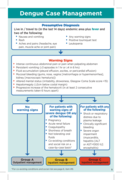
Flow Charts
Human African trypanosomiasis (HAT), or sleeping sickness, is caused by trypanosome parasites that are transmitted by tsetse flies. HAT is found only in sub-Saharan Africa. Two subspecies of Trypanosoma brucei cause disease: T. b. gambiense in West and Central Africa, and T. b. rhodesiense in East A
...

The present guidelines incorporate all these changes, leading to a substantial reconfiguration of therapeutic choices for both disease forms.
HAT is a serious, life-threatening disease and the efficacy of fexinidazole depends on swallowing the medicine after an appropriate intake of food as well as
...
PLOS Neglected Tropical Diseases 18(5): e0012091. https://doi.org/10.1371/journal.pntd.0012091

Health communication has proven to play a crucial role in addressing diseases such as dengue, Zika and chikungunya, for which there are no definitive or easily accessible vaccines. In this context, this discipline becomes a fundamental tool to promote the change behavior and promote preventive pract
...

A manual for impact assessments. The SCH Practical and Precision Assessment (SPPA) strategy is an evidence-based approach for conducting impact assessments for SCH. The SPPA was identified by programme managers and SCH experts from the African region as a feasible and sufficiently accurate approach
...
Trop. Med. Infect. Dis. 2024, 9(9), 222; https://doi.org/10.3390/tropicalmed9090222

PLOS Glob Public Health 4(12): e0004035. https://doi. org/10.1371/journal.pgph.0004035.
A new formulation of praziquantel, arpraziquantel (arPZQ), has been developed for preschool-
aged children (PSAC) to fill the treatment gap for this age group in schistosomiasis control and
elimination program
...
BMC Infectious Diseases (2024) 24:1102
Communities living along the shoreline and on the islands of Lake Victoria in northwestern Tanzania
remain endemic for schistosomiasis and suffer from the life-threatening morbidities associated with the disease.
PLoS Negl Trop Dis 18(7): e0012282.
This review highlights common diagnostic
approaches for detecting schistosomiasis in field and clinical settings, major challenges,
and provides new and novel opportunities and diagnosis pathways that will be critical in sup-
porting elimination of schistosomi
...
Parasite Epidemiology and Control Volume 27, November 2024, e00380
The planning and implementation of intervention measures against schistosomiasis, particularly mass administration, require knowledge of the current status of the infection. This is important for monitoring the impact of the interve
...
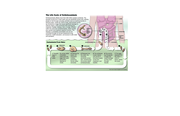
For communities already burdened by poverty and ravaged by scourges such as malaria and tuberculosis, the parasitic disease schistosomiasis is especially devastating. The disease weakens the body's resistance to other infections and leads to poor growth and impaired learning in children. The Carter
...
CDC Yellow Book 2024
The Schistosomiasis Consortium for Operational Research and Evaluation (SCORE) was established in December 2008 to answer strategic questions about schistosomiasis control and elimination. SCORE was funded by the Bill & Melinda Gates Foundation through a grant to the University of Georgia Research F
...
The consortium is an international public-private partnership that aims to reduce the global disease burden of schistosomiasis by addressing the medical needs of infected children between the ages of 3 months and 6 years. By doing so, we hope to contribute to the ongoing efforts to eliminate schisto
...
The Schistosomiasis Resource Center at the Biomedical Research Institute is a unique schistosomiasis research supply laboratory funded by the NIAID (NIAID-NIH)
The SRC provides Schistosoma life cycle reagents free of charge to scientists, students, biotech and independent investigators in the U.S
...
Schistosome snail resource (SSR) is Wellcome Trust funded, open access biomedical resource that aims to generate and make freely available live schistosome life-cycle stages, snail intermediate hosts and related material for schistosomiasis research.
This protocol is to help researchers working with freshwater gastropods related to the transmission of schistosomes, and particularly those looking at extracting high quality intact DNA for next generation sequencing purposes. This protocol offers a general outline that can be tailored to the conten
...
