Filter
148
Text search:
smoke-free
Featured
9
52
Language
Document type
75
32
15
7
6
5
4
1
1
1
Countries
17
7
4
4
3
3
3
3
3
3
3
2
2
2
2
2
2
2
2
2
2
2
1
1
1
1
1
1
1
1
1
1
1
1
1
1
1
1
1
1
1
1
1
1
1
1
1
1
Authors & Publishers
Publication Years
Category
64
25
8
7
3
1
1
Toolboxes
19
16
8
6
5
5
5
3
2
2
2
1
1

The Public Health Burden of Secondhand Exposure to Commercial Tobacco Smoke Secondhand smoke, the combination of smoke from burning commercial tobacco* products and the smoke breathed out by a person who is smoking, is deadly.
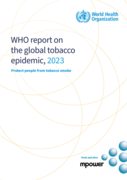
The ninth WHO report on the global tobacco epidemic tracks the progress made by countries in tobacco control since 2008 and, marks 15 years since the introduction of the MPOWER technical package which is designed to help countries implement the demand-reduction measures of the WHO Framework Conventi
...
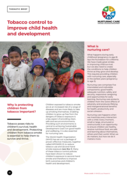
The technical note calls for raising awareness among practitioners and policymakers about the importance of strong tobacco control measures for protecting the health and development of children, including banning tobacco advertising, implementing 100% smok
...
Tobacco use is the leading preventable cause of death worldwide and is a major risk factor for cardiovascular disease (CVD). Both prevention of smoking initiation among youth and smoking cessation among established smokers are key for reducing smoking prevalence and the associated negative health co
...

Доклад ВОЗ о глобальной табачной эпидемии, 2009 год: Создание среды, свободной от табачного дыма, – второй из серии докладов ВОЗ, в которых определяется состояние таб
...
Accessed 14 July 2015

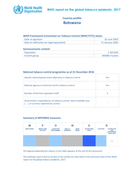
Country Profile


Ethiopia GATS was implemented by Ethiopia Public Health Institute (EPHI) in collaboration with the Ethiopian Food, Medicine, Health Care Administration and Control Authority (FMHACA), CSA, FMOH and the World Health Organization (WHO)country office. Technical assistance
...


The combined effects from ambient (outdoor) air pollution and indoor (household, in particular) air pollution cause approximately 7 million premature deaths every year, largely as a result of increased mortality from stroke, IHD, COPD, lung cancer and acute respiratory infections (1). Air pollution
...

The Public Health Burden of Commercial Tobacco Use
The burden of disease and death from commercial tobacco* use in the United States is
overwhelmingly caused by cigarettes and other combustible tobacco products.
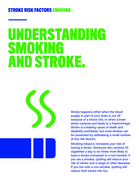
Stroke happens either when the blood supply to part of your brain is cut off because of a blood clot, or when a brain
artery ruptures and leads to a haemorrhage. Stroke is a leading cause of death and disability worldwide, but most strokes can
be prevented by addressing a small number of key risk
...