Filter
559
Text search:
ncd
Featured
Recommendations
39
New Publications
105
Language
Document type
No document type
173
Studies & Reports
167
Guidelines
59
Fact sheets
35
Strategic & Response Plan
33
Resource Platforms
20
Manuals
18
Infographics
17
Training Material
12
Videos
8
Dashboards/Maps
6
Online Courses
5
Situation Updates
4
Brochures
1
App
1
Countries / Regions
Global
121
India
31
Africa
25
Kenya
14
South Africa
12
Ethiopia
9
Rwanda
9
South–East Asia Region
9
Nepal
8
Malawi
8
Namibia
8
Nigeria
7
Latin America and the Carribbean
7
Uganda
6
Syria
6
Ukraine
6
Myanmar / Burma
6
Ghana
5
Zambia
5
Western and Central Europe
5
Asia
5
Philippines
4
Bangladesh
4
Liberia
3
Tanzania
3
East and Southern Africa
3
Middle East and North Africa
3
Kazakhstan
3
Sierra Leone
2
Congo, Democratic Republic of
2
Turkey
2
Mozambique
2
Papua New Guinea
2
Eswatini/ Swaziland
2
Western Pacific Region
2
Eastern Europe
2
North America
2
Senegal
1
USA
1
Saudi Arabia
1
Zimbabwe
1
South Sudan
1
Chad
1
Cambodia
1
Thailand
1
Indonesia
1
Ireland
1
Singapore
1
Sudan
1
Brazil
1
North Macedonia
1
Botswana
1
Yemen
1
Eastern Europe and Central Asia
1
Other region
1
Timor Leste/ East Timor
1
Tajikistan
1
Kyrgyzstan
1
United Kingdom
1
Spain
1
Azerbaijan
1
Belarus
1
Authors & Publishers
Publication Years
Category
Public Health
198
Countries
180
Clinical Guidelines
60
Capacity Building
23
Women & Child Health
18
Key Resources
13
Pharmacy & Technologies
2
Toolboxes
NCDs
239
Mental Health
42
COVID-19
24
Planetary Health
23
Conflict
9
Global Health Education
9
Caregiver
9
TB
7
HIV
6
Refugee
5
Disability
4
Natural Hazards
3
Rapid Response
2
Pharmacy
2
Health Financing Toolbox
2
2.0 Rapid Response
2
Cholera
1
AMR
1
NTDs
1
This new course focuses on advocacy and the role it plays in raising awareness of the impact that NCDs have on an individual's quality of life and their surrounding community. Lessons in this course will explore the important role that advocacy has when it comes to engaging in discussions, taking ac
...
The World Health Organization's Eastern Mediterranean Regional Office (WHO EMRO) highlights the significant health and social consequences of harmful alcohol use. Excessive alcohol consumption is linked to over 200 diseases and injuries, including liver cirrhosis, pancreatitis, various cancers, hemo
...
Workshop Report: Dhaka, Bangladesh 12-15 June 2023
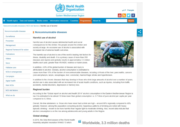
The Defeat-NCD Partnership prioritises poorer countries because they bear the brunt of the enormous impact of NCDs with some 48% of premature deaths occurring in low and lower-middle income countries. The resident of a low-income country faces a lif
...
The course aims to cover the types of NCDs and risk factors, the challenges of delivering NCD services in primary health care, elements of WHO technical packages (PEN and HEARTS) for NCDs and how to adapt these packages in primary health care.
This training module is meant to strengthen the capacity of CHVs to prevent the Non Communicable Diseases at the community level . The Government of Kenya is committed to supporting community health initiatives and accelerating the achievement of the KHSS&IP goals, Millennium Development G
...
Nations will more quickly transition to clean energy if they redirect government funds away from subsidising unhealthy commodities– in particular fossil fuels. Such action would reduce air pollution and greenhouse gas emissions, thereby mitigating climate change and saving lives. Countries must re
...
The policy brief focuses on four key areas for intervention - air pollution, energy, transport and food systems. Air pollution causes 7 million deaths annually, and is a leading cause of both NCDs and climate change, thus all interventions to reduce air pollution have a positive impact on both human
...
Keeping active can help people stay at a healthy weight, avoid many chronic health problems, and reduce stress and boost mood.
Despite all its benefits, about one in three people globally gets too little, if any, physical activity.
This policy brief explores the impact of air pollution on health and address the air quality issue in the response to noncommunicable diseases (NCDs). It also provides key actions that policy makers, NGOs and health professionals can take to ensure that every one can breathe clean air.
A Paper submitted to the 56th session of the UN Committee to CEDOW, July 2014, Geneva
The Government of the Republic of Zambia has placed priority on ensuring that Zambians are healthy and productive as a catalyst to the attainment of socioeconomic development . The Vision 2030 aims to transform Zambia into a prosperous middle-income country as articulated also in the 7th National De
...
Assessment of non-communicable diseases (NCDs) service disruptions during the COVID-19 pandemic. Preliminary results.
Guidance on how to provide continuity for NCD programmes:• How to include NCDs in public health emergencies protocols?• How to
...
The publication conveys the quantitative surveillance results focusing on tobacco use and noncommunicable disease (NCD) related behaviours among youth (13–15 years) in Member States of the WHO South-East Asia Region, namely, the Global School-base
...
Oral diseases are among the most common chronic diseases worldwide and constitute a major public health problem due to the huge health and economic burden on individuals, families, societies, and health care systems. The recent emphasis on the role of determinants of health, common risk factors and
...
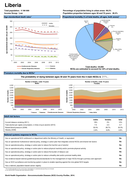
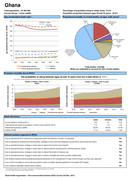
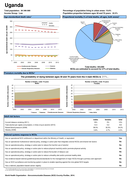
The Noncommunicable Diseases (NCD) Data Portal provides comprehensive information on NCDs, including cardiovascular diseases, cancer, diabetes, and chronic respiratory diseases. It offers country-specific data on mortality rates, risk factors, and n
...
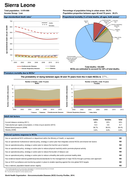
The Noncommunicable Diseases (NCD) Data Portal provides comprehensive information on NCDs, including cardiovascular diseases, cancer, diabetes, and chronic respiratory diseases. It offers country-specific data on mortality rates, risk factors, and n
...