
Filter
111
Text search:
antipsychotic
medications
Featured
21
15
Language
Document type
86
9
6
5
3
2
Countries
8
3
3
3
2
2
1
1
1
1
1
1
1
1
1
1
1
1
1
1
1
Authors & Publishers
Publication Years
Category
21
6
5
1
1
1
Toolboxes
85
3
3
2
2
2
1
1
1
1
1

Q1: In individuals with psychotic disorders (including schizophrenia), are antipsychotic drugs safe and effective?

Second-generation antipsychotic medications for psychotic disorders (including schizophrenia)
recommended
Q14. SCOPING QUESTION: In adults with psychotic disorders (including schizophrenia), what is the comparative effectiveness and safety of second-generation antipsychotic medications?

Q2: In individuals with psychotic disorders (including schizophrenia), is the use of two or more antipsychotic medications concurrently more effective and safer than the use of one
...

Q6: In individuals with psychotic disorders (including schizophrenia) who require long term antipsychotic treatment, are anticholinergic medications more effective in preventing or reducing extrapyr
...
Other disorders
Chapter H.5.1
Q5.SCOPING QUESTION: In individuals with psychotic disorders (including schizophrenia) who require long-term antipsychotic treatment, what is the safety and role of depot antipsychotic medication?
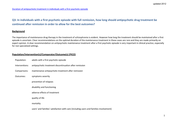
Q3: In individuals with a first psychotic episode with full remission, how long should antipsychotic drug treatment be continued after remission in order to allow for the best outcomes?

Q4: In individuals with long term and/or recurrent psychotic disorders (including schizophrenia), should individuals be maintained on pharmacotherapy indefinitely or withdrawn from treatment in order to allow for the best outcomes?

The document "Management of Type 2 Diabetes Mellitus" provides comprehensive guidelines for the diagnosis, prevention, and treatment of type 2 diabetes in adults. It emphasizes the importance of individualized glycemic targets, lifestyle interventions like diet and exercise, and the use of
...
This Practice Parameter reviews the evidence from research and clinical experience and highlights significant advances in the assessment and treatment of posttraumatic stress disorder since the previous Parameter was published in 1998. It highlights the importance of early identification of posttrau
...

The "Primary Healthcare Standard Treatment Guidelines and Essential Medicines List" by the South African National Department of Health provides evidence-based guidelines for diagnosing and managing common medical conditions at the primary healthcare level. This document includes treatment protocols
...
Accessed April 16, 2019
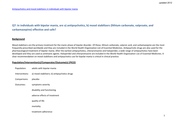
Q7: In individuals with bipolar mania, are a) antipsychotics, b) mood stabilizers (lithium carbonate, valproate, and carbamazepine) effective and safe

Q8. SCOPING QUESTION: In people with bipolar disorders who require maintenance treatment, are a) antipsychotics or b) mood stabilizers (lithium, valproate or carbamazepine) effective and safe?
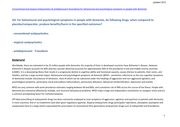
Q3: For behavioural and psychological symptoms in people with dementia, do following drugs, when compared to placebo/comparator, produce benefits/harm in the specified outcomes?

Q15. SCOPING QUESTION: Is pharmacological intervention effective and safe for treatment of psychotic disorders in adolescents (including schizophrenia and bipolar disorder)?
6th edition
Ethiopia National Essential Medicine List
recommended
6 edition

Fourth Edition
Other disorders Chapter H.1
