
Filter
2335
Text search:
Save
the
Children
International
Featured
213
736
Language
2136
113
61
36
33
31
20
12
7
5
4
4
3
3
3
2
2
2
2
2
2
2
2
2
2
2
1
1
1
1
1
1
1
1
1
1
1
1
1
1
1
1
1
1
1
1
1
1
Document type
1323
390
229
163
109
44
31
31
6
5
2
2
Countries / Regions
138
75
65
58
56
55
55
54
53
46
46
43
42
33
33
30
28
25
25
24
23
23
22
22
21
20
19
18
18
17
16
14
14
14
13
12
11
11
11
11
10
10
10
10
10
9
9
9
9
9
9
8
8
8
6
6
6
6
5
5
5
5
4
4
4
3
3
3
3
3
3
3
3
3
2
2
2
2
2
2
2
2
2
2
1
1
1
1
1
1
1
1
1
1
1
1
1
1
1
1
1
1
1
1
1
1
1
1
1
Authors & Publishers
198
91
82
72
54
49
49
46
45
41
24
21
17
16
16
16
15
14
13
13
13
12
12
11
11
10
10
10
10
9
9
9
9
8
8
8
8
8
8
8
7
7
7
7
7
7
7
7
7
6
6
6
6
6
6
6
6
6
5
5
5
5
5
5
5
5
5
4
4
4
4
4
4
4
4
4
4
4
4
4
4
4
4
4
4
4
4
4
4
4
4
4
4
4
4
4
3
3
3
3
3
3
3
3
3
3
3
3
3
3
3
3
3
3
3
3
3
3
3
3
3
3
3
3
3
3
3
3
3
3
3
3
3
3
3
3
3
3
3
3
3
3
3
3
3
3
3
3
2
2
2
2
2
2
2
2
2
2
2
2
2
2
2
2
2
2
2
2
2
2
2
2
2
2
2
2
2
2
2
2
2
2
2
2
2
2
2
2
2
2
2
2
2
2
2
2
2
2
2
2
2
2
2
2
2
2
2
2
2
2
2
2
2
2
2
2
2
2
2
2
2
2
2
2
2
2
2
2
2
2
2
2
2
2
2
2
2
2
2
2
2
2
2
2
2
2
2
2
2
2
2
2
2
2
2
2
2
2
2
2
2
2
2
2
2
2
2
2
2
2
2
2
2
2
2
2
2
2
2
2
2
2
2
2
2
2
2
2
2
2
2
2
2
2
2
2
2
2
2
2
2
2
2
2
2
2
2
2
2
2
2
1
1
1
1
1
1
1
1
1
1
1
1
1
1
1
1
1
1
1
1
1
1
1
1
1
1
1
1
1
1
1
1
1
1
1
1
1
1
1
1
1
1
1
1
1
1
1
1
1
1
1
1
1
1
1
1
1
1
1
1
1
1
1
1
1
1
1
1
1
1
1
1
1
1
1
1
1
1
1
1
1
1
1
1
1
1
1
1
1
1
1
1
1
1
1
1
1
1
1
1
1
1
1
1
1
1
1
1
1
1
1
1
1
1
1
1
1
1
1
1
1
1
1
1
1
1
1
1
1
1
1
1
1
1
1
1
1
1
1
1
1
1
1
1
1
1
1
1
1
1
1
1
1
1
1
1
1
1
1
1
1
1
1
1
1
1
1
1
1
1
1
1
1
1
1
1
1
1
1
1
1
1
1
1
1
1
1
1
1
1
1
1
1
1
1
1
1
1
1
1
1
1
1
1
1
1
1
1
1
1
1
1
1
1
1
1
1
1
1
1
1
1
1
1
1
1
1
1
1
1
1
1
1
1
1
1
1
1
1
1
1
1
1
1
1
1
1
1
1
1
1
1
1
1
1
1
1
1
1
1
1
1
1
1
1
1
1
1
1
1
1
1
1
1
1
1
1
1
1
1
1
1
1
1
1
1
1
1
1
1
1
1
1
1
1
1
1
1
1
1
1
1
1
1
1
1
1
1
1
1
1
1
1
1
1
1
1
1
1
1
1
1
1
1
1
1
1
1
1
1
1
1
1
1
1
1
1
1
1
1
1
1
1
1
1
1
1
1
1
1
1
1
1
1
1
1
1
1
1
1
1
1
1
1
1
1
1
1
1
1
1
1
1
1
1
1
1
1
1
1
1
1
1
1
1
1
1
1
1
1
1
1
1
1
1
1
1
1
1
1
1
1
1
1
1
1
1
1
1
1
1
1
1
1
1
1
1
1
1
1
1
1
1
1
1
1
1
1
1
1
1
1
1
1
1
1
1
1
1
1
1
1
1
1
1
1
1
1
1
1
1
1
1
1
1
1
1
1
1
1
1
1
1
1
1
1
1
1
1
1
1
1
1
1
1
1
1
1
1
1
1
1
1
1
1
1
1
1
1
1
1
1
1
1
1
1
1
1
1
1
1
1
1
1
1
1
1
1
1
1
1
1
1
1
1
1
1
1
1
1
1
1
1
1
1
1
1
1
1
1
1
1
1
1
1
1
1
1
1
1
1
1
1
1
1
1
1
1
1
1
1
1
1
1
1
1
1
1
1
1
1
1
1
1
1
1
1
1
1
1
1
1
1
1
1
1
1
1
1
1
1
1
1
1
1
1
1
1
1
1
1
1
1
1
1
1
1
1
1
1
1
1
1
1
1
1
1
1
1
1
1
1
1
1
1
1
1
1
1
1
1
1
1
1
1
1
1
1
1
1
1
1
1
1
1
1
1
1
1
1
1
1
1
1
1
1
1
1
1
1
1
1
1
1
1
1
1
1
1
1
1
1
1
1
1
1
1
1
1
1
1
1
1
1
1
1
1
1
1
1
1
1
1
1
1
1
1
1
1
1
1
1
1
1
1
1
1
1
1
1
1
1
1
1
1
1
1
1
1
1
1
1
1
1
1
1
1
1
1
1
1
1
1
1
1
1
1
1
1
1
1
1
1
1
1
1
1
1
1
1
1
1
1
1
1
1
1
1
1
1
1
1
1
1
1
1
1
1
1
1
1
1
1
1
1
1
1
1
1
1
1
1
1
1
1
1
1
1
1
1
1
1
1
1
1
1
1
1
1
1
1
1
1
1
1
1
1
1
1
1
1
1
1
1
1
1
1
1
1
1
1
1
1
1
1
1
1
1
1
1
1
1
1
1
1
1
1
1
1
1
1
1
1
1
1
1
1
1
1
1
1
1
1
1
1
1
1
1
1
1
1
1
1
1
1
1
1
1
1
1
1
1
1
1
1
1
1
1
1
1
1
1
1
1
1
1
1
1
1
1
1
1
1
1
1
1
1
1
1
1
1
1
1
1
1
1
1
1
1
1
1
1
1
1
1
1
1
1
1
1
1
1
1
1
1
1
1
1
1
1
1
1
1
1
1
1
1
1
1
1
1
1
1
1
1
1
1
1
1
1
1
1
1
1
1
1
1
1
1
1
1
1
1
1
1
1
1
1
1
1
1
1
1
1
1
1
1
1
1
1
1
1
1
1
1
1
1
1
1
1
1
1
1
1
1
1
1
1
1
1
1
1
1
1
1
1
1
1
1
1
1
1
1
1
1
1
1
1
1
1
1
1
1
1
1
1
1
1
1
1
1
1
1
1
1
1
1
1
1
1
1
1
1
1
1
1
1
1
1
1
1
1
1
1
1
1
1
1
1
1
1
1
1
1
1
1
1
1
1
1
1
1
1
1
1
1
1
1
1
1
1
1
1
1
1
1
1
1
1
1
1
1
1
1
1
1
1
1
1
1
1
1
1
1
1
1
1
1
1
1
1
1
1
1
1
1
1
1
1
1
1
1
1
1
1
1
1
1
1
1
1
1
1
1
1
1
1
1
1
1
1
1
1
1
1
1
1
1
1
1
1
1
1
1
1
1
1
1
1
1
1
1
1
1
1
1
1
1
1
1
1
1
1
1
1
1
1
1
1
1
1
1
1
1
1
1
1
1
1
1
1
1
1
1
1
1
1
1
1
1
1
1
1
1
1
1
1
1
1
1
1
1
1
1
1
1
1
1
1
1
1
1
1
1
1
1
1
1
1
1
1
1
1
1
1
1
1
1
1
1
1
1
1
1
1
1
1
1
1
1
1
1
1
1
1
1
1
1
1
1
1
1
1
1
1
1
1
1
1
1
1
1
1
1
1
1
1
1
1
1
1
1
1
1
1
1
1
1
1
1
1
1
1
1
1
1
1
1
1
1
1
1
1
1
1
1
1
1
1
1
1
1
1
1
1
1
1
1
1
1
1
1
1
1
1
1
1
1
1
1
1
1
1
1
1
1
1
1
1
1
1
1
1
1
1
1
1
1
1
1
1
1
1
1
1
1
1
1
1
1
1
1
1
1
1
1
1
1
1
1
1
1
1
1
1
1
1
1
1
1
1
1
1
1
1
1
1
1
1
1
1
1
1
1
1
1
1
1
1
1
1
1
1
1
1
1
1
1
1
1
1
1
1
1
1
1
1
1
1
1
1
1
1
1
1
1
1
1
1
1
1
1
1
1
1
1
1
1
1
1
1
1
1
1
1
1
1
1
1
1
1
1
1
1
1
1
1
1
1
1
1
1
1
1
1
1
1
1
1
1
1
1
1
1
1
1
1
1
1
1
1
1
1
1
1
1
1
1
1
1
1
1
1
1
1
1
1
1
1
1
1
1
1
1
1
1
1
1
1
1
1
1
1
1
1
1
1
1
1
1
1
1
1
1
1
1
1
1
1
1
1
1
1
1
1
1
1
1
1
1
1
1
1
1
1
1
1
1
1
1
1
1
1
1
1
1
1
1
1
1
1
1
1
1
1
1
1
1
1
1
1
1
1
1
1
1
1
1
1
1
1
1
1
1
1
1
1
1
1
1
1
1
1
1
1
1
1
1
1
1
1
1
1
1
1
1
1
1
1
1
1
1
1
1
1
1
1
1
1
1
1
1
1
1
1
1
1
1
1
1
1
1
1
1
1
1
1
1
1
1
1
1
1
1
1
1
1
1
1
1
1
1
1
1
1
1
1
1
1
1
1
1
1
1
1
1
1
1
1
1
1
1
1
1
1
1
1
1
1
1
1
1
1
1
1
1
1
1
1
1
1
1
1
1
1
1
1
1
1
1
1
1
1
1
1
1
1
1
1
1
1
1
1
1
1
1
1
1
1
1
1
1
1
1
1
1
1
1
1
1
1
1
1
1
1
1
1
1
1
1
1
1
1
1
1
1
1
1
1
1
1
1
1
1
1
1
1
1
1
1
1
Publication Years
607
1510
202
13
1
2
Category
829
261
217
113
113
46
6
Toolboxes
180
168
134
130
104
95
89
82
69
54
53
44
41
38
33
29
27
24
19
17
16
14
13
12
9
4
1
An estimated 99% of children worldwide – or more than 2.3 billion children – live in one of the 186 countries that have implemented some form o
...
f restrictions due to COVID-191. Although children are not at a high risk of direct harm from the virus, they are disproportionately affected by its hidden impacts.
more

After The Earthquake: Nepal’s Children Speak Out
Lucia Withers, Nir Dahal, Tara Bajracharya, Naina Puri
Save the Children, World Vision International, Plan International, UNICEF
(2016)
C1
NEPAL CHILDREN’S EARTHQUAKE RECOVERY CONSULTATION - To better understand the consequences of the Nepal Earthquake for
...
children, four child-centred agencies, in coordination with the Ministry of Federal Affairs and Local Development (MoFALD) and the Central Child Welfare Board (CCWB), conducted a Children’s Earthquake Recovery Consultation using Focus Group Discussions (FGDs) with more than 1,800 girls and boys from the 14 most severely-affected districts. The objectives of the consultation were to hear directly from children the challenges they are facing in the aftermath of the earthquakes; to assess the impact of the crisis on their roles, responsibilities and future opportunities; and to seek their views on and recommendations for recovery.
more

This study was an exploratory situation analysis assessing public and private service providers knowledge, attitudes and practice to treat possible severe bacterial infection (PSBI) among children less than six months of age.

Nearly half the population of Sierra Leone is under the age of 18 years and the impact of the Eb
...
ola crisis on their lives now and on their future opportunities has been far-reaching: no school; loss of family members and friends to the virus; and changing roles and responsibilities in the home and the community.
While the priority now remains meeting the goal of zero cases, the Government of Sierra Leone (GoSL) is also developing a comprehensive strategy aimed at supporting communities to recover from this crisis, to put the country back on track to meet development targets. The Ebola Recovery Strategy – currently being finalised by the GoSL – represents a potentially transformative framework to support the immediate recovery of children from the crisis and to ensure their place in the future development of Sierra Leone.
To date, there has not been a formal process for children to outline their own priorities for recovery to decision-makers. In mid-March 2015, child-centred agencies conducted a Children’s Ebola Recovery Assessment (CERA) in nine districts across Sierra Leone to create a mechanism for more than 1,100 boys and girls, to discuss issues of concern; assess the impact of the crisis on their roles, responsibilities and future opportunities; and to formulate their recommendations for recovery.
more
The report showed commitments made three decades ago to protect the rights of children remain unfulfilled for millions. Violence still affects coun
...
tless children. Discrimination based on age, gender, disability, sexual orientation and religion harms children worldwide.
The UN Convention on the Rights of the Child is the most widely ratified international human rights treaty in history. It has prompted substantial investment in children’s health, education and safety and the adoption of laws and policies that recognise the rights of children, particularly in areas where they are vulnerable, including labour exploitation, corporal punishment, alternative care and forced and early marriage.
more

The report showed commitments made three decades ago to protect the rights of children remain unfulfilled for millions. Violence still affects coun
...
tless children. Discrimination based on age, gender, disability, sexual orientation and religion harms children worldwide.
Key factors include a lack of investment in critically important services. Most countries fall well short of spending the 5-6% of GDP needed to ensure universal coverage of essential health care. And foreign aid, which many lower income countries rely on, is falling short in areas such as health, education, protection and child care.
Another factor, the report said, is the lack of quality data. Governments tend to rely on data that reflects national averages, making it difficult to identify the needs of specific children and to monitor progress. Comprehensive data collection and disaggregation of data by gender, age, disability and locality, are increasingly important as rights violations disproportionately affect disadvantaged children.
more
Nigeria is Africa’s most populous nation and accounts for nearly one quarter of the continent’s maternal, newborn and child deaths. In the spirit of t
...
he global Countdown to 2015 for Maternal, Newborn and Child Health and the Nigerian Saving One Million Lives Initiative, these state data profiles have been designed to prompt and inform policy and programme action.
Without data there can be no accountability. Without accountability we risk making no progress for Nigeria’s women and children. The data included in these profiles come mainly from large-scale, periodic household surveys. Continued efforts are needed to strengthen civil registration, vital statistics and health management information systems, as well as the institutional capacity to gather and use these data.
Updated from 2011, these data profiles can be used to compare progress in different areas, identify opportunities to address specific coverage gaps, and monitor implementation.
more
Handlungsempfehlungen für Unterkünfte für geflüchtete Menschen in Niedersachsen.
Im Rahmen des vom BMFSFJ geförderten Projektes "Kinder schützen - Strukturen stärken! Kinderschutzstandards in Unterkünften für geflüchtete Menschen" von Save
...
the Children in Kooperation mit Plan International wurden verschiedene Materialien und Arbeitshilfen zur Verankerung des Kinderschutzes gemeinsam mit drei Landesministerien entwickelt.
more
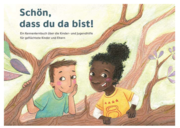
Im Rahmen des Modellprojekts „Gemeinsam für mehr Teilhabe geflüchteter Kinder und Familien am Kinder- und Jugendhilfesystem. Zugänge schaffen und Kooperation fördern!“ von Save the
...
Children und Plan International wurde das Bilder- und Vorlesebuch „Schön, dass du da bist! Ein Kennenlernbuch über die Kinder- und Jugendhilfe für geflüchtete Kinder und Eltern“ veröffentlicht.
more
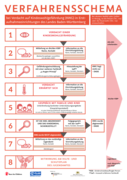
Bei Verdacht auf Kindeswohlgefährdung in Erstaufnahmeeinrichtungen des Landes Baden-Württemberg.
Im Rahmen des vom BMFSFJ geförderten Projektes "Kinder schützen - Strukturen stärken! Kinderschutzstandards in Unterkünften für geflüchtete Menschen" von
...
Save the Children in Kooperation mit Plan International wurden verschiedene Materialien und Arbeitshilfen zur Verankerung des Kinderschutzes gemeinsam mit drei Landesministerien entwickelt.
more
Empfehlungen für Weiterbildungscurricula für ausgewählte Mitarbeitergruppen
Empfehlungen aus dem Projekt KINDER SCHÜTZEN–STRUKTUREN STÄRKEN! Kinderschutzstandards in Unterkünften für geflüchtete Menschen
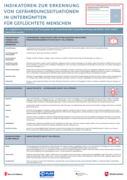
Im Rahmen des vom BMFSFJ geförderten Projektes "Kinder schützen - Strukturen stärken! Kinderschutzstandards in Unterkünften für geflüchtete Menschen" von Save the
...
Children in Kooperation mit Plan International wurden verschiedene Materialien und Arbeitshilfen zur Verankerung des Kinderschutzes gemeinsam mit drei Landesministerien entwickelt.
more
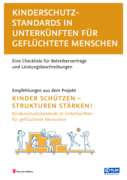
Eine Checkliste für Betreiberverträge und Leistungsbeschreibungen.
Im Rahmen des vom BMFSFJ geförderten Projektes "Kinder schützen - Strukturen stärken! Kinderschutzstandards in Unterkünften für geflüchtete Menschen" von Save
...
the Children in Kooperation mit Plan International wurden verschiedene Materialien und Arbeitshilfen zur Verankerung des Kinderschutzes gemeinsam mit drei Landesministerien entwickelt.
more
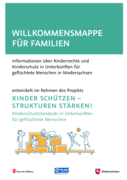
Informationen über Kinderrechte und Kinderschutz in Unterkünften für geflüchtete Menschen in Niedersachsen.
Im Rahmen des vom BMFSFJ geförderten Projektes "Kinder schützen - Strukturen stärken! Kinderschutzstandards in Unterkünften für geflüchtete Menschen" von
...
Save the Children in Kooperation mit Plan International wurden verschiedene Materialien und Arbeitshilfen zur Verankerung des Kinderschutzes gemeinsam mit drei Landesministerien entwickelt.
more
Action on behalf of unaccompanied and separated children should be guided by principles enshrined in international standards. The validity of these
...
principles has been confirmed by experience and lessons learnt from conflicts and natural disasters in recent years. The objective of the present publication is to outline the guiding principles which form the basis for action in this regard.
more
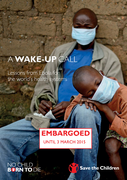
A Wake-Up Call: Lessons from Ebola for the world’s health systems
recommended
Save the Children
(2015)
Almost 30 countries vulnerable to a new Ebola-style Epidemic, jeopardising the future of millions of Children. The report ranks
...
the world’s poorest countries on the state of their public health systems, finding that 28 have weaker defences in place than Liberia where, alongside Sierra Leone and Guinea, the current Ebola crisis has already claimed 9,000 lives, and provoked an extraordinary international response to help contain it.
more
The MalariaCare Toolkit. Tools for maintaining high-quality malaria
case management services.
Developed by MalariaCare, this module supports health supervisors in improving the management of sever
...
e malaria by providing focused, case-based learning and mentorship. It provides clinical supervisors with the necessary tools to guide healthcare providers during outreach training and supportive supervision (OTSS) visits. The module is designed to strengthen diagnostic and treatment skills, particularly in areas that are often overlooked, such as severe malaria. It uses real-life case studies and guided discussions to assess and enhance clinical understanding. Its flexible structure can be adapted based on the knowledge level of the provider, promoting effective, practical learning in healthcare settings.
Accessed on 03/07/2025.
more
The Malaria Care Toolkit. Tools for maintaining high-quality malaria
case management services. Développé par MalariaCare, ce module aide les superviseurs de santé à améliorer la prise en charge du paludisme grave en leur proposant un apprentis
...
sage et un mentorat ciblés et basés sur des cas. Il leur fournit les outils nécessaires pour guider les prestataires de soins de santé lors des visites de formation et de supervision de proximité (OTSS). Conçu pour renforcer les compétences en matière de diagnostic et de traitement, il se concentre notamment sur les domaines souvent négligés, comme le paludisme grave. Il utilise des études de cas réels et des discussions guidées pour évaluer et améliorer la compréhension clinique.
more
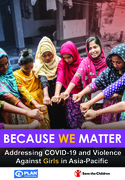
Asia is home to more than half of the world’s 1.1 billion girls. Gender inequality in many parts of the region means that girls are often systematically disadvantaged and oppressed by poverty, vio
...
lence, exclusion and discrimination. Girls’ development is hampered by child, early and forced marriage and high adolescent pregnancy rates. Across the region, genderbased violence against girls and women constitutes a serious and widespread rights violation, particularly with regard to domestic violence, marital rape, and trafficking in women and girls.
Emerging data shows that since the outbreak of COVID-19, violence against girls and women, particularly domestic violence, has intensified
more
