
Filter
408
Text search:
PrEP
Featured
67
94
Language
Document type
121
117
74
31
21
17
6
6
5
4
3
1
Countries
22
16
14
11
9
6
5
5
5
4
4
4
4
4
4
4
4
3
3
3
3
3
3
3
3
3
3
2
2
2
2
2
2
2
2
2
2
2
1
1
1
1
1
1
1
1
1
1
1
1
Authors & Publishers
Publication Years
Category
137
34
20
7
6
4
1
Toolboxes
173
19
12
11
10
9
9
7
7
7
4
4
3
3
3
2
2
2
2
1
1
1

Accessed: 29.02.2020
Adolescent girls and young women (AGYW) remain disproportionately affected by HIV in Eastern and Southern Africa (ESA), with 26 per cent of new infections attributed to this population. AGYW face many personal, social and structural barriers to access, uptake and use of traditional HIV prevention me
...
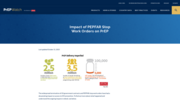
Impact of PEPFAR Stop Work Orders on PrEP
recommended
The widespread termination of US government contracts and PEPFAR stop work orders have had a devastating impact on access to HIV prevention. To find out more about what happened and understand the ongoing impacts in detail, click on the link

Factsheet
Download Kiswahili or English frequently asked questions about PrEP.
Oral PrEP Tool app
recommended
The WHO PrEP Implementation Tool app for health workers
Download IOS
Download play store
This PrEP Implementation SOP will serve as a more detailed guide for NCHADS, partners and providers at FHC, NGO clinics and medically supervised CBO DICs
This eLearning course is for practicing health professionals around the globe who currently have a client population at high-risk for contracting HIV and provide or will provide Oral PrEP or Post-Exposure Prophylaxis (PEP). The course has four inter
...

Evidence shows that oral pre-exposure prophylaxis (PrEP) reduces the risk of contracting HIV during sexual intercourse by more than 90% when taken daily. It is for this reason the National HIV Prevention Strategy 2015-2020 (2018 Revision) emphasi
...
These guidelines focus on the provision of PrEP as part of comprehensive combination prevention,
drawing on implementation and research evidence and WHO recommendations.
Este curso introduce la prevención combinada del VIH y la PrEP (profilaxis preexposición), brindando herramientas técnicas para su correcta implementación y seguimiento en la región.
This course introduces combined HIV prevention and PrEP (pre-exposure prophylaxis), providing technical tools for its proper implementation and monitoring in the region.
WHO has developed this series of modules to support the implementation of PrEP among a range of populations in different settings.
The tool contains modules for a range of stakeholders to support them in the consideration, planning, introduction
...
Guidelines on lenacapavir for HIV prevention and testing strategies for long-acting injectable pre-exposure prophylaxis. Web Annex F

Technical Brief
July 2017

Herramienta de estimación de necesidades y costos de la profilaxis preexposición (PrEP). Instruccciones de uso. En particular, calcula 1) el número de personas que se beneficiarían de la PrEP, e
...
