
Filter
3844
Text search:
health
impacts
Featured
286
841
Language
3587
245
123
91
84
50
44
16
8
7
5
5
4
4
4
3
3
3
3
3
3
3
2
2
2
2
2
2
2
2
1
1
1
1
1
1
1
1
1
1
1
1
1
1
1
1
1
Document type
1496
1158
430
243
218
118
71
49
17
13
10
9
5
3
Countries
289
110
94
77
72
72
65
64
63
63
60
58
57
49
48
44
43
39
39
39
37
36
35
34
33
30
29
28
28
27
26
25
25
25
24
23
22
22
20
20
19
19
18
17
16
15
15
14
14
12
12
12
12
11
11
11
10
10
10
10
9
9
9
8
8
8
8
8
8
7
7
6
6
6
6
6
5
5
4
4
4
4
4
4
4
4
4
4
4
4
3
3
3
3
3
3
3
3
3
3
2
2
2
2
2
2
2
2
2
2
2
2
1
1
1
1
1
1
1
1
1
1
1
1
1
1
1
1
1
1
1
1
1
1
1
1
1
1
1
1
1
1
1
1
Authors & Publishers
482
136
127
100
80
78
76
41
37
37
25
25
24
21
20
20
20
18
18
18
18
17
16
16
16
15
15
15
14
14
13
13
13
12
12
12
12
12
11
11
11
10
10
10
10
10
10
10
10
9
9
9
9
9
8
8
8
8
8
8
8
8
8
8
8
8
8
8
8
8
7
7
7
7
7
7
7
7
7
7
7
6
6
6
6
6
6
6
6
6
6
6
6
6
6
6
6
6
5
5
5
5
5
5
5
5
5
5
5
5
5
5
5
5
5
5
5
4
4
4
4
4
4
4
4
4
4
4
4
4
4
4
4
4
4
4
4
4
4
4
4
4
4
4
4
4
4
4
4
4
4
4
4
4
4
4
4
4
4
4
4
4
4
3
3
3
3
3
3
3
3
3
3
3
3
3
3
3
3
3
3
3
3
3
3
3
3
3
3
3
3
3
3
3
3
3
3
3
3
3
3
3
3
3
3
3
3
3
3
3
3
3
3
3
3
3
3
3
3
3
3
3
3
3
3
3
3
3
3
3
3
3
3
3
3
3
3
3
3
3
3
2
2
2
2
2
2
2
2
2
2
2
2
2
2
2
2
2
2
2
2
2
2
2
2
2
2
2
2
2
2
2
2
2
2
2
2
2
2
2
2
2
2
2
2
2
2
2
2
2
2
2
2
2
2
2
2
2
2
2
2
2
2
2
2
2
2
2
2
2
2
2
2
2
2
2
2
2
2
2
2
2
2
2
2
2
2
2
2
2
2
2
2
2
2
2
2
2
2
2
2
2
2
2
2
2
2
2
2
2
2
2
2
2
2
2
2
2
2
2
2
2
2
2
2
2
2
2
2
2
2
2
2
2
2
2
2
2
2
2
2
2
2
2
2
2
2
2
2
2
2
2
2
2
2
2
2
2
2
2
2
2
2
2
2
2
2
2
2
2
2
2
2
2
2
2
2
2
2
2
2
2
2
2
2
2
2
2
2
2
2
2
2
2
2
2
2
2
2
2
1
1
1
1
1
1
1
1
1
1
1
1
1
1
1
1
1
1
1
1
1
1
1
1
1
1
1
1
1
1
1
1
1
1
1
1
1
1
1
1
1
1
1
1
1
1
1
1
1
1
1
1
1
1
1
1
1
1
1
1
1
1
1
1
1
1
1
1
1
1
1
1
1
1
1
1
1
1
1
1
1
1
1
1
1
1
1
1
1
1
1
1
1
1
1
1
1
1
1
1
1
1
1
1
1
1
1
1
1
1
1
1
1
1
1
1
1
1
1
1
1
1
1
1
1
1
1
1
1
1
1
1
1
1
1
1
1
1
1
1
1
1
1
1
1
1
1
1
1
1
1
1
1
1
1
1
1
1
1
1
1
1
1
1
1
1
1
1
1
1
1
1
1
1
1
1
1
1
1
1
1
1
1
1
1
1
1
1
1
1
1
1
1
1
1
1
1
1
1
1
1
1
1
1
1
1
1
1
1
1
1
1
1
1
1
1
1
1
1
1
1
1
1
1
1
1
1
1
1
1
1
1
1
1
1
1
1
1
1
1
1
1
1
1
1
1
1
1
1
1
1
1
1
1
1
1
1
1
1
1
1
1
1
1
1
1
1
1
1
1
1
1
1
1
1
1
1
1
1
1
1
1
1
1
1
1
1
1
1
1
1
1
1
1
1
1
1
1
1
1
1
1
1
1
1
1
1
1
1
1
1
1
1
1
1
1
1
1
1
1
1
1
1
1
1
1
1
1
1
1
1
1
1
1
1
1
1
1
1
1
1
1
1
1
1
1
1
1
1
1
1
1
1
1
1
1
1
1
1
1
1
1
1
1
1
1
1
1
1
1
1
1
1
1
1
1
1
1
1
1
1
1
1
1
1
1
1
1
1
1
1
1
1
1
1
1
1
1
1
1
1
1
1
1
1
1
1
1
1
1
1
1
1
1
1
1
1
1
1
1
1
1
1
1
1
1
1
1
1
1
1
1
1
1
1
1
1
1
1
1
1
1
1
1
1
1
1
1
1
1
1
1
1
1
1
1
1
1
1
1
1
1
1
1
1
1
1
1
1
1
1
1
1
1
1
1
1
1
1
1
1
1
1
1
1
1
1
1
1
1
1
1
1
1
1
1
1
1
1
1
1
1
1
1
1
1
1
1
1
1
1
1
1
1
1
1
1
1
1
1
1
1
1
1
1
1
1
1
1
1
1
1
1
1
1
1
1
1
1
1
1
1
1
1
1
1
1
1
1
1
1
1
1
1
1
1
1
1
1
1
1
1
1
1
1
1
1
1
1
1
1
1
1
1
1
1
1
1
1
1
1
1
1
1
1
1
1
1
1
1
1
1
1
1
1
1
1
1
1
1
1
1
1
1
1
1
1
1
1
1
1
1
1
1
1
1
1
1
1
1
1
1
1
1
1
1
1
1
1
1
1
1
1
1
1
1
1
1
1
1
1
1
1
1
1
1
1
1
1
1
1
1
1
1
1
1
1
1
1
1
1
1
1
1
1
1
1
1
1
1
1
1
1
1
1
1
1
1
1
1
1
1
1
1
1
1
1
1
1
1
1
1
1
1
1
1
1
1
1
1
1
1
1
1
1
1
1
1
1
1
1
1
1
1
1
1
1
1
1
1
1
1
1
1
1
1
1
1
1
1
1
1
1
1
1
1
1
1
1
1
1
1
1
1
1
1
1
1
1
1
1
1
1
1
1
1
1
1
1
1
1
1
1
1
1
1
1
1
1
1
1
1
1
1
1
1
1
1
1
1
1
1
1
1
1
1
1
1
1
1
1
1
1
1
1
1
1
1
1
1
1
1
1
1
1
1
1
1
1
1
1
1
1
1
1
1
1
1
1
1
1
1
1
1
1
1
1
1
1
1
1
1
1
1
1
1
1
1
1
1
1
1
1
1
1
1
1
1
1
1
1
1
1
1
1
1
1
1
1
1
1
1
1
1
1
1
1
1
1
1
1
1
1
1
1
1
1
1
1
1
1
1
1
1
1
1
1
1
1
1
1
1
1
1
1
1
1
1
1
1
1
1
1
1
1
1
1
1
1
1
1
1
1
1
1
1
1
1
1
1
1
1
1
1
1
1
1
1
1
1
1
1
1
1
1
1
1
1
1
1
1
1
1
1
1
1
1
1
1
1
1
1
1
1
1
1
1
1
1
1
1
1
1
1
1
1
1
1
1
1
1
1
1
1
1
1
1
1
1
1
1
1
1
1
1
1
1
1
1
1
1
1
1
1
1
1
1
1
1
1
1
1
1
1
1
1
1
1
1
1
1
1
1
1
1
1
1
1
1
1
1
1
1
1
1
1
1
1
1
1
1
1
1
1
1
1
1
1
1
1
1
1
1
1
1
1
1
1
1
1
1
1
1
1
1
1
1
1
1
1
1
1
1
1
1
1
1
1
1
1
1
1
1
1
1
1
1
1
1
1
1
1
1
1
1
1
1
1
1
1
1
1
1
1
1
1
1
1
1
1
1
1
1
1
1
1
1
1
1
1
1
1
1
1
1
1
1
1
1
1
1
1
1
1
1
1
1
1
1
1
1
1
1
1
1
1
1
1
1
1
1
1
1
1
1
1
1
1
1
1
1
1
1
1
1
1
1
1
1
1
1
1
1
1
1
1
1
1
1
1
1
1
1
1
1
1
1
1
1
1
1
1
1
1
1
1
1
1
1
1
1
1
1
1
1
1
1
1
1
1
1
1
1
1
1
1
1
1
1
1
1
1
1
1
1
1
1
1
1
1
1
1
1
1
1
1
1
1
1
1
1
1
1
1
1
1
1
1
1
1
1
1
1
1
1
1
1
1
1
1
1
1
1
1
1
1
1
1
1
1
1
1
1
1
1
1
1
1
1
1
1
1
1
1
1
1
1
1
1
1
1
1
1
1
1
1
1
1
1
1
1
1
1
1
1
1
1
1
1
1
1
1
1
1
1
1
1
1
1
1
1
1
1
1
1
1
1
1
1
1
1
1
1
1
1
1
1
1
1
1
1
1
1
1
1
1
1
1
1
1
1
1
1
1
1
1
1
1
1
1
1
1
1
1
1
1
1
1
1
1
1
1
1
1
1
1
1
1
1
1
1
1
1
1
1
1
1
1
1
1
1
1
1
1
1
1
1
1
1
1
1
1
1
1
1
1
1
1
1
1
1
1
1
1
1
1
1
1
1
1
1
1
1
1
1
1
1
1
1
1
1
1
1
1
1
1
1
1
1
1
1
1
1
1
1
1
1
1
1
1
1
1
1
1
1
1
1
1
1
1
1
1
1
1
1
1
1
1
1
1
1
1
1
1
1
1
1
1
1
1
1
1
1
1
1
1
1
1
1
1
1
1
1
1
1
1
1
1
1
1
1
1
1
1
1
1
1
1
1
1
1
1
1
1
1
1
1
1
1
1
1
1
1
1
1
1
1
1
1
1
1
1
1
1
1
1
1
1
1
1
1
1
1
1
1
1
1
1
1
1
1
1
1
1
1
1
1
1
1
1
1
1
1
1
1
1
1
1
1
1
1
1
1
1
1
1
1
1
1
1
1
1
1
1
1
1
1
1
1
1
1
1
1
1
1
1
1
1
1
1
1
1
1
1
1
1
1
1
1
1
1
1
1
1
1
1
1
1
1
1
1
1
1
1
1
1
1
1
1
1
1
1
1
1
1
1
1
1
1
1
1
1
1
1
1
1
1
1
1
1
1
1
1
1
1
1
1
1
1
1
1
1
1
1
1
1
1
1
1
1
1
1
1
1
1
1
1
1
1
1
1
1
1
1
1
1
1
1
1
1
1
1
1
1
1
1
1
1
1
1
1
1
1
1
1
1
1
1
1
1
1
1
1
1
1
1
1
1
1
1
1
1
1
1
1
1
1
1
1
1
1
1
1
1
1
1
1
1
1
1
1
1
1
1
1
1
1
1
1
1
1
1
1
1
1
1
1
1
1
1
1
1
1
1
1
1
1
1
1
1
1
1
1
1
1
1
1
1
1
1
1
1
1
1
1
1
1
1
1
1
1
1
1
1
1
1
1
1
1
1
1
1
1
1
1
1
1
1
1
1
1
1
1
1
1
1
1
1
1
1
1
1
1
1
1
1
1
1
1
1
1
1
1
1
1
1
1
1
1
1
1
1
1
1
1
1
1
1
1
1
1
1
1
1
1
1
1
1
1
1
1
1
1
1
1
1
1
1
1
1
1
1
1
1
1
1
1
1
1
1
1
1
1
1
1
1
1
1
1
1
1
1
1
1
1
1
1
1
1
1
1
1
1
1
1
1
1
1
1
1
1
1
1
1
1
1
1
1
1
1
1
1
1
1
1
1
1
1
1
1
1
1
1
1
1
1
1
1
1
1
1
1
1
1
1
1
1
1
1
1
1
1
1
1
1
1
1
1
1
1
1
1
1
1
1
1
1
1
1
1
1
1
1
1
1
1
1
1
1
1
1
1
1
1
1
1
1
1
1
1
1
1
1
1
1
1
1
1
1
1
1
1
1
1
1
1
1
1
1
1
1
1
1
1
1
1
1
1
1
1
1
1
1
1
1
1
1
1
1
1
1
1
1
1
1
1
1
1
1
1
1
1
1
1
1
1
1
1
1
1
1
1
1
1
1
1
1
1
1
1
1
1
1
1
1
1
1
1
1
1
1
1
1
1
1
1
1
1
1
1
1
1
1
1
1
1
1
1
1
1
1
1
1
1
1
1
1
1
1
1
1
1
1
1
1
1
1
1
1
1
1
1
1
1
1
1
1
1
1
1
1
1
1
1
1
1
1
1
1
1
1
1
1
1
1
1
1
1
1
1
1
1
1
1
1
1
1
1
1
1
1
1
1
1
1
1
1
1
1
1
1
1
1
1
1
1
1
1
1
1
1
1
1
1
1
1
1
1
1
1
1
1
1
1
1
1
1
1
1
1
1
1
1
1
1
1
1
1
1
1
1
1
1
1
1
1
1
1
1
1
1
1
1
1
1
1
1
1
1
1
1
1
1
1
1
1
1
1
1
1
1
1
1
1
1
1
1
1
1
1
1
1
1
1
1
1
1
1
1
1
1
1
1
1
1
1
1
1
1
1
1
1
1
1
1
1
1
1
1
1
1
1
1
1
1
1
1
1
1
1
1
1
1
1
1
1
1
1
1
1
1
1
1
1
1
1
1
1
1
1
1
1
1
1
1
1
1
1
1
1
1
1
1
1
1
1
1
1
1
1
1
1
1
1
1
1
1
1
1
1
1
1
1
1
1
1
1
1
1
1
1
1
1
1
1
1
1
1
1
1
1
1
1
1
1
1
1
1
1
1
1
1
1
1
1
1
1
1
1
1
1
1
1
1
1
1
1
1
1
1
1
1
1
1
1
1
1
1
1
1
1
1
1
1
1
1
1
1
1
1
1
1
1
1
1
1
1
1
1
1
1
1
1
1
1
1
1
1
1
1
1
1
1
1
1
1
1
1
1
1
1
1
1
1
1
1
1
1
1
1
1
1
1
1
1
1
1
1
1
1
1
1
1
1
1
1
1
1
1
1
1
1
1
1
1
1
1
1
1
1
1
1
1
1
1
1
1
1
1
1
1
1
1
1
1
1
1
1
1
1
1
1
1
1
1
1
1
1
1
1
1
1
1
1
1
1
1
1
1
1
1
1
1
1
1
1
1
1
1
1
1
1
1
1
1
1
1
1
1
1
1
1
1
1
1
1
1
1
1
1
1
1
1
1
1
1
1
1
1
1
1
1
1
1
1
1
1
1
1
1
1
1
1
1
1
1
1
1
1
1
1
1
1
1
1
1
1
1
1
1
1
1
1
1
1
1
1
1
1
1
1
1
1
1
1
1
1
1
1
1
1
1
1
1
1
1
1
1
1
1
1
1
1
1
1
1
1
1
1
1
1
1
1
1
1
1
1
1
1
1
1
1
1
1
1
1
1
1
1
1
1
1
1
1
1
1
1
1
1
1
1
1
1
1
1
1
1
1
1
1
1
1
1
1
1
1
1
1
1
1
1
1
1
1
1
1
1
1
1
1
1
1
1
1
1
1
1
1
1
1
1
1
1
1
1
1
1
1
1
1
1
1
1
1
1
1
1
1
1
Publication Years
1
1742
1905
192
4
Category
1282
366
224
163
101
60
10
1
Toolboxes
498
490
323
156
151
134
108
104
100
97
97
96
88
86
82
80
75
45
41
37
31
18
12
12
7
4
2
The Fourth National Climate Assessment (NCA4) fulfills that mandate in two volumes. This report, Volume II, draws on the foundational science described in Volume I, the Climate Science Special Report (CSSR).2 Volume II focuses on the human welfare, societal, and environmental elements of climate cha
...
nge and variability for 10 regions and 18 national topics, with particular attention paid to observed and projected risks, impacts, consideration of risk reduction, and implications under different mitigation pathways. Where possible, NCA4 Volume II provides examples of actions underway in communities across the United States to reduce the risks associated with climate change, increase resilience, and improve livelihoods.
more
Climate change is already having severe impacts across our planet, bringing new and previously unimaginable challenges to the people least responsible for greenhouse gas emissions.
This report, the first we’ve released jointly in the history of
...
our organizations, provides a sobering review of how just one of those challenges – the increase in deadly heat-waves – threatens to drive new emergency needs in the not-so-distant future.
more
Air pollution is one of the leading causes of health complications and mortality worldwide, especially affecting lower-income groups, who tend to be more exposed and vulnerable. This study documents the relationship between ambient air pollution exp
...
osure and poverty in 211 countries and territories. Using the World Health Organization’s (WHO) 2021 revised fine particulate matter (PM2.5) thresholds, we show that globally, 7.3 billion people are directly exposed to unsafe average annual PM2.5 concentrations, 80 percent of whom live in low- and middle-income countries. Moreover, 716 million of the world’s lowest income people (living on less than $1.90 per day) live in areas with unsafe levels of air pollution, especially in Sub-Saharan Africa. Air pollution levels are particularly high in lower-middle-income countries, where economies tend to rely more heavily on polluting industries and technologies. These findings are based on high-resolution air pollution and population maps with global coverage, as well as subnational poverty estimates based on harmonized household surveys.
more
BANGLADESH COMMUNITY HEALTH PROGRAMS

Migration & health position paper series
Cross-cutting health themes
Tuberculosis, Migration and human mobility
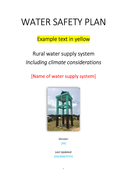
Water safety plan: rural water supply systems including climate considerations [template]
recommended
(2016)
C1
This water safety plan (WSP) template was developed to support the integration of climate risks into the WSP approach in rural areas of the United Rep. of Tanzania. Examples are presented on how to complete the template, and the information should be considered and customized to the local context.
... This resource was developed as part of the Department for International Development (DFID, UK)-funded project on “Building adaptation to climate change in health in least developed countries through resilient WASH” which was implemented from 2013-2018 in Bangladesh, Ethiopia, Nepal and Tanzania. more
... This resource was developed as part of the Department for International Development (DFID, UK)-funded project on “Building adaptation to climate change in health in least developed countries through resilient WASH” which was implemented from 2013-2018 in Bangladesh, Ethiopia, Nepal and Tanzania. more

Beating the DRUM in Lower-Income Countries: Domestic Resource Use and Mobilization for SDG3
The Governments of Burkina Faso and Norway, the Bill & Melinda Gates Foundation, and the World Bank Group
Global Financing Facility (GFF)
(2018)
CC
This paper has been prepared to inform discussion at the conference “Beating the DRUM - Domestic Resource Use and Mobilization for accelerating progress towards SDG3,”. Many countries face critical shortfalls in domestic resource use and mobilization (DRUM) for
...
health, threatening to push health goals out of reach. DRUM failures weaken human capital formation, a vital input to economic growth. Countries need more and better health spending. The first step is to apply already-proven DRUM solutions, adapting them to new contexts. However, in many countries, even the best achievable DRUM performance will not be enough. New solutions are needed, including private-sector engagement and a next generation of DAH. The “Beating the DRUM” conference offers a platform for countries and partners to dialogue and build joint strategy. While each country’s situation is unique, shared lines of action are emerging.
more
The most packed schedule of cyclical replenishments in global health multilateral institutions has the potential to also clash with competing interests fuelled by a packed election calendar. But health
...
imperatives are not a winner gets all scenario. The article provides a perspective on what needs to be done so as to reach out to all interests without compromising on the mission of tackling global health threats. It focuses on the 8th Grant Cycle of the Global Fund and offers suggestions on the way forward.
more

Abrupt reductions in international HIV assistance in 2025 have deepened existing funding shortfalls. The OECD estimates that external health assistance is projected to drop by 30–40% in 2025 compared with 2023, causing immediate and even more seve
...
re disruption to health services in low- and middle-income countries.
more
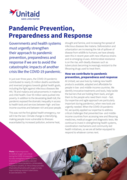
The document explains how Unitaid contributes to strengthening global pandemic prevention, preparedness, and response, particularly in low- and middle-income countries. It highlights lessons from the COVID-19 pandemic, including inequalities in access to h
...
ealth tools, and emphasizes the need for better coordination, stronger health systems, and increased investment in research and development. The text describes Unitaid’s role in improving access to diagnostics, treatments, and medical oxygen, supporting regional manufacturing, and working with global partners to ensure faster and more equitable responses to future health emergencies.
more
A GUIDE FOR HEALTH CARE PROVIDERS.
This material was reprinted, with permission, from the National Sexual Violence Resource Center’s publication entitled Assessing
patients for sexual violence: A guide for
...
health care providers. This guide is available by visiting www.nsvrc.org
more
Lancet Planet Health 2021; 5: e654–58
French and European food systems need to be trans- formed in order to address health, environmental and social challenges.
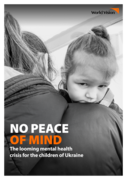
Children’s mental health is top concern for Ukrainian parents, new World Vision report finds; Studies show 22 per cent of people in conflict zones suffer mental disorders; Prevention programs must be urgently prioritised

Building true health security in a global age. Findings and recommendations of the Global Council. In landmark findings based on two years of research and convenings around the world, the new report shows that high levels of inequality are linked to
...
outbreaks becoming pandemics and that inequality is undermining national and global responses, making pandemics more disruptive, deadly, and longer in duration. The report also shows that pandemics increase inequality, fuelling a cycle that research shows is visible not just for COVID-19, but also for AIDS, Ebola, Influenza, Mpox and beyond.
more

The GFF needs an additional US$2.5 billion from 2021 to 2025 to enable countries to protect health gains and accelerate progress toward the 2030 Goals. Of this amount, the GFF urgently needs to secure new pledges of US$1.2 billion by the end of 202
...
1 to help its current 36 partner countries protect and maintain essential health services and implement time-sensitive service delivery and health system improvements to enable a sharp bend of the curve back to a positive trajectory to close the gap to the SDGs.
more
Designed for trainers of health workers, this manual offers skills-building sessions on developing more “male-friendly” health services. Utilizing participatory and experiential activities, the
...
manual examines attitudinal and structural barriers that inhibit men from seeking HIV and AIDS services (both from the client and the provider perspectives), as well as strategies for overcoming such barriers. The manual is designed for all workers in a health care system—frontline staff, clinicians, and administrative, operational, and outreach workers.
more

Treatment Improvement Protocol (TIP) Series No. 59
This Quick Guide is based entirely on information contained in TIP 59, published in 2014. No additional research has been conducted to update this topic since publication of TIP 59. | This Quick Guide provides succinct, easily accessible informatio
...
n to behavioral health administrators about developing culturally competent organizations. The guide is based entirely on Improving Cultural Competence, Number 59 in the Treatment Improvement Protocol (TIP) series. Users of the Quick Guide are invited to consult the primary source, TIP 59, for more information and a complete list of resources for improving cultural competence. To order a copy of TIP 59 or to access it online, see the inside back cover of this guide.
more
Community-based approaches to Mental Health and Psychosocial Support (CB MHPSS) in emergencies are based on the understanding that communities can be drivers for their own care and change and should be meaningfully involved in all stages of MHP
...
SS responses. Emergency-affected people are first and foremost to be viewed as active participants in improving individual and collective well-being, rather than as passive recipients of services that are designed for them by others. Thus, using community-based MHPSS approaches facilitates families, groups and communities to support and care for others in ways that encourage recovery and resilience. These approaches also contribute to restoring and/or strengthening those collective structures and systems essential to daily life and well-being. An understanding of systems should inform community-based approaches to MHPSS programmes for both individuals and communities.
more
A preventable crisis - El Niño and La Niña events need earlier responses and a renewed focus on prevention
Oxfam
(2016)
C2
The devastating impacts of the 2015–16 El Niño will be felt well into 2017. This crisis was predicted, yet overall, the response has been too little too late. The looming La Niña event may further hit communities that are already deeply vulnerab
...
le. To end this cycle of failure, there is an urgent need for humanitarian action where the situation is already dire, to prepare for La Niña later this year, to commit to comprehensive new measures to build communities’ resilience, and to mobilize global action to address climate change which is creating a ‘new normal’ of higher temperatures, drought and unpredictable growing seasons.
more
