
Filter
2397
Text search:
Map
Action
Featured
218
720
Language
2331
58
41
29
25
23
10
8
4
4
3
2
2
2
2
2
2
2
2
2
2
2
2
2
1
1
1
1
1
1
1
1
1
1
1
1
1
1
1
1
1
1
1
1
1
1
1
1
1
Document type
1226
501
241
171
163
45
19
18
9
3
1
Countries / Regions
143
76
70
65
62
57
55
54
51
48
48
43
38
36
35
35
32
32
30
28
27
23
21
21
20
18
18
17
17
16
15
15
14
14
13
13
12
12
11
11
11
10
10
9
9
8
8
7
7
7
7
7
7
6
6
6
6
6
5
5
5
5
5
4
4
4
4
4
3
3
3
3
3
3
2
2
2
2
2
2
2
2
2
2
2
2
2
2
2
2
2
2
2
1
1
1
1
1
1
1
1
1
1
1
1
1
1
1
1
1
1
1
1
1
1
1
1
1
1
1
1
1
1
1
1
1
Authors & Publishers
290
79
77
68
67
62
44
36
36
24
18
17
16
14
14
14
13
13
13
13
11
11
11
11
10
10
10
10
9
9
9
8
8
8
8
8
8
7
7
7
7
7
7
7
7
7
7
6
6
6
6
6
6
6
6
6
6
6
6
5
5
5
5
5
5
5
5
5
5
5
5
5
5
5
4
4
4
4
4
4
4
4
4
4
4
4
4
4
4
4
4
4
4
4
4
4
4
4
4
4
3
3
3
3
3
3
3
3
3
3
3
3
3
3
3
3
3
3
3
3
3
3
3
3
3
3
3
3
3
3
3
3
3
3
3
3
3
3
3
3
3
3
3
3
3
3
3
3
3
3
3
3
3
3
3
3
3
3
3
3
3
3
3
2
2
2
2
2
2
2
2
2
2
2
2
2
2
2
2
2
2
2
2
2
2
2
2
2
2
2
2
2
2
2
2
2
2
2
2
2
2
2
2
2
2
2
2
2
2
2
2
2
2
2
2
2
2
2
2
2
2
2
2
2
2
2
2
2
2
2
2
2
2
2
2
2
2
2
2
2
2
2
2
2
2
2
2
2
2
2
2
2
2
2
2
2
2
2
2
2
2
2
2
2
2
2
2
2
2
2
2
2
2
2
2
2
2
2
2
2
2
2
2
2
2
2
2
2
2
2
2
2
2
2
2
2
2
2
2
1
1
1
1
1
1
1
1
1
1
1
1
1
1
1
1
1
1
1
1
1
1
1
1
1
1
1
1
1
1
1
1
1
1
1
1
1
1
1
1
1
1
1
1
1
1
1
1
1
1
1
1
1
1
1
1
1
1
1
1
1
1
1
1
1
1
1
1
1
1
1
1
1
1
1
1
1
1
1
1
1
1
1
1
1
1
1
1
1
1
1
1
1
1
1
1
1
1
1
1
1
1
1
1
1
1
1
1
1
1
1
1
1
1
1
1
1
1
1
1
1
1
1
1
1
1
1
1
1
1
1
1
1
1
1
1
1
1
1
1
1
1
1
1
1
1
1
1
1
1
1
1
1
1
1
1
1
1
1
1
1
1
1
1
1
1
1
1
1
1
1
1
1
1
1
1
1
1
1
1
1
1
1
1
1
1
1
1
1
1
1
1
1
1
1
1
1
1
1
1
1
1
1
1
1
1
1
1
1
1
1
1
1
1
1
1
1
1
1
1
1
1
1
1
1
1
1
1
1
1
1
1
1
1
1
1
1
1
1
1
1
1
1
1
1
1
1
1
1
1
1
1
1
1
1
1
1
1
1
1
1
1
1
1
1
1
1
1
1
1
1
1
1
1
1
1
1
1
1
1
1
1
1
1
1
1
1
1
1
1
1
1
1
1
1
1
1
1
1
1
1
1
1
1
1
1
1
1
1
1
1
1
1
1
1
1
1
1
1
1
1
1
1
1
1
1
1
1
1
1
1
1
1
1
1
1
1
1
1
1
1
1
1
1
1
1
1
1
1
1
1
1
1
1
1
1
1
1
1
1
1
1
1
1
1
1
1
1
1
1
1
1
1
1
1
1
1
1
1
1
1
1
1
1
1
1
1
1
1
1
1
1
1
1
1
1
1
1
1
1
1
1
1
1
1
1
1
1
1
1
1
1
1
1
1
1
1
1
1
1
1
1
1
1
1
1
1
1
1
1
1
1
1
1
1
1
1
1
1
1
1
1
1
1
1
1
1
1
1
1
1
1
1
1
1
1
1
1
1
1
1
1
1
1
1
1
1
1
1
1
1
1
1
1
1
1
1
1
1
1
1
1
1
1
1
1
1
1
1
1
1
1
1
1
1
1
1
1
1
1
1
1
1
1
1
1
1
1
1
1
1
1
1
1
1
1
1
1
1
1
1
1
1
1
1
1
1
1
1
1
1
1
1
1
1
1
1
1
1
1
1
1
1
1
1
1
1
1
1
1
1
1
1
1
1
1
1
1
1
1
1
1
1
1
1
1
1
1
1
1
1
1
1
1
1
1
1
1
1
1
1
1
1
1
1
1
1
1
1
1
1
1
1
1
1
1
1
1
1
1
1
1
1
1
1
1
1
1
1
1
1
1
1
1
1
1
1
1
1
1
1
1
1
1
1
1
1
1
1
1
1
1
1
1
1
1
1
1
1
1
1
1
1
1
1
1
1
1
1
1
1
1
1
1
1
1
1
1
1
1
1
1
1
1
1
1
1
1
1
1
1
1
1
1
1
1
1
1
1
1
1
1
1
1
1
1
1
1
1
1
1
1
1
1
1
1
1
1
1
1
1
1
1
1
1
1
1
1
1
1
1
1
1
1
1
1
1
1
1
1
1
1
1
1
1
1
1
1
1
1
1
1
1
1
1
1
1
1
1
1
1
1
1
1
1
1
1
1
1
1
1
1
1
1
1
1
1
1
1
1
1
1
1
1
1
1
1
1
1
1
1
1
1
1
1
1
1
1
1
1
1
1
1
1
1
1
1
1
1
1
1
1
1
1
1
1
1
1
1
1
1
1
1
1
1
1
1
1
1
1
1
1
1
1
1
1
1
1
1
1
1
1
1
1
1
1
1
1
1
1
1
1
1
1
1
1
1
1
1
1
1
1
1
1
1
1
1
1
1
1
1
1
1
1
1
1
1
1
1
1
1
1
1
1
1
1
1
1
1
1
1
1
1
1
1
1
1
1
1
1
1
1
1
1
1
1
1
1
1
1
1
1
1
1
1
1
1
1
1
1
1
1
1
1
1
1
1
1
1
1
1
1
1
1
1
1
1
1
1
1
1
1
1
1
1
1
1
1
1
1
1
1
1
1
1
1
1
1
1
1
1
1
1
1
1
1
1
1
1
1
1
1
1
1
1
1
1
1
1
1
1
1
1
1
1
1
1
1
1
1
1
1
1
1
1
1
1
1
1
1
1
1
1
1
1
1
1
1
1
1
1
1
1
1
1
1
1
1
1
1
1
1
1
1
1
1
1
1
1
1
1
1
1
1
1
1
1
1
1
1
1
1
1
1
1
1
1
1
1
1
1
1
1
1
1
1
1
1
1
1
1
1
1
1
1
1
1
1
1
1
1
1
1
1
1
1
1
1
1
1
1
1
1
1
1
1
1
1
1
1
1
1
1
1
1
1
1
1
1
1
1
1
1
1
1
1
1
1
1
1
1
1
1
1
1
1
1
1
1
1
1
1
1
1
1
1
1
1
1
1
1
1
1
1
1
1
1
1
1
1
1
1
1
1
1
1
1
1
1
1
1
1
1
1
1
1
1
1
1
1
1
1
1
1
1
1
1
1
1
1
1
1
1
1
1
1
1
1
1
1
1
1
1
1
1
1
1
1
1
1
1
1
1
1
1
1
1
1
1
1
1
1
1
1
1
1
1
1
1
1
1
1
1
1
1
1
1
1
1
1
1
1
1
1
1
1
1
1
1
1
1
1
1
1
1
1
1
1
1
1
1
1
1
1
1
1
1
1
1
1
1
1
1
1
1
1
1
1
1
1
1
1
1
1
1
1
1
1
1
1
1
1
1
1
1
1
1
1
1
1
1
1
1
1
1
1
1
1
1
1
1
1
1
1
1
1
1
1
1
1
1
1
1
1
1
1
1
1
1
1
1
1
1
1
1
1
1
1
1
1
1
1
1
1
1
1
1
1
1
1
1
1
1
1
1
1
1
1
1
1
1
1
1
1
1
1
1
1
1
1
1
1
1
1
1
1
1
1
1
1
1
1
1
1
1
1
1
1
1
1
1
1
1
1
1
1
1
1
1
1
1
1
1
1
1
1
1
1
1
1
1
1
1
1
1
1
1
1
1
1
1
1
1
1
1
1
1
1
1
1
1
1
1
1
1
1
1
1
1
1
1
1
1
1
1
1
1
1
1
1
1
1
1
1
1
1
1
1
1
1
1
1
1
1
1
1
1
1
1
1
1
1
1
1
1
1
1
1
1
1
1
1
1
1
1
1
1
1
1
1
1
1
1
1
1
1
1
1
1
1
1
1
1
1
1
1
1
1
1
1
1
1
1
1
1
1
1
1
1
1
1
1
1
1
1
1
1
1
1
1
1
1
1
1
1
1
1
1
1
1
1
1
1
1
1
1
1
1
1
1
1
1
1
1
1
1
1
1
1
1
1
1
1
1
1
1
1
1
1
1
1
1
1
1
1
1
1
1
1
1
1
1
1
1
1
1
1
1
1
1
1
1
1
1
1
1
1
1
1
1
1
1
1
1
1
1
1
1
1
1
1
1
1
1
1
1
1
1
1
1
1
1
1
1
1
1
1
1
1
1
1
1
1
1
1
1
1
1
1
1
1
1
1
1
1
1
1
1
1
1
1
1
1
1
1
1
1
1
1
1
1
1
1
1
1
1
1
1
1
1
1
1
1
1
1
1
1
1
1
1
1
1
1
1
1
1
1
1
1
1
1
1
1
1
1
1
1
1
1
1
1
1
1
1
1
1
1
1
1
1
1
1
1
1
1
1
1
1
1
1
1
1
1
1
1
1
1
1
1
1
1
1
1
1
1
1
1
1
1
1
1
1
1
1
1
1
1
1
1
1
1
1
1
1
1
1
1
1
1
1
1
1
1
1
1
1
1
1
1
1
1
1
1
1
1
1
1
1
1
1
1
1
1
1
1
1
1
1
1
1
1
1
1
1
1
1
1
1
1
1
1
1
1
1
1
1
1
1
Publication Years
1
766
1439
182
9
Category
945
243
152
106
104
49
8
3
Toolboxes
167
152
128
92
91
89
86
72
68
67
63
58
53
52
41
38
34
33
32
28
18
17
16
13
5
3
1

Assistive Technologies in a Workplace Environment: Barriers for the Employment of Persons with Disabilities
Maria Jakovljevic & Sheryl Buckley
Disability, CBR & Inclusive Development Journal (DCIDJ)
(2011)
CC


This revised trainer's guide contains a prototype training schedule for four days. Teaching and learning strategies are highly interactive, using participatory and experiential approach. Training outcomes include developing skills in assessment of clients for risk factors; conduct basic screening pr
...
ocedures and interpreting the results; holding health education sessions on risk factor modification; promoting healthy lifestyle; and mobilizing communities. The manual is divided into six modules.
more

Growing Up in Conflict: The Impact on Children's Mental Health and Psychosocial Well-being
Maria Bray, Sabine Rakotomalala, Leslie Snider, Saji Thomas
UNICEF, Wendy Ager, Pierette James
(2015)
Report on the symposium 26–28 May 2015, New Babylon Meeting Center, The Hague

In disaster preparedness, the participation of women, children, older people, persons with disabilities (PWDs), and other minority groups and sectors is important because they are the most vulnerable against disasters. Inclusive disaster preparedness provides technical and logical frameworks that as
...
similate the most vulnerable sectors in a community and enhances their capacity against future disasters.
more


2016-2018 Early implementation,
This report presents 2015 data on the consumption of systemic antibiotics from 65 countries and areas, contributing to our understanding of how antibiotics are used in these countries. In addition, the report documents early efforts of the World Health Organization (
...
WHO) and participating countries to monitor antimicrobial consumption, describes the WHO global methodology for data collection, and highlights the challenges and future steps in monitoring antimicrobial consumption.
more

Living Conditions among People with Activity Limitations in Zambia: A National Representative Study.
This research report provides results from the study on living conditions among people with disabilities in Zambia. Comparisons are made between individuals with and without disabilities and also between households with and without a disabled family member. Results obtained in Zambia are also compar
...
ed to those obtained in earlier studies carried out in Namibia, Zimbabwe and Malawi. The Zambian study was undertaken in 2005-2006.
more

Living Conditions among People with Activity Limitations in Malawi. A National Representative Study.
This research report provides results from the study on living conditions
among people with disabilities in Malawi. Comparisons are made between
individuals with and without disabilities and also between households with and without a disabled family member. Results obtained in Malawi are also comp
...
ared those obtained in earlier studies carried out in Namibia and Zimbabwe. The Malawian study was undertaken in 2003.
more
This is a report from a National, representative household survey carried out in Botswana in 2012 – 2014. The study was carried out on behalf of the Norwegian Federation of Organisations of Disabled Persons (FFO), Southern Africa Federation of the Disabled (SASFOD) and Botswana Federation of Disab
...
led People (BOFOD). The study was led by Professor Tlamelo Mmatli of the University of Botswana, in collaboration with SINTEF Technology and Society. The study would not have been possible without a strong commitment from the Office of the President of Botswana and support from the Central Statistical Office. The study presents a broad picture of the situation among individuals with disability and households with disabled members in Botswana. It offers comparison with individuals without disability and households without disabled members, between provinces and between genders and locations (urban/rural). The study reveals that households with disabled members and individuals with disability score lower on a range on indicators on level of living.
more

The report offers 20 top recommendations for getting ahead of future outbreaks in Yemen and similarly complex humanitarian settings.
In 2015, Yemen was declared a Level 3 emergency by the UN, kicking into gear the highest level of humanitarian support. A massive cholera outbreak followed, leading t
...
o 1 million suspected cases in 2 waves from September 2016-July 2018.
“We largely know ‘what to do’ to control cholera, but context-specific practices on ‘how to do it’ in order to surmount challenges to coordination, logistics, insecurity, access and politics remain needed,” the report states.
While the response improved between the 2 waves, there were gaps. For one, Yemen’s history of cholera should have triggered a heavy focus on pre-planning for an epidemic, such as stockpiling supplies and doubling down on community-based surveillance, the report fou
more
The main objective of this guidance is to provide scientific advice, based on an evidence-based assessment of targeted public health interventions, to facilitate effective screening and vaccination for priority infectious diseases among newly arrived migrant populations to the EU/EEA. It is intended
...
to support EU/EEA Member States to develop national strategies to strengthen infectious disease prevention and control among migrants and meet the health needs of these populations.
more

Looking forward, the 2019-2020 Regional Refugee Response Plan (RRRP) for the DRC situation aims at addressing the needs of new arrivals of Congolese refugees in the region, and those in protracted situations. By supporting livelihoods opportunities and through a resilience-based approach, refugees w
...
ill be able to contribute to the development of their host countries, and of their country of origin upon their return. Given the limited capacity of host communities to support the impact of massive numbers of refugees, the response strategy will also address the needs of local populations, strengthening peaceful co-existence and building social cohesion.
more

INDEX-TB Guidelines - Guidelines on extra-pulmonary tuberculosis for India
Indian Council of Medical Research (ICMR), Global Health Advocates, Cochrane Infectious Diseases Group
World Health Organisation (WHO)
(2016)
C1
The main objective of these guidelines is to provide guidance on up-to-date, uniform, evidence-informed practices for suspecting, diagnosing and managing various forms of extra-pulmonary tuberculosis (EPTB) at all levels of healthcare delivery. They can then contribute to the National Programme to i
...
mprove detection, care and outcomes in EPTB; to help the programme with initiation of treatment, adherence and completion whilst minimizing drug toxicity and overtreatment; and contribute to practices that minimize the development of drug resistance.
more

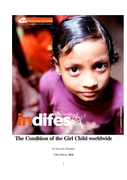
In the last five years, i.e. how old turned the Campaign “Indifesa” (Defenceless) in 2016, that was launched by Terre des Hommes in 2012, the world has become smaller. One can actually say that the derangements following the Arab Spring in 2011 reshuffled what is stable and what produces instabi
...
lity; between those, who live in a peaceful world, and those, who try to survive in areas affected by violence. All that significantly reduced the distance between those, who live there, along the Mediterranean cost, and those, who live here. Such deep disorder made even more acute, visible and tangible also for the so called developed world all the serious violations of the human rights suffered by little girls and girls: on the one hand the widespread political instability and violence made even more precarious the little girls and young women’s conditions on the Mediterranean southern coast, where they were already fragile; and on the other hand the migration flows further worsened them, matching at the same time the conditions of those young and very young migrants to those of the European girls of the same age.
more

“Because we struggle to survive” Child Labour among Refugees of the Syrian Conflict | This study provides pertinent first-hand information on the reality facing Syrian children who are working either in their homeland, the neighbouring countries or elsewhere in Europe. Syria's civil war is the w
...
orst humanitarian crisis of our time. Hundreds of thousands of people - adults and children alike - have been killed. Two thirds of all Syrians have lost their homes and their livelihoods. Millions of Syrians have been uprooted from their home communities and forced to flee within their country or to neighbouring countries. The consistent spill-over has drawn global attention not just to the humanitarian crisis facing both local communities and national governments but also to the economic and social strain. The bloodshed wreaked by the different parties continues. The suffering deepens. Approximately half of the Syrian refugees and displaced persons are children and young people who suffer from a double-vulnerability: as children and as migrants or refugees.
more
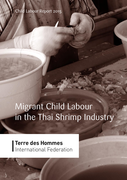
Slavery on fishing vessels, degradation of ecosystems, overfishing, debt bondage, human trafficking and child labour in peeling sheds – the scandals surrounding the Thai fishery and shrimp industries have garnered international censure. Farmed and processed at the cost of extreme exploitation of b
...
oth people and the planet, Thai shrimp ends up on plates around the world. The former delicacy can now be bought cheaply everywhere. But how high is the price really? And who has to pay it?
This report by seeks to remind governments in the countries of production that it is their duty to enforce human rights and living wages, rather than to compete for the favour of large companies to the detriment of people and the environment. It also appeals to consumers and their governments – and to importers – to send a clear message to suppliers in Thailand and elsewhere: If you want to survive on the global market, you need to respect human rights and child rights, and uphold social and environmental standards.
more
