
Filter
1746
Text search:
Breastfeeding
Status
Featured
197
636
Language
Document type
1099
225
190
69
58
55
22
8
8
6
4
1
Countries
118
83
75
58
52
52
50
48
46
46
44
42
39
36
33
31
28
25
21
20
20
18
17
15
14
13
12
12
11
11
10
9
9
8
8
7
7
6
6
6
6
6
6
5
5
5
5
4
4
3
3
3
3
3
3
3
3
3
3
3
3
2
2
2
2
2
2
2
2
2
2
2
2
1
1
1
1
1
1
1
1
1
1
1
1
1
1
1
1
1
1
1
1
1
1
Authors & Publishers
Publication Years
Category
994
240
170
62
57
54
2
Toolboxes
98
72
66
51
42
36
30
25
24
23
21
21
18
15
14
12
12
10
10
7
7
7
5
2
1

Programmatic update
April 2012
Executive Summary

WHO Model Formulary
recommended
For each medicine the Formulary provides information on use, dosage, adverse effects, contraindications and warnings, supplemented by guidance on selecting the right medicine for a range of conditions
Preliminary version for country introduction
The guidelines address timing, number and place of postnatal contacts, and content of postnatal care for all mothers and babies during the six weeks after birth. The primary audience for these guidelines is health professionals who are responsible for providing postnatal care to women and newborns,
...
The achievable imperative for global progress
The messages should be used to inform, educate and engage different audience groups depending on their level of risk, vulnerability, presence in contact areas, care of patients with Ebola, or engagement or attendance of burials.
Powerpoint Presenation for Training
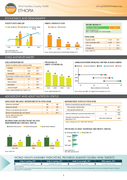
Global Nutrition Report

Malawi Health Sector Strategic Plan 2011 - 2016
recommended
Moving towards equity and quality

front cover © Hannah Maule-Ffinch/Save the Children
front cover © Jonathan Hyams/Save the Children


Countdown to 2015
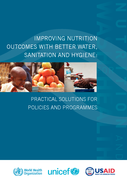
This document provides an overview of the evidence of nutrition gains that can be achieved with improved WASH, a description of key WASH practices, and practical knowledge and guidance on how to integrate WASH into nutrition programmes, including important monitoring and evaluation (M&E) aspects. Th
...
