
Filter
3018
Text search:
partnerships
Featured
230
865
Language
2947
72
59
39
33
24
24
20
3
3
2
2
2
2
2
2
2
2
2
2
1
1
1
1
1
1
1
1
1
1
1
1
1
1
1
1
Document type
1599
616
295
235
156
35
32
23
12
8
3
2
2
Countries
184
112
85
77
70
68
68
68
66
65
63
58
54
52
47
44
43
41
39
38
36
30
30
30
28
28
27
26
24
23
23
23
19
19
17
16
16
16
16
15
13
11
10
10
10
9
9
9
8
8
8
7
7
7
7
7
7
6
6
5
5
5
5
5
4
4
4
4
4
4
3
3
3
3
3
3
3
3
2
2
2
2
2
2
2
2
2
2
2
2
2
2
2
1
1
1
1
1
1
1
1
1
1
1
1
1
1
1
1
1
1
1
1
1
1
1
1
1
1
1
1
1
1
1
1
Authors & Publishers
334
102
89
88
85
73
49
44
35
33
33
20
19
19
18
18
17
17
17
16
15
14
14
14
13
13
13
12
12
11
11
10
10
10
10
10
9
9
9
9
9
8
8
8
8
8
8
8
8
8
8
8
7
7
7
7
7
7
7
7
7
7
7
7
7
6
6
6
6
6
6
6
6
6
6
6
6
6
6
6
6
6
5
5
5
5
5
5
5
5
5
5
5
5
5
5
5
5
5
5
5
5
5
5
5
5
5
5
4
4
4
4
4
4
4
4
4
4
4
4
4
4
4
4
4
4
4
4
4
4
4
4
4
4
3
3
3
3
3
3
3
3
3
3
3
3
3
3
3
3
3
3
3
3
3
3
3
3
3
3
3
3
3
3
3
3
3
3
3
3
3
3
3
3
3
3
3
3
3
3
3
3
3
3
3
3
3
3
3
3
3
3
3
3
3
3
2
2
2
2
2
2
2
2
2
2
2
2
2
2
2
2
2
2
2
2
2
2
2
2
2
2
2
2
2
2
2
2
2
2
2
2
2
2
2
2
2
2
2
2
2
2
2
2
2
2
2
2
2
2
2
2
2
2
2
2
2
2
2
2
2
2
2
2
2
2
2
2
2
2
2
2
2
2
2
2
2
2
2
2
2
2
2
2
2
2
2
2
2
2
2
2
2
2
2
2
2
2
2
2
2
2
2
2
2
2
2
2
2
2
2
2
2
2
2
2
2
2
2
2
2
2
2
2
2
2
2
2
2
2
2
2
2
2
2
2
2
2
2
2
2
2
2
2
2
2
2
2
2
2
2
2
2
2
2
2
2
2
2
2
2
2
2
2
2
2
2
2
2
2
2
2
2
2
1
1
1
1
1
1
1
1
1
1
1
1
1
1
1
1
1
1
1
1
1
1
1
1
1
1
1
1
1
1
1
1
1
1
1
1
1
1
1
1
1
1
1
1
1
1
1
1
1
1
1
1
1
1
1
1
1
1
1
1
1
1
1
1
1
1
1
1
1
1
1
1
1
1
1
1
1
1
1
1
1
1
1
1
1
1
1
1
1
1
1
1
1
1
1
1
1
1
1
1
1
1
1
1
1
1
1
1
1
1
1
1
1
1
1
1
1
1
1
1
1
1
1
1
1
1
1
1
1
1
1
1
1
1
1
1
1
1
1
1
1
1
1
1
1
1
1
1
1
1
1
1
1
1
1
1
1
1
1
1
1
1
1
1
1
1
1
1
1
1
1
1
1
1
1
1
1
1
1
1
1
1
1
1
1
1
1
1
1
1
1
1
1
1
1
1
1
1
1
1
1
1
1
1
1
1
1
1
1
1
1
1
1
1
1
1
1
1
1
1
1
1
1
1
1
1
1
1
1
1
1
1
1
1
1
1
1
1
1
1
1
1
1
1
1
1
1
1
1
1
1
1
1
1
1
1
1
1
1
1
1
1
1
1
1
1
1
1
1
1
1
1
1
1
1
1
1
1
1
1
1
1
1
1
1
1
1
1
1
1
1
1
1
1
1
1
1
1
1
1
1
1
1
1
1
1
1
1
1
1
1
1
1
1
1
1
1
1
1
1
1
1
1
1
1
1
1
1
1
1
1
1
1
1
1
1
1
1
1
1
1
1
1
1
1
1
1
1
1
1
1
1
1
1
1
1
1
1
1
1
1
1
1
1
1
1
1
1
1
1
1
1
1
1
1
1
1
1
1
1
1
1
1
1
1
1
1
1
1
1
1
1
1
1
1
1
1
1
1
1
1
1
1
1
1
1
1
1
1
1
1
1
1
1
1
1
1
1
1
1
1
1
1
1
1
1
1
1
1
1
1
1
1
1
1
1
1
1
1
1
1
1
1
1
1
1
1
1
1
1
1
1
1
1
1
1
1
1
1
1
1
1
1
1
1
1
1
1
1
1
1
1
1
1
1
1
1
1
1
1
1
1
1
1
1
1
1
1
1
1
1
1
1
1
1
1
1
1
1
1
1
1
1
1
1
1
1
1
1
1
1
1
1
1
1
1
1
1
1
1
1
1
1
1
1
1
1
1
1
1
1
1
1
1
1
1
1
1
1
1
1
1
1
1
1
1
1
1
1
1
1
1
1
1
1
1
1
1
1
1
1
1
1
1
1
1
1
1
1
1
1
1
1
1
1
1
1
1
1
1
1
1
1
1
1
1
1
1
1
1
1
1
1
1
1
1
1
1
1
1
1
1
1
1
1
1
1
1
1
1
1
1
1
1
1
1
1
1
1
1
1
1
1
1
1
1
1
1
1
1
1
1
1
1
1
1
1
1
1
1
1
1
1
1
1
1
1
1
1
1
1
1
1
1
1
1
1
1
1
1
1
1
1
1
1
1
1
1
1
1
1
1
1
1
1
1
1
1
1
1
1
1
1
1
1
1
1
1
1
1
1
1
1
1
1
1
1
1
1
1
1
1
1
1
1
1
1
1
1
1
1
1
1
1
1
1
1
1
1
1
1
1
1
1
1
1
1
1
1
1
1
1
1
1
1
1
1
1
1
1
1
1
1
1
1
1
1
1
1
1
1
1
1
1
1
1
1
1
1
1
1
1
1
1
1
1
1
1
1
1
1
1
1
1
1
1
1
1
1
1
1
1
1
1
1
1
1
1
1
1
1
1
1
1
1
1
1
1
1
1
1
1
1
1
1
1
1
1
1
1
1
1
1
1
1
1
1
1
1
1
1
1
1
1
1
1
1
1
1
1
1
1
1
1
1
1
1
1
1
1
1
1
1
1
1
1
1
1
1
1
1
1
1
1
1
1
1
1
1
1
1
1
1
1
1
1
1
1
1
1
1
1
1
1
1
1
1
1
1
1
1
1
1
1
1
1
1
1
1
1
1
1
1
1
1
1
1
1
1
1
1
1
1
1
1
1
1
1
1
1
1
1
1
1
1
1
1
1
1
1
1
1
1
1
1
1
1
1
1
1
1
1
1
1
1
1
1
1
1
1
1
1
1
1
1
1
1
1
1
1
1
1
1
1
1
1
1
1
1
1
1
1
1
1
1
1
1
1
1
1
1
1
1
1
1
1
1
1
1
1
1
1
1
1
1
1
1
1
1
1
1
1
1
1
1
1
1
1
1
1
1
1
1
1
1
1
1
1
1
1
1
1
1
1
1
1
1
1
1
1
1
1
1
1
1
1
1
1
1
1
1
1
1
1
1
1
1
1
1
1
1
1
1
1
1
1
1
1
1
1
1
1
1
1
1
1
1
1
1
1
1
1
1
1
1
1
1
1
1
1
1
1
1
1
1
1
1
1
1
1
1
1
1
1
1
1
1
1
1
1
1
1
1
1
1
1
1
1
1
1
1
1
1
1
1
1
1
1
1
1
1
1
1
1
1
1
1
1
1
1
1
1
1
1
1
1
1
1
1
1
1
1
1
1
1
1
1
1
1
1
1
1
1
1
1
1
1
1
1
1
1
1
1
1
1
1
1
1
1
1
1
1
1
1
1
1
1
1
1
1
1
1
1
1
1
1
1
1
1
1
1
1
1
1
1
1
1
1
1
1
1
1
1
1
1
1
1
1
1
1
1
1
1
1
1
1
1
1
1
1
1
1
1
1
1
1
1
1
1
1
1
1
1
1
1
1
1
1
1
1
1
1
1
1
1
1
1
1
1
1
1
1
1
1
1
1
1
1
1
1
1
1
1
1
1
1
1
1
1
1
1
1
1
1
1
1
1
1
1
1
1
1
1
1
1
1
1
1
1
1
1
1
1
1
1
1
1
1
1
1
1
1
1
1
1
1
1
1
1
1
1
1
1
1
1
1
1
1
1
1
1
1
1
1
1
1
1
1
1
1
1
1
1
1
1
1
1
1
1
1
1
1
1
1
1
1
1
1
1
1
1
1
1
1
1
1
1
1
1
1
1
1
1
1
1
1
1
1
1
1
1
1
1
1
1
1
1
1
1
1
1
1
1
1
1
1
1
1
1
1
1
1
1
1
1
1
1
1
1
1
1
1
1
1
1
1
1
1
1
1
1
1
1
1
1
1
1
1
1
1
1
1
1
1
1
1
1
1
1
1
1
1
1
1
1
1
1
1
1
1
1
1
1
1
1
1
1
1
1
1
1
1
1
1
1
1
1
1
1
1
1
1
1
1
1
1
1
1
1
1
1
1
1
1
1
1
1
1
1
1
1
1
1
1
1
1
1
1
1
1
1
1
1
1
1
1
1
1
1
1
1
1
1
1
1
1
1
1
1
1
1
1
1
1
1
1
1
1
1
1
1
1
1
1
1
1
1
1
1
1
1
1
1
1
1
1
1
1
1
1
1
1
1
1
1
1
1
1
1
1
1
1
1
1
1
1
1
1
1
1
1
1
1
1
1
1
1
1
1
1
1
1
1
1
1
1
1
1
1
1
1
1
1
1
1
1
1
1
1
1
1
1
1
1
1
1
1
1
1
1
1
1
1
1
1
1
1
1
1
1
1
1
1
1
1
1
1
1
1
1
1
1
1
1
1
1
1
1
1
1
1
1
1
1
1
1
1
1
1
1
1
1
1
1
1
1
1
1
1
1
1
1
1
1
1
1
1
1
1
1
1
1
1
1
1
1
1
1
1
1
1
1
1
1
1
1
1
1
1
1
1
1
1
1
1
1
1
1
1
1
1
1
1
1
1
1
1
1
1
1
1
1
1
1
1
1
1
1
1
1
1
1
1
1
1
1
1
1
1
1
1
1
1
1
1
1
1
1
1
1
1
1
1
1
1
1
1
1
1
1
1
1
1
1
1
1
1
1
1
1
1
1
1
1
1
1
1
1
1
1
1
1
1
1
1
1
1
1
1
1
1
1
1
1
1
1
1
1
1
1
1
1
1
1
1
1
1
1
1
1
1
1
1
1
1
1
1
1
1
1
1
1
1
1
1
1
1
1
1
1
1
1
1
1
1
1
1
1
1
1
1
1
1
1
1
1
1
1
1
1
1
1
1
1
1
1
1
1
1
1
1
1
1
1
1
1
1
1
1
1
1
1
1
1
1
1
1
1
1
1
1
1
1
1
1
1
1
1
1
1
1
1
1
1
1
1
1
1
1
1
1
1
1
1
1
1
1
1
1
1
1
1
1
1
1
1
1
1
1
1
1
1
1
1
1
1
1
1
1
1
1
1
1
1
1
1
1
1
1
1
1
1
1
1
1
1
1
1
1
1
1
1
1
1
1
1
1
1
1
1
1
1
1
1
1
1
1
1
1
1
1
1
1
1
1
1
1
1
1
1
1
1
1
1
1
1
1
1
1
1
1
1
1
1
1
1
1
1
1
1
Publication Years
977
1841
195
4
1
Category
1207
235
208
138
131
44
5
1
Toolboxes
183
178
169
162
136
118
104
100
86
74
74
73
71
68
64
55
52
50
40
26
14
14
11
8
5
5
Safety and security for national humanitarian workers
Stoddard, Abby ; Harmer, Adele ; Haver, Katherine
Office for the Coordination of Humanitarian Affairs (OCHA)
(2011)
C1
Annex I to: To stay and deliver, good practice for humanitarians in complex security environments
The principal findings of the report include that despite overall improvements in aid agencies’ security risk management, national aid workers perceive continued inequities in security suppor ... t compared with their international counterparts. National aid workers, while less subject to major attacks per capita than international aid workers, nevertheless form the majority of victims, and their specific security needs require more attention. more
The principal findings of the report include that despite overall improvements in aid agencies’ security risk management, national aid workers perceive continued inequities in security suppor ... t compared with their international counterparts. National aid workers, while less subject to major attacks per capita than international aid workers, nevertheless form the majority of victims, and their specific security needs require more attention. more
UNICEF analysis indicates that:
- Investments that increase access to high-impact health and nutrition interventions by poor groups have saved almost twice as many lives as equivalent investments in non-poor groups.
- Access to high-impact health and nutrition interventions has improved ra ... pidly among poor groups in recent years, leading to substantial improvements in equity.
- During the period studied, absolute reductions in under-five mortality rates associated with improvements in intervention coverage were three times faster among poor groups than non-poor groups.
- Because birth rates were higher among the poor, the reduction in the under-five mortality rate translated into 4.2 times more lives saved for every 1 million people. Indeed, of the 1.1 million lives saved across the 51 countries during the final year studied for each country, nearly 85 per cent were among the poor.
- Intensified focus on equity-enhancing policies and investments can help countries achieve the Sustainable Development Goal newborn and child mortality targets (SDG3.2). more
- Investments that increase access to high-impact health and nutrition interventions by poor groups have saved almost twice as many lives as equivalent investments in non-poor groups.
- Access to high-impact health and nutrition interventions has improved ra ... pidly among poor groups in recent years, leading to substantial improvements in equity.
- During the period studied, absolute reductions in under-five mortality rates associated with improvements in intervention coverage were three times faster among poor groups than non-poor groups.
- Because birth rates were higher among the poor, the reduction in the under-five mortality rate translated into 4.2 times more lives saved for every 1 million people. Indeed, of the 1.1 million lives saved across the 51 countries during the final year studied for each country, nearly 85 per cent were among the poor.
- Intensified focus on equity-enhancing policies and investments can help countries achieve the Sustainable Development Goal newborn and child mortality targets (SDG3.2). more
Rabies is a global public health problem with important socioeconomic impacts. Human rabies is preventable; almost all cases are transmitted through the bite of a rabid dog. Elimination of human rabies is possible. Technical support and tools are available. This report covers:
- Why investment ... is needed: key rationale.
- Investment purpose: global elimination of rabies.
- Investment in action: four case examples in Philippines, Kwa-Zulu Natal, South Africa, United Republic of Tanzania, Bangladesh.
- Summary results of case examples: Programme similarities and differences, and Health impact success stories from case examples. more
- Why investment ... is needed: key rationale.
- Investment purpose: global elimination of rabies.
- Investment in action: four case examples in Philippines, Kwa-Zulu Natal, South Africa, United Republic of Tanzania, Bangladesh.
- Summary results of case examples: Programme similarities and differences, and Health impact success stories from case examples. more

The overall goal of the programme, to reduce the malaria morbidity and mortality by 75% (using 2012 as baseline) by the year 2020, continued to be pursued in 2014. The following areas were identified as some of the priorities for the year: Malaria Case Management under which we have Malaria in Pregn
...
ancy (MIP), Home Based Care and Diagnostics.
more

This guide includes information relevant for tuberculosis (TB) program and laboratory managers, as well as Ministry of Health officials across disease programs interested in establishing integrated solutions for specimen referral. Though TB-focused in name, it offers integration-oriented assessment,
...
design, and monitoring guidance related to improving coordination and efficiency, and is relevant for other programs as well. Country case studies include viral load and early infant diagnosis (EID) in Uganda and EID in Ethiopia.
more
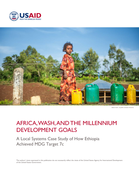
Ethiopia met the MDG target for drinking water access with a unique and high degree of success. The magnitude of the country’s success in providing improved drinking water to nearly half of its population in 25 years despite its diversity, size, and challenges cannot be overstated. This case study
...
documents the progress of the Ethiopian WASH sector from 1990 to 2015, and analyzes the impact of local systems created in Ethiopia to respond to water and sanitation challenges.
more

Nationally, Senegal met the MDG target for water supply access. It did this by engaging the public and private sectors to effectively invest and report on investments. It focused on larger population centers, less on remote regions of the country. Its achievements set the stage for more equitable an
...
d widespread service provision as the country now works to achieve the SDGs, requiring sustainable management of universal access. This case study documents the progression of the sector between 1990 and 2015, and analyzes the impact of local systems created in Senegal to respond to the water and sanitation challenge.
more
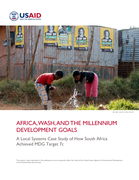
Democratic dispensation in 1994 created a political and social platform that reshaped life in South Africa. There was a surge in common belief that the inequity and wrong of Apartheid should and could be rectified. Equity of access to water and sanitation were obvious targets for improvement. In 199
...
4, an estimated 14–15 million South Africans were without access to an improved water supply, while close to 21 million - more than half of the population at that time - did not have access to improved sanitation facilities. These problems were most severe in poorer rural areas. The water and sanitation sector became unified by the vision of universal access for all South Africans. This case study documents the progression of the sector between 1994 and 2016, and analyzes the impact of local systems created in South Africa to respond to the water and sanitation challenge.
more

This external performance evaluation of the Malawi Girls’ Empowerment through Education and Health Activity (ASPIRE), conducted 2.5 years after ASPIRE began, establishes the activity’s progress against its objectives, proposes adaptations for the final year, and captures lessons for application
...
in future girls’ empowerment, health, and education programming in Malawi.
more
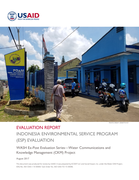
WASH Ex-Post Evaluation Series - Water Communications and Knowledge Management (CKM) Project
This evaluation examines the sustainability of selected components of the USAID/Indonesia Environmental Services Program (ESP), which was implemented from 2004–2010. Among other objectives, this activ ... ity sought to improve health and livelihoods of Indonesians through enhanced and expanded access to key environmental services.
Following up on the program seven years after it ended, this evaluation addresses the sustainability of ESP’s capacity-building efforts with Indonesian municipal water utilities, known as Perusahaan Daerah Air Minum (PDAM), and financial mechanisms to improve utility management and expanded water access in urban areas. more
This evaluation examines the sustainability of selected components of the USAID/Indonesia Environmental Services Program (ESP), which was implemented from 2004–2010. Among other objectives, this activ ... ity sought to improve health and livelihoods of Indonesians through enhanced and expanded access to key environmental services.
Following up on the program seven years after it ended, this evaluation addresses the sustainability of ESP’s capacity-building efforts with Indonesian municipal water utilities, known as Perusahaan Daerah Air Minum (PDAM), and financial mechanisms to improve utility management and expanded water access in urban areas. more
Final Evaluation
The project objectives were to promote the conservation, sustainable use and cultivation of endangered medicinal plants in Zimbabwe, by demonstrating effective models at the local level, and developing a legal framework for the conservation, sustainable use, and equitable shari ... ng of benefits from medicinal plants at the national level. After one year of implementation, the project rationale, indicators and targets were reviewed in order to make them more rigorous as per the new GEF focus on project impact. New indicators and targets were developed in December 2004. The project is composed of five closely linked output areas that have been allocated to different implementing partners to take a lead in. These include the National Herbarium and Botanical Gardens (Output 1), the University of Zimbabwe School of Pharmacy (Output 2), the Southern Alliance for Indigenous Resources (SAFIRE), a regional NGO (Output 2 and 4), and the Attorney General‟s Office (Output 5). more
The project objectives were to promote the conservation, sustainable use and cultivation of endangered medicinal plants in Zimbabwe, by demonstrating effective models at the local level, and developing a legal framework for the conservation, sustainable use, and equitable shari ... ng of benefits from medicinal plants at the national level. After one year of implementation, the project rationale, indicators and targets were reviewed in order to make them more rigorous as per the new GEF focus on project impact. New indicators and targets were developed in December 2004. The project is composed of five closely linked output areas that have been allocated to different implementing partners to take a lead in. These include the National Herbarium and Botanical Gardens (Output 1), the University of Zimbabwe School of Pharmacy (Output 2), the Southern Alliance for Indigenous Resources (SAFIRE), a regional NGO (Output 2 and 4), and the Attorney General‟s Office (Output 5). more

A companion to the Child Friendly Schools Manual
WASH in Schools aims to improve the health and learning performance of school-aged children – and, by extension, that of their families – by reducing the incidence of water and sanitation-related diseases. Every child friendly school r ... equires appropriate WASH initiatives that keep the school environment clean and free of smells and inhibit the transmission of harmful bacteria, viruses and parasites. more
WASH in Schools aims to improve the health and learning performance of school-aged children – and, by extension, that of their families – by reducing the incidence of water and sanitation-related diseases. Every child friendly school r ... equires appropriate WASH initiatives that keep the school environment clean and free of smells and inhibit the transmission of harmful bacteria, viruses and parasites. more

The Republic of the Union of Myanmar is at a historic moment, with a new civilian government assuming power in 2016. The country graduated to lower-middle-income status in 2015, and has made significant progress in reducing poverty, improving food security and addressing malnutrition.
The remai ... ning challenges to food and nutrition security and achievement of Sustainable Development Goal 2 targets include continued population displacements resulting from conflict, vulnerability to extreme weather events, poverty, limited social protection coverage, high malnutrition and persistent gender inequalities. more
The remai ... ning challenges to food and nutrition security and achievement of Sustainable Development Goal 2 targets include continued population displacements resulting from conflict, vulnerability to extreme weather events, poverty, limited social protection coverage, high malnutrition and persistent gender inequalities. more
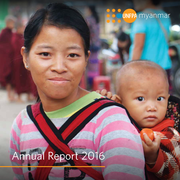
Census data shows that Myanmar can harness a double dividend – both youth and gender. This year’s annual report provides many facets of the journey to gender equality. It tells a story of widening horizons for women and girls who are capable in their own right. It is also a story of women fulfil
...
ling their reproductive rights, and of couples having access to family planning choices.
more
Together we can Prevent and Control the World's Most Common Diseases
Objectives of the training manual
(1) To improve knowledge of NCD trends, burdens, as well as systems for management and monitoring of NCD services for Township Medical Officers (TMOs), Township Public Health Officers (TP ... HOs), Medical Officers (MOs). The manual can also be used for training of Basic Health staff (BHS), TMOs, TPHOs and MOs,
(2) To equip trainers to train BHS to conduct PEN protocols at the primary care level health centers,
(3) To equip trainers to train in processes to conduct PEN scaling up monitoring , supervision and evaluation activities. more
Objectives of the training manual
(1) To improve knowledge of NCD trends, burdens, as well as systems for management and monitoring of NCD services for Township Medical Officers (TMOs), Township Public Health Officers (TP ... HOs), Medical Officers (MOs). The manual can also be used for training of Basic Health staff (BHS), TMOs, TPHOs and MOs,
(2) To equip trainers to train BHS to conduct PEN protocols at the primary care level health centers,
(3) To equip trainers to train in processes to conduct PEN scaling up monitoring , supervision and evaluation activities. more

In many of Myanmar’s contested regions, healthcare services are provided through two parallel governance systems – by the government’s Ministry of Health, and by providers linked to ethnic armed organizations. Building upon efforts to build trust between these two actors following ceasefires s
...
igned in 2011 and 2012, the new National League for Democracy-led government offers an unprecedented opportunity to increase cooperation between these systems and to ensure health services reach Myanmar’s most vulnerable populations.
The report provides an overview of existing health service arrangements in these areas, from both the Ministry of Health and from ethnic and community-based health organizations. It then unpacks the concept of “convergence”, highlighting key opportunities and policy recommendations for both government and non-government actors. more
The report provides an overview of existing health service arrangements in these areas, from both the Ministry of Health and from ethnic and community-based health organizations. It then unpacks the concept of “convergence”, highlighting key opportunities and policy recommendations for both government and non-government actors. more
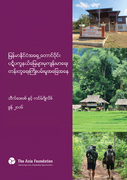
In many of Myanmar’s contested regions, healthcare services are provided through two parallel governance systems – by the government’s Ministry of Health, and by providers linked to ethnic armed organizations. Building upon efforts to build trust between these two actors following ceasefires s
...
igned in 2011 and 2012, the new National League for Democracy-led government offers an unprecedented opportunity to increase cooperation between these systems and to ensure health services reach Myanmar’s most vulnerable populations.
The report provides an overview of existing health service arrangements in these areas, from both the Ministry of Health and from ethnic and community-based health organizations. It then unpacks the concept of “convergence”, highlighting key opportunities and policy recommendations for both government and non-government actors. more
The report provides an overview of existing health service arrangements in these areas, from both the Ministry of Health and from ethnic and community-based health organizations. It then unpacks the concept of “convergence”, highlighting key opportunities and policy recommendations for both government and non-government actors. more
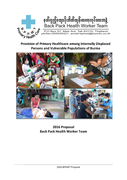
Project Programs:
A. Medical Care Program
B. Community Health Promotion and Prevention Program
C. Maternal and Child Health Program
Target Population: 228,000 people living within the Mon, Kayah, Kayan, Karen,Shan, Kachin, Pa O, Chin and Arakan areas
Projec ... t Duration:January to December 2016 more
A. Medical Care Program
B. Community Health Promotion and Prevention Program
C. Maternal and Child Health Program
Target Population: 228,000 people living within the Mon, Kayah, Kayan, Karen,Shan, Kachin, Pa O, Chin and Arakan areas
Projec ... t Duration:January to December 2016 more
