
Filter
2248
Text search:
forced
Featured
161
558
Language
2172
61
48
38
24
22
18
10
9
7
6
5
4
4
4
4
4
4
4
4
4
4
4
4
3
3
3
3
3
3
3
3
3
3
3
2
2
2
2
2
2
1
1
1
1
1
1
1
1
1
1
1
1
1
Document type
1221
529
164
104
75
46
44
34
10
9
7
2
1
Countries / Regions
122
94
77
58
51
49
48
42
41
41
40
38
38
37
36
35
34
34
32
26
25
24
23
23
23
20
20
19
17
15
15
15
15
15
13
13
12
12
11
11
11
10
10
10
9
9
9
9
9
9
9
9
8
8
8
7
7
6
6
6
5
5
5
5
5
5
5
5
5
4
4
4
4
3
3
3
3
3
2
2
2
2
2
2
2
2
2
2
2
2
2
1
1
1
1
1
1
1
1
1
1
1
1
1
1
1
1
1
1
1
1
1
1
1
1
1
1
1
1
1
1
1
1
1
1
1
Authors & Publishers
136
79
58
56
40
35
33
33
32
26
26
23
21
21
21
20
20
18
17
17
16
14
12
12
11
11
11
10
10
9
9
9
9
9
8
8
8
8
8
8
8
8
8
8
8
8
7
7
7
7
7
7
7
6
6
6
6
6
6
6
6
6
5
5
5
5
5
5
5
4
4
4
4
4
4
4
4
4
4
4
4
4
4
4
4
4
4
4
4
4
4
4
4
4
4
3
3
3
3
3
3
3
3
3
3
3
3
3
3
3
3
3
3
3
3
3
3
3
3
3
3
3
3
3
3
3
3
3
3
3
3
3
3
3
3
3
3
3
2
2
2
2
2
2
2
2
2
2
2
2
2
2
2
2
2
2
2
2
2
2
2
2
2
2
2
2
2
2
2
2
2
2
2
2
2
2
2
2
2
2
2
2
2
2
2
2
2
2
2
2
2
2
2
2
2
2
2
2
2
2
2
2
2
2
2
2
2
2
2
2
2
2
2
2
2
2
2
2
2
2
2
2
2
2
2
2
2
2
2
2
2
2
2
2
2
2
2
2
2
2
2
2
2
2
2
2
2
2
2
2
2
2
2
2
2
2
2
2
2
2
2
2
2
2
2
2
2
2
2
2
2
2
2
2
2
2
2
2
2
2
2
2
2
2
2
2
2
2
2
2
2
2
2
2
2
2
2
2
2
2
2
2
2
2
2
2
2
2
2
2
2
2
2
2
1
1
1
1
1
1
1
1
1
1
1
1
1
1
1
1
1
1
1
1
1
1
1
1
1
1
1
1
1
1
1
1
1
1
1
1
1
1
1
1
1
1
1
1
1
1
1
1
1
1
1
1
1
1
1
1
1
1
1
1
1
1
1
1
1
1
1
1
1
1
1
1
1
1
1
1
1
1
1
1
1
1
1
1
1
1
1
1
1
1
1
1
1
1
1
1
1
1
1
1
1
1
1
1
1
1
1
1
1
1
1
1
1
1
1
1
1
1
1
1
1
1
1
1
1
1
1
1
1
1
1
1
1
1
1
1
1
1
1
1
1
1
1
1
1
1
1
1
1
1
1
1
1
1
1
1
1
1
1
1
1
1
1
1
1
1
1
1
1
1
1
1
1
1
1
1
1
1
1
1
1
1
1
1
1
1
1
1
1
1
1
1
1
1
1
1
1
1
1
1
1
1
1
1
1
1
1
1
1
1
1
1
1
1
1
1
1
1
1
1
1
1
1
1
1
1
1
1
1
1
1
1
1
1
1
1
1
1
1
1
1
1
1
1
1
1
1
1
1
1
1
1
1
1
1
1
1
1
1
1
1
1
1
1
1
1
1
1
1
1
1
1
1
1
1
1
1
1
1
1
1
1
1
1
1
1
1
1
1
1
1
1
1
1
1
1
1
1
1
1
1
1
1
1
1
1
1
1
1
1
1
1
1
1
1
1
1
1
1
1
1
1
1
1
1
1
1
1
1
1
1
1
1
1
1
1
1
1
1
1
1
1
1
1
1
1
1
1
1
1
1
1
1
1
1
1
1
1
1
1
1
1
1
1
1
1
1
1
1
1
1
1
1
1
1
1
1
1
1
1
1
1
1
1
1
1
1
1
1
1
1
1
1
1
1
1
1
1
1
1
1
1
1
1
1
1
1
1
1
1
1
1
1
1
1
1
1
1
1
1
1
1
1
1
1
1
1
1
1
1
1
1
1
1
1
1
1
1
1
1
1
1
1
1
1
1
1
1
1
1
1
1
1
1
1
1
1
1
1
1
1
1
1
1
1
1
1
1
1
1
1
1
1
1
1
1
1
1
1
1
1
1
1
1
1
1
1
1
1
1
1
1
1
1
1
1
1
1
1
1
1
1
1
1
1
1
1
1
1
1
1
1
1
1
1
1
1
1
1
1
1
1
1
1
1
1
1
1
1
1
1
1
1
1
1
1
1
1
1
1
1
1
1
1
1
1
1
1
1
1
1
1
1
1
1
1
1
1
1
1
1
1
1
1
1
1
1
1
1
1
1
1
1
1
1
1
1
1
1
1
1
1
1
1
1
1
1
1
1
1
1
1
1
1
1
1
1
1
1
1
1
1
1
1
1
1
1
1
1
1
1
1
1
1
1
1
1
1
1
1
1
1
1
1
1
1
1
1
1
1
1
1
1
1
1
1
1
1
1
1
1
1
1
1
1
1
1
1
1
1
1
1
1
1
1
1
1
1
1
1
1
1
1
1
1
1
1
1
1
1
1
1
1
1
1
1
1
1
1
1
1
1
1
1
1
1
1
1
1
1
1
1
1
1
1
1
1
1
1
1
1
1
1
1
1
1
1
1
1
1
1
1
1
1
1
1
1
1
1
1
1
1
1
1
1
1
1
1
1
1
1
1
1
1
1
1
1
1
1
1
1
1
1
1
1
1
1
1
1
1
1
1
1
1
1
1
1
1
1
1
1
1
1
1
1
1
1
1
1
1
1
1
1
1
1
1
1
1
1
1
1
1
1
1
1
1
1
1
1
1
1
1
1
1
1
1
1
1
1
1
1
1
1
1
1
1
1
1
1
1
1
1
1
1
1
1
1
1
1
1
1
1
1
1
1
1
1
1
1
1
1
1
1
1
1
1
1
1
1
1
1
1
1
1
1
1
1
1
1
1
1
1
1
1
1
1
1
1
1
1
1
1
1
1
1
1
1
1
1
1
1
1
1
1
1
1
1
1
1
1
1
1
1
1
1
1
1
1
1
1
1
1
1
1
1
1
1
1
1
1
1
1
1
1
1
1
1
1
1
1
1
1
1
1
1
1
1
1
1
1
1
1
1
1
1
1
1
1
1
1
1
1
1
1
1
1
1
1
1
1
1
1
1
1
1
1
1
1
1
1
1
1
1
1
1
1
1
1
1
1
1
1
1
1
1
1
1
1
1
1
1
1
1
1
1
1
1
1
1
1
1
1
1
1
1
1
1
1
1
1
1
1
1
1
1
1
1
1
1
1
1
1
1
1
1
1
1
1
1
1
1
1
1
1
1
1
1
1
1
1
1
1
1
1
1
1
1
1
1
1
1
1
1
1
1
1
1
1
1
1
1
1
1
1
1
1
1
1
1
1
1
1
1
1
1
1
1
1
1
1
1
1
1
1
1
1
1
1
1
1
1
1
1
1
1
1
1
1
1
1
1
1
1
1
1
1
1
1
1
1
1
1
1
1
1
1
1
1
1
1
1
1
1
1
1
1
1
1
1
1
1
1
1
1
1
1
1
1
1
1
1
1
1
1
1
1
1
1
1
1
1
1
1
1
1
1
1
1
1
1
1
1
1
1
1
1
1
1
1
1
1
1
1
1
1
1
1
1
1
1
1
1
1
1
1
1
1
1
1
1
1
1
1
1
1
1
1
1
1
1
1
1
1
1
1
1
1
1
1
1
1
1
1
1
1
1
1
1
1
1
1
1
1
1
1
1
1
1
1
1
1
1
1
1
1
1
1
1
1
1
1
1
1
1
1
1
1
1
1
1
1
1
1
1
1
1
1
1
1
1
1
1
1
1
1
1
1
1
1
1
1
1
1
1
1
1
1
1
1
1
1
1
1
1
1
1
1
1
1
1
1
1
1
1
1
1
1
1
1
1
1
1
1
1
1
1
1
1
1
1
1
1
1
1
1
1
1
1
1
1
1
1
1
1
1
1
1
1
1
1
1
1
1
1
1
1
1
1
1
1
1
1
1
1
1
1
1
1
1
1
1
1
1
1
1
1
1
1
1
1
1
1
1
1
1
1
1
1
1
1
1
1
1
1
1
1
1
1
1
1
1
1
1
1
1
1
1
1
1
1
1
1
1
1
1
1
1
1
1
1
1
1
1
1
1
1
1
1
1
1
1
1
1
1
1
1
1
1
1
1
1
1
1
1
1
1
1
1
1
1
1
1
1
1
1
1
1
1
1
1
1
1
1
1
1
1
1
1
1
1
1
1
1
1
1
1
1
1
1
1
1
1
1
1
1
1
1
1
1
1
1
1
1
1
1
1
1
1
1
1
1
1
1
1
1
1
1
1
1
1
1
1
1
1
1
1
1
1
1
1
1
1
1
1
1
1
1
1
1
1
1
1
1
1
1
1
1
1
1
1
1
1
1
1
1
1
1
1
1
1
1
1
1
1
1
1
1
1
1
1
1
1
1
1
1
1
1
1
1
1
1
1
1
1
1
1
1
1
1
1
1
1
1
1
1
1
1
1
1
1
1
1
1
1
1
1
1
1
1
1
1
1
1
1
1
1
1
1
1
1
1
1
1
1
1
1
1
1
1
1
1
1
1
1
1
1
1
1
1
1
1
1
1
1
1
1
1
1
1
1
1
1
1
1
1
1
1
1
1
1
1
1
1
1
1
1
1
1
1
1
1
1
1
1
1
1
1
1
1
1
1
1
1
1
1
1
1
1
1
1
1
1
1
1
1
1
1
1
1
1
1
1
1
1
1
1
1
1
1
1
1
1
1
1
1
1
1
1
1
1
1
1
1
1
1
1
1
1
1
1
1
1
1
1
1
1
1
1
1
1
1
1
1
1
1
1
1
1
1
1
1
1
1
1
1
1
1
1
1
1
1
1
1
1
1
1
1
1
1
1
1
1
1
1
1
1
1
1
1
1
1
1
1
1
1
1
1
1
1
1
1
1
1
1
1
1
1
1
1
1
1
1
1
1
1
1
1
1
1
1
1
1
1
1
1
1
1
1
1
1
1
1
1
1
1
1
1
1
1
1
1
1
1
1
1
1
1
1
1
1
1
1
1
1
1
1
1
1
1
1
1
1
1
1
1
1
1
1
1
1
1
1
1
1
1
1
1
1
1
1
1
1
1
1
1
1
1
1
1
1
1
Publication Years
1
708
1329
199
8
1
1
1
Category
761
165
145
95
60
47
5
1
Toolboxes
243
213
187
163
133
133
129
54
53
52
50
41
37
37
28
21
18
13
12
12
9
7
4
2
2
1

This report reviews the latest evidence on what works to reduce HIV-related stigma and discrimination through key programmes to reduce stigma and discrimination and increase access to justice in the six settings of focus for the Global Partnership. It includes guidance for national governments and k
...
ey stakeholders on how stigma and discrimination harm; how the stigmatization process operates and how we can stop it; key principles of stigma- and discrimination-reduction efforts; an overview of common intervention approaches; recommendations based on the latest evidence for reducing HIV-related stigma and discrimination in the six settings; and an overview of considerations for monitoring the success of the programmatic interventions recommended for each setting.
more
Right now, we are facing an unpredictable and highly dynamic situation as a global community. However, as we have seen from the solidarity, support and power of communities in the HIV epidemic and already in communities responding to the COVID-19 pandemic, the response must not be fear and stigma. W
...
e need to build a culture of solidarity, trust and kindness. Our response to COVID-19 must be grounded in the realities of people’s lives and focused on eliminating the barriers people face in being able to protect themselves and their communities. Empowerment and guidance, rather than restrictions, can ensure that people can act without fear of losing their livelihood, sufficient food being on the table and the respect of their community. Ultimately it will give us a more effective, humane and sustainable response to the epidemic.
more

This guidance is targeted to primary health care policy-makers and only addresses issues relevant for primary health care providers. It has been prepared on the basis of a systematic review of the best available evidence and emergent country practices in response to the COVID-19 outbreak in the WHO
...
European Region. It will be updated on a regular basis as new information becomes available.
more

Sudan recorded the first COVID-19 case on 13 March 2020 and, at the beginning of July, the Federal Ministry of Health had confirmed that nearly 10,000 people had contracted the virus, including over 600 who died from the disease across the country. Although more than 70 per cent of the confirmed cas
...
es are in the Khartoum area, COVID-19 has spread throughout the country, with the highest numbers recorded in the central and eastern states. With extremely low testing capacity — around 800 samples per day, the lowest in the region — the official figures of confirmed cases likely underestimate the extent of the pandemic and the actual situation is unknown.
more

Across Zimbabwe, 7 million people in urban and rural areas are in urgent need of humanitarian assistance, compared to 5.5 million in August 2019. Since the launch of the Revised Humanitarian Appeal in August 2019, circumstances for millions of Zimbabweans have worsened. Drought and crop failure, exa
...
cerbated by macro-economic challenges and austerity measures, have directly affected vulnerable households in both rural and urban communities. Inflation continues to erode purchasing power and affordability of food and other essential goods is a daily challenge. The delivery of health care, clean water and sanitation, and education has been constrained and millions of people are facing challenges to access vital services.
more
The Catholic Church maintains that the Imago Dei is the ground for human dignity. The secular world, too, endorses human dignity as the foundation for human rights without referring to Imago Dei. The Catholic Church and the secular world both agree on the importance of human dignity, ev
...
en though they differ on their views about the source of human dignity. In this paper, we shall examine if human dignity can be the basis of a fruitful dialogue between the Catholic Church and the secular world in order to make our world a better place to live. The primary resources for our study are the Church documents on human dignity, and the opinions of distinguished thinkers on the need to promote a culture of dialogue between religions and secular world.
more
with focus on the aspects important for Catholic Social Teaching-driven management
Tại nhiều quốc gia, cú sốc của làn sóng kiểm dịch thứ nhất đã lắng xuống, số ca bệnh cũng đã giảm, việc gỡ bỏ các lệnh phong tỏa đang được xem xét hoặc đã được thực hiện ở nhiều nơi. Vũ Hán đã mở cửa trở lại. Nhưng ph
...
ải chăng ta đang bị đánh lừa bởi vẻ ngoài? Liệu làn sóng dịch bệnh thứ hai có xảy ra không, và nếu có thì khi nào chúng sẽ đến?
more
Aligned to the Lancet Migration Global Statementto include migrants and refugees incountries’response toCOVID-192, this brief focuses onGreece’s challenges and opportunities to build an inclusive response. Asylum seekers and refugees in Greece are currently placed by the Greek governments in Rec
...
eption and Identification Centres(RICs), apartments, hotels and camps across the Greek islands and the mainland, along with a proportion who are homeless. Currently there are six RICson the Greek islands: Vial on Chios island; Pyli on Kos island; Lepida on Leros island; Moria on Lesvos island; and Vathy on Samos, as well asan unofficial camp on Rhodes. Inaddition there are 18 camps in the northern mainland of Greece; 13 camps in the southern mainland of Greece and one in the southern peninsula (Peloponnese).
more
The World Health Organization (WHO)6, the Civil Society Action Committee and the Lancet Migration global collaboration are amongst many organisations that have advised governments against returning irregular migrants during the Coronavirus disease 2019 (COVID-19) pandemic. The expulsion of i
...
rregular migrants to under-prepared countries puts migrants and communities at risk, and is against the principles of solidarity and public health that should inspire action during these challenging times. It also puts at risk the staff who implement these policies. Detention, overcrowded conditions and lack of hygiene all render irregular migrants more vulnerable to the impact of COVID-19. Irregular laborers, agricultura land food workers, cleaners and caregivers are all essential in the response to the pandemic, there fore the temporary or longer term regularisation of migrants to facilitate their access to health, social services and employment should be considered as a humane, practical and self-interested alternative to forcible return.
more

The German Institute for Human Rights annually submits a report on the development of the human rights situation in Germany to the German Federal Parliament (in accordance with sec. 2 para. 5 of the Act regarding the Legal Status and Mandate of the German Institute for Human Rights of 16 July 2015;
...
short: DIMRG). The DIMRG provides that the German Federal Parliament officially responds to the report. The fourth report 2018/2019 covers the period 1 July 2018 to 30 June 2019.
more
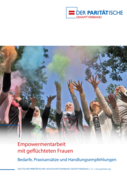
Die vorliegende Publikation ist auf Grundlage der jahrelangen fachlichen Expertise und Praxiserfahrungen des Paritätischen und seiner Mitgliedsorganisationen sowie der Perspektiven und Rückmeldungen geflüchteter Fraün entstanden. Ausgehend von einem Überblick über die Lebensbedingungen und akt
...
uellen Herausforderungen im Aufnahme- und Integrationsprozess in Deutschland, zeigt sie konkrete Bedarfe geflüchteter Fraün auf und stellt diesbezüglich gelungene Praxisansätze aus der Unterstützungsarbeit mit geflüchteten Fraün vor.
more
This FAQ responds to questions revolving around the topic of protecting refugee women and girls against violence. It begins with a glossary that clarifies key terms and their consequences for female refugees. The glossary will be amended and updated as required on the websites of b
...
ff and FHK.
more
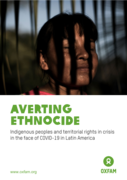
There are indigenous communities at high risk in every country of the region. At stake are the lives of 45 million people who belong to more than 800 indigenous peoples. Of these, some 100 are spread across several countries, around 200 maintain voluntary isolation or are in initial contact, and nea
...
rly 500 are at risk of disappearing due to their reduced numbers. Due to their lower immune resistance, their lack of access to hospital care and the increasing penetration of extractive activities in their territories, indigenous communities in voluntary isolation or in initial contact are cause for particular concern.
Far from hospitals and the news cameras, indigenous people in Latin American become ill and die without access to the means needed to protect themselves. They face the pandemic in conditions of social exclusion, racism and discrimination, which highlights historical inequalities and extreme precariousness in basic and health services.
more
Apostolic Exhortation Evangelii Gaudium of the Holy Father Francis to the Bishops, Clergy, Consecrated Persons and the lay faithul on the proclamation of the gospel in the today`s world

This document provides an overview of sexual and reproductive health and rights issues that may be important for the human rights, health and well-being of adolescents (aged 10–19 years) and the relevant World Health Organization (WHO) guidelines on how to address them in an easilyaccessible, user
...
-friendly format. The document serves as a gateway to the rich body of WHO guidelines, and as a handy resource to inform advocacy, policy and programme/project design and research. It aims to support the implementation of the Global Strategy for Women’s, Children’s and Adolescents’ Health 2016–2030 (1), and is aligned with the WHO Global Accelerated Action for the Health of Adolescents (AA-HA!) as well as the WHO Operational Framework on Sexual Health and Its Linkages to Reproductive Health (2,3).
more

Framework for Action
