
Filter
3279
Text search:
sustainable
food
Featured
268
943
Language
3204
82
63
44
39
28
26
19
6
5
5
4
4
4
3
3
3
3
3
3
3
3
3
2
2
2
2
2
2
2
2
2
2
2
2
2
2
2
1
1
1
1
1
1
1
1
1
1
1
1
1
1
1
1
1
1
1
1
Document type
1541
847
342
233
176
49
48
18
12
6
4
2
1
Countries
209
99
98
85
74
73
71
66
64
60
60
53
53
51
50
48
45
43
41
39
39
37
37
31
27
26
26
24
24
23
21
20
20
19
19
19
18
17
17
14
13
13
13
13
13
13
12
12
11
11
11
11
10
9
9
8
8
8
7
7
6
6
6
6
6
5
5
5
5
4
4
4
4
4
4
4
4
3
3
3
3
3
3
3
3
3
3
3
2
2
2
2
2
2
2
2
2
2
2
2
2
2
1
1
1
1
1
1
1
1
1
1
1
1
1
1
1
1
1
1
1
1
1
1
1
1
1
1
1
1
1
Authors & Publishers
375
108
108
85
85
79
45
44
34
32
26
23
20
20
19
18
18
18
16
15
14
13
13
13
13
13
13
13
12
12
12
12
11
11
10
10
9
9
9
9
8
8
8
8
8
8
8
8
8
7
7
7
7
7
7
7
7
7
7
7
7
7
6
6
6
6
6
6
6
6
6
6
6
6
6
5
5
5
5
5
5
5
5
5
5
5
5
5
5
5
5
5
5
5
5
5
5
5
5
5
5
5
5
5
5
4
4
4
4
4
4
4
4
4
4
4
4
4
4
4
4
4
4
4
4
4
4
4
4
4
4
4
4
4
4
4
4
4
4
4
4
4
4
4
4
4
3
3
3
3
3
3
3
3
3
3
3
3
3
3
3
3
3
3
3
3
3
3
3
3
3
3
3
3
3
3
3
3
3
3
3
3
3
3
3
3
3
3
3
3
3
3
3
3
3
3
3
3
3
3
3
3
3
3
3
3
3
3
3
3
3
3
3
2
2
2
2
2
2
2
2
2
2
2
2
2
2
2
2
2
2
2
2
2
2
2
2
2
2
2
2
2
2
2
2
2
2
2
2
2
2
2
2
2
2
2
2
2
2
2
2
2
2
2
2
2
2
2
2
2
2
2
2
2
2
2
2
2
2
2
2
2
2
2
2
2
2
2
2
2
2
2
2
2
2
2
2
2
2
2
2
2
2
2
2
2
2
2
2
2
2
2
2
2
2
2
2
2
2
2
2
2
2
2
2
2
2
2
2
2
2
2
2
2
2
2
2
2
2
2
2
2
2
2
2
2
2
2
2
2
2
2
2
2
2
2
2
2
2
2
2
2
2
2
2
2
2
2
2
2
2
2
2
2
2
2
2
2
2
2
2
2
2
2
2
2
2
2
2
2
2
2
2
2
2
2
2
2
2
2
2
2
2
2
2
2
2
1
1
1
1
1
1
1
1
1
1
1
1
1
1
1
1
1
1
1
1
1
1
1
1
1
1
1
1
1
1
1
1
1
1
1
1
1
1
1
1
1
1
1
1
1
1
1
1
1
1
1
1
1
1
1
1
1
1
1
1
1
1
1
1
1
1
1
1
1
1
1
1
1
1
1
1
1
1
1
1
1
1
1
1
1
1
1
1
1
1
1
1
1
1
1
1
1
1
1
1
1
1
1
1
1
1
1
1
1
1
1
1
1
1
1
1
1
1
1
1
1
1
1
1
1
1
1
1
1
1
1
1
1
1
1
1
1
1
1
1
1
1
1
1
1
1
1
1
1
1
1
1
1
1
1
1
1
1
1
1
1
1
1
1
1
1
1
1
1
1
1
1
1
1
1
1
1
1
1
1
1
1
1
1
1
1
1
1
1
1
1
1
1
1
1
1
1
1
1
1
1
1
1
1
1
1
1
1
1
1
1
1
1
1
1
1
1
1
1
1
1
1
1
1
1
1
1
1
1
1
1
1
1
1
1
1
1
1
1
1
1
1
1
1
1
1
1
1
1
1
1
1
1
1
1
1
1
1
1
1
1
1
1
1
1
1
1
1
1
1
1
1
1
1
1
1
1
1
1
1
1
1
1
1
1
1
1
1
1
1
1
1
1
1
1
1
1
1
1
1
1
1
1
1
1
1
1
1
1
1
1
1
1
1
1
1
1
1
1
1
1
1
1
1
1
1
1
1
1
1
1
1
1
1
1
1
1
1
1
1
1
1
1
1
1
1
1
1
1
1
1
1
1
1
1
1
1
1
1
1
1
1
1
1
1
1
1
1
1
1
1
1
1
1
1
1
1
1
1
1
1
1
1
1
1
1
1
1
1
1
1
1
1
1
1
1
1
1
1
1
1
1
1
1
1
1
1
1
1
1
1
1
1
1
1
1
1
1
1
1
1
1
1
1
1
1
1
1
1
1
1
1
1
1
1
1
1
1
1
1
1
1
1
1
1
1
1
1
1
1
1
1
1
1
1
1
1
1
1
1
1
1
1
1
1
1
1
1
1
1
1
1
1
1
1
1
1
1
1
1
1
1
1
1
1
1
1
1
1
1
1
1
1
1
1
1
1
1
1
1
1
1
1
1
1
1
1
1
1
1
1
1
1
1
1
1
1
1
1
1
1
1
1
1
1
1
1
1
1
1
1
1
1
1
1
1
1
1
1
1
1
1
1
1
1
1
1
1
1
1
1
1
1
1
1
1
1
1
1
1
1
1
1
1
1
1
1
1
1
1
1
1
1
1
1
1
1
1
1
1
1
1
1
1
1
1
1
1
1
1
1
1
1
1
1
1
1
1
1
1
1
1
1
1
1
1
1
1
1
1
1
1
1
1
1
1
1
1
1
1
1
1
1
1
1
1
1
1
1
1
1
1
1
1
1
1
1
1
1
1
1
1
1
1
1
1
1
1
1
1
1
1
1
1
1
1
1
1
1
1
1
1
1
1
1
1
1
1
1
1
1
1
1
1
1
1
1
1
1
1
1
1
1
1
1
1
1
1
1
1
1
1
1
1
1
1
1
1
1
1
1
1
1
1
1
1
1
1
1
1
1
1
1
1
1
1
1
1
1
1
1
1
1
1
1
1
1
1
1
1
1
1
1
1
1
1
1
1
1
1
1
1
1
1
1
1
1
1
1
1
1
1
1
1
1
1
1
1
1
1
1
1
1
1
1
1
1
1
1
1
1
1
1
1
1
1
1
1
1
1
1
1
1
1
1
1
1
1
1
1
1
1
1
1
1
1
1
1
1
1
1
1
1
1
1
1
1
1
1
1
1
1
1
1
1
1
1
1
1
1
1
1
1
1
1
1
1
1
1
1
1
1
1
1
1
1
1
1
1
1
1
1
1
1
1
1
1
1
1
1
1
1
1
1
1
1
1
1
1
1
1
1
1
1
1
1
1
1
1
1
1
1
1
1
1
1
1
1
1
1
1
1
1
1
1
1
1
1
1
1
1
1
1
1
1
1
1
1
1
1
1
1
1
1
1
1
1
1
1
1
1
1
1
1
1
1
1
1
1
1
1
1
1
1
1
1
1
1
1
1
1
1
1
1
1
1
1
1
1
1
1
1
1
1
1
1
1
1
1
1
1
1
1
1
1
1
1
1
1
1
1
1
1
1
1
1
1
1
1
1
1
1
1
1
1
1
1
1
1
1
1
1
1
1
1
1
1
1
1
1
1
1
1
1
1
1
1
1
1
1
1
1
1
1
1
1
1
1
1
1
1
1
1
1
1
1
1
1
1
1
1
1
1
1
1
1
1
1
1
1
1
1
1
1
1
1
1
1
1
1
1
1
1
1
1
1
1
1
1
1
1
1
1
1
1
1
1
1
1
1
1
1
1
1
1
1
1
1
1
1
1
1
1
1
1
1
1
1
1
1
1
1
1
1
1
1
1
1
1
1
1
1
1
1
1
1
1
1
1
1
1
1
1
1
1
1
1
1
1
1
1
1
1
1
1
1
1
1
1
1
1
1
1
1
1
1
1
1
1
1
1
1
1
1
1
1
1
1
1
1
1
1
1
1
1
1
1
1
1
1
1
1
1
1
1
1
1
1
1
1
1
1
1
1
1
1
1
1
1
1
1
1
1
1
1
1
1
1
1
1
1
1
1
1
1
1
1
1
1
1
1
1
1
1
1
1
1
1
1
1
1
1
1
1
1
1
1
1
1
1
1
1
1
1
1
1
1
1
1
1
1
1
1
1
1
1
1
1
1
1
1
1
1
1
1
1
1
1
1
1
1
1
1
1
1
1
1
1
1
1
1
1
1
1
1
1
1
1
1
1
1
1
1
1
1
1
1
1
1
1
1
1
1
1
1
1
1
1
1
1
1
1
1
1
1
1
1
1
1
1
1
1
1
1
1
1
1
1
1
1
1
1
1
1
1
1
1
1
1
1
1
1
1
1
1
1
1
1
1
1
1
1
1
1
1
1
1
1
1
1
1
1
1
1
1
1
1
1
1
1
1
1
1
1
1
1
1
1
1
1
1
1
1
1
1
1
1
1
1
1
1
1
1
1
1
1
1
1
1
1
1
1
1
1
1
1
1
1
1
1
1
1
1
1
1
1
1
1
1
1
1
1
1
1
1
1
1
1
1
1
1
1
1
1
1
1
1
1
1
1
1
1
1
1
1
1
1
1
1
1
1
1
1
1
1
1
1
1
1
1
1
1
1
1
1
1
1
1
1
1
1
1
1
1
1
1
1
1
1
1
1
1
1
1
1
1
1
1
1
1
1
1
1
1
1
1
1
1
1
1
1
1
1
1
1
1
1
1
1
1
1
1
1
1
1
1
1
1
1
1
1
1
1
1
1
1
1
1
1
1
1
1
1
1
1
1
1
1
1
1
1
1
1
1
1
1
1
1
1
1
1
1
1
1
1
1
1
1
1
1
1
1
1
1
1
1
1
1
1
1
1
1
1
1
1
1
1
1
1
1
1
1
1
1
1
1
1
1
1
1
1
1
1
1
1
1
1
1
1
1
1
1
1
1
1
1
1
1
1
1
1
1
1
1
1
1
1
1
1
1
1
1
1
1
1
1
1
1
1
1
1
1
1
1
1
1
1
1
1
1
1
1
1
1
1
1
1
1
1
1
1
1
1
1
1
1
1
1
1
1
1
1
1
1
1
1
1
1
1
1
1
1
1
1
1
1
1
1
1
1
1
1
1
1
1
1
1
1
1
1
1
1
1
1
1
1
1
1
1
1
1
1
1
1
1
1
1
1
1
1
1
1
1
1
1
1
1
1
1
1
1
1
1
1
1
1
1
1
1
1
1
1
1
1
1
1
1
1
1
1
1
1
1
1
1
1
1
1
1
1
1
1
1
1
1
1
1
1
1
1
1
1
1
1
1
1
1
1
1
1
1
1
1
1
1
1
1
1
1
1
1
1
1
1
1
1
1
1
1
1
1
1
1
1
1
1
1
1
1
1
1
1
1
1
1
1
1
1
1
1
1
1
1
1
1
1
1
1
1
1
1
1
1
1
1
1
1
1
1
1
1
1
1
1
1
1
1
1
1
1
1
1
1
1
1
1
1
1
1
1
1
1
1
1
1
1
1
1
1
1
1
1
1
1
1
1
1
1
1
1
1
1
1
1
1
1
1
1
1
1
1
1
1
1
1
1
1
1
1
1
1
1
1
1
1
1
1
1
1
1
1
1
1
1
1
1
1
1
1
1
1
1
1
1
1
1
1
1
1
1
1
1
1
1
1
1
1
1
1
1
1
1
1
1
1
1
1
1
1
1
1
1
1
1
1
1
1
1
1
1
1
1
1
1
1
1
1
1
1
1
1
1
1
1
1
1
1
1
1
1
1
1
1
1
1
1
1
1
1
1
1
1
1
1
1
1
1
1
1
1
1
1
1
1
1
1
1
1
1
1
1
1
1
1
1
1
1
1
1
1
1
1
1
1
1
1
1
1
1
1
1
1
1
1
1
1
1
1
1
1
1
1
1
1
1
1
1
1
1
1
1
1
1
1
1
1
1
1
1
1
1
1
1
1
1
1
1
1
1
1
1
1
1
1
1
1
1
1
1
1
1
1
1
1
1
1
1
1
1
1
1
1
1
1
1
1
1
1
1
1
1
1
1
1
1
1
1
1
1
1
1
1
1
1
1
1
1
1
1
1
1
1
1
1
1
1
1
1
1
1
1
1
1
1
1
1
1
1
1
1
1
1
1
1
1
1
1
1
1
1
1
1
1
1
1
1
1
1
1
1
1
1
1
1
1
1
1
1
1
1
1
1
1
1
1
1
1
1
1
1
1
1
1
1
1
1
1
1
1
1
1
1
1
1
1
1
1
1
1
1
1
1
1
1
1
1
1
1
1
1
1
1
1
1
1
1
1
1
1
1
1
1
1
1
1
1
1
1
1
1
1
1
1
1
1
1
1
1
1
1
1
1
1
1
1
1
1
1
1
1
1
1
1
1
1
1
1
1
Publication Years
1
1145
1866
255
11
1
Category
1289
340
206
160
126
55
10
Toolboxes
379
209
160
153
152
134
128
83
81
75
71
66
66
64
62
61
56
40
38
25
20
13
8
7
6
3
1

The Government of the Republic of Zambia has placed priority on ensuring that Zambians are healthy and productive as a catalyst to the attainment of socioeconomic development . The Vision 2030 aims to transform Zambia into a prosperous middle-income country as articulated also in the 7th National De
...
velop-ment Plan (7NDP) and National Health Strategic Plan 2017 – 2021 (NHSP 2017-2020). However, this aspiration is threatened by the double burden of Communicable and Non-Communicable Diseas¬es. Zambia has been recording an increase in morbidity and mortality due to Non-Communicable Diseases (NCDs) such as cancers, diabetes, chronic respiratory and cardiovascular diseases. According to the 2016 WHO NCD country profiles, 29% of all deaths in Zambia are attributed to NCDs. This is unacceptably high, considering that most of these diseases can be reduced by modifying four main behavioural risk factors for NCDs which are tobacco use, harmful use of alcohol, unhealthy diets and physical inactivity.
more

In 2016, the risk of premature mortality1 from noncommunicable diseases (NCDs) in Ethiopia was 18.3%. The economic costs of NCDs are significant and are due principally to their impact on the non-health sector (reduced workforce and productivity). In this study, it is estimated that NCDs cost Ethiop
...
ia at least 31.3 billion birr (US$ 1.1 billion) per year, equivalent to 1.8% of the gross domestic product (GDP). Less than 15% of the costs are for health care.
more
The World Health Organization’s comprehensive antenatal care (ANC) guideline WHO recommendations on antenatal care for a positive pregnancy experience was first published in 2016 with the objective of improving the quality of routine health care that all women and adolescent girls receive during p
...
regnancy. The overarching principle – to provide pregnant service users with a positive pregnancy experience – aims to encourage countries to expand their health-care agendas beyond survival, with a view to maximizing health, human rights and the potential of their populations. Recognizing that ANC provides a strategic platform for important health-care functions, including health promotion and disease prevention, 14 out of the 49 recommendations in the WHO 2016 ANC guideline relate to nutritional interventions in pregnancy.
more
Humanity & Inclusion has published a report on November 20, on the difficulties children with disabilities face in accessing education in the world’s poorest countries.
A technical and environmental comparative overview of common shelter typologies found in settlements across UNHCR operations
Calls for greater implementation research (IR) capacity came in the wake of compelling evidence that implementation strategies are critically important for the dissemination and facilitation of evidence-informed policies and interventions to tackle noncommunicable diseases (NCDs), thereby improving
...
outcomes for both individuals and populations. However, at present, implementation of evidence-based interventions and policies is challenged by a gap in lack of academic research on how these cost–effective recommended interventions can be implemented in the context of local settings, especially those of low and middle-income.
more
This resource will help learners to:
discuss their thoughts and feelings about COVID-19
investigate some of the incredible ways in which people have been responding to this crisis
understand the difference between information, disinformation and misinformation
consider their own
...
responses to the pandemic and possible actions that they might take to manage their own wellbeing and support others
consider their own responses to the pandemic and possible actions that they might take to manage their own wellbeing and support others
You can download a resource pack and slide show
more
The WHO Regional Office for Europe has established the Childhood Obesity Surveillance Initiative in more than half the countries in the Region for routine monitoring of the policy response to the emerging obesity epidemic. The aim of the Initiative is to measure trends in overweight and obesity in c
...
hildren aged 6.0–9.9 years to get a clear understanding of the epidemic and to allow inter-country comparisons. This document outlines the common protocol agreed for use in the Initiative.
more
Key considerations for the use of law to prevent noncommunicable diseases in the WHO European Region
Report of an intensive legal training and capacity-building workshop on law and noncommunicable diseases (Moscow, 30 May–3 June 2016)
The report summarizes important issues, themes and topics discussed during the meeting in Moscow, ranging from the design and implementation of legislation, reconc
...
iling public health objectives with international trade and investment law commitments, to examples of regional integration, such as the European Union and the Eurasian Economic Union.
more
Prepared by the Independent Panel for Pandemic Preparedness and Response for the WHO Executive Board, January 2021
“The world was not as prepared as it should have been, and it must do better,” concludes a WHO panel reviewing the pandemic response "
The framework responds to the demand from Member States and partners for guidance on how the health sector and its operational basis in health systems can systematically and effectively address the challenges increasingly presented by climate variability and change. This framework has been designed
...
in light of the increasing evidence of climate change and its associated health risks (1); global, regional and national policy mandates to protect population health (2); and a rapidly emerging body of practical experience in building health resilience to climate change (3).
more
A Global Analysis of Antimicrobial Resistance and Its Drivers.
Since the first State of the World’s Antibiotics report in 2015, antimicrobial resistance has leveled off in some high-income countries but continues to rise in many low- and middle-income countries (LMICs), where access to antibiotic
...
s has risen with increases in gross domestic product per capita. Per capita antibiotic consumption in LMICs is lower than in high-income countries, despite a higher infectious disease burden; however, consumption rates are rapidly converging. These trends reflect both better access to antibiotics for those who need them and increases in inappropriate antibiotic use.
more


1 February 2021 to 31 January 2022
Policy Brief.
Our understanding of how to diagnose and manage Long COVID is still evolving but the condition can be very debilitating. It is associated with a range of overlapping symptoms including generalized chest and muscle pain, fatigue, shortness of breath, and cognitive dysfunction, and the
...
mechanisms involved affect multiple system and include persisting inflammation, thrombosis, and autoimmunity. It can affect anyone, but women and health care workers seem to be at greater risk.
more

2 March 2021
Protracted displacement, socio-economic crises aggravated by the COVID-19 pandemic, dire humanitarian needs and protection threats continue to affect the Palestine refugees in Syria, Lebanon and Jordan.
In Syria, the protracted conflict has left 91 per cent of the 438,000 Palestine re
...
fugees1 estimated to remain in the country in absolute poverty2 and 40 per cent displaced.
more
This technical guidance aims to provide guidelines to laboratories and relevant stakeholders in the European Union (EU), European Economic Area (EEA) and other countries in the WHO European region in making decisions on establishing sequencing capacities and capabilities, in making decisions on whic
...
h technologies to use and/or in deciding on the role of sequencing for SARS-CoV-2 diagnostics, research, outbreak investigations and surveillance. It addresses the most used sequencing technologies and their applications and proposes a central standardisation process to analyse and report the findings of SARS-CoV-2 genetic characterisations.
more

The micronutrient powders will be distributed at the health facilities where instructions on use will be provided by Health Care Providers. Community Health Volunteers will educate, counsel, and mobilize caregivers at the community level to visit health facilities for nutrition assessment and provis
...
ion of the micronutrient powders.
more
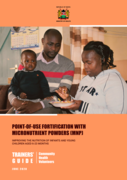
The harmonized training package for Point-of-use-fortification using micronutrient powders has been developed to guide in training frontline health workers. The micronutrient powders will be distributed at the health facilities where instructions on use will be provided by Health Care Providers. Com
...
munity Health Volunteers will educate, counsel, and mobilize caregivers at the community level to visit health facilities for nutrition assessment and provision of the micronutrient powders.
more
The Handbook is a guide to the normative framework for humanitarian action and the operational approaches, coordination structures, and available tools and services that facilitate the mobilization of humanitarian assistance.
