
Filter
1738
Text search:
drug
abuse
Featured
170
430
Language
Document type
1148
204
167
82
45
34
24
11
8
7
3
1
1
Countries
110
57
53
49
38
38
36
36
32
28
28
27
26
26
25
24
23
23
23
22
20
18
17
15
15
14
14
13
13
13
11
11
10
9
8
7
6
6
5
5
5
4
4
4
4
3
3
3
3
3
3
3
3
3
2
2
2
2
2
2
2
2
2
2
2
2
2
2
2
2
2
2
2
2
2
1
1
1
1
1
1
1
1
1
1
1
1
1
1
1
1
1
1
1
1
1
1
1
1
1
1
1
1
1
1
1
Authors & Publishers
Publication Years
Category
674
101
89
84
40
31
4
Toolboxes
530
114
106
48
46
40
39
30
28
24
21
19
14
11
10
10
7
6
5
4
3
2
2
1

National Guidelines

Background Note: Briefing to the Executive Board, First Regular Session 2025

Core Guidance. Differentiated service delivery is highlighted as a key approach for HIV programmes to enhance implementation quality and efficiency.

the Pocket Guide includes
information on HIV clinical care; growth and development; mental health; child protection;
counselling and communication; disclosure; loss, grief, and bereavement; adherence; sexual
and reproductive health; transition of care; support systems; and monitoring and evaluati
...

a comprehensive guide
for the HCPs who work in counselling and psychological care of children and adoles-
cents. The Handbook includes information on HIV clinical care; growth and development;
mental health; child protection; counselling and communication; disclosure; loss, grief,
and bereavemen
...

This training seeks to equip health workers who have contact with children in HIV settings with the knowledge and skills to better integrate violence against children (VAC) services into their work. It seeks to transmit information and skills to make them: feel comfortable talking with, providing se
...

This report describes efforts in nine countries, supported by the 2gether 4 SRHR programme and other partners, highlighting the results achieved and learning on improving the health and wellbeing of adolescent and young mothers and their families. Key insights include the importance of responsive se
...

National Policy

Successful retention and re-engagement in HIV care depends largely on the ability of the provider to involve and motivate patients to attend ongoing care

The 2025 Impact Report summarises Malaria Consortium's year in numbers and includes a message from the Chief Executive.

The Gender Assessment Tool for National HIV Responses (Gender Assessment Tool) is intended to assist countries in assessing their HIV epidemic, context and response through an intersectional gender lens, with the aim of strengthening gender-transformative, equitable and rights-based HIV responses. T
...
The manual is written for clinicians working at the district hospital (first-level referral care) who diagnose and manage sick adolescents and adults in resource constrained settings. It aims to support clinical reasoning, and to provide an effective clinical approach and protocols for the managemen
...

Information for families affected
Frequently asked questions on Antimicrobial resistance.

The WHO Global Burden of Disease (GBD) study measures the burden of
disease using the disability-adjusted life year metric (DALY). The DALY metric
was developed to assess the burden of disease consistently across diseases,
risk factors and regions. A consistent and comparative description of the
...
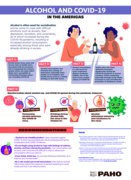
This fact sheet highlights the relationship between alcohol consumption and COVID-19. Heavy episodic drinking is considered a health risk for COVID-19, and alcohol is used by some to cope with difficult emotions that increased during the pandemic.
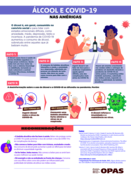
Esta ficha informativa destaca a relação entre o consumo de álcool e a COVID-19. O consumo episódico pesado é considerado um risco à saúde para a COVID-19, e o álcool é usado por alguns para lidar com as emoções difíceis que aumentaram durante a pandemia.
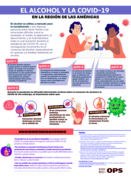
Esta hoja informativa destaca la relación entre el consumo de alcohol y la COVID-19. El alcohol se utiliza a menudo para la socialización y por algunas personas para hacer frente a las emociones difíciles como la ansiedad, el miedo, la depresión, el aburrimiento y la incertidumbre, todo lo cual
...

Decree of the Minister of Health of the Republic of Indonesia on the Establishment of Hospitals and Satellite Test of Methadone Therapy Service and Program Guidelines for Methadone Maintenance Therapy
