Filter
2808
Text search:
drinking
Featured
254
922
Language
2680
79
61
54
43
23
15
10
9
9
8
8
7
6
5
5
5
4
4
4
4
4
3
3
2
2
2
2
2
2
2
2
1
1
1
1
1
1
1
1
1
1
1
1
1
1
1
1
1
1
1
1
1
1
1
1
1
1
1
Document type
1633
403
277
140
107
86
76
33
21
21
7
3
Countries
195
95
93
78
78
73
73
69
61
53
51
46
45
45
45
42
40
39
39
39
36
33
32
31
30
27
23
21
21
18
17
17
16
16
16
15
14
14
12
11
11
11
10
10
10
9
9
9
9
9
9
9
9
8
8
8
7
6
6
6
5
5
5
4
4
4
4
3
3
3
3
3
3
2
2
2
2
2
2
2
2
2
2
2
2
2
2
2
2
1
1
1
1
1
1
1
1
1
1
1
1
1
1
1
1
1
1
1
1
1
1
1
1
1
1
1
1
Authors & Publishers
257
135
114
113
71
66
65
57
53
27
24
20
18
18
18
17
17
15
14
14
13
13
13
12
12
12
11
11
10
10
10
10
9
9
9
9
9
9
9
8
8
8
8
8
8
8
8
8
7
7
7
7
7
7
7
7
7
6
6
6
6
6
6
6
6
6
6
6
6
6
6
5
5
5
5
5
5
5
5
5
5
5
5
5
5
5
5
5
5
5
5
5
5
4
4
4
4
4
4
4
4
4
4
4
4
4
4
4
4
4
4
4
4
4
4
4
4
4
4
4
4
4
4
4
4
4
4
4
4
4
4
4
4
4
4
4
3
3
3
3
3
3
3
3
3
3
3
3
3
3
3
3
3
3
3
3
3
3
3
3
3
3
3
3
3
3
3
3
3
3
3
3
3
3
3
3
3
3
3
3
3
3
3
3
3
3
3
3
3
3
3
3
2
2
2
2
2
2
2
2
2
2
2
2
2
2
2
2
2
2
2
2
2
2
2
2
2
2
2
2
2
2
2
2
2
2
2
2
2
2
2
2
2
2
2
2
2
2
2
2
2
2
2
2
2
2
2
2
2
2
2
2
2
2
2
2
2
2
2
2
2
2
2
2
2
2
2
2
2
2
2
2
2
2
2
2
2
2
2
2
2
2
2
2
2
2
2
2
2
2
2
2
2
2
2
2
2
2
2
2
2
2
2
2
2
2
2
2
2
2
2
2
2
2
2
2
2
2
2
2
2
2
2
2
2
2
2
2
2
2
2
2
2
2
2
2
2
2
2
2
2
2
2
2
2
2
2
2
2
2
2
2
2
2
1
1
1
1
1
1
1
1
1
1
1
1
1
1
1
1
1
1
1
1
1
1
1
1
1
1
1
1
1
1
1
1
1
1
1
1
1
1
1
1
1
1
1
1
1
1
1
1
1
1
1
1
1
1
1
1
1
1
1
1
1
1
1
1
1
1
1
1
1
1
1
1
1
1
1
1
1
1
1
1
1
1
1
1
1
1
1
1
1
1
1
1
1
1
1
1
1
1
1
1
1
1
1
1
1
1
1
1
1
1
1
1
1
1
1
1
1
1
1
1
1
1
1
1
1
1
1
1
1
1
1
1
1
1
1
1
1
1
1
1
1
1
1
1
1
1
1
1
1
1
1
1
1
1
1
1
1
1
1
1
1
1
1
1
1
1
1
1
1
1
1
1
1
1
1
1
1
1
1
1
1
1
1
1
1
1
1
1
1
1
1
1
1
1
1
1
1
1
1
1
1
1
1
1
1
1
1
1
1
1
1
1
1
1
1
1
1
1
1
1
1
1
1
1
1
1
1
1
1
1
1
1
1
1
1
1
1
1
1
1
1
1
1
1
1
1
1
1
1
1
1
1
1
1
1
1
1
1
1
1
1
1
1
1
1
1
1
1
1
1
1
1
1
1
1
1
1
1
1
1
1
1
1
1
1
1
1
1
1
1
1
1
1
1
1
1
1
1
1
1
1
1
1
1
1
1
1
1
1
1
1
1
1
1
1
1
1
1
1
1
1
1
1
1
1
1
1
1
1
1
1
1
1
1
1
1
1
1
1
1
1
1
1
1
1
1
1
1
1
1
1
1
1
1
1
1
1
1
1
1
1
1
1
1
1
1
1
1
1
1
1
1
1
1
1
1
1
1
1
1
1
1
1
1
1
1
1
1
1
1
1
1
1
1
1
1
1
1
1
1
1
1
1
1
1
1
1
1
1
1
1
1
1
1
1
1
1
1
1
1
1
1
1
1
1
1
1
1
1
1
1
1
1
1
1
1
1
1
1
1
1
1
1
1
1
1
1
1
1
1
1
1
1
1
1
1
1
1
1
1
1
1
1
1
1
1
1
1
1
1
1
1
1
1
1
1
1
1
1
1
1
1
1
1
1
1
1
1
1
1
1
1
1
1
1
1
1
1
1
1
1
1
1
1
1
1
1
1
1
1
1
1
1
1
1
1
1
1
1
1
1
1
1
1
1
1
1
1
1
1
1
1
1
1
1
1
1
1
1
1
1
1
1
1
1
1
1
1
1
1
1
1
1
1
1
1
1
1
1
1
1
1
1
1
1
1
1
1
1
1
1
1
1
1
1
1
1
1
1
1
1
1
1
1
1
1
1
1
1
1
1
1
1
1
1
1
1
1
1
1
1
1
1
1
1
1
1
1
1
1
1
1
1
1
1
1
1
1
1
1
1
1
1
1
1
1
1
1
1
1
1
1
1
1
1
1
1
1
1
1
1
1
1
1
1
1
1
1
1
1
1
1
1
1
1
1
1
1
1
1
1
1
1
1
1
1
1
1
1
1
1
1
1
1
1
1
1
1
1
1
1
1
1
1
1
1
1
1
1
1
1
1
1
1
1
1
1
1
1
1
1
1
1
1
1
1
1
1
1
1
1
1
1
1
1
1
1
1
1
1
1
1
1
1
1
1
1
1
1
1
1
1
1
1
1
1
1
1
1
1
1
1
1
1
1
1
1
1
1
1
1
1
1
1
1
1
1
1
1
1
1
1
1
1
1
1
1
1
1
1
1
1
1
1
1
1
1
1
1
1
1
1
1
1
1
1
1
1
1
1
1
1
1
1
1
1
1
1
1
1
1
1
1
1
1
1
1
1
1
1
1
1
1
1
1
1
1
1
1
1
1
1
1
1
1
1
1
1
1
1
1
1
1
1
1
1
1
1
1
1
1
1
1
1
1
1
1
1
1
1
1
1
1
1
1
1
1
1
1
1
1
1
1
1
1
1
1
1
1
1
1
1
1
1
1
1
1
1
1
1
1
1
1
1
1
1
1
1
1
1
1
1
1
1
1
1
1
1
1
1
1
1
1
1
1
1
1
1
1
1
1
1
1
1
1
1
1
1
1
1
1
1
1
1
1
1
1
1
1
1
1
1
1
1
1
1
1
1
1
1
1
1
1
1
1
1
1
1
1
1
1
1
1
1
1
1
1
1
1
1
1
1
1
1
1
1
1
1
1
1
1
1
1
1
1
1
1
1
1
1
1
1
1
1
1
1
1
1
1
1
1
1
1
1
1
1
1
1
1
1
1
1
1
1
1
1
1
1
1
1
1
1
1
1
1
1
1
1
1
1
1
1
1
1
1
1
1
1
1
1
1
1
1
1
1
1
1
1
1
1
1
1
1
1
1
1
1
1
1
1
1
1
1
1
1
1
1
1
1
1
1
1
1
1
1
1
1
1
1
1
1
1
1
1
1
1
1
1
1
1
1
1
1
1
1
1
1
1
1
1
1
1
1
1
1
1
1
1
1
1
1
1
1
1
1
1
1
1
1
1
1
1
1
1
1
1
1
1
1
1
1
1
1
1
1
1
1
1
1
1
1
1
1
1
1
1
1
1
1
1
1
1
1
1
1
1
1
1
1
1
1
1
1
1
1
1
1
1
1
1
1
1
1
1
1
1
1
1
1
1
1
1
1
1
1
1
1
1
1
1
1
1
1
1
1
1
1
1
1
1
1
1
1
1
1
1
1
1
1
1
1
1
1
1
1
1
1
1
1
1
1
1
1
1
1
1
1
1
1
1
1
1
1
1
1
1
1
1
1
1
1
1
1
1
1
1
1
1
1
1
1
1
1
1
1
1
1
1
1
1
1
1
1
1
1
1
1
1
1
1
1
1
1
1
1
1
1
1
1
1
1
1
1
1
1
1
1
1
1
1
1
1
1
1
1
1
1
1
1
1
1
1
1
1
1
1
1
1
1
1
1
1
1
1
1
1
1
1
1
1
1
1
1
1
1
1
1
1
1
1
1
1
1
1
1
1
1
1
1
1
1
1
1
1
1
1
1
1
1
1
1
1
1
1
1
1
1
1
1
1
1
1
1
1
1
1
1
1
1
1
1
1
1
1
1
1
1
1
1
1
1
1
1
1
1
1
1
1
1
1
1
1
1
1
1
1
1
1
1
1
1
1
1
1
1
1
1
1
1
1
1
1
1
1
1
1
1
1
1
1
1
1
1
1
1
1
1
1
1
1
1
1
1
1
1
1
1
1
1
1
1
1
1
1
1
1
1
1
1
1
1
1
1
1
1
1
1
1
1
1
1
1
1
1
1
1
1
1
1
1
1
1
1
1
1
1
1
1
1
1
1
1
1
1
1
1
1
1
1
1
1
1
1
1
1
1
1
1
1
1
1
1
1
1
1
1
1
1
1
1
1
1
1
1
1
1
1
1
1
1
1
1
1
1
1
1
1
1
1
1
1
1
1
1
1
1
1
1
1
1
1
1
1
1
1
1
1
1
1
1
1
1
1
1
1
1
1
1
1
1
1
1
1
1
1
1
1
1
1
1
1
1
1
1
1
1
1
1
1
1
1
1
1
1
1
1
1
1
1
1
1
1
1
1
1
1
1
1
1
1
1
1
1
1
1
1
1
1
1
1
1
1
1
1
1
1
1
1
1
1
1
1
1
1
1
1
1
1
1
1
1
1
1
1
1
1
1
1
1
1
1
1
1
1
1
1
1
1
1
1
1
1
1
1
1
1
1
1
1
1
1
1
1
1
1
1
1
1
1
1
1
1
1
1
1
1
1
1
1
1
1
1
1
1
1
1
1
1
1
1
1
1
1
1
1
1
1
1
1
1
1
1
1
1
1
1
1
1
1
1
1
1
1
1
1
1
1
1
1
1
1
1
1
1
1
1
1
1
1
1
1
1
1
1
1
1
1
1
1
1
1
1
1
1
1
1
1
1
1
1
1
1
1
1
1
1
1
1
1
1
1
1
1
1
1
1
1
1
1
1
1
1
1
1
1
1
1
1
1
1
1
1
1
1
1
1
1
1
1
1
1
1
1
1
1
1
1
1
1
1
1
1
1
1
1
1
1
1
1
1
1
1
1
1
1
1
1
1
1
Publication Years
720
1767
303
18
Category
1345
281
137
126
125
64
12
Toolboxes
201
184
167
108
100
91
91
76
67
64
63
62
62
42
38
33
30
29
22
19
13
12
10
8
7
4
2

salud pública de méxico / vol. 50, suplemento 2 de 2008, pp.167-177.
In response to the emerging global concern regarding health and people with intellectual disabilities (ID), several developed countries have established national initiatives to address the unique health needs of this population
...
segment. However, most people with ID reside in countries with developing economies, such as many Latin American countries, yet there is virtually no information on the health of people with ID in these regions. Countries with developing economies face distinct challenges in promoting health among this population segment that may preclude adoption or adaptation of policies and practices developed in regions with established economies. This paper will address the issue of health promotion among people with ID in Latin America, an area that is undergoing significant reforms in both health care and disability rights
more
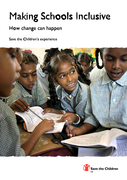
Making education more inclusive requires schools and education authorities to remove the barriers to education experienced by the most excluded children - often the poorest, children with disabilities, children without family care, girls, or children from minority groups. Also included in the text a
...
re examples of children from very remote areas, girls excluded from school, children from ethnic groups, children with language barriers, and children in countries affected by conflict.
more
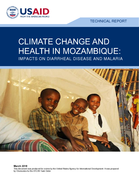
This report outlines the results of a scientific study of the impacts of weather, climate variability, and climate change on health in Mozambique, with a focus on diarrheal disease and malaria.
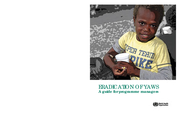
This document provides guidance for countries on how to implement activities to achieve the interruption of yaws transmission. It is intended for use by national yaws eradication programmes, partners involved in the implementation of yaws eradication activities and WHO technical staff who provide te
...
chnical support to countries in the eradication of yaws.
more
The Global Reference List of 100 Core Health Indicators is a standard set of core indicators prioritized by the global community to provide concise information on the health situation and trends, including responses at national and global levels.
This second (2018) edition builds on the previous
...
work of the inter-agency working group that was commissioned by global health leaders to reduce reporting burden. The 2018 list of indicators contains modifications and additions to indicators and metadata elements to reflect the recommended health and health-related indicators of the Sustainable Development Goals, including universal health coverage.
more

March - December 2018
The Government of Bangladesh has kept its borders open to Rohingya refugees and leads the humanitarian response. The people of Bangladesh continue to show tremendous generosity and hospitality in the face of a massive influx. In keeping with its policies, the Government of Ban
...
gladesh refers to the Rohingya as “Forcibly Displaced Myanmar Nationals”, in the present context. The UN system refers to this population as refugees, in line with the applicable international framework for protection and solutions, and the resulting accountabilities for the country of origin and asylum as well as the international community as a whole. In support of these efforts, the humanitarian community has rapidly scaled up its operations as well. Over a two-month period, the refugee population in Cox’s Bazar more than quadrupled.
more
The unmet need for palliative care in Cox’s Bazar

Trends in Neonatal Mortality in Rwanda, 2000-2010
Winter, Rebecca, Thomas Pullum, Anne Langston, Ndicunguye V. Mivumbi, Pierre C. Rutayisire, Dieudonne N. Muhoza, and Solange Hakiba
Calverton, Maryland, USA: ICF International.
(2013)
C2
DHS Further Analysis Reports No. 88 - This further analysis examines levels, trends, and determinants of neonatal mortality in Rwanda, using data from the 2000, 2005, and 2010 Rwanda Demographic and Health Surveys (RDHS).

(August 28 – October 10, 2017)
A nutrition and mortality assessment using SMART methodology was applied and the survey covered 15 statistical (14 districts plus 1) domains countrywide. The main objective of the survey was to assess the current nutrition status of the population, especially ch ... ildren 6-59 months old and women of reproductive age (15-49 years of age). The survey also looked at the major contextual factors contributing to undernutrition such as infant and young child feeding (IYCF) practices; food security indicators; water, sanitation and hygiene indicators; and health situation in Sierra Leone more
A nutrition and mortality assessment using SMART methodology was applied and the survey covered 15 statistical (14 districts plus 1) domains countrywide. The main objective of the survey was to assess the current nutrition status of the population, especially ch ... ildren 6-59 months old and women of reproductive age (15-49 years of age). The survey also looked at the major contextual factors contributing to undernutrition such as infant and young child feeding (IYCF) practices; food security indicators; water, sanitation and hygiene indicators; and health situation in Sierra Leone more


The Demographic Dividend study on Rwanda assessed the socio-economic and human development potential of our country in the short, medium and long-term period using a comprehensive approach. It generated relevant policy and programme information to guide a well-informed polciy required to propel Rwan
...
da towards achieving its aspirations of being high middle income country by 2035 and high income country by 2050.
The primary objectives of this study were to assess Rwanda’s prospects for harnessing the demographic dividend and demonstrate priority policy and programme options that the country should adopt in order to optimise its chances of earning a maximum demographic dividend in the context of its youthful population and medium, long-term socio-economic development aspirations.
more

The strategic plan reflects shared commitments to enhance collaboration between environmental, animal (wildlife and domestic) and human health, and building new One Health workforce capacity through higher institutions of learning. The strategy also outlines interventions to be undertaken by governm
...
ent institutions and other partners to enhance existing structures and pool together additional resources to prevent and control zoonotic diseases and other events of public health importance. Successful implementation of the strategy will contribute to the realization of vision 2020 by improving public health, food safety and security, and hence significantly improve the socioeconomic status of the people of Rwanda. It is in this regard that we call upon implementing institutions, bilateral and multilateral partners, civil society and the private sector to join us in implementing the One Health strategy in Rwanda.
more
This guide presents new knowledge and guidelines on the provision of care to persons living with HIV/AIDS, in accordance with the last guidelines of the World Health Organization (WHO) published in 2006 and adapted to the Rwandan national context. It thus responds to the need by the Ministry of Heal
...
th to improve the skills of the actors in the health sector as well as the quality of care and antiretroviral treatment offered in both public and private health facilities countrywide.
more
The aim of the Annual Inspection Report is to present findings of public sector health establishments inspected by the OHSC to monitor compliance with the National Core Standards (NCS) during the 2016/2017 financial year in South Africa.
The NCS define fundamentals for quality of care based on six
...
dimensions of quality: Acceptability,Safety, Reliability, Equity, Accessibility, and Efficiency.
The NCS structured assessment tools were used to collect data during inspections across the seven domains namely: Patient Rights; Patient Safety, Clinical Governance and Clinical Care; Clinical Support Services; Public Health; Leadership and Governance; Operational Management and Facilities and Infrastructure. A total of 851 routine inspections were conducted with 201 of these facilities re-inspected. Inspection data was captured on District Health Information System (DHIS) data entry forms and exported for analysis to Statistical Analysis Software (SAS) version 9.4.
more
Disability-inclusive social protection research in Vietnam
Banks, Lena M., Walsham, Matthew and others
International Centre for Evidence in Disability
(2018)
C1
A national overview with a case study from Cam Le district
The overall aims of this study are (1) to assess the extent to which social protection systems in Vietnam address the needs of people with disabilities; and (2) to identify and document elements of good practice, as well as challenges, ... in the design and delivery of social protection for people with disabilities. As most social protection programmes in Vietnam are targeted to various vulnerable groups (e.g. orphans, widows, single parents), the research mainly focuses on disability-specific schemes, as they are relevant to a higher proportion of people with disabilities. more
The overall aims of this study are (1) to assess the extent to which social protection systems in Vietnam address the needs of people with disabilities; and (2) to identify and document elements of good practice, as well as challenges, ... in the design and delivery of social protection for people with disabilities. As most social protection programmes in Vietnam are targeted to various vulnerable groups (e.g. orphans, widows, single parents), the research mainly focuses on disability-specific schemes, as they are relevant to a higher proportion of people with disabilities. more

Commissioned by Plan International the report draws on data from research conducted in Bangladesh in April 2018. It explores how adolescent girls within two age brackets (10-14 and 15-19) understand the unique impact the crisis has upon them, and how they have responded to the challenges they face.
... Despite the numbers of adolescent girls affected so profoundly by the ongoing Rohingya crisis, and of course, by many crises around the world, it is rare that either their own communities or the humanitarian sector at large pay much attention to them. This research is an attempt to rectify that: to acknowledge that girls and young women do have rights and that their ideas are worth listening to and acting upon.
Among the many learnings, we discovered that girls feel isolated. They have settled among strangers, and parents worry about their safety, keeping them even more trapped inside their new, makeshift homes.
75% of girls interviewed said they have no ability to make decisions about their own lives. more
... Despite the numbers of adolescent girls affected so profoundly by the ongoing Rohingya crisis, and of course, by many crises around the world, it is rare that either their own communities or the humanitarian sector at large pay much attention to them. This research is an attempt to rectify that: to acknowledge that girls and young women do have rights and that their ideas are worth listening to and acting upon.
Among the many learnings, we discovered that girls feel isolated. They have settled among strangers, and parents worry about their safety, keeping them even more trapped inside their new, makeshift homes.
75% of girls interviewed said they have no ability to make decisions about their own lives. more