
Filter
3858
Text search:
disability
and
health
Featured
354
833
Language
3636
146
117
82
48
38
27
25
14
8
8
7
7
7
7
6
6
5
5
5
5
5
5
5
4
4
4
4
4
4
4
4
3
3
3
3
3
3
3
3
2
2
2
2
2
2
2
2
2
1
1
1
1
1
1
1
1
1
1
1
1
Document type
2189
687
405
229
160
63
61
27
16
7
6
5
3
Countries
208
181
94
73
73
72
72
64
61
60
60
56
55
50
50
44
43
38
38
37
37
35
33
32
27
27
26
25
25
23
22
21
17
17
17
16
16
14
14
12
12
12
12
11
11
10
10
10
10
10
10
9
8
8
8
8
8
7
7
6
6
6
6
6
6
5
5
5
5
5
5
4
4
4
3
3
3
3
3
3
3
3
3
2
2
2
2
2
2
2
2
2
2
2
2
2
2
2
1
1
1
1
1
1
1
1
1
1
1
1
1
1
1
1
1
1
1
1
1
1
1
1
1
1
1
1
1
1
1
1
1
1
1
Authors & Publishers
473
169
152
107
101
89
81
69
59
51
33
31
29
28
27
25
24
22
21
20
19
18
17
16
16
14
14
14
14
13
13
13
13
12
12
12
11
11
11
11
10
10
10
10
10
10
10
10
10
9
9
9
9
9
8
8
8
8
8
8
8
8
7
7
7
7
7
7
7
7
7
6
6
6
6
6
6
6
6
6
6
6
6
6
6
6
6
6
6
6
5
5
5
5
5
5
5
5
5
5
5
5
5
5
5
5
5
5
5
5
5
5
5
5
5
5
5
5
5
5
4
4
4
4
4
4
4
4
4
4
4
4
4
4
4
4
4
4
4
4
4
4
4
4
4
4
4
4
4
4
4
4
4
4
4
4
4
4
4
4
4
3
3
3
3
3
3
3
3
3
3
3
3
3
3
3
3
3
3
3
3
3
3
3
3
3
3
3
3
3
3
3
3
3
3
3
3
3
3
3
3
3
3
3
3
3
3
3
3
3
3
3
3
3
3
3
3
3
3
3
3
3
3
3
3
3
3
3
3
3
3
3
3
3
3
3
3
3
3
3
3
3
3
2
2
2
2
2
2
2
2
2
2
2
2
2
2
2
2
2
2
2
2
2
2
2
2
2
2
2
2
2
2
2
2
2
2
2
2
2
2
2
2
2
2
2
2
2
2
2
2
2
2
2
2
2
2
2
2
2
2
2
2
2
2
2
2
2
2
2
2
2
2
2
2
2
2
2
2
2
2
2
2
2
2
2
2
2
2
2
2
2
2
2
2
2
2
2
2
2
2
2
2
2
2
2
2
2
2
2
2
2
2
2
2
2
2
2
2
2
2
2
2
2
2
2
2
2
2
2
2
2
2
2
2
2
2
2
2
2
2
2
2
2
2
2
2
2
2
2
2
2
2
2
2
2
2
2
2
2
2
2
2
2
2
2
2
2
2
2
2
2
2
2
2
2
2
2
2
2
2
2
2
2
2
2
1
1
1
1
1
1
1
1
1
1
1
1
1
1
1
1
1
1
1
1
1
1
1
1
1
1
1
1
1
1
1
1
1
1
1
1
1
1
1
1
1
1
1
1
1
1
1
1
1
1
1
1
1
1
1
1
1
1
1
1
1
1
1
1
1
1
1
1
1
1
1
1
1
1
1
1
1
1
1
1
1
1
1
1
1
1
1
1
1
1
1
1
1
1
1
1
1
1
1
1
1
1
1
1
1
1
1
1
1
1
1
1
1
1
1
1
1
1
1
1
1
1
1
1
1
1
1
1
1
1
1
1
1
1
1
1
1
1
1
1
1
1
1
1
1
1
1
1
1
1
1
1
1
1
1
1
1
1
1
1
1
1
1
1
1
1
1
1
1
1
1
1
1
1
1
1
1
1
1
1
1
1
1
1
1
1
1
1
1
1
1
1
1
1
1
1
1
1
1
1
1
1
1
1
1
1
1
1
1
1
1
1
1
1
1
1
1
1
1
1
1
1
1
1
1
1
1
1
1
1
1
1
1
1
1
1
1
1
1
1
1
1
1
1
1
1
1
1
1
1
1
1
1
1
1
1
1
1
1
1
1
1
1
1
1
1
1
1
1
1
1
1
1
1
1
1
1
1
1
1
1
1
1
1
1
1
1
1
1
1
1
1
1
1
1
1
1
1
1
1
1
1
1
1
1
1
1
1
1
1
1
1
1
1
1
1
1
1
1
1
1
1
1
1
1
1
1
1
1
1
1
1
1
1
1
1
1
1
1
1
1
1
1
1
1
1
1
1
1
1
1
1
1
1
1
1
1
1
1
1
1
1
1
1
1
1
1
1
1
1
1
1
1
1
1
1
1
1
1
1
1
1
1
1
1
1
1
1
1
1
1
1
1
1
1
1
1
1
1
1
1
1
1
1
1
1
1
1
1
1
1
1
1
1
1
1
1
1
1
1
1
1
1
1
1
1
1
1
1
1
1
1
1
1
1
1
1
1
1
1
1
1
1
1
1
1
1
1
1
1
1
1
1
1
1
1
1
1
1
1
1
1
1
1
1
1
1
1
1
1
1
1
1
1
1
1
1
1
1
1
1
1
1
1
1
1
1
1
1
1
1
1
1
1
1
1
1
1
1
1
1
1
1
1
1
1
1
1
1
1
1
1
1
1
1
1
1
1
1
1
1
1
1
1
1
1
1
1
1
1
1
1
1
1
1
1
1
1
1
1
1
1
1
1
1
1
1
1
1
1
1
1
1
1
1
1
1
1
1
1
1
1
1
1
1
1
1
1
1
1
1
1
1
1
1
1
1
1
1
1
1
1
1
1
1
1
1
1
1
1
1
1
1
1
1
1
1
1
1
1
1
1
1
1
1
1
1
1
1
1
1
1
1
1
1
1
1
1
1
1
1
1
1
1
1
1
1
1
1
1
1
1
1
1
1
1
1
1
1
1
1
1
1
1
1
1
1
1
1
1
1
1
1
1
1
1
1
1
1
1
1
1
1
1
1
1
1
1
1
1
1
1
1
1
1
1
1
1
1
1
1
1
1
1
1
1
1
1
1
1
1
1
1
1
1
1
1
1
1
1
1
1
1
1
1
1
1
1
1
1
1
1
1
1
1
1
1
1
1
1
1
1
1
1
1
1
1
1
1
1
1
1
1
1
1
1
1
1
1
1
1
1
1
1
1
1
1
1
1
1
1
1
1
1
1
1
1
1
1
1
1
1
1
1
1
1
1
1
1
1
1
1
1
1
1
1
1
1
1
1
1
1
1
1
1
1
1
1
1
1
1
1
1
1
1
1
1
1
1
1
1
1
1
1
1
1
1
1
1
1
1
1
1
1
1
1
1
1
1
1
1
1
1
1
1
1
1
1
1
1
1
1
1
1
1
1
1
1
1
1
1
1
1
1
1
1
1
1
1
1
1
1
1
1
1
1
1
1
1
1
1
1
1
1
1
1
1
1
1
1
1
1
1
1
1
1
1
1
1
1
1
1
1
1
1
1
1
1
1
1
1
1
1
1
1
1
1
1
1
1
1
1
1
1
1
1
1
1
1
1
1
1
1
1
1
1
1
1
1
1
1
1
1
1
1
1
1
1
1
1
1
1
1
1
1
1
1
1
1
1
1
1
1
1
1
1
1
1
1
1
1
1
1
1
1
1
1
1
1
1
1
1
1
1
1
1
1
1
1
1
1
1
1
1
1
1
1
1
1
1
1
1
1
1
1
1
1
1
1
1
1
1
1
1
1
1
1
1
1
1
1
1
1
1
1
1
1
1
1
1
1
1
1
1
1
1
1
1
1
1
1
1
1
1
1
1
1
1
1
1
1
1
1
1
1
1
1
1
1
1
1
1
1
1
1
1
1
1
1
1
1
1
1
1
1
1
1
1
1
1
1
1
1
1
1
1
1
1
1
1
1
1
1
1
1
1
1
1
1
1
1
1
1
1
1
1
1
1
1
1
1
1
1
1
1
1
1
1
1
1
1
1
1
1
1
1
1
1
1
1
1
1
1
1
1
1
1
1
1
1
1
1
1
1
1
1
1
1
1
1
1
1
1
1
1
1
1
1
1
1
1
1
1
1
1
1
1
1
1
1
1
1
1
1
1
1
1
1
1
1
1
1
1
1
1
1
1
1
1
1
1
1
1
1
1
1
1
1
1
1
1
1
1
1
1
1
1
1
1
1
1
1
1
1
1
1
1
1
1
1
1
1
1
1
1
1
1
1
1
1
1
1
1
1
1
1
1
1
1
1
1
1
1
1
1
1
1
1
1
1
1
1
1
1
1
1
1
1
1
1
1
1
1
1
1
1
1
1
1
1
1
1
1
1
1
1
1
1
1
1
1
1
1
1
1
1
1
1
1
1
1
1
1
1
1
1
1
1
1
1
1
1
1
1
1
1
1
1
1
1
1
1
1
1
1
1
1
1
1
1
1
1
1
1
1
1
1
1
1
1
1
1
1
1
1
1
1
1
1
1
1
1
1
1
1
1
1
1
1
1
1
1
1
1
1
1
1
1
1
1
1
1
1
1
1
1
1
1
1
1
1
1
1
1
1
1
1
1
1
1
1
1
1
1
1
1
1
1
1
1
1
1
1
1
1
1
1
1
1
1
1
1
1
1
1
1
1
1
1
1
1
1
1
1
1
1
1
1
1
1
1
1
1
1
1
1
1
1
1
1
1
1
1
1
1
1
1
1
1
1
1
1
1
1
1
1
1
1
1
1
1
1
1
1
1
1
1
1
1
1
1
1
1
1
1
1
1
1
1
1
1
1
1
1
1
1
1
1
1
1
1
1
1
1
1
1
1
1
1
1
1
1
1
1
1
1
1
1
1
1
1
1
1
1
1
1
1
1
1
1
1
1
1
1
1
1
1
1
1
1
1
1
1
1
1
1
1
1
1
1
1
1
1
1
1
1
1
1
1
1
1
1
1
1
1
1
1
1
1
1
1
1
1
1
1
1
1
1
1
1
1
1
1
1
1
1
1
1
1
1
1
1
1
1
1
1
1
1
1
1
1
1
1
1
1
1
1
1
1
1
1
1
1
1
1
1
1
1
1
1
1
1
1
1
1
1
1
1
1
1
1
1
1
1
1
1
1
1
1
1
1
1
1
1
1
1
1
1
1
1
1
1
1
1
1
1
1
1
1
1
1
1
1
1
1
1
1
1
1
1
1
1
1
1
1
1
1
1
1
1
1
1
1
1
1
1
1
1
1
1
1
1
1
1
1
1
1
1
1
1
1
1
1
1
1
1
1
1
1
1
1
1
1
1
1
1
1
1
1
1
1
1
1
1
1
1
1
1
1
1
1
1
1
1
1
1
1
1
1
1
1
1
1
1
1
1
1
1
1
1
1
1
1
1
1
1
1
1
1
1
1
1
1
1
1
1
1
1
1
1
1
1
1
1
1
1
1
1
1
1
1
1
1
1
1
1
1
1
1
1
1
1
1
1
1
1
1
1
1
1
1
1
1
1
1
1
1
1
1
1
1
1
1
1
1
1
1
1
1
1
1
1
1
1
1
1
1
1
1
1
1
1
1
1
1
1
1
1
1
1
1
1
1
1
1
1
1
1
1
1
1
1
1
1
1
1
1
1
1
1
1
1
1
1
1
1
1
1
1
1
1
1
1
1
1
1
1
1
1
1
1
1
1
1
1
1
1
1
1
1
1
1
1
1
1
1
1
1
1
1
1
1
1
1
1
1
1
1
1
1
1
1
1
1
1
1
1
1
1
1
1
1
1
1
1
1
1
1
1
1
1
1
1
1
1
1
1
1
1
1
1
1
1
1
1
1
1
1
1
1
1
1
1
1
1
1
1
1
1
1
1
1
1
1
1
1
1
1
1
1
1
1
1
1
1
1
1
1
1
1
1
1
1
1
1
1
1
1
1
1
1
1
1
1
1
1
1
1
1
1
1
1
1
1
1
1
1
1
1
1
1
1
1
1
1
1
1
1
1
1
1
1
1
1
1
1
1
1
1
1
1
1
1
1
1
1
1
1
1
1
1
1
1
1
1
1
1
1
1
1
1
1
1
1
1
1
1
1
1
1
1
1
1
1
1
1
1
1
1
1
1
1
1
1
1
1
1
1
1
1
1
1
1
1
1
1
1
1
1
1
1
1
1
1
1
1
1
1
1
1
1
1
1
1
1
1
1
1
1
1
1
1
1
1
1
1
1
1
1
1
1
1
1
1
1
1
1
1
1
1
1
1
1
1
1
1
1
1
1
1
1
1
1
1
1
1
1
1
1
1
1
1
1
1
1
1
1
1
1
1
1
1
1
1
1
1
1
1
1
1
1
1
1
1
1
1
1
1
1
1
1
1
1
1
1
1
1
1
1
1
1
1
1
1
1
1
1
1
1
1
1
1
1
1
1
1
1
1
1
1
1
1
1
1
1
1
1
1
1
1
1
1
1
1
1
1
1
1
1
1
1
1
1
1
1
1
1
1
1
1
1
1
1
1
1
1
1
1
1
1
1
1
1
1
1
1
1
1
1
1
1
1
1
1
1
1
1
1
1
1
1
1
1
1
1
1
1
1
1
1
1
1
1
1
1
1
1
1
1
1
1
1
1
1
1
1
1
1
1
1
1
1
1
1
1
1
1
1
1
1
1
1
1
1
1
1
1
1
1
1
1
1
1
1
1
1
1
1
1
1
1
1
1
1
1
1
1
1
1
1
1
1
1
1
1
1
1
1
1
1
1
1
1
1
1
1
1
1
1
1
1
1
1
1
1
1
1
1
1
1
1
1
1
1
1
1
1
1
1
1
1
1
1
1
1
1
1
1
1
1
1
1
1
1
1
1
1
1
1
1
1
1
1
1
1
1
1
1
1
1
1
1
1
1
1
1
1
1
1
1
1
1
1
1
1
1
1
1
1
1
1
1
1
1
1
1
1
1
1
1
1
1
1
1
1
1
1
1
1
1
1
1
1
1
1
1
1
1
1
1
1
1
1
1
1
1
1
1
1
1
1
1
1
1
1
1
1
1
1
1
1
1
1
1
1
1
1
1
1
1
1
1
1
1
1
1
1
1
1
1
1
1
1
1
1
1
1
1
1
1
1
1
1
1
1
1
1
1
1
1
1
1
1
1
1
1
1
1
1
1
1
1
1
1
1
1
1
1
1
1
1
1
1
1
1
1
1
1
1
1
1
1
1
1
1
1
1
1
1
1
1
1
1
1
1
1
1
1
1
1
1
1
1
1
1
1
1
1
1
1
1
1
1
1
1
1
1
1
1
1
1
1
1
1
1
1
1
1
1
1
1
1
1
1
1
1
1
1
1
1
1
1
1
1
1
1
1
1
1
1
1
1
1
1
1
1
1
1
1
1
1
1
1
1
1
1
1
1
1
1
1
1
1
1
1
1
1
1
1
1
1
1
1
1
1
1
1
1
1
1
1
1
1
1
1
1
1
1
1
1
Publication Years
1
1115
2375
351
16
Category
1307
286
262
230
211
64
12
2
Toolboxes
618
579
229
210
135
126
112
93
84
82
67
67
44
43
40
30
28
25
18
18
16
15
12
3
2
1

WHO published and launched the third part of the Wheelchair Service Training Package (WSTP) series consisting of two sub-packages: the Wheelchair Service Training Package for Managers (WSTPm) and th
...
e Wheelchair Service Training Package for Stakeholders (WSTPs). WHO recognises that in order to develop an effective and sustainable wheelchair service provision; managers and stakeholders need to be informed about the importance and benefit of a proper wheelchair service provision. The training manuals and introductory folder comes with 8 GB PenDrive, which contains A to Z of the wheelchair provision.
more

This study aimed to estimate the cost-effectiveness of a community-based rehabilitation (CBR) programme known as Inspire2Care (I2C), implemented in Nepal by Karuna Foundation Nepal. In the absence of any gold standard methodology to measure cost-effectiveness, the authors developed a new methodology
...
to estimate the programme’s achievements and cost-effectiveness.
more
УСПЕХИ В РЕАЛИЗАЦИИ ПОЛИТИКИ В ОТНОШЕНИИ КОНТРОЛЯ НАД АЛКОГОЛЬНОЙ ПРОДУКЦИЕЙ, 2010–2019 ГГ
A detailed overview is provided of the implementation of alcohol policies described in the 10 action areas of the European Action Plan
...
to Reduce the Harmful Use of Alcohol 2012–2020 (EAPA), including the current status of implementation of the five action areas of the WHO-led SAFER initiative:
Strengthen restrictions on alcohol availability;
Advance and enforce drink–driving countermeasures;
Facilitate access to screening, brief interventions and treatment;
Enforce bans or comprehensive restrictions on alcohol advertising, sponsorship and promotion; and
Raise prices on alcohol through excise taxes and pricing policies.
more

English and French.
WEEKLY EPIDEMIOLOGICAL RECORD, NO 37, 13 SEPTEMBER 2024, 505-524

Guidelines for State Health Society and District Health Society
Disability Prevention. Informational manual for
The purpose of the Participant’s Workbook is to develop the skills and knowledge of personnel involved in wheelchair service delivery. The Participant’s Workbook contains exercises which will help to test
...
and develop participants’ knowledge and skills. The Participant’s Workbook contains material from lectures, slide presentations and the reference manual; it is intended that the participants will keep their copy of the workbook for future reference, if needed.
more
Severe cases of COVID-19 are associated with rehabilitation needs related to the consequences of ventilatory support, and prolonged immobilization and bed rest. These may include: − Impaired lung
...
function; − Physical deconditioning and muscle weakness; − Delirium and other cognitive impairments; − Impaired swallow and communication; and − Mental health disorders and psychosocial support needs. − Rehabilitation needs may be amplified by underlying health conditions and decrements in health associated with ageing, − Rehabilitation professionals play an important role in facilitating early discharge, which is especially critical in the context of hospital bed shortages. − Rehabilitation needs of people with severe COVID-19 exist during the acute, sub-acute and long-term phases of care; rehabilitation professionals should be positioned in ICUs, hospital wards, stepdown facilities and in the community. − Particularly in the acute phase, rehabilitation interventions for patients with severe COVID-19 requiring ventilatory support generally require a particular skill-set acquired through specialist training.
more
Towards ending tuberculosis and multidrug-resistant tuberculosis.

Organizing and Delivering High Quality Care for Chronic Noncommunicable Diseases in the Americas
Понимание и работа с ранней детской травмой в Беларуси и Украине
Marais, J.F.; Ol. Kazakova, D. Krupchanka, et al.
World Health Organization WHO, Regional Office of Europe
(2019)
C_WHO
Understanding and building resilience to early life trauma in Belarus and Ukraine
In 2018 and early 2019, the WHO Regional Office for Europe’s c
...
ultural contexts of health and well-being project worked alongside the University of Exeter’s WHO Collaborating Centre on Culture and Health, the Minsk Regional Centre for Psychiatry and Addiction, and the Institute of Mental Health of the Ukrainian Catholic University to engage researchers, practitioners, health-care workers and other relevant stakeholders in a series of workshops on the cultural contexts of early life trauma in Belarus and Ukraine.
more

The purpose of this booklet is to assist WHO and other
Public Health workers in the field when an emergency
occurs. The booklet provides technical hints on how to
carry out a rapid
...
health assessment, how to facilitate
coordination, how departments in WHO can assist, etc.
Standard formats for reporting and reference indicators
are provided
more
In preparing this paper, the Pharmacovigilance Group of the Pan American Health Organization’s Pan American Network for Drug Regulatory Harmonization (PANDRH) adopted the perspective of PAHO/WHO, which considers Pharmacovigilance, an essential com
...
ponent of public health programs. Its intention was to facilitate the development of pharmacovigilance systems in the Region of the Americas and improve, strengthen, and promote the adoption of good practices to improve safety for patients and the general population, based on the needs of the Region.
Document also available in Spanish and Portuguese!
more
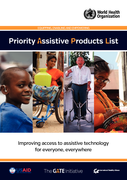
Improving access to assistive technology for everyone, everywhere.
The first WHO Priority Assistive Products List was launched in May 2016. The List includes hearing aids, wheelchairs, communication aids, spectacles, artificial limbs, pill organizers, memory aids
...
and other essential items for many older people and people with disabilities to be able to live a healthy, productive and dignified life.
Available in English, Arabic, Chinese, French, Russian, Spanish
more
Prevention, early identification, assessment and intervention in low- and middle-income countries | A Review | CHILD AND ADOLESCENT
...
HEALTH AND DEVELOPMENT
more

Assessing and improving quality and human rights in mental health and social care facilites
Obesity and diet-related noncommunicable diseases (NCDs) have been steadily increasing globally, and with them, a pressing need to implement effective responses to address the contributing factors.
...
Among the available evidence-based policy options that enable healthier choices and improved diets is the implementation of taxes on sugar-sweetened beverages (SSBs).
This tax manual is a practical guide for policy-makers and others involved in SSB tax policy development to promote healthy diets and populations. It features summaries and case studies of SSB global taxation evidence, and provides support on the policy-cycle development process to implement SSB taxation — from problem identification and situation analysis through policy design, development and implementation to the monitoring and evaluation phase. Additionally, the manual identifies and debunks industry tactics designed to dissuade policy-makers from implementing these taxes.
SSB taxes can be a win-win-win strategy: a win for public health (and averted health-care costs), a win for government revenue, and a win for health equity.
more
Promoting and protecting health is essential to human welfare and sustained economic and social
...
development. This was recognized more than 30 years ago by the Alma-Ata Declaration signatories, who noted that Health for All would contribute
both to a better quality of life and also to global peace and security
more
Objectives and scope of the document
This document was developed to provide recommended management strategies for problems and disorders that are specifically related to the occurrence of a major s
...
tressful event. The recommended strategies will form the basis of a new module to be added to the WHO (2010) mhGAP Intervention Guide for use in non-specialized specialized health-care settings.
The scope of the problems covered by these guidelines is:
symptoms of acute stress in the first month after a potentially traumatic event, with the following subtypes:
- symptoms of acute traumatic stress (intrusion, avoidance and hyperarousal) in the first month after a potentially traumatic event;
- symptoms of dissociative (conversion) disorders in the first month after a potentially traumatic event;
- non-organic (secondary) enuresis in the first month after a potentially traumatic event (in children);
- hyperventilation in the first month after a potentially traumatic event;
- insomnia in the first month after a potentially traumatic event;
posttraumatic stress disorder (PTSD);
bereavement in the absence of a mental disorder.
more

The Best Buys for Disease Elimination is a practical, evidence-based guide to the most effective actions for countries to implement in order to eliminate communicable diseases. The guide highlights the efficient use of resources and prioritizing pop
...
ulations in vulnerable situations.
“The Region of the Americas is advancing steadily towards the elimination of communicable diseases,” said Dr. Jarbas Barbosa, PAHO Director. “To achieve this, it is necessary to increase and sustain high vaccination coverage, engage communities to expand access to diagnosis and treatment, strengthen surveillance, and bring integrated services to marginalized communities, incarcerated populations, and those living in informal settlements,” he added.
For each disease and condition included in the Elimination Initiative, the Best Buys are presented as one-page documents with clear, accessible information. Each Best Buy summarizes expected impact goals, disease elimination targets, key operational indicators, and priority interventions that have proven to be cost-effective in different contexts.
more
