
Filter
3853
Text search:
access
to
medicines
Featured
428
1065
Language
3740
87
76
54
43
24
24
22
9
7
5
5
4
4
3
3
3
3
3
3
3
3
2
2
2
2
2
2
2
2
2
2
2
2
2
2
1
1
1
1
1
1
1
1
1
1
1
1
1
1
1
1
1
1
1
1
Document type
1817
764
563
248
219
80
71
53
18
8
7
2
2
Countries
197
179
122
99
99
88
77
76
73
73
71
70
65
64
63
60
58
55
54
51
47
42
36
35
32
32
32
32
31
26
23
20
20
19
18
17
17
17
17
16
16
16
15
15
14
14
13
11
10
10
10
10
10
9
9
9
9
8
8
7
7
7
7
7
6
6
6
6
6
5
5
5
5
5
4
4
4
4
4
4
3
3
3
3
3
3
3
3
3
3
3
3
3
3
3
2
2
2
2
2
2
2
2
2
2
2
2
2
2
2
2
2
2
2
2
2
1
1
1
1
1
1
1
1
1
1
1
1
1
1
1
1
1
1
1
1
1
1
1
1
1
1
1
Authors & Publishers
637
173
115
108
92
61
57
56
53
46
30
30
27
27
25
22
22
21
20
18
17
17
16
16
16
16
15
14
14
14
14
13
13
13
13
12
12
12
12
11
11
11
11
11
11
10
10
10
9
9
9
9
9
9
8
8
8
8
8
8
8
8
8
8
8
8
7
7
7
7
7
7
7
7
7
6
6
6
6
6
6
6
6
6
6
6
6
6
6
6
6
6
6
6
6
6
5
5
5
5
5
5
5
5
5
5
5
5
5
5
5
5
5
5
5
5
5
5
5
4
4
4
4
4
4
4
4
4
4
4
4
4
4
4
4
4
4
4
4
4
4
4
4
4
4
4
4
4
4
4
4
4
4
4
4
4
4
4
4
4
4
3
3
3
3
3
3
3
3
3
3
3
3
3
3
3
3
3
3
3
3
3
3
3
3
3
3
3
3
3
3
3
3
3
3
3
3
3
3
3
3
3
3
3
3
3
3
3
3
3
3
3
3
3
3
3
3
3
3
3
3
3
3
3
3
3
3
3
3
3
3
3
3
3
3
3
3
3
2
2
2
2
2
2
2
2
2
2
2
2
2
2
2
2
2
2
2
2
2
2
2
2
2
2
2
2
2
2
2
2
2
2
2
2
2
2
2
2
2
2
2
2
2
2
2
2
2
2
2
2
2
2
2
2
2
2
2
2
2
2
2
2
2
2
2
2
2
2
2
2
2
2
2
2
2
2
2
2
2
2
2
2
2
2
2
2
2
2
2
2
2
2
2
2
2
2
2
2
2
2
2
2
2
2
2
2
2
2
2
2
2
2
2
2
2
2
2
2
2
2
2
2
2
2
2
2
2
2
2
2
2
2
2
2
2
2
2
2
2
2
2
2
2
2
2
2
2
2
2
2
2
2
2
2
2
2
2
2
2
2
2
2
2
2
2
2
2
2
2
2
2
2
2
2
2
2
2
2
2
2
2
2
2
2
2
2
2
2
2
2
2
2
2
2
2
2
2
2
2
2
1
1
1
1
1
1
1
1
1
1
1
1
1
1
1
1
1
1
1
1
1
1
1
1
1
1
1
1
1
1
1
1
1
1
1
1
1
1
1
1
1
1
1
1
1
1
1
1
1
1
1
1
1
1
1
1
1
1
1
1
1
1
1
1
1
1
1
1
1
1
1
1
1
1
1
1
1
1
1
1
1
1
1
1
1
1
1
1
1
1
1
1
1
1
1
1
1
1
1
1
1
1
1
1
1
1
1
1
1
1
1
1
1
1
1
1
1
1
1
1
1
1
1
1
1
1
1
1
1
1
1
1
1
1
1
1
1
1
1
1
1
1
1
1
1
1
1
1
1
1
1
1
1
1
1
1
1
1
1
1
1
1
1
1
1
1
1
1
1
1
1
1
1
1
1
1
1
1
1
1
1
1
1
1
1
1
1
1
1
1
1
1
1
1
1
1
1
1
1
1
1
1
1
1
1
1
1
1
1
1
1
1
1
1
1
1
1
1
1
1
1
1
1
1
1
1
1
1
1
1
1
1
1
1
1
1
1
1
1
1
1
1
1
1
1
1
1
1
1
1
1
1
1
1
1
1
1
1
1
1
1
1
1
1
1
1
1
1
1
1
1
1
1
1
1
1
1
1
1
1
1
1
1
1
1
1
1
1
1
1
1
1
1
1
1
1
1
1
1
1
1
1
1
1
1
1
1
1
1
1
1
1
1
1
1
1
1
1
1
1
1
1
1
1
1
1
1
1
1
1
1
1
1
1
1
1
1
1
1
1
1
1
1
1
1
1
1
1
1
1
1
1
1
1
1
1
1
1
1
1
1
1
1
1
1
1
1
1
1
1
1
1
1
1
1
1
1
1
1
1
1
1
1
1
1
1
1
1
1
1
1
1
1
1
1
1
1
1
1
1
1
1
1
1
1
1
1
1
1
1
1
1
1
1
1
1
1
1
1
1
1
1
1
1
1
1
1
1
1
1
1
1
1
1
1
1
1
1
1
1
1
1
1
1
1
1
1
1
1
1
1
1
1
1
1
1
1
1
1
1
1
1
1
1
1
1
1
1
1
1
1
1
1
1
1
1
1
1
1
1
1
1
1
1
1
1
1
1
1
1
1
1
1
1
1
1
1
1
1
1
1
1
1
1
1
1
1
1
1
1
1
1
1
1
1
1
1
1
1
1
1
1
1
1
1
1
1
1
1
1
1
1
1
1
1
1
1
1
1
1
1
1
1
1
1
1
1
1
1
1
1
1
1
1
1
1
1
1
1
1
1
1
1
1
1
1
1
1
1
1
1
1
1
1
1
1
1
1
1
1
1
1
1
1
1
1
1
1
1
1
1
1
1
1
1
1
1
1
1
1
1
1
1
1
1
1
1
1
1
1
1
1
1
1
1
1
1
1
1
1
1
1
1
1
1
1
1
1
1
1
1
1
1
1
1
1
1
1
1
1
1
1
1
1
1
1
1
1
1
1
1
1
1
1
1
1
1
1
1
1
1
1
1
1
1
1
1
1
1
1
1
1
1
1
1
1
1
1
1
1
1
1
1
1
1
1
1
1
1
1
1
1
1
1
1
1
1
1
1
1
1
1
1
1
1
1
1
1
1
1
1
1
1
1
1
1
1
1
1
1
1
1
1
1
1
1
1
1
1
1
1
1
1
1
1
1
1
1
1
1
1
1
1
1
1
1
1
1
1
1
1
1
1
1
1
1
1
1
1
1
1
1
1
1
1
1
1
1
1
1
1
1
1
1
1
1
1
1
1
1
1
1
1
1
1
1
1
1
1
1
1
1
1
1
1
1
1
1
1
1
1
1
1
1
1
1
1
1
1
1
1
1
1
1
1
1
1
1
1
1
1
1
1
1
1
1
1
1
1
1
1
1
1
1
1
1
1
1
1
1
1
1
1
1
1
1
1
1
1
1
1
1
1
1
1
1
1
1
1
1
1
1
1
1
1
1
1
1
1
1
1
1
1
1
1
1
1
1
1
1
1
1
1
1
1
1
1
1
1
1
1
1
1
1
1
1
1
1
1
1
1
1
1
1
1
1
1
1
1
1
1
1
1
1
1
1
1
1
1
1
1
1
1
1
1
1
1
1
1
1
1
1
1
1
1
1
1
1
1
1
1
1
1
1
1
1
1
1
1
1
1
1
1
1
1
1
1
1
1
1
1
1
1
1
1
1
1
1
1
1
1
1
1
1
1
1
1
1
1
1
1
1
1
1
1
1
1
1
1
1
1
1
1
1
1
1
1
1
1
1
1
1
1
1
1
1
1
1
1
1
1
1
1
1
1
1
1
1
1
1
1
1
1
1
1
1
1
1
1
1
1
1
1
1
1
1
1
1
1
1
1
1
1
1
1
1
1
1
1
1
1
1
1
1
1
1
1
1
1
1
1
1
1
1
1
1
1
1
1
1
1
1
1
1
1
1
1
1
1
1
1
1
1
1
1
1
1
1
1
1
1
1
1
1
1
1
1
1
1
1
1
1
1
1
1
1
1
1
1
1
1
1
1
1
1
1
1
1
1
1
1
1
1
1
1
1
1
1
1
1
1
1
1
1
1
1
1
1
1
1
1
1
1
1
1
1
1
1
1
1
1
1
1
1
1
1
1
1
1
1
1
1
1
1
1
1
1
1
1
1
1
1
1
1
1
1
1
1
1
1
1
1
1
1
1
1
1
1
1
1
1
1
1
1
1
1
1
1
1
1
1
1
1
1
1
1
1
1
1
1
1
1
1
1
1
1
1
1
1
1
1
1
1
1
1
1
1
1
1
1
1
1
1
1
1
1
1
1
1
1
1
1
1
1
1
1
1
1
1
1
1
1
1
1
1
1
1
1
1
1
1
1
1
1
1
1
1
1
1
1
1
1
1
1
1
1
1
1
1
1
1
1
1
1
1
1
1
1
1
1
1
1
1
1
1
1
1
1
1
1
1
1
1
1
1
1
1
1
1
1
1
1
1
1
1
1
1
1
1
1
1
1
1
1
1
1
1
1
1
1
1
1
1
1
1
1
1
1
1
1
1
1
1
1
1
1
1
1
1
1
1
1
1
1
1
1
1
1
1
1
1
1
1
1
1
1
1
1
1
1
1
1
1
1
1
1
1
1
1
1
1
1
1
1
1
1
1
1
1
1
1
1
1
1
1
1
1
1
1
1
1
1
1
1
1
1
1
1
1
1
1
1
1
1
1
1
1
1
1
1
1
1
1
1
1
1
1
1
1
1
1
1
1
1
1
1
1
1
1
1
1
1
1
1
1
1
1
1
1
1
1
1
1
1
1
1
1
1
1
1
1
1
1
1
1
1
1
1
1
1
1
1
1
1
1
1
1
1
1
1
1
1
1
1
1
1
1
1
1
1
1
1
1
1
1
1
1
1
1
1
1
1
1
1
1
1
1
1
1
1
1
1
1
1
1
1
1
1
1
1
1
1
1
1
1
1
1
1
1
1
1
1
1
1
1
1
1
1
1
1
1
1
1
1
1
1
1
1
1
1
1
1
1
1
1
1
1
1
1
1
1
1
1
1
1
1
1
1
1
1
1
1
1
1
1
1
1
1
1
1
1
1
1
1
1
1
1
1
1
1
1
1
1
1
1
1
1
1
1
1
1
1
1
1
1
1
1
1
1
1
1
1
1
1
1
1
1
1
1
1
1
1
1
1
1
1
1
1
1
1
1
1
1
1
1
1
1
1
1
1
1
1
1
1
1
1
1
1
1
1
1
1
1
1
1
1
1
1
1
1
1
1
1
1
1
1
1
1
1
1
1
1
1
1
1
1
1
1
1
1
1
1
1
1
1
1
1
1
1
1
1
1
1
1
1
1
1
1
1
1
1
1
1
1
1
1
1
1
1
1
1
1
1
1
1
1
1
1
1
1
1
1
1
1
1
1
1
1
1
1
1
1
1
1
1
1
1
1
1
1
1
1
1
1
1
1
1
1
1
1
1
1
1
1
1
1
1
1
1
1
1
1
1
1
1
1
1
1
1
1
1
1
1
1
1
1
1
1
1
1
1
1
1
1
1
1
1
1
1
1
1
1
1
1
1
1
1
1
1
1
1
1
1
1
1
1
1
1
1
1
1
1
1
1
1
1
1
1
1
1
1
1
1
1
1
1
1
1
1
1
1
1
1
1
1
1
1
1
1
1
1
1
1
1
1
1
1
1
1
1
1
1
1
1
1
1
1
1
1
1
1
1
1
1
1
1
1
1
1
1
1
1
1
1
1
1
1
1
1
1
1
1
1
1
1
1
1
1
1
1
1
1
1
1
1
1
1
1
1
1
1
1
1
1
1
1
1
1
1
1
1
1
1
1
1
1
1
1
1
1
1
1
1
1
1
1
1
1
1
1
1
1
1
1
1
1
1
1
1
1
1
1
1
1
1
1
1
1
1
1
1
1
1
1
1
1
1
1
1
1
1
1
1
1
1
1
1
1
1
1
1
1
1
1
1
1
1
1
1
1
1
1
1
1
1
1
1
1
1
1
1
1
1
1
1
1
1
1
1
1
1
1
1
1
1
1
1
1
1
1
1
1
1
1
1
1
1
1
1
1
1
1
1
1
1
1
1
1
1
1
1
1
1
1
1
1
1
1
1
1
1
1
1
1
1
1
1
1
1
1
1
1
1
1
1
1
1
1
1
1
1
1
1
1
1
1
1
1
1
1
1
1
1
1
1
1
1
1
1
1
1
1
1
1
1
1
1
1
1
1
1
1
1
1
1
1
1
1
1
1
1
1
1
1
1
1
1
1
1
1
1
1
1
1
1
1
1
1
1
1
1
1
1
1
1
1
1
1
1
1
1
1
1
1
1
1
1
1
1
1
1
1
1
1
1
1
1
1
1
1
1
1
1
1
1
1
1
1
1
1
1
1
1
1
1
1
1
1
1
1
1
1
1
1
1
1
1
1
1
1
1
1
1
1
1
1
1
1
1
1
1
1
1
1
1
1
1
1
1
1
1
1
1
1
1
1
1
1
1
1
1
1
1
1
1
1
1
1
1
1
1
1
1
1
1
1
1
1
1
1
1
1
1
1
1
1
1
1
1
1
1
1
1
1
1
1
1
1
1
1
1
1
1
1
1
1
1
1
1
1
1
1
1
1
1
1
1
1
1
1
1
1
1
1
1
1
1
1
1
1
1
1
1
1
1
1
1
1
1
1
1
1
1
1
1
1
1
1
1
1
1
1
1
1
1
1
1
1
1
1
1
1
1
1
1
1
1
1
1
1
1
1
1
1
1
1
1
1
1
1
1
1
1
1
1
1
1
1
1
1
1
1
1
1
1
1
1
1
Publication Years
1300
2248
287
16
2
Category
1600
331
246
174
160
71
41
2
Toolboxes
282
248
223
223
165
153
120
115
110
109
90
86
82
80
72
61
60
48
43
35
18
17
9
7
5
1
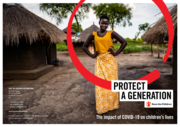
An estimated 99% of children worldwide – or more than 2.3 billion children – live in one of the 186 countries that have implemented some form of restrictions due to COVID-191. Although children are not at a high risk of direct harm from the vir
...
us, they are disproportionately affected by its hidden impacts.
more

People with underlying noncommunicable diseases (NCDs) such as hypertension, diabetes, cardiovascular disease, chronic respiratory disease and cancer have a high risk for developing severe and even fatal COVID-19. It is important for them to strictl
...
y follow basic protective measures and make sure their chronic diseases are well managed. However, pandemics cripple health systems and compromise provision routine medical care. This technical note gives general guidance to people living with NCDs, their caregivers and family members, the public, health programme managers and health-care workers on how to reduce risks of a COVID-19 infection and maintain care for people living with NCDs during the outbreak.
more
As information about COVID-19 is rapidly evolving, it can be challenging to navigate and synthesize all of the information. The purpose of this document is to provide a synthesized, indexed referenc
...
e of accurate, standardized COVID-19 information from trustworthy sources. Information is presented in simple, clear language to support the development of messages and materials needed for social and behavior change interventions.
more
COVID-19 disproportionately affects the poor and vulnerable. Community health workers are poised to play a pivotal role in fighting the pandemic, especially in countries with less resilient health systems. Drawing from practitioner expertise across
...
four WHO regions, this article outlines the targeted actions needed at different stages of the pandemic to achieve the following goals: (1) PROTECT healthcare workers, (2) INTERRUPT the virus, (3) MAINTAIN existing healthcare services while surging their capacity, and (4) SHIELD the most vulnerable from socioeconomic shocks. While decisive action must be taken now to blunt the impact of the pandemic in countries likely to be hit the hardest, many of the investments in the supply chain, compensation, dedicated supervision, continuous training and performance management necessary for rapid community response in a pandemic are the same as those required to achieve universal healthcare and prevent the next epidemic.
BMJ Global Health2020;5:e002550. doi:10.1136/bmjgh-2020-002550
more

7 June 2020 Version 1
Women in Myanmar have traditionally been underrepresented in public decision-making processes, a trend which is continuing in structures established to respond to COVID-19. Th
...
is means that even as women are disproportionately affected by the crisis, they have less say in how their communities and country respond to it, increasing the risk of a COVID-19 response that does not adequately address the needs and priorities of the most vulnerable women and girls.
more
In Israel, as in other countries, the COVID-19 outbreak highlights existing structural inequities,which compromise the health of some migrant groups. The Israeli case also demonstrate show strong NGOs successfully advocate for the protection of migrants‘health amidst the crisis, madepossible bya c
...
ertain level ofcooperation withthe Israeli Ministry of Health.Hence,measures for COVID-19preparedness in Israel‘s marginalized migrant communities mostly result from pressure from civil society, against thebackdrop of a generally exclusionary approach toward migrants.4Over time, the Israeli Ministry of Health thus shifted from acknowledging the need to include migrants in preparedness measures toward the realization that particular needs and circumstances amongmigrant communities in some instances require special responses. Givena legacy of neglect and exclusion, this creates challenges for both the authorities and the migrant communities.
more
The primary audience of these recommendations includes healthcare providers who are responsible for developing national and local health protocols (particularly those related to hypertensive disorders of pregnancy), and those directly providing care
...
to pregnant women and their newborns, including midwives, nurses, general medical practitioners, obstetricians, obstetric physicians, managers of maternal and child health programmes, and relevant staff in ministries of health, in all settings.
more
COVID-19 Recommended Interventions in Mental Health and Psychosocial Support (MHPSS) during the Pandemic
recommended
This document describes the essential interventions in mental health and psychosocial support (MHPSS) that should be developed on an intersectoral basis in countries and communities. Its frame of reference is the Inter-Agency Standing Committee (IASC) intervention pyramid for MHPSS services. The pyr
...
amid shows different levels of support, ranging from social considerations, safety, and basic needs, to the provision of specialized services for the management of more severe conditions, as well as the probable volume of demand at each established level.
Available in Spanisch, Portuguese and English
more
This operation update provides a summary of key results achieved against the IFRC Syria Complex Emergency Plan of Action covering 13-month period, from 1 June 2019 to 30 June 2020.
The World Health Organization organized a Consultation of National Leprosy Programme managers, partners and affected persons to discuss the draft Global Leprosy Strategy, 2021--2030. This virtual event took place from 26
...
to 30 October 2020. It was attended by more than 450 stakeholders. Contributions were shared through 70 presentations made by stake holders from all Regions. The presentations covered the key strategic approaches: global context, challenges in countries, contact tracing and post exposure prophylaxis, disability care, interruption of transmission and elimination of disease, stigma and d iscrimination, research. In addition to numerous comments received through the chat box and by email, the conclusions and recommendations of this Consultation will guide finalizing the post 2020 Global Leprosy Strategy.
more

Brazilian media and science communicators must understand the main characteristics of misinformation in social media about COVID-19, so that they can develop attractive, up-to-date and evidence-based content that helps
...
to increase health literacy and counteract the spread of false information.
more

22 December 2020
The COVID-19 vaccine safety guidance manual has been developed upon recommendation and guidance of GACVS members, as well as by experts incorporating current and available information critical to all stakeholders when COVID-19 vac
...
cines will be introduced.
For ease of use, the manual is available in a compiled form and in several separate modules that can be consulted individually. For each module, specific training material is also available to facilitate implementation.
more
A module from the suite of health service capacity assessments in the context of the COVID-19 pandemicINTERIM GUIDANCE5 February2021
The Community needs, perceptions and demand: community assessment toolcan be used by countries to conduct a rapid p
...
ulse survey of community health needs and perceptions around effective use of essential health services during the COVID-19 outbreak. The assessment helps to establish an early warning system on the need to implement coping strategies to continue to respond to communities’ health needs throughout the course of the pandemic. This assessment tool is informed by WHO and partner tools and guidance on community health needs, continuity of essential health services and readiness planning for COVID-19
more
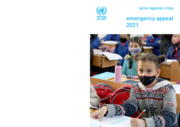
2 March 2021
Protracted displacement, socio-economic crises aggravated by the COVID-19 pandemic, dire humanitarian needs and protection threats continue to affect the Palestine refugees in Syria, Lebanon and Jordan.
In Syria, the protracted confli
...
ct has left 91 per cent of the 438,000 Palestine refugees1 estimated to remain in the country in absolute poverty2 and 40 per cent displaced.
more
Interim guidance2 November 2020
This interim guidance, originally entitled “Harmonized health service capacity assessments in the context of the COVID-19 pandemic”, is an update to the earlier version published on 31
...
May 2020 as “Harmonized modules for health facility assessment modules in the context of the COVID-19 pandemic”. In this update, module content has been further refined and developed
more
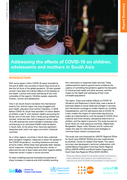
Summary of the main report: Direct and indirect effects of COVID-19 pandemic and response in South Asia .
It uses a series of exercises based on actual observed changes in services and intervention coverage to model impacts on mortality, hospita
...
lizations, and ICU admissions due to COVID-19. It also models the impact of nationwide stay-at-home orders to curb the spread of COVID-19 on maternal and child mortality, educational attainment of children, and the region’s economy. The study focuses on South Asia’s six most populous countries: Afghanistan, Bangladesh, Nepal, India, Pakistan and Sri Lanka and makes the case for interventions and strategies to minimise these indirect consequences.
more
Reports of antimicrobial-resistant (AMR) microorganisms are increasing globally, threatening to render existing treatments ineffective against many infectious diseases. In Africa, AMR has already been documented
...
to be a problem for human immunodeficiency virus (HIV) and the pathogens that cause malaria, tuberculosis (TB), typhoid, cholera, meningitis, gonorrhoea and dysentery. Recognizing the urgent need for action, the 2016 United Nations (UN) General Assembly approved a resolution to ensure sustained and effective global action to address AMR.
more
Refugees and migrants face unacceptable and extreme forms of violence on mixed migration routes from East and West Africa to and through North Africa. This report provides clear and strong findings based on almost 16,000 interviews with refugees and
...
migrants all along the migration routes. It provides clear data on the extent to which refugees and migrants face various violations of their rights, and identifies who are generally reported to be responsible and should thus be held accountable.
more

Sudan has a long history of hosting refugees and asylum seekers with 991,787 individuals, 51 per cent female and 53 per cent children, expected to live in Sudan by the end of 2020.

COVID-19 Vaccines: 1 Safety Surveillance 2 Manual
While there is no indication that pregnant women have an increased susceptibility to infection with SARS-CoV-2, there is evidence that pregnancy may increase the risk of severe illness and mortality
...
from COVID-19 disease in comparison with non-pregnant women of reproductive age. As seen with non-pregnant women, a high proportion of pregnant women have asymptomatic SARS-CoV-2 infection and severe disease is associated with recognized medical (e.g., high body-mass index (BMI), diabetes, pre-existing pulmonary or cardiac conditions) and social (e.g., social deprivation, ethnicity) risk factors. Pregnant women with symptomatic COVID-19 appear to have an increased risk of intensive care unit admission, mechanical ventilation and death in comparison with non-pregnant women of reproductive age, although the absolute risks remain low. COVID-19 may increase the risk of preterm birth, compared with pregnant women without COVID-19, although the evidence is inconclusive.
more
