
Filter
4088
Text search:
civil
society
Featured
316
1195
Language
3914
129
120
77
49
42
30
22
8
8
5
5
5
4
4
4
4
3
3
3
3
3
3
3
3
3
2
2
2
2
2
2
1
1
1
1
1
1
1
1
1
1
1
1
1
1
1
1
1
Document type
2204
787
403
251
240
66
66
39
14
7
4
2
2
Countries
229
135
117
103
94
92
90
87
87
78
72
68
66
63
59
56
56
52
50
49
45
39
36
35
35
34
33
33
32
32
29
29
26
25
23
23
22
21
20
20
20
16
16
16
15
15
14
14
13
13
12
11
11
11
11
11
9
9
9
8
8
7
7
7
7
7
7
6
6
6
6
6
6
6
5
5
5
5
5
4
4
4
4
4
4
3
3
3
3
3
3
3
3
3
3
2
2
2
2
2
2
2
2
2
2
2
2
2
2
2
2
2
2
2
2
2
2
1
1
1
1
1
1
1
1
1
1
1
1
1
1
1
1
1
1
1
1
1
1
Authors & Publishers
509
154
119
97
93
87
81
60
44
37
26
25
25
25
25
24
24
22
20
19
19
18
18
17
16
16
16
15
15
14
14
14
14
14
13
13
13
12
12
12
12
12
12
11
10
10
10
10
10
10
10
10
10
10
10
10
10
10
9
9
9
9
9
9
9
9
8
8
8
8
7
7
7
7
7
7
7
7
7
7
7
7
6
6
6
6
6
6
6
6
6
6
6
6
5
5
5
5
5
5
5
5
5
5
5
5
5
5
5
5
5
5
5
5
5
5
5
5
5
5
5
5
5
5
5
5
5
4
4
4
4
4
4
4
4
4
4
4
4
4
4
4
4
4
4
4
4
4
4
4
4
4
4
4
4
4
4
4
4
4
4
4
4
4
4
4
4
4
4
4
4
4
4
4
4
4
4
4
4
4
4
4
4
4
4
4
4
3
3
3
3
3
3
3
3
3
3
3
3
3
3
3
3
3
3
3
3
3
3
3
3
3
3
3
3
3
3
3
3
3
3
3
3
3
3
3
3
3
3
3
3
3
3
3
3
3
3
3
3
3
3
3
3
3
3
3
3
3
3
3
3
3
3
3
3
3
3
3
3
3
3
3
3
3
3
3
3
3
3
3
3
3
3
3
3
3
2
2
2
2
2
2
2
2
2
2
2
2
2
2
2
2
2
2
2
2
2
2
2
2
2
2
2
2
2
2
2
2
2
2
2
2
2
2
2
2
2
2
2
2
2
2
2
2
2
2
2
2
2
2
2
2
2
2
2
2
2
2
2
2
2
2
2
2
2
2
2
2
2
2
2
2
2
2
2
2
2
2
2
2
2
2
2
2
2
2
2
2
2
2
2
2
2
2
2
2
2
2
2
2
2
2
2
2
2
2
2
2
2
2
2
2
2
2
2
2
2
2
2
2
2
2
2
2
2
2
2
2
2
2
2
2
2
2
2
2
2
2
2
2
2
2
2
2
2
2
2
2
2
2
2
2
2
2
2
2
2
2
2
2
2
2
2
2
2
2
2
2
2
2
2
2
2
2
2
2
2
2
2
2
2
2
2
2
2
2
2
2
2
2
2
2
2
2
2
2
2
2
2
2
2
2
2
2
2
2
2
1
1
1
1
1
1
1
1
1
1
1
1
1
1
1
1
1
1
1
1
1
1
1
1
1
1
1
1
1
1
1
1
1
1
1
1
1
1
1
1
1
1
1
1
1
1
1
1
1
1
1
1
1
1
1
1
1
1
1
1
1
1
1
1
1
1
1
1
1
1
1
1
1
1
1
1
1
1
1
1
1
1
1
1
1
1
1
1
1
1
1
1
1
1
1
1
1
1
1
1
1
1
1
1
1
1
1
1
1
1
1
1
1
1
1
1
1
1
1
1
1
1
1
1
1
1
1
1
1
1
1
1
1
1
1
1
1
1
1
1
1
1
1
1
1
1
1
1
1
1
1
1
1
1
1
1
1
1
1
1
1
1
1
1
1
1
1
1
1
1
1
1
1
1
1
1
1
1
1
1
1
1
1
1
1
1
1
1
1
1
1
1
1
1
1
1
1
1
1
1
1
1
1
1
1
1
1
1
1
1
1
1
1
1
1
1
1
1
1
1
1
1
1
1
1
1
1
1
1
1
1
1
1
1
1
1
1
1
1
1
1
1
1
1
1
1
1
1
1
1
1
1
1
1
1
1
1
1
1
1
1
1
1
1
1
1
1
1
1
1
1
1
1
1
1
1
1
1
1
1
1
1
1
1
1
1
1
1
1
1
1
1
1
1
1
1
1
1
1
1
1
1
1
1
1
1
1
1
1
1
1
1
1
1
1
1
1
1
1
1
1
1
1
1
1
1
1
1
1
1
1
1
1
1
1
1
1
1
1
1
1
1
1
1
1
1
1
1
1
1
1
1
1
1
1
1
1
1
1
1
1
1
1
1
1
1
1
1
1
1
1
1
1
1
1
1
1
1
1
1
1
1
1
1
1
1
1
1
1
1
1
1
1
1
1
1
1
1
1
1
1
1
1
1
1
1
1
1
1
1
1
1
1
1
1
1
1
1
1
1
1
1
1
1
1
1
1
1
1
1
1
1
1
1
1
1
1
1
1
1
1
1
1
1
1
1
1
1
1
1
1
1
1
1
1
1
1
1
1
1
1
1
1
1
1
1
1
1
1
1
1
1
1
1
1
1
1
1
1
1
1
1
1
1
1
1
1
1
1
1
1
1
1
1
1
1
1
1
1
1
1
1
1
1
1
1
1
1
1
1
1
1
1
1
1
1
1
1
1
1
1
1
1
1
1
1
1
1
1
1
1
1
1
1
1
1
1
1
1
1
1
1
1
1
1
1
1
1
1
1
1
1
1
1
1
1
1
1
1
1
1
1
1
1
1
1
1
1
1
1
1
1
1
1
1
1
1
1
1
1
1
1
1
1
1
1
1
1
1
1
1
1
1
1
1
1
1
1
1
1
1
1
1
1
1
1
1
1
1
1
1
1
1
1
1
1
1
1
1
1
1
1
1
1
1
1
1
1
1
1
1
1
1
1
1
1
1
1
1
1
1
1
1
1
1
1
1
1
1
1
1
1
1
1
1
1
1
1
1
1
1
1
1
1
1
1
1
1
1
1
1
1
1
1
1
1
1
1
1
1
1
1
1
1
1
1
1
1
1
1
1
1
1
1
1
1
1
1
1
1
1
1
1
1
1
1
1
1
1
1
1
1
1
1
1
1
1
1
1
1
1
1
1
1
1
1
1
1
1
1
1
1
1
1
1
1
1
1
1
1
1
1
1
1
1
1
1
1
1
1
1
1
1
1
1
1
1
1
1
1
1
1
1
1
1
1
1
1
1
1
1
1
1
1
1
1
1
1
1
1
1
1
1
1
1
1
1
1
1
1
1
1
1
1
1
1
1
1
1
1
1
1
1
1
1
1
1
1
1
1
1
1
1
1
1
1
1
1
1
1
1
1
1
1
1
1
1
1
1
1
1
1
1
1
1
1
1
1
1
1
1
1
1
1
1
1
1
1
1
1
1
1
1
1
1
1
1
1
1
1
1
1
1
1
1
1
1
1
1
1
1
1
1
1
1
1
1
1
1
1
1
1
1
1
1
1
1
1
1
1
1
1
1
1
1
1
1
1
1
1
1
1
1
1
1
1
1
1
1
1
1
1
1
1
1
1
1
1
1
1
1
1
1
1
1
1
1
1
1
1
1
1
1
1
1
1
1
1
1
1
1
1
1
1
1
1
1
1
1
1
1
1
1
1
1
1
1
1
1
1
1
1
1
1
1
1
1
1
1
1
1
1
1
1
1
1
1
1
1
1
1
1
1
1
1
1
1
1
1
1
1
1
1
1
1
1
1
1
1
1
1
1
1
1
1
1
1
1
1
1
1
1
1
1
1
1
1
1
1
1
1
1
1
1
1
1
1
1
1
1
1
1
1
1
1
1
1
1
1
1
1
1
1
1
1
1
1
1
1
1
1
1
1
1
1
1
1
1
1
1
1
1
1
1
1
1
1
1
1
1
1
1
1
1
1
1
1
1
1
1
1
1
1
1
1
1
1
1
1
1
1
1
1
1
1
1
1
1
1
1
1
1
1
1
1
1
1
1
1
1
1
1
1
1
1
1
1
1
1
1
1
1
1
1
1
1
1
1
1
1
1
1
1
1
1
1
1
1
1
1
1
1
1
1
1
1
1
1
1
1
1
1
1
1
1
1
1
1
1
1
1
1
1
1
1
1
1
1
1
1
1
1
1
1
1
1
1
1
1
1
1
1
1
1
1
1
1
1
1
1
1
1
1
1
1
1
1
1
1
1
1
1
1
1
1
1
1
1
1
1
1
1
1
1
1
1
1
1
1
1
1
1
1
1
1
1
1
1
1
1
1
1
1
1
1
1
1
1
1
1
1
1
1
1
1
1
1
1
1
1
1
1
1
1
1
1
1
1
1
1
1
1
1
1
1
1
1
1
1
1
1
1
1
1
1
1
1
1
1
1
1
1
1
1
1
1
1
1
1
1
1
1
1
1
1
1
1
1
1
1
1
1
1
1
1
1
1
1
1
1
1
1
1
1
1
1
1
1
1
1
1
1
1
1
1
1
1
1
1
1
1
1
1
1
1
1
1
1
1
1
1
1
1
1
1
1
1
1
1
1
1
1
1
1
1
1
1
1
1
1
1
1
1
1
1
1
1
1
1
1
1
1
1
1
1
1
1
1
1
1
1
1
1
1
1
1
1
1
1
1
1
1
1
1
1
1
1
1
1
1
1
1
1
1
1
1
1
1
1
1
1
1
1
1
1
1
1
1
1
1
1
1
1
1
1
1
1
1
1
1
1
1
1
1
1
1
1
1
1
1
1
1
1
1
1
1
1
1
1
1
1
1
1
1
1
1
1
1
1
1
1
1
1
1
1
1
1
1
1
1
1
1
1
1
1
1
1
1
1
1
1
1
1
1
1
1
1
1
1
1
1
1
1
1
1
1
1
1
1
1
1
1
1
1
1
1
1
1
1
1
1
1
1
1
1
1
1
1
1
1
1
1
1
1
1
1
1
1
1
1
1
1
1
1
1
1
1
1
1
1
1
1
1
1
1
1
1
1
1
1
1
1
1
1
1
1
1
1
1
1
1
1
1
1
1
1
1
1
1
1
1
1
1
1
1
1
1
1
1
1
1
1
1
1
1
1
1
1
1
1
1
1
1
1
1
1
1
1
1
1
1
1
1
1
1
1
1
1
1
1
1
1
1
1
1
1
1
1
1
1
1
1
1
1
1
1
1
1
1
1
1
1
1
1
1
1
1
1
1
1
1
1
1
1
1
1
1
1
1
1
1
1
1
1
1
1
1
1
1
1
1
1
1
1
1
1
1
1
1
1
1
1
1
1
1
1
1
1
1
1
1
1
1
1
1
1
1
1
1
1
1
1
1
1
1
1
1
1
1
1
1
1
1
1
1
1
1
1
1
1
1
1
1
1
1
1
1
1
1
1
1
1
1
1
1
1
1
1
1
1
1
1
1
1
1
1
1
1
1
1
1
1
1
1
1
1
1
1
1
1
1
1
1
1
1
1
1
1
1
1
1
1
1
1
1
1
1
1
1
1
1
1
1
1
1
1
1
1
1
1
1
1
1
1
1
1
1
1
1
1
1
1
1
1
1
1
1
1
1
1
1
1
1
1
1
1
1
1
1
1
1
1
1
1
1
1
1
1
1
1
1
1
1
1
1
1
1
1
1
1
1
1
1
1
1
1
1
1
1
1
1
1
1
1
1
1
1
1
1
1
1
1
1
1
1
1
1
1
1
1
1
1
1
1
1
1
1
1
1
1
1
1
1
1
1
1
1
1
1
1
1
1
1
1
1
1
1
1
1
1
1
1
1
1
1
1
1
1
1
1
1
1
1
1
1
1
1
1
1
1
1
1
1
1
1
1
1
1
1
1
1
1
1
1
1
1
1
1
1
1
1
1
1
1
1
1
1
1
1
1
1
1
1
1
1
1
1
1
1
1
1
1
1
1
1
1
1
1
1
1
1
1
1
1
1
1
1
1
1
1
1
1
1
1
1
1
1
1
1
1
1
1
1
1
1
1
1
1
1
1
1
1
1
1
1
1
1
1
1
1
1
1
1
1
1
1
1
1
1
1
1
1
1
1
1
1
1
1
1
1
1
1
1
1
1
1
1
1
1
1
1
1
1
1
1
1
1
1
1
1
1
1
1
1
1
1
1
1
1
1
1
1
1
1
1
1
1
1
1
1
1
1
1
1
1
1
1
1
1
1
1
1
1
1
1
1
1
1
1
1
1
1
1
1
1
1
1
1
1
1
1
1
1
1
1
1
1
1
1
1
1
1
1
1
1
1
1
1
1
1
1
1
1
1
1
1
1
1
1
1
1
1
1
1
1
1
1
1
1
1
1
1
1
1
1
1
1
1
1
1
1
1
1
1
1
1
1
1
1
1
1
1
1
1
1
1
1
1
1
1
1
1
1
1
1
1
1
1
1
1
1
1
1
1
1
1
1
1
1
1
1
1
1
1
1
1
1
1
1
1
1
1
1
1
1
1
1
1
1
1
1
1
1
1
1
1
1
1
1
1
1
1
1
1
1
1
1
1
1
1
1
1
1
1
1
1
1
1
1
1
1
1
1
1
1
1
1
1
1
1
1
1
1
1
1
1
1
1
1
1
1
1
1
1
1
1
1
1
1
1
1
1
1
1
1
1
1
1
1
1
1
1
1
1
1
1
1
1
1
1
1
1
1
1
1
1
1
1
1
1
1
1
1
1
1
1
1
1
1
1
1
1
1
1
1
1
1
1
1
1
1
1
1
1
1
1
1
1
1
1
1
1
1
1
1
1
1
1
1
1
1
1
1
1
1
1
1
1
1
1
1
1
1
1
1
1
1
1
1
1
1
1
1
1
1
1
1
1
1
1
1
1
1
1
1
1
1
1
1
1
1
1
1
1
1
1
1
1
1
1
1
1
1
1
1
1
1
1
1
1
1
1
1
1
1
1
1
1
1
1
1
1
1
1
1
1
1
1
1
1
1
1
1
1
1
1
1
1
1
1
1
1
1
1
1
1
1
1
1
1
1
1
1
1
1
1
1
1
1
1
1
1
1
1
1
1
1
1
1
1
1
1
1
1
1
1
1
1
1
1
1
1
1
1
1
1
1
1
1
1
1
1
1
1
1
1
1
1
1
1
1
1
1
1
1
1
1
1
1
1
1
1
1
1
1
1
1
1
1
1
1
1
1
1
1
1
1
1
1
1
1
1
1
1
1
1
1
1
1
1
1
1
1
1
1
1
1
1
1
1
1
1
1
1
1
1
1
1
1
1
1
1
1
1
1
1
1
1
1
1
1
1
1
1
1
1
1
1
1
1
1
1
1
1
1
1
1
Publication Years
1
1305
2481
286
12
1
1
1
Category
1559
313
233
204
166
48
9
Toolboxes
306
285
271
231
198
173
161
131
113
104
92
87
79
71
68
62
52
48
43
37
23
22
22
19
11
2

Evidence supports the need for a shift in the global approach to drug use. In this report, Do no harm: health, human rights and people who use drugs, UNAIDS shows what works to reduce the impact of HIV and other harms related to drug use. Countries that have moved away from laws and policies that ar
...
e harmful to people who use drugs and that have increased investment in harm reduction have reduced new HIV infections and improved health outcomes. These policies also deliver broader social benefits, such as lower levels of drug-related crime and reduced pressure on health-care and criminal justice systems.
more
This publication integrates human rights principles into measuring HIV service effectiveness, ensuring accountability for equity and health. It focuses on reducing stigma, removing punitive laws, and ensuring access to care for key populations, aiming to achieve 2030 targets.

Ramped-up cancer services could save 7 million lives over the next decade—and addressing huge service gaps between rich and poor countries is key to success, according to this report.
In 2019, over 90% of high-income countries reported that comprehensive cancer treatment services were available
...
through the public health system, compared to fewer than 15% of low-income countries, according to WHO.
But poorer countries can make substantial strides with a universal health coverage approach and use of the latest science to meet their particular needs.
The report lays out proven ways to prevent new cancer cases without breaking the bank, including tobacco-control measures and vaccines that protect against common cancers.
more

Despite Pakistan's progress in reducing the number of wild poliovirus type 1 (WPV1) cases to 8 in 2017 and 12 in 2018, 2019 has seen a significant rise in the number of WPV1 cases (41 cases as of July 8 2019). One of the most intractable challenges the Pakistan Polio Eradication Initiative (PEI) is
...
facing is refusals by parents and caregivers to immunise their children with the polio vaccine. In light of this challenge, the Pakistan programme has revisited its strategy and put forward this Extension of the National Emergency Action Plan 2018/2019 (NEAP), which will carry the programme forward from July to December 2019
more

Antibiotics use with care
Senegal private health sector assessment: Selected health products and services
Brunner B., J. Barnes, A. Carmona et. al.
United States Agency for International Development
(2016)
C2
SHOPS and HIA finalized a scope of work with USAID Senegal in April 2015, and a team of five private sector experts conducted the onsite assessments between May and June 2015. The Private Sector Assessment (PSA) team worked closely with Senegalese key stakeholders throughout the process. The PSA tea
...
m interviewed more than120 individuals from approximately 78 organizations, including the government of Senegal (GOS), donors, USAID implementing partners, private sector umbrella organizations, private insurance companies, faith-based organizations (FBOs), nongovernmental organizations (NGOs), private health care facilities, and private pharmacies.
Through stakeholder interviews and review of government reports and online resources, the assessment team noted the following findings by theme.
more
Private health sector assessment: selected health products and services in Sénégal
Brunner B., J. Barnes, A. Carmona et. al.
United States Agency for International Development
(2016)
C2
USAID Senegal and Health in Africa (HIA) initiative of the World Bank Group engaged the Strengthening Health Outcomes through the Private Sector (SHOPS) project to conduct an assessment of the private health sector in Senegal. The assessment’s primary focus is family planning, and its secondary fo
...
cus is maternal, neonatal and child health (MNCH), HIV and AIDS, malaria, and nutrition.
more
This manual for developing national action plans to address antimicrobial resistance has been developed at the request of the World Health Assembly to assist countries in the initial phase of developing new, or refining existing national action plans in line with the
strategic objectives of the Glo
...
bal Action Plan. It proposes an incremental approach that countries can adapt to the specific needs, circumstances and available resources of each individual country. Details of actions to be taken will vary according to national contexts.
more
AMR is a serious and growing global problem. A WHO report released in 2014 stated that this serious threat is no longer a prediction for the future it is happening now in every region of the world and has potential to affect anyone, of any age in any community – a real threat to the public health.
...
The coming together of the various important stakeholders to develop this document is the testimony of their agreement of how serious is the issue at hand and their intentions to combat AMR is translated into an Action Plan. WHO also reported that there are about 2 million people in the US are infected with the AMR organism while 23,000 die annually from AMR infections. Fiji is just 10 hours journey away from the United States of America therefore Fiji must act now to keep our population safe from AMR organisms.
more

The current trend in AMR in Uganda and globally is rising and calls for immediate action. The 71st UN General Assembly (UNGA), the 68th World Health Assembly, and organizations including the World Health Organization (WHO), the Food and Agriculture Organization (FAO), and the World Organization for
...
Animal Health (OIE), have agreed on a set of actions that member countries such as Uganda are committed to implement. The Government of Uganda (GoU) has put in place a framework through this National AMR Action Plan to address the threat AMR poses to the welfare of the peoples of Uganda. The Action Plan sets out a coordinated and collaborative One Health approach involving key stakeholders in government and other sectors to confront the threat and shall be coordinated by a Uganda National Antimicrobial Resistance Committee (UNAMRC).
more
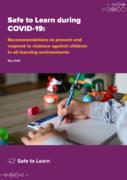
Many children will not be ‘safe to learn at home’: As of April 2020, 91 percent of the world’s students have been affected by school closures due to COVID-19. While schools are often places where violence occurs, they also offer a comparatively protective and nurturing space for many children.
...
Especially for the most vulnerable learners -the poorest and most left behind- that rely on school not only for learning and development, but also for food, trusted and accurate information on important issues such as hygiene, and their overall physical and mental health.
more

Afghanistan has one of the largest populations per capita of persons with disabilities in the world. At least one in five Afghan households includes an adult or child with a serious physical, sensory, intellectual, or psychosocial disability. More than 40 years of war have left more than one million
...
Afghans with amputated limbs and other mobility, visual, or hearing disabilities. Many Afghans have psychosocial disabilities (mental health conditions) such as depression, anxiety, and post-traumatic stress, which are often a direct result of the protracted conflict. Other Afghans have pre-existing disabilities not directly related to the conflict, such as those caused by polio.
more

his revision to the Disaster Management Team’s (DMT) multi-sector response plan for COVID-19 is meant to align the multi-sector plan with the Department of Health’s COVID-19 Emergency Response Plan issued on 24 April 2020. Additionally, at the time of this version, the Department of Education an
...
d Department for Community Development and Religion have also issued their own national COVID-19 response and recovery plans.
The Government’s plan maintains a health sector focus and plans for a ‘worst case’ scenario, articulating the process of progressing into containment and subsequently mitigation of community transmission and on to recovery. It presents an opportunity to improve the core capacities of the whole of government, to see where both health and non-health sectors fit in and respond in the immediate and medium terms, and to adapt to the ‘new normal’ that this coronavirus has inevitably presented
more
God. XXIX, BR. 2/2016. str. 323-334
In this paper an attempt has been made to contextualize the ecological dimension of contemporary Catholic
social teaching. With this aim in mind, the authors discuss the merits of several theories and approaches
(political economy approaches, ecological moderni
...
zation theory, environmental justice theory, and social
constructionism) coming from environmental sociology and other disciplinary traditions in the social sciences.
After an analysis of relevant historical documents of Catholic social teaching with respect to the
environmental issues covered by them, the authors discuss the main lines of argument present in the recent
(2015) encyclical Laudato Si’ (Pope Francis) and interpret them in the aforementioned theoretical framework.
In conclusion, the usefulness of Catholic social teaching for the public dialogue between science and
other relevant stakeholders, as well as its main strengths and weaknesses have been discussed
more

This revision to the Disaster Management Team’s (DMT) multi-sector response plan for COVID-19 is meant to align the multi-sector plan with the Department of Health’s COVID-19 Emergency Response Plan issued on 24 April 2020.
The United Nations Network on Migration is committed to supporting all partners in pursuit of the implementation of the Global Compact for Safe, Orderly and Regular Migration, recognizing that this cooperative framework provides an invaluable tool for ensuring inclusive, collective responses to COVI
...
D-19 and its impact.
To that end, this briefing is part of a series by the Network looking at different aspects of the COVID-19 pandemic and how they relate to migrants and their communities. The document provides practical guidance to States and other stakeholders for an improved common understanding of safe and inclusive access to services for migrants. The brief makes the case for enhanced access to services for migrants in the context of COVID-19 preparedness, prevention, and response – and beyond.
more
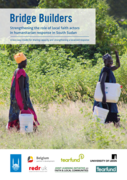
This report outlines and analyses the implementation of the Bridge Builder Model. This is a two-way, capacity-sharing model aimed at bringing together local faith actors (LFAs) and international humanitarian actors to increase understanding, trust, coordination and collaboration.

The joys and the hopes, the griefs and the anxieties of the men of this age are the joys and hopes, the griefs and anxieties of the followers of Christ. As a community composed of men, united in Christ, they are led by the Holy Spirit toward the Kingdom of their Father. They have welcome
...
d the news of salvation, meant for every man. This community realizes its link with mankindand its history by the deepest of bonds
more
