
Filter
2445
Text search:
National
Vaccination
Plan
Featured
254
670
Language
Document type
1124
440
359
222
149
52
47
37
6
3
3
2
Countries
118
109
61
60
59
53
50
47
45
45
42
41
40
39
36
34
34
34
32
29
29
27
26
24
23
23
22
22
21
21
20
19
18
17
17
16
16
15
15
14
14
13
12
12
12
12
12
11
11
10
10
9
9
9
8
8
8
7
6
6
6
6
5
5
5
5
5
5
4
4
3
3
3
3
3
3
3
3
3
2
2
2
2
2
2
2
2
2
2
2
2
2
2
2
2
2
2
2
1
1
1
1
1
1
1
1
1
1
1
1
1
1
1
1
1
1
1
1
1
Authors & Publishers
Publication Years
Category
1099
200
143
135
128
27
16
1
Toolboxes
315
122
113
89
89
81
63
61
60
56
51
46
46
45
44
35
34
33
31
29
23
22
11
5
4

The resurgence of mpox in multiple African countries since 2022 has highlighted urgent gaps in preparedness, detection, and response capacities across the continent. While the mpox outbreak was initially classified as a Public Health Emergency of International Concern (PHEIC) and a Public Health Eme
...
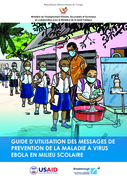
La récurrence des épidémies de la maladie à virus Ebola constitue un problème important de santé publique pour la République Démocratique du Congo. Cette situation épidémique qui sévit dans les communautés concerne toutes les couches de la population y compris dans la communauté scolair
...
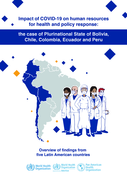
The overview of findings from five Latin American countries

The COVID-19 pandemic has raised profound ethical challenges on an unprecedented global scale. These challenges include how to allocate scarce resources (especially vaccines and therapeutics), both within and between countries, whether and when to mandate vaccines and/or masks, whether and how to co
...

access free courses in more than 60 languages


Independent Monitoring Board of the Global Polio Eradication Initiative (Twelfth Report: October 2015)
The Active Learning Package is designed to provide methodology, substantive support and practical instruction for the training of health personnel in Health as Bridge for Peace issues. https://www.who.int/hac/techguidance/hbp/active_training_package/en/index5.html
Rapport de mission : 25–29 septembre, 2017
The two-year impact report for the Access to COVID-19 Tools (ACT) Accelerator details impact, case studies and timelines of key milestones for the Diagnostics, Therapeutics and Vaccines pillars, as well as the Health Systems and Response Connector.

Временные рекомендации8 января 2021 г
Временное руководство23 декабря 2020 г.

(Last Update: July 2022)

As a result of Russia’s invasion of Ukraine, the people of Ukraine, especially the most vulnerable, are paying an enormous price. Lives and livelihoods are being lost, with more than ten million people forced from their homes— and their country—in search of safety. The war has unleashed catast
...

Cancer
recommended
This volume presents the complex patterns of cancer incidence and death around the world and evidence on effective and cost-effective ways to control cancers. The Disease Control Priorities Volume 3 evaluation of cancer will indicate where cancer treatment is ineffective and wasteful, and offer alte
...

Risk Communication and Community Engagement (RCCE) is an essential part of any disease outbreak response. Risk communication in the context of an Ebola outbreak refers to real time exchange of information, opinion and advice between frontline responders and people who are faced with the threat of Eb
...
Orientations provisoires, 2 février 2021
e document est une mise à jour des orientations provisoires de l’Organisation mondiale de la Santé (OMS) intitulées Coronavirus disease (COVID-19) outbreak: rights, roles and responsibilities of health workers, including key considerations
...
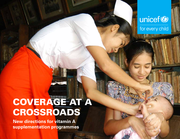
In where under-five mortality is high and vitamin A deficiency is a public health problem, two high-dose supplements of vitamin A per year, spaced four to six months apart, can strengthen children’s immune systems and improve their chances of survival.
During much of early childhood – from ...
During much of early childhood – from ...
