
Filter
2806
Text search:
Disability
Assessment
Featured
286
667
Language
2730
62
56
52
30
18
16
12
9
6
5
5
4
4
4
4
4
4
3
3
3
3
3
3
3
3
3
3
2
2
2
2
2
2
2
2
2
2
2
2
2
2
1
1
1
1
1
1
1
1
1
1
Document type
1617
449
331
189
124
45
23
18
6
2
1
1
Countries
148
125
65
63
57
53
52
50
49
46
45
41
40
39
38
33
33
29
29
27
27
27
26
22
21
20
19
18
17
15
13
12
12
12
12
11
11
10
10
9
8
8
7
7
7
7
7
7
7
7
6
6
6
6
5
5
5
5
5
5
5
5
4
4
4
3
3
3
3
3
3
2
2
2
2
2
2
2
2
2
2
2
2
2
2
2
2
1
1
1
1
1
1
1
1
1
1
1
1
1
1
1
1
1
1
1
1
1
1
1
1
1
1
1
1
1
1
1
Authors & Publishers
393
145
96
88
81
71
58
40
39
36
23
22
22
20
18
16
14
13
12
12
12
12
11
11
11
10
10
10
10
10
10
9
9
9
9
8
8
8
8
8
8
8
7
7
7
7
7
7
7
6
6
6
6
6
6
6
6
6
6
6
6
6
6
6
6
6
6
6
6
5
5
5
5
5
5
5
5
5
5
5
5
5
5
5
4
4
4
4
4
4
4
4
4
4
4
4
4
4
4
4
4
4
4
4
4
4
4
4
4
4
4
4
4
3
3
3
3
3
3
3
3
3
3
3
3
3
3
3
3
3
3
3
3
3
3
3
3
3
3
3
3
3
3
3
3
3
3
3
3
3
3
3
3
3
3
3
3
3
3
3
3
3
3
3
3
3
3
3
2
2
2
2
2
2
2
2
2
2
2
2
2
2
2
2
2
2
2
2
2
2
2
2
2
2
2
2
2
2
2
2
2
2
2
2
2
2
2
2
2
2
2
2
2
2
2
2
2
2
2
2
2
2
2
2
2
2
2
2
2
2
2
2
2
2
2
2
2
2
2
2
2
2
2
2
2
2
2
2
2
2
2
2
2
2
2
2
2
2
2
2
2
2
2
2
2
2
2
2
2
2
2
2
2
2
2
2
2
2
2
2
2
2
2
2
2
2
2
2
2
2
2
2
2
2
2
2
2
2
2
2
2
2
2
2
2
2
2
2
1
1
1
1
1
1
1
1
1
1
1
1
1
1
1
1
1
1
1
1
1
1
1
1
1
1
1
1
1
1
1
1
1
1
1
1
1
1
1
1
1
1
1
1
1
1
1
1
1
1
1
1
1
1
1
1
1
1
1
1
1
1
1
1
1
1
1
1
1
1
1
1
1
1
1
1
1
1
1
1
1
1
1
1
1
1
1
1
1
1
1
1
1
1
1
1
1
1
1
1
1
1
1
1
1
1
1
1
1
1
1
1
1
1
1
1
1
1
1
1
1
1
1
1
1
1
1
1
1
1
1
1
1
1
1
1
1
1
1
1
1
1
1
1
1
1
1
1
1
1
1
1
1
1
1
1
1
1
1
1
1
1
1
1
1
1
1
1
1
1
1
1
1
1
1
1
1
1
1
1
1
1
1
1
1
1
1
1
1
1
1
1
1
1
1
1
1
1
1
1
1
1
1
1
1
1
1
1
1
1
1
1
1
1
1
1
1
1
1
1
1
1
1
1
1
1
1
1
1
1
1
1
1
1
1
1
1
1
1
1
1
1
1
1
1
1
1
1
1
1
1
1
1
1
1
1
1
1
1
1
1
1
1
1
1
1
1
1
1
1
1
1
1
1
1
1
1
1
1
1
1
1
1
1
1
1
1
1
1
1
1
1
1
1
1
1
1
1
1
1
1
1
1
1
1
1
1
1
1
1
1
1
1
1
1
1
1
1
1
1
1
1
1
1
1
1
1
1
1
1
1
1
1
1
1
1
1
1
1
1
1
1
1
1
1
1
1
1
1
1
1
1
1
1
1
1
1
1
1
1
1
1
1
1
1
1
1
1
1
1
1
1
1
1
1
1
1
1
1
1
1
1
1
1
1
1
1
1
1
1
1
1
1
1
1
1
1
1
1
1
1
1
1
1
1
1
1
1
1
1
1
1
1
1
1
1
1
1
1
1
1
1
1
1
1
1
1
1
1
1
1
1
1
1
1
1
1
1
1
1
1
1
1
1
1
1
1
1
1
1
1
1
1
1
1
1
1
1
1
1
1
1
1
1
1
1
1
1
1
1
1
1
1
1
1
1
1
1
1
1
1
1
1
1
1
1
1
1
1
1
1
1
1
1
1
1
1
1
1
1
1
1
1
1
1
1
1
1
1
1
1
1
1
1
1
1
1
1
1
1
1
1
1
1
1
1
1
1
1
1
1
1
1
1
1
1
1
1
1
1
1
1
1
1
1
1
1
1
1
1
1
1
1
1
1
1
1
1
1
1
1
1
1
1
1
1
1
1
1
1
1
1
1
1
1
1
1
1
1
1
1
1
1
1
1
1
1
1
1
1
1
1
1
1
1
1
1
1
1
1
1
1
1
1
1
1
1
1
1
1
1
1
1
1
1
1
1
1
1
1
1
1
1
1
1
1
1
1
1
1
1
1
1
1
1
1
1
1
1
1
1
1
1
1
1
1
1
1
1
1
1
1
1
1
1
1
1
1
1
1
1
1
1
1
1
1
1
1
1
1
1
1
1
1
1
1
1
1
1
1
1
1
1
1
1
1
1
1
1
1
1
1
1
1
1
1
1
1
1
1
1
1
1
1
1
1
1
1
1
1
1
1
1
1
1
1
1
1
1
1
1
1
1
1
1
1
1
1
1
1
1
1
1
1
1
1
1
1
1
1
1
1
1
1
1
1
1
1
1
1
1
1
1
1
1
1
1
1
1
1
1
1
1
1
1
1
1
1
1
1
1
1
1
1
1
1
1
1
1
1
1
1
1
1
1
1
1
1
1
1
1
1
1
1
1
1
1
1
1
1
1
1
1
1
1
1
1
1
1
1
1
1
1
1
1
1
1
1
1
1
1
1
1
1
1
1
1
1
1
1
1
1
1
1
1
1
1
1
1
1
1
1
1
1
1
1
1
1
1
1
1
1
1
1
1
1
1
1
1
1
1
1
1
1
1
1
1
1
1
1
1
1
1
1
1
1
1
1
1
1
1
1
1
1
1
1
1
1
1
1
1
1
1
1
1
1
1
1
1
1
1
1
1
1
1
1
1
1
1
1
1
1
1
1
1
1
1
1
1
1
1
1
1
1
1
1
1
1
1
1
1
1
1
1
1
1
1
1
1
1
1
1
1
1
1
1
1
1
1
1
1
1
1
1
1
1
1
1
1
1
1
1
1
1
1
1
1
1
1
1
1
1
1
1
1
1
1
1
1
1
1
1
1
1
1
1
1
1
1
1
1
1
1
1
1
1
1
1
1
1
1
1
1
1
1
1
1
1
1
1
1
1
1
1
1
1
1
1
1
1
1
1
1
1
1
1
1
1
1
1
1
1
1
1
1
1
1
1
1
1
1
1
1
1
1
1
1
1
1
1
1
1
1
1
1
1
1
1
1
1
1
1
1
1
1
1
1
1
1
1
1
1
1
1
1
1
1
1
1
1
1
1
1
1
1
1
1
1
1
1
1
1
1
1
1
1
1
1
1
1
1
1
1
1
1
1
1
1
1
1
1
1
1
1
1
1
1
1
1
1
1
1
1
1
1
1
1
1
1
1
1
1
1
1
1
1
1
1
1
1
1
1
1
1
1
1
1
1
1
1
1
1
1
1
1
1
1
1
1
1
1
1
1
1
1
1
1
1
1
1
1
1
1
1
1
1
1
1
1
1
1
1
1
1
1
1
1
1
1
1
1
1
1
1
1
1
1
1
1
1
1
1
1
1
1
1
1
1
1
1
1
1
1
1
1
1
1
1
1
1
1
1
1
1
1
1
1
1
1
1
1
1
1
1
1
1
1
1
1
1
1
1
1
1
1
1
1
1
1
1
1
1
1
1
1
1
1
1
1
1
1
1
1
1
1
1
1
1
1
1
1
1
1
1
1
1
1
1
1
1
1
1
1
1
1
1
1
1
1
1
1
1
1
1
1
1
1
1
1
1
1
1
1
1
1
1
1
1
1
1
1
1
1
1
1
1
1
1
1
1
1
1
1
1
1
1
1
1
1
1
1
1
1
1
1
1
1
1
1
1
1
1
1
1
1
1
1
1
1
1
1
1
1
1
1
1
1
1
1
1
1
1
1
1
1
1
1
1
1
1
1
1
1
1
1
1
1
1
1
1
1
1
1
1
1
1
1
1
1
1
1
1
1
1
1
1
1
1
1
1
1
1
1
1
1
1
1
1
1
1
1
1
1
1
1
1
1
1
1
1
1
1
1
1
1
1
1
1
1
1
1
1
1
1
1
1
1
1
1
1
1
1
1
1
1
1
1
1
1
1
1
1
1
1
1
1
1
1
1
1
1
1
1
1
1
1
1
1
1
1
1
1
1
1
1
1
1
1
1
1
1
1
1
1
1
1
1
1
1
1
1
1
1
1
1
1
1
1
1
1
1
1
1
1
1
1
1
1
1
1
1
1
1
1
1
1
1
1
1
1
1
1
1
1
1
1
1
1
1
1
1
1
1
1
1
1
1
1
1
1
1
1
1
1
1
1
1
1
1
1
1
1
1
1
1
1
1
1
1
1
1
1
1
1
1
1
1
1
1
1
1
1
1
1
1
1
1
1
1
1
1
1
1
1
1
1
1
1
1
1
1
1
1
1
1
1
1
1
1
1
1
1
1
1
1
1
1
1
1
1
1
1
1
1
1
1
1
1
1
1
1
1
1
1
1
1
1
1
1
1
1
1
1
1
1
1
1
1
1
1
1
1
1
1
1
1
1
1
1
1
1
1
1
1
1
1
1
1
1
1
1
1
1
1
1
1
1
1
1
1
1
1
1
1
1
1
1
1
1
1
1
1
1
1
1
1
1
1
1
1
1
1
1
1
1
1
1
1
1
1
1
1
1
1
1
1
1
1
1
1
1
1
1
1
1
1
1
1
1
1
1
1
1
1
1
1
1
1
1
1
1
1
1
1
1
1
1
1
1
1
1
1
1
1
1
1
1
1
1
1
1
1
1
1
1
1
1
1
1
1
1
1
1
1
1
1
1
1
1
1
1
1
1
1
1
1
1
1
1
1
1
1
1
1
1
1
1
1
1
1
1
1
1
1
1
1
1
1
1
1
1
1
1
1
1
1
1
1
1
1
1
1
1
1
1
1
1
1
1
1
1
1
1
1
1
1
1
1
1
1
1
1
1
1
1
1
1
1
1
1
1
1
1
1
1
1
1
1
1
1
1
1
1
1
1
1
1
1
1
1
1
1
1
1
1
1
1
1
1
1
1
1
1
1
1
1
1
1
1
1
1
1
1
1
1
1
1
1
1
1
1
1
1
1
1
1
1
1
1
1
1
1
1
1
1
1
1
1
1
1
1
1
1
1
1
1
1
1
1
1
1
1
1
1
1
1
1
1
1
1
1
1
1
1
1
1
1
1
1
1
1
1
1
1
1
1
1
1
1
1
1
1
1
1
1
1
1
1
1
1
1
1
1
1
1
1
1
1
1
1
1
1
1
1
1
1
1
1
1
1
1
1
1
1
1
1
1
1
1
1
1
1
1
1
1
1
1
1
1
1
1
1
Publication Years
1
781
1762
252
10
Category
947
226
210
187
183
47
11
Toolboxes
434
362
146
126
107
92
89
80
67
63
55
46
39
32
25
23
23
21
14
13
13
10
4
3
2
1

The Global Action Plan for the Prevention and Control of Noncommunicable Diseases 2013-2020 by the World Health Organization (WHO) outlines a comprehensive strategy to address the global rise in noncommunicable diseases (NCDs), including cardiovascular diseases, cancer, chronic respiratory diseases,
...
and diabetes.
more

Chronic kidney disease (CKD) is an important contributor to mortality from noncommunicable diseases. No decrease has been seen for CKD mortality contrary to many other important non-communicable diseases (e.g., cardiovascular disease). The prevalence of CKD and kidney failure are increasing all over
...
the world – and thereby also the need for dialysis. Unfortunately, the prevalence increases most rapidly in lowand middle-income countries. Globally, there are great inequities in access and quality of management of kidney failure. Many low- and middle-income countries cannot meet the increased need for dialysis. If the patients receive dialysis, it might only be for a limited period due to the out-of-pocket expenses. There are global disparities in CKD mortality reflecting the disparities in access to care. Lack of access to dialysis is an important cause of the increased CKD mortality in low- and middle-income countries.
more

Public health emergencies, including pandemics, highlight the need for health systems and services that are prepared, resilient and ready to respond to health security threats. Endorsed by Member States in 2023, the Asia Pacific Health Security Action Framework (APHSAF) is designed to engage m
...
ultisectoral actors in health security, and to reflect the complex nature of current and future public health emergencies. The Framework presents six interconnected, multisectoral domains of work that together form a comprehensive, multi-hazard health security system — emphasizing the One Health approach. The Framework also supports progress towards the Sustainable Development Goals and universal health coverage while meeting the responsibilities and obligations of the International Health Regulations (2005).
more
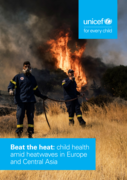
Beat the heat: child health amid heatwaves in Europe and Central Asia finds that half of these children died from heat-related illnesses in their first year of life. Most children died during the summer months.
"Around half of children across Europe and Central Asia – or 92 million children –
...
are already exposed to frequent heatwaves in a region where temperatures are rising at the fastest rate globally. The increasingly high temperatures can have serious health complications for children, especially the youngest children, even in a short space of time. Without care, these complications can be life-threatening,” said Regina De Dominicis UNICEF Regional Director for Europe and Central Asia.
Heat exposure has acute effects on children, even before they are born, and can result in pre-term births, low birth weight, stillbirth, and congenital anomalies. Heat stress is a direct cause of infant mortality, can affect infant growth and cause a range of paediatric diseases. The report also notes that extreme heat caused the loss of more than 32,000 years of healthy life among children and teenagers in the region.
As the temperatures continue to rise, UNICEF urges governments across Europe and Central Asia to:
- Integrate strategies to reduce the impact of heatwaves including through National Determined Contributions (NDC), National Adaptation Plans (NAP), and disaster risk reduction and disaster management policies with children at the centre of these plans
Invest in heat health action plans and primary health care to more adequately support heat-related illness among children
- Invest in early warning systems, including heat alert systems
- Adapt education facilities to reduce the temperatures in the areas children play in and equip teachers with skills to respond to heat stress
- Adapt urban design and infrastructure including ensuring buildings, particularly those housing the most vulnerable communities are equipped to minimize heat exposure
- Secure the provision of safe water, particularly in countries with deteriorating water quality and availability.
UNICEF works with governments, partners and communities across the region to build resilience against heatwaves. This includes equipping teachers, community health workers and families with the skills and knowledge to respond to heat stress.
more

Providing quality, stigma-free services is essential to equitable health care for all and achieving global HIV goals and broader Sustainable Development Goals related to health. Every person has the right to the highest attainable standard of physical and mental health. Countries have a legal obliga
...
tion to develop and implement legislation and policies that guarantee universal access to quality health services and address the root causes of health disparities, including poverty, stigma and discrimination.
The health sector is uniquely placed to lead in addressing inequity, assuring safe personcentred care for everyone and improving social determinants of health by overcoming taboos and discriminatory or stigmatizing behaviours associated with HIV, viral hepatitis and sexually transmitted infections (STIs). Improving health care quality and reducing stigma work together to enhance health outcomes for people living with HIV. Together, they make health care services more accessible, trustworthy and supportive. This encourages early diagnosis, consistent treatment and improved mental well-being. Thus, people living with HIV are more likely to engage with and benefit from health care services, leading to improved overall health.
more
Several challenges face asthma management in Egypt, including the high percentage of uncontrolled patients, inadequate compliance, and overuse of short-acting beta-agonists (SABAs) leading to increased asthma-related morbidity and mortality. In this regard, the recent Global Initiative for Asthma (G
...
INA) recommendations included inhaled corticosteroids containing therapy for mild asthma. Local healthcare systems and healthcare professionals (HCPs) often experience practical challenges when implementing global guidelines.
more
Asthma prevalence is increasing worldwide and surveys indicate that the majority of patients in developed and developing countries do not receive optimal care and are therefore not well controlled. The aim of these guidelines is to promote a better standard of treatment based on advances in the unde
...
rstanding of the pathophysiology and pharmacotherapy of asthma and to encourage uniformity in the management of asthma.
more

Childhood Respiratory Diseases & the Environment learning objectives
•To understand how the respiratory tract is affected by the environment
•To describe respiratory diseases linked to the environment
•To list one population-level intervention and one personal-level intervention for d
...
ecreasing risk of respiratory diseases
more

This report provides an overview of the operations and activities of the WHO Country Office in Ukraine in 2023. Despite the acute health impacts of the war in Ukraine, the Country Office continued its work according to its core mandate. WHO supported the Government of Ukraine in managing the health
...
emergency and pursued existing priorities set out in WHO’s Thirteenth General Programme of Work 2019–2023, the European Programme of Work 2020–2025, and the Biennial Collaborative Agreement 2022–2023 signed with the Government of Ukraine. The report presents the achievements of the WHO Country Office in Ukraine in 2023 in the context of the war’s impact on the lives, health, and well-being of Ukrainians.
more

As our world changes, so too does the burden of disease. Globalisation, evolving trade and consumption patterns, and increased access to life-saving medical care are just some of the factors that have transformed the global health landscape.

The Guidance on global monitoring for diabetes prevention and control by WHO provides a comprehensive framework to support countries in tracking and managing diabetes prevention, care, and outcomes. This document outlines indicators across 4 domains: health system determinants, service delivery, ris
...
k factors, and outcomes/impacts. The guidance helps countries align their monitoring efforts with WHO’s global diabetes targets, Global Diabetes Compact, and relevant global NCD targets.
more
This brief highlights the urgency of addressing gender inequalities across the Rio Conventions, provides examples of where progress has been made, and identifies clear entry points for addressing gender equality considerations across the Conventions. It makes recommendations for actions to accelerat
...
e the synergistic implementation of the gender provisions and action plans of the Conventions.
more

Caring for burns patients from the incident scene to definitive treatment can be a complex, resource-consuming process with the potential to overwhelm health system capacity.This document provides practical guidance for building capacity and capability for burns care from clinical, human resources a
...
nd operational perspectives. It is therefore recommended that guidance in this document be applied to any contexts in which the local health system might struggle to cope and require surge support.
more

The Ministry of Education, Arts and Culture (MoEAC) has been implementing the Integrated School Health Programme in various forms since before the country attained political independence in 1990. School health goes beyond the physical health of the learner, in that it includes the holistic wellbeing
...
of the individual learner, meaning that the school environment should be safe and conducive to learning. The National Safe Schools Framework (NSSF) is an exciting dimension of the Integrated School Health Programme. The Programme focuses on promoting the health, safety and wellbeing of learners and other school stakeholders in Namibia, and the NSSF was developed to provide practical guidance to the schools and school stakeholders on how to systematically improve the standards of school safety, and how to develop a culture of care in any school.
more
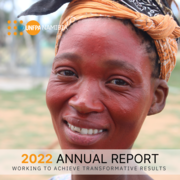
Access to safe and voluntary family planning is an inalienable human right that
cannot be denied. In 2022, UNFPA continued to work with Government and partners
to make this a reality in Namibia by providing strategic support to the national family
planning programme and ensuring universal access
...
to quality services for all.
more

Stigma and discrimination related to mental health conditions are widespread and harmful. Reducing stigma and discrimination can benefit families, societies and economies – it can save lives. The toolkit offers practical guidance on how to achieve this, based on three core evidence-based principle
...
s: leadership or co-leadership by people with lived experience, social contact, and inclusive partnerships. These 3 principles can be realized using a four-step process: identify and define aims, plan and prepare, launch and learn and reflect and proceed. Twelve case studies from all across the world are provided to demystify the process. Stigma and discrimination can be ended if each of us acts as one using the principles in this toolkit.
more
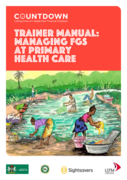
This trainer toolkit is a guide for Neglected Tropical Diseases (NTD) program implementers in Nigeria to train primary health care health workers to diagnose and provide care for women and girls with symptoms of female genital schistosomiasis (FGS). It has been developed based on a pilot study in
...
Ogun State where 22 health facilities were trained on using the FGS tools. The trainer guide should be used alongside the ‘Health Worker Training Guide for managing FGS within primary health care’. Trainers should familiarise themselves with this manual before the training to ensure that all aspects of the training are conducted effectively.
more

PLOS Glob Public Health 4(12): e0004035. https://doi. org/10.1371/journal.pgph.0004035.
A new formulation of praziquantel, arpraziquantel (arPZQ), has been developed for preschool-
aged children (PSAC) to fill the treatment gap for this age group in schistosomiasis control and
elimination program
...
s. There is now a priority to ensure that the drug reaches all at-risk PSAC
in endemic areas, including hard-to-reach areas and populations. This study aimed to deter-
mine schistosomiasis treatment-related contextual factors among fishermen and island popu-
lations in Homa Bay County, Kenya, and to identify a suitable platform to deliver arPZQ.
more
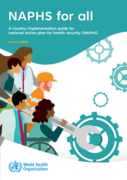
Lessons learned from recent public health events such as the COVID-19 pandemic, Ebola virus disease, Zika virus disease outbreaks, and other public health threats, including earthquakes and floods, have highlighted the need for countries to continuously develop, strengthen, and maintain capacities r
...
equired under the International Health Regulations (2005) (IHR (2005)).
Developing capacities for health security in a country requires the engagement of public and private entities across a broad range of sectors, including human and animal health, agriculture, environment, finance, security, emergency management, education, and transportation. The World Health Organization (WHO) is mandated through various resolutions, decisions, and reports of the World Health Assembly, and through the IHR (2005), to provide technical guidance and support to its Member States in developing, strengthening, and maintaining their health systems, including capacities required under the IHR (2005).
For countries to better prevent, prepare for, detect, notify, respond to, and recover from public health emergencies, they must build and maintain IHR core capacities and support the strengthening of health emergency prevention, preparedness, response, and resilience (HEPR) capacities. National Action Plans for Health Security (NAPHS), as capacity development plans, provide the tasks and resources needed to ensure adequate capacities are in place to prevent, detect, respond to, and recover from public health events in a sustainable manner. Investing in the resilience of these capacities within national health systems at national and local levels not only improves national health security but also helps safeguard economic, social, and political developments.
more
WHO guidelines on meningitis diagnosis, treatment and care. Web Annex C. Evidence-to-Decision frameworks
recommended
The guidelines are primarily intended for health-care professionals working in first- or second-level health-care facilities, including emergency, inpatient and outpatient services. They are also directed at policy-makers, health-care planners and programme managers, academic institutions, non-gover
...
nmental and civil society organizations to inform capacity-building, teaching and research agendas.
Web annex A provides the quantitative evidence reports, Web annex B summarizes the qualitative and economic evidence and Web annex C presents the Evidence-to-Decision frameworks.
more
