
Filter
3708
Text search:
clinical
aspects
Featured
437
817
Language
3480
203
109
61
54
31
26
11
5
4
4
3
3
3
3
3
2
2
2
1
1
1
1
1
1
1
1
1
1
1
1
1
1
1
1
1
1
1
Document type
1850
632
584
300
140
92
55
16
16
11
7
2
2
Countries
225
144
110
110
78
72
70
66
57
55
54
52
50
48
46
44
35
33
32
29
28
28
26
24
22
21
21
20
19
18
18
17
16
15
15
15
14
14
13
13
12
12
11
10
9
9
9
8
8
8
8
7
7
7
7
7
6
6
6
6
6
5
5
5
5
4
4
4
4
4
4
3
3
3
3
3
3
3
3
3
3
2
2
2
2
2
2
2
2
2
2
2
2
2
2
2
2
2
1
1
1
1
1
1
1
1
1
1
1
1
1
1
1
1
1
1
1
1
1
1
1
1
Authors & Publishers
638
182
131
97
85
82
78
51
45
44
31
28
27
24
24
24
18
18
18
17
16
16
16
15
15
15
14
14
14
13
13
13
13
12
11
11
11
11
10
10
10
10
10
10
9
9
9
9
9
9
8
8
8
8
8
8
8
8
8
8
8
8
7
7
7
7
7
6
6
6
6
6
6
6
6
6
6
6
6
6
6
6
6
6
6
5
5
5
5
5
5
5
5
5
5
5
5
5
5
5
5
5
5
4
4
4
4
4
4
4
4
4
4
4
4
4
4
4
4
4
4
4
4
4
4
4
4
4
4
4
4
4
4
4
4
4
4
4
4
4
4
4
4
4
4
4
3
3
3
3
3
3
3
3
3
3
3
3
3
3
3
3
3
3
3
3
3
3
3
3
3
3
3
3
3
3
3
3
3
3
3
3
3
3
3
3
3
3
3
3
3
3
3
3
3
3
3
3
3
3
3
3
3
3
3
3
3
3
3
3
3
3
3
3
3
3
3
3
3
2
2
2
2
2
2
2
2
2
2
2
2
2
2
2
2
2
2
2
2
2
2
2
2
2
2
2
2
2
2
2
2
2
2
2
2
2
2
2
2
2
2
2
2
2
2
2
2
2
2
2
2
2
2
2
2
2
2
2
2
2
2
2
2
2
2
2
2
2
2
2
2
2
2
2
2
2
2
2
2
2
2
2
2
2
2
2
2
2
2
2
2
2
2
2
2
2
2
2
2
2
2
2
2
2
2
2
2
2
2
2
2
2
2
2
2
2
2
2
2
2
2
2
2
2
2
2
2
2
2
2
2
2
2
2
2
2
2
2
2
2
2
2
2
2
2
2
2
2
2
2
2
2
2
2
2
2
2
2
2
2
2
2
2
2
2
2
2
2
2
2
2
2
2
2
2
2
2
2
2
2
2
2
2
2
2
2
2
2
2
2
2
2
2
2
2
2
2
2
1
1
1
1
1
1
1
1
1
1
1
1
1
1
1
1
1
1
1
1
1
1
1
1
1
1
1
1
1
1
1
1
1
1
1
1
1
1
1
1
1
1
1
1
1
1
1
1
1
1
1
1
1
1
1
1
1
1
1
1
1
1
1
1
1
1
1
1
1
1
1
1
1
1
1
1
1
1
1
1
1
1
1
1
1
1
1
1
1
1
1
1
1
1
1
1
1
1
1
1
1
1
1
1
1
1
1
1
1
1
1
1
1
1
1
1
1
1
1
1
1
1
1
1
1
1
1
1
1
1
1
1
1
1
1
1
1
1
1
1
1
1
1
1
1
1
1
1
1
1
1
1
1
1
1
1
1
1
1
1
1
1
1
1
1
1
1
1
1
1
1
1
1
1
1
1
1
1
1
1
1
1
1
1
1
1
1
1
1
1
1
1
1
1
1
1
1
1
1
1
1
1
1
1
1
1
1
1
1
1
1
1
1
1
1
1
1
1
1
1
1
1
1
1
1
1
1
1
1
1
1
1
1
1
1
1
1
1
1
1
1
1
1
1
1
1
1
1
1
1
1
1
1
1
1
1
1
1
1
1
1
1
1
1
1
1
1
1
1
1
1
1
1
1
1
1
1
1
1
1
1
1
1
1
1
1
1
1
1
1
1
1
1
1
1
1
1
1
1
1
1
1
1
1
1
1
1
1
1
1
1
1
1
1
1
1
1
1
1
1
1
1
1
1
1
1
1
1
1
1
1
1
1
1
1
1
1
1
1
1
1
1
1
1
1
1
1
1
1
1
1
1
1
1
1
1
1
1
1
1
1
1
1
1
1
1
1
1
1
1
1
1
1
1
1
1
1
1
1
1
1
1
1
1
1
1
1
1
1
1
1
1
1
1
1
1
1
1
1
1
1
1
1
1
1
1
1
1
1
1
1
1
1
1
1
1
1
1
1
1
1
1
1
1
1
1
1
1
1
1
1
1
1
1
1
1
1
1
1
1
1
1
1
1
1
1
1
1
1
1
1
1
1
1
1
1
1
1
1
1
1
1
1
1
1
1
1
1
1
1
1
1
1
1
1
1
1
1
1
1
1
1
1
1
1
1
1
1
1
1
1
1
1
1
1
1
1
1
1
1
1
1
1
1
1
1
1
1
1
1
1
1
1
1
1
1
1
1
1
1
1
1
1
1
1
1
1
1
1
1
1
1
1
1
1
1
1
1
1
1
1
1
1
1
1
1
1
1
1
1
1
1
1
1
1
1
1
1
1
1
1
1
1
1
1
1
1
1
1
1
1
1
1
1
1
1
1
1
1
1
1
1
1
1
1
1
1
1
1
1
1
1
1
1
1
1
1
1
1
1
1
1
1
1
1
1
1
1
1
1
1
1
1
1
1
1
1
1
1
1
1
1
1
1
1
1
1
1
1
1
1
1
1
1
1
1
1
1
1
1
1
1
1
1
1
1
1
1
1
1
1
1
1
1
1
1
1
1
1
1
1
1
1
1
1
1
1
1
1
1
1
1
1
1
1
1
1
1
1
1
1
1
1
1
1
1
1
1
1
1
1
1
1
1
1
1
1
1
1
1
1
1
1
1
1
1
1
1
1
1
1
1
1
1
1
1
1
1
1
1
1
1
1
1
1
1
1
1
1
1
1
1
1
1
1
1
1
1
1
1
1
1
1
1
1
1
1
1
1
1
1
1
1
1
1
1
1
1
1
1
1
1
1
1
1
1
1
1
1
1
1
1
1
1
1
1
1
1
1
1
1
1
1
1
1
1
1
1
1
1
1
1
1
1
1
1
1
1
1
1
1
1
1
1
1
1
1
1
1
1
1
1
1
1
1
1
1
1
1
1
1
1
1
1
1
1
1
1
1
1
1
1
1
1
1
1
1
1
1
1
1
1
1
1
1
1
1
1
1
1
1
1
1
1
1
1
1
1
1
1
1
1
1
1
1
1
1
1
1
1
1
1
1
1
1
1
1
1
1
1
1
1
1
1
1
1
1
1
1
1
1
1
1
1
1
1
1
1
1
1
1
1
1
1
1
1
1
1
1
1
1
1
1
1
1
1
1
1
1
1
1
1
1
1
1
1
1
1
1
1
1
1
1
1
1
1
1
1
1
1
1
1
1
1
1
1
1
1
1
1
1
1
1
1
1
1
1
1
1
1
1
1
1
1
1
1
1
1
1
1
1
1
1
1
1
1
1
1
1
1
1
1
1
1
1
1
1
1
1
1
1
1
1
1
1
1
1
1
1
1
1
1
1
1
1
1
1
1
1
1
1
1
1
1
1
1
1
1
1
1
1
1
1
1
1
1
1
1
1
1
1
1
1
1
1
1
1
1
1
1
1
1
1
1
1
1
1
1
1
1
1
1
1
1
1
1
1
1
1
1
1
1
1
1
1
1
1
1
1
1
1
1
1
1
1
1
1
1
1
1
1
1
1
1
1
1
1
1
1
1
1
1
1
1
1
1
1
1
1
1
1
1
1
1
1
1
1
1
1
1
1
1
1
1
1
1
1
1
1
1
1
1
1
1
1
1
1
1
1
1
1
1
1
1
1
1
1
1
1
1
1
1
1
1
1
1
1
1
1
1
1
1
1
1
1
1
1
1
1
1
1
1
1
1
1
1
1
1
1
1
1
1
1
1
1
1
1
1
1
1
1
1
1
1
1
1
1
1
1
1
1
1
1
1
1
1
1
1
1
1
1
1
1
1
1
1
1
1
1
1
1
1
1
1
1
1
1
1
1
1
1
1
1
1
1
1
1
1
1
1
1
1
1
1
1
1
1
1
1
1
1
1
1
1
1
1
1
1
1
1
1
1
1
1
1
1
1
1
1
1
1
1
1
1
1
1
1
1
1
1
1
1
1
1
1
1
1
1
1
1
1
1
1
1
1
1
1
1
1
1
1
1
1
1
1
1
1
1
1
1
1
1
1
1
1
1
1
1
1
1
1
1
1
1
1
1
1
1
1
1
1
1
1
1
1
1
1
1
1
1
1
1
1
1
1
1
1
1
1
1
1
1
1
1
1
1
1
1
1
1
1
1
1
1
1
1
1
1
1
1
1
1
1
1
1
1
1
1
1
1
1
1
1
1
1
1
1
1
1
1
1
1
1
1
1
1
1
1
1
1
1
1
1
1
1
1
1
1
1
1
1
1
1
1
1
1
1
1
1
1
1
1
1
1
1
1
1
1
1
1
1
1
1
1
1
1
1
1
1
1
1
1
1
1
1
1
1
1
1
1
1
1
1
1
1
1
1
1
1
1
1
1
1
1
1
1
1
1
1
1
1
1
1
1
1
1
1
1
1
1
1
1
1
1
1
1
1
1
1
1
1
1
1
1
1
1
1
1
1
1
1
1
1
1
1
1
1
1
1
1
1
1
1
1
1
1
1
1
1
1
1
1
1
1
1
1
1
1
1
1
1
1
1
1
1
1
1
1
1
1
1
1
1
1
1
1
1
1
1
1
1
1
1
1
1
1
1
1
1
1
1
1
1
1
1
1
1
1
1
1
1
1
1
1
1
1
1
1
1
1
1
1
1
1
1
1
1
1
1
1
1
1
1
1
1
1
1
1
1
1
1
1
1
1
1
1
1
1
1
1
1
1
1
1
1
1
1
1
1
1
1
1
1
1
1
1
1
1
1
1
1
1
1
1
1
1
1
1
1
1
1
1
1
1
1
1
1
1
1
1
1
1
1
1
1
1
1
1
1
1
1
1
1
1
1
1
1
1
1
1
1
1
1
1
1
1
1
1
1
1
1
1
1
1
1
1
1
1
1
1
1
1
1
1
1
1
1
1
1
1
1
1
1
1
1
1
1
1
1
1
1
1
1
1
1
1
1
1
1
1
1
1
1
1
1
1
1
1
1
1
1
1
1
1
1
1
1
1
1
1
1
1
1
1
1
1
1
1
1
1
1
1
1
1
1
1
1
1
1
1
1
1
1
1
1
1
1
1
1
1
1
1
1
1
1
1
1
1
1
1
1
1
1
1
1
1
1
1
1
1
1
1
1
1
1
1
1
1
1
1
1
1
1
1
1
1
1
1
1
1
1
1
1
1
1
1
1
1
1
1
1
1
1
1
1
1
1
1
1
1
1
1
1
1
1
1
1
1
1
1
1
1
1
1
1
1
1
1
1
1
1
1
1
1
1
1
1
1
1
1
1
1
1
1
1
1
1
1
1
1
1
1
1
1
1
1
1
1
1
1
1
1
1
1
1
1
1
1
1
1
1
1
1
1
1
1
1
1
1
1
1
1
1
1
1
1
1
1
1
1
1
1
1
1
1
1
1
1
1
1
1
1
1
1
1
1
1
1
1
1
1
1
1
1
1
1
1
1
1
1
1
1
1
1
1
1
1
1
1
1
1
1
1
1
1
1
1
1
1
1
1
1
1
1
1
1
1
1
1
1
1
1
1
1
1
1
1
1
1
1
1
1
1
1
1
1
1
1
1
1
1
1
1
1
1
1
1
1
1
1
1
1
1
1
1
1
1
1
1
1
1
1
1
1
1
1
1
1
1
1
1
1
1
1
1
1
1
1
1
1
1
1
1
1
1
1
1
1
1
1
1
1
1
1
1
1
1
1
1
1
1
1
1
1
1
1
1
1
1
1
1
1
1
1
1
1
1
1
1
1
1
1
1
1
1
1
1
1
1
1
1
1
1
1
1
1
1
1
1
1
1
1
1
1
1
1
1
1
1
1
1
1
1
1
1
1
1
1
1
1
1
1
1
1
1
1
1
1
1
1
1
1
1
1
1
1
1
1
1
1
1
1
1
1
1
1
1
1
1
1
1
1
1
1
1
1
1
1
1
1
1
1
1
1
1
1
1
1
1
1
1
1
1
1
1
1
1
1
1
1
1
1
1
1
1
1
1
1
1
1
1
1
1
1
1
1
1
1
1
1
1
1
1
1
1
1
1
1
1
1
1
1
1
1
1
1
1
1
1
1
1
1
1
1
1
1
1
1
1
1
1
1
1
1
1
1
1
1
1
1
1
1
1
1
1
1
1
1
1
1
1
1
1
1
1
1
1
1
1
1
1
1
1
1
1
1
1
1
1
1
1
1
1
1
1
1
1
1
1
1
1
1
1
1
1
1
1
1
1
1
1
1
1
1
1
1
1
1
1
1
1
1
1
1
1
1
1
1
1
1
1
1
1
1
1
1
1
1
1
1
1
1
1
1
1
1
1
1
1
1
1
1
1
1
1
1
1
1
1
1
1
1
1
1
1
1
1
1
1
1
1
1
1
1
1
1
1
1
1
1
1
1
1
1
1
1
1
1
1
1
1
1
1
1
1
1
1
1
1
1
1
1
1
1
1
1
1
1
1
1
1
1
1
1
1
1
1
1
1
1
1
1
1
1
1
1
1
1
1
1
1
1
1
1
1
1
1
1
1
1
1
1
1
1
1
1
1
1
1
1
1
1
1
1
1
1
1
1
1
1
1
1
1
1
1
1
1
1
1
1
1
1
1
1
1
1
1
1
1
1
1
1
1
1
1
1
1
1
1
1
1
1
1
1
1
1
1
1
1
1
1
1
1
1
1
1
1
1
1
1
1
1
1
1
1
1
1
1
1
1
1
1
1
1
1
1
1
1
1
1
1
1
1
1
1
1
1
1
1
1
1
1
1
1
1
1
1
1
1
1
1
1
1
1
1
1
1
1
1
1
1
1
1
1
1
1
1
1
1
1
1
1
1
1
1
1
1
1
1
1
1
1
1
1
1
1
1
1
1
1
1
1
1
1
1
1
1
1
1
1
1
1
1
1
1
Publication Years
1152
2158
373
23
2
Category
1245
354
231
218
193
108
59
3
Toolboxes
478
308
218
173
171
149
112
110
97
82
82
78
68
68
63
51
51
49
25
25
24
24
24
20
17
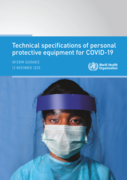
The document "Priority medical devices list for the COVID-19 response and associated technical specifications" complements this guideline.
This document provides interim guidance on the quality, performance characteristics and related standards of personal protective equipment (PPE) to be used i
...
n the context of COVID-19. This includes WHO Priority Medical Devices, specifically: surgical masks, non-surgical masks, gloves, googles, face shields, gowns and N95 masks. It is intended for procurement agencies, occupational health departments, infection prevention and control departments or focal points, health facility administrators, biomedical and materials engineering, PPE manufacturers and public health authorities at both national and facility levels.
more

The WHO country office for Ghana, began the year 2019 with a 4-day staff retreat at the Busua Beach Resort in the Western Region from 04 to 08 March 2019. The theme for the retreat was ‘Impacting the Health and Lives of the people of Ghana through the Triple Billion Goal”. The staff outlined pri
...
orities and strategies to strengthen WHO’s contribution to the national health agenda during the year. Working in collaboration with the Ministry of Health/Ghana Health Service and other allied health institutions and stakeholders, the WHO country office, provided support aimed at achieving its
mission which is attaining the highest level of health by the people in the country though its six operational areas which are (i) Communicable Diseases (ii) Non-Communicable Diseases, (iii) Promoting Health through the Life Course (iv), Health Systems, (v) Preparedness, Surveillance and Response (vi) Corporate services and enabling functions.
more
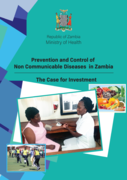
The Government of the Republic of Zambia has placed priority on ensuring that Zambians are healthy and productive as a catalyst to the attainment of socioeconomic development . The Vision 2030 aims to transform Zambia into a prosperous middle-income country as articulated also in the 7th National De
...
velop-ment Plan (7NDP) and National Health Strategic Plan 2017 – 2021 (NHSP 2017-2020). However, this aspiration is threatened by the double burden of Communicable and Non-Communicable Diseas¬es. Zambia has been recording an increase in morbidity and mortality due to Non-Communicable Diseases (NCDs) such as cancers, diabetes, chronic respiratory and cardiovascular diseases. According to the 2016 WHO NCD country profiles, 29% of all deaths in Zambia are attributed to NCDs. This is unacceptably high, considering that most of these diseases can be reduced by modifying four main behavioural risk factors for NCDs which are tobacco use, harmful use of alcohol, unhealthy diets and physical inactivity.
more

These WHO interim recommendations on the use of the Pfizer – BioNTech BNT162b2 vaccine against Covid-19 were developed on the basis of advice issued by the Strategic Advisory Group of Experts on Immunization (SAGE) and the evidence summary included in the background document referenced below.
fir
...
st issued 8 January 2021, updated 15 June 2021, updated 19 November 2021, updated 21 January 2022, updated 18 August 2022. Available in other languages https://apps.who.int/iris/handle/10665/361720
more
In fragile, conflict-affected and vulnerable settings, delivery of quality health services faces significant challenges, including disruption of a routine health service organization and delivery systems, increased health needs, complex and unpredictable resourcing issues, and vulnerability to multi
...
ple public health crises. Despite the difficulty of addressing quality in such settings, the necessity for action is acute, given the significant health needs of the populations in these environments and the increasing numbers of people for whom such settings are home.
This manual has been developed to provide a starting point for multi-actor efforts and actions to address quality of care in the most challenging settings. This includes practical approaches to action planning and implementation of a contextualised set of quality interventions.
more
nterim guidance, first issued 25 January 2021, updated 15 June 2021, updated 19 November 2021, updated 23 February 2022, updated 18 August 2022
Ces orientations se concentrent sur le SARS-CoV-2, mais s'appliquent également à d'autres agents pathogènes préoccupants pour la santé publique.
Interim guidance 2 February 2021 . Available in Arabic, Chinese, English, French, Ukranian, Russian
Health workers are at the front line of the COVID-19 outbreak response and as such are exposed to different hazards that put them at risk. Occupational hazards include exposure to SARS-CoV-2 and othe
...
r pathogens, violence, harassment, stigma, discrimination, heavy workload and prolonged use of personal protective equipment (PPE). This document provides specific measures to protect occupational health and safety of health workers and highlights the duties, rights and responsibilities for health and safety at work in the context of COVID-19.
more
An Action Framework and annexe to Immunization Agenda 2030 (Draft version)
27 January 2021
National Comprehensive Covid19 Management Handbook First Edition 2020
Ministry of Health, Federal Democratic Republic of Ethiopia
Ministry of Health, Federal Democratic Republic of Ethiopia
(2020)
C1
Cognizant of the need for standardization of the response for COVID-19, the Federal Ministry of Health prepared this national guideline in an effort to contain the epidemic before it overwhelms the health care facilities. This national guideline is expected to guide policy makers and h
...
ealth professionals at all level. A standardized approaches to will assist effective and efficient utilization of the limited resource of the country, minimizes dilemma and confusion on case management. To this effect, the FMOH has established National COVID-19 advisory committee. The committee members are from different specialties with very good experiences in disaster management and prevention and treatment of infectious disease epidemics. The input from the committee is used to make decisions at the national level about theepidemics in the weeks and months to come. The FMOH would like to acknowledge the members of the national advisory committee for their commitment and unreserved effort in finalizing the task in a very short period of time and advising the Ministry on various issues related to the epidemics at this critical time.
more

Assessment on Family Planning Needs of People Living with Disabilities: Case of Addis Ababa, Ethiopia
United States Agency for International Development USAID
United States Agency for International Development USAID
(2017)
C1
.This assessment was conducted using focus group discussion(FGD)with peopleliving with disabilities who were members of the Ethiopian National Association of the Deaf(Person with hearing impairment), Ethiopian National Association of the Deaf -Blind ( Person with hearing and visual impairment), Ethi
...
opian National Association of the Blind (Person with visual impairment), Ethiopian National Association of the Physically Handicapped (Person with physical impairment), Ethiopian National Association of Intellectual Disability (Person with intellectual disability). In total 152 people living with disabilities participated in the discussion groups.Results from the assessment were analysed based on themes and are presented by each group in the following report.
more
National Training on Antimalarial Pharmaceuticals Management Participants Manual
Federal Democratic Republic of Ethiopia -Ministry of Health
Federal Democratic Republic of Ethiopia -Ministry of Health
(2018)
C1

VOX Sanguinis, 2021:
The coronavirus disease 2019 (COVID-19) affected millions of people worldwide and caused disruptions at the global level including in healthcare provision. Countries of the WHO African region have put in place measures for the COVID-19 pandemic containment that may adversely a
...
ffect blood system activities and subsequently reduce the supply and demand of blood and blood components. This study aims to assess the impact of the COVID-19 pandemic on blood supply and demand in the WHO African Region and propose measures to address the challenges faced by countries.
more

According to WHO, around 22% of adults in conflict settings have mental health conditions.
This is almost triple to non-conflict settings. There is no generally accepted estimate for children but it is clear that children who are refugees, IDPs or who live in conflict settings have high levels of m
...
ental health issues.
more

1 February 2021 to 31 January 2022
WHO Living guideline: Drugs to prevent COVID-19
recommended
Interim guidance 2 march 2021
Current use of drugs to prevent COVID-19 is variable, reflecting large-scale uncertainty. Numerous randomized trials of many different drugs are underway to inform practice. This first version of the Drugs to prevent COVID-19: A WHO living guideline contains new inform
...
ation and a recommendation on hydroxychloroquine. It follows the publication of six trials synthesized in a living network meta-analysis (NMA).
more
Au cours de la dernière décennie, les données de séquençage génétique des agents pathogènes ont gagné en importance et contribuent désormais de façon déterminante à la détection et à la maîtrise des flambées de maladies infectieuses, en facilitant la mise au point de
...
produits de diagnostic, de médicaments et de vaccins et en guidant lesactivités de riposte aux flambées(1-11). L’émergence du nouveau coronavirus, par la suite désigné « coronavirus 2 du syndrome respiratoire aigu sévère » (SARS-CoV-2), a encore accentué l’importance des données de séquençage génétique.
more
