
Filter
2379
Text search:
treatment
success
rate
Featured
209
719
Language
2333
40
28
17
11
8
7
6
5
4
2
2
2
2
1
1
1
1
1
1
1
1
1
1
1
1
Document type
1416
395
247
117
102
40
34
21
3
1
1
1
1
Countries
122
90
80
69
64
63
62
61
56
53
52
50
49
46
41
36
36
36
34
33
30
28
23
22
21
21
21
19
18
18
18
18
16
15
14
13
12
12
12
11
11
10
9
9
8
8
8
7
6
6
6
5
5
4
4
4
4
3
3
3
3
3
3
3
3
3
3
3
3
3
3
3
2
2
2
2
2
1
1
1
1
1
1
1
1
1
1
1
1
1
1
1
1
1
1
1
1
1
1
1
1
1
1
1
1
1
1
1
1
1
1
1
1
1
1
1
1
1
1
1
1
1
1
1
Authors & Publishers
249
104
86
71
59
44
37
35
33
27
20
19
18
18
16
16
14
14
13
13
12
12
12
12
12
11
10
10
10
10
9
9
8
7
7
7
7
7
7
7
7
7
7
7
6
6
6
6
6
6
6
6
6
6
6
6
6
5
5
5
5
5
5
5
5
5
5
5
5
5
5
5
5
4
4
4
4
4
4
4
4
4
4
4
4
4
4
4
4
4
4
4
4
4
4
4
4
4
4
4
4
4
4
4
4
4
4
3
3
3
3
3
3
3
3
3
3
3
3
3
3
3
3
3
3
3
3
3
3
3
3
3
3
3
3
3
3
3
3
3
3
3
3
3
3
3
3
3
2
2
2
2
2
2
2
2
2
2
2
2
2
2
2
2
2
2
2
2
2
2
2
2
2
2
2
2
2
2
2
2
2
2
2
2
2
2
2
2
2
2
2
2
2
2
2
2
2
2
2
2
2
2
2
2
2
2
2
2
2
2
2
2
2
2
2
2
2
2
2
2
2
2
2
2
2
2
2
2
2
2
2
2
2
2
2
2
2
2
2
2
2
2
2
2
2
2
2
2
2
2
2
2
2
2
2
2
2
2
2
2
2
2
2
2
2
2
2
2
2
2
2
2
2
2
2
2
2
2
2
1
1
1
1
1
1
1
1
1
1
1
1
1
1
1
1
1
1
1
1
1
1
1
1
1
1
1
1
1
1
1
1
1
1
1
1
1
1
1
1
1
1
1
1
1
1
1
1
1
1
1
1
1
1
1
1
1
1
1
1
1
1
1
1
1
1
1
1
1
1
1
1
1
1
1
1
1
1
1
1
1
1
1
1
1
1
1
1
1
1
1
1
1
1
1
1
1
1
1
1
1
1
1
1
1
1
1
1
1
1
1
1
1
1
1
1
1
1
1
1
1
1
1
1
1
1
1
1
1
1
1
1
1
1
1
1
1
1
1
1
1
1
1
1
1
1
1
1
1
1
1
1
1
1
1
1
1
1
1
1
1
1
1
1
1
1
1
1
1
1
1
1
1
1
1
1
1
1
1
1
1
1
1
1
1
1
1
1
1
1
1
1
1
1
1
1
1
1
1
1
1
1
1
1
1
1
1
1
1
1
1
1
1
1
1
1
1
1
1
1
1
1
1
1
1
1
1
1
1
1
1
1
1
1
1
1
1
1
1
1
1
1
1
1
1
1
1
1
1
1
1
1
1
1
1
1
1
1
1
1
1
1
1
1
1
1
1
1
1
1
1
1
1
1
1
1
1
1
1
1
1
1
1
1
1
1
1
1
1
1
1
1
1
1
1
1
1
1
1
1
1
1
1
1
1
1
1
1
1
1
1
1
1
1
1
1
1
1
1
1
1
1
1
1
1
1
1
1
1
1
1
1
1
1
1
1
1
1
1
1
1
1
1
1
1
1
1
1
1
1
1
1
1
1
1
1
1
1
1
1
1
1
1
1
1
1
1
1
1
1
1
1
1
1
1
1
1
1
1
1
1
1
1
1
1
1
1
1
1
1
1
1
1
1
1
1
1
1
1
1
1
1
1
1
1
1
1
1
1
1
1
1
1
1
1
1
1
1
1
1
1
1
1
1
1
1
1
1
1
1
1
1
1
1
1
1
1
1
1
1
1
1
1
1
1
1
1
1
1
1
1
1
1
1
1
1
1
1
1
1
1
1
1
1
1
1
1
1
1
1
1
1
1
1
1
1
1
1
1
1
1
1
1
1
1
1
1
1
1
1
1
1
1
1
1
1
1
1
1
1
1
1
1
1
1
1
1
1
1
1
1
1
1
1
1
1
1
1
1
1
1
1
1
1
1
1
1
1
1
1
1
1
1
1
1
1
1
1
1
1
1
1
1
1
1
1
1
1
1
1
1
1
1
1
1
1
1
1
1
1
1
1
1
1
1
1
1
1
1
1
1
1
1
1
1
1
1
1
1
1
1
1
1
1
1
1
1
1
1
1
1
1
1
1
1
1
1
1
1
1
1
1
1
1
1
1
1
1
1
1
1
1
1
1
1
1
1
1
1
1
1
1
1
1
1
1
1
1
1
1
1
1
1
1
1
1
1
1
1
1
1
1
1
1
1
1
1
1
1
1
1
1
1
1
1
1
1
1
1
1
1
1
1
1
1
1
1
1
1
1
1
1
1
1
1
1
1
1
1
1
1
1
1
1
1
1
1
1
1
1
1
1
1
1
1
1
1
1
1
1
1
1
1
1
1
1
1
1
1
1
1
1
1
1
1
1
1
1
1
1
1
1
1
1
1
1
1
1
1
1
1
1
1
1
1
1
1
1
1
1
1
1
1
1
1
1
1
1
1
1
1
1
1
1
1
1
1
1
1
1
1
1
1
1
1
1
1
1
1
1
1
1
1
1
1
1
1
1
1
1
1
1
1
1
1
1
1
1
1
1
1
1
1
1
1
1
1
1
1
1
1
1
1
1
1
1
1
1
1
1
1
1
1
1
1
1
1
1
1
1
1
1
1
1
1
1
1
1
1
1
1
1
1
1
1
1
1
1
1
1
1
1
1
1
1
1
1
1
1
1
1
1
1
1
1
1
1
1
1
1
1
1
1
1
1
1
1
1
1
1
1
1
1
1
1
1
1
1
1
1
1
1
1
1
1
1
1
1
1
1
1
1
1
1
1
1
1
1
1
1
1
1
1
1
1
1
1
1
1
1
1
1
1
1
1
1
1
1
1
1
1
1
1
1
1
1
1
1
1
1
1
1
1
1
1
1
1
1
1
1
1
1
1
1
1
1
1
1
1
1
1
1
1
1
1
1
1
1
1
1
1
1
1
1
1
1
1
1
1
1
1
1
1
1
1
1
1
1
1
1
1
1
1
1
1
1
1
1
1
1
1
1
1
1
1
1
1
1
1
1
1
1
1
1
1
1
1
1
1
1
1
1
1
1
1
1
1
1
1
1
1
1
1
1
1
1
1
1
1
1
1
1
1
1
1
1
1
1
1
1
1
1
1
1
1
1
1
1
1
1
1
1
1
1
1
1
1
1
1
1
1
1
1
1
1
1
1
1
1
1
1
1
1
1
1
1
1
1
1
1
1
1
1
1
1
1
1
1
1
1
1
1
1
1
1
1
1
1
1
1
1
1
1
1
1
1
1
1
1
1
1
1
1
1
1
1
1
1
1
1
1
1
1
1
1
1
1
1
1
1
1
1
1
1
1
1
1
1
1
1
1
1
1
1
1
1
1
1
1
1
1
1
1
1
1
1
1
1
1
1
1
1
1
1
1
1
1
1
1
1
1
1
1
1
1
1
1
1
1
1
1
1
1
1
1
1
1
1
1
1
1
1
1
1
1
1
1
1
1
1
1
1
1
1
1
1
1
1
1
1
1
1
1
1
1
1
1
1
1
1
1
1
1
1
1
1
1
1
1
1
1
1
1
1
1
1
1
1
1
1
1
1
1
1
1
1
1
1
1
1
1
1
1
1
1
1
1
1
1
1
1
1
1
1
1
1
1
1
1
1
1
1
1
1
1
1
1
1
1
1
1
1
1
1
1
1
1
1
1
1
1
1
1
1
1
1
1
1
1
1
1
1
1
1
1
1
1
1
1
1
1
1
1
1
1
1
1
1
1
1
1
1
1
1
1
1
1
1
1
1
1
1
1
1
1
1
1
1
1
1
1
1
1
1
1
1
1
1
1
1
1
1
1
1
1
1
1
1
1
1
1
1
1
1
1
1
1
1
1
1
1
1
1
1
1
1
1
1
1
1
1
1
1
1
1
1
1
1
1
1
1
1
1
1
1
1
1
1
1
1
1
1
1
1
1
1
1
1
1
1
1
1
1
1
1
1
1
1
1
1
1
1
1
1
1
1
1
1
1
1
1
1
1
1
1
1
1
1
1
1
1
1
1
1
1
1
1
1
1
1
1
1
1
1
1
1
1
1
1
1
1
1
1
1
1
1
1
1
1
1
1
1
1
1
1
1
1
1
1
1
1
1
1
1
1
1
1
1
1
1
1
1
1
1
1
1
1
1
1
1
1
1
1
1
1
1
1
1
1
1
1
1
1
1
1
1
1
1
1
1
1
1
1
1
1
1
1
1
1
1
1
1
1
1
1
1
1
1
1
1
1
1
1
1
1
1
1
1
1
1
1
1
1
1
1
1
1
1
1
1
1
1
1
1
1
1
1
1
1
1
1
1
1
1
1
1
1
1
1
1
1
1
1
1
1
1
1
1
1
1
1
1
1
1
1
1
1
1
1
1
1
1
1
1
1
1
1
1
1
1
1
1
1
1
1
1
1
1
1
1
1
1
1
1
1
1
1
1
1
1
1
1
1
1
1
1
1
1
1
1
1
1
1
1
1
1
1
1
1
1
1
1
1
1
1
1
1
1
1
1
1
1
1
1
1
1
1
1
1
1
1
1
1
1
1
1
1
1
1
1
1
1
1
1
1
1
1
1
1
1
1
1
1
1
1
1
1
1
1
1
1
1
1
1
1
1
1
1
1
1
1
1
1
1
1
1
1
1
1
1
1
1
1
1
1
1
1
1
1
1
1
1
1
1
1
1
1
1
1
1
1
1
1
1
1
1
1
1
1
1
1
1
1
1
1
1
1
1
1
1
1
1
1
1
1
1
1
1
1
1
1
1
1
1
1
1
1
1
1
1
1
1
1
1
1
1
1
1
1
1
1
1
1
1
1
1
1
1
1
1
1
1
1
1
1
1
1
1
1
1
1
1
1
1
1
1
1
1
1
1
1
1
1
1
1
1
1
1
1
1
1
1
1
1
1
1
1
1
1
1
1
1
1
1
1
1
1
1
1
1
1
1
1
1
1
1
1
1
1
1
1
Publication Years
577
1545
246
10
1
Category
1081
174
150
120
110
47
19
1
Toolboxes
289
153
112
88
87
68
63
61
58
53
45
43
40
37
26
25
25
25
18
16
11
10
6
5
4
1
Human Resources for Health201816:49; https://doi.org/10.1186/s12960-018-0315-7
In many low- and middle-income countries, there is a wide gap between evidencebased recommendations and current practice. Treatment of major CVD risk factors remains suboptimal, and only a minority of patients who are treated reach their target leve
...
ls for blood pressure, blood sugar and blood cholesterol.
In other areas, overtreatment can occur with the use of non-evidence-based
protocols. The aim of using standard treatment protocols is to improve the quality
of clinical care, reduce clinical variability and simplify the treatment options,
particularly in primary health care. Standard treatment protocols can be developed by preparing new national treatment guidelines or by adapting or adopting international guidelines.
The Evidence-based protocols module uses hypertension and diabetes screening
and treatment as an entry point to control cardiovascular risk factors, prevent target organ damage, and reduce premature morbidity and mortality. A comprehensive risk- based approach for integrated management of hypertension, diabetes, and high cholesterol is included in the Risk-based CVD management module.
This module includes clinical practice points and sample protocols for:
1. hypertension detection and treatment
2. type 2 diabetes detection and treatment
3. identifying basic emergencies – care and referral.
HEARTS emphasizes adaptation, dissemination, and use of a standardized set of
simple clinical-management protocols, which should be drug- and dose-specific,
and include a core set of medications. The simpler the protocols and management tools, the more likely they are to be used correctly, and the higher the likelihood that a programme will achieve its goals.
more
Executive Summary - Chapter 4 Human Resources
M. E. Medina-Mora
ATLAS on substance use (2010)— Resources for the prevention and treatment of substance use disorder; WHO
(2019)
C_WHO
ATLAS on substance use (2010)— Resources for the prevention and treatment of substance use disorder
Accessed: 14.03.2019
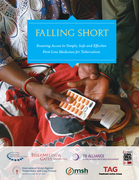
Ensuring Access to Simple, Safe and Effective First-Line Medicines for Tuberculosis.
Accessed in November 2017.
Celebrating ten years of success 2004-2014
12 countries have a high TB estimated burden with an incidence rate more than 45 per 100 000 population They represent 88 of the cases in the Region
In 2019 the TB case detection gap in the Region was 52 500 cases
12 countries have a high TB estimated burden with an incidence rate more than 45 per 100 000 population They represent 88 of the cases in the Region
In 2019 the TB case detection gap in the Region was 52 500 cases

Standard Treatment Guideline

Standard Treatment Guideline
Treatment Recommendations for Adult Inpatients
Standard Treatment Guideline
Exciting new treatment approaches make the management of hepatitic C one of the most rapidly developing areas of medicine. The Flying Publisher short Guide to Hepatitis C is an up-to-date source of information for physicians, residents and advanced
...
medical students.
more
In-and Out-Patient Treatment

The goal of asthma treatment is to obtain clinical control and reduce future risks to the patient. To reach this goal in children with asthma, ongoing monitoring is essential. While all components of asthma, such as symptoms, lung function, bronchia
...
l hyperresponsiveness and inflammation, may exist in various combinations in different individuals, to date there is limited evidence on how to integrate these for optimal monitoring of children with asthma. The aims of this ERS Task Force were to describe the current practise and give an overview of the best available evidence on how to monitor children with asthma.
22 clinical and research experts reviewed the literature. A modified Delphi method and four Task Force meetings were used to reach a consensus.
This statement summarises the literature on monitoring children with asthma. Available tools for monitoring children with asthma, such as clinical tools, lung function, bronchial responsiveness and inflammatory markers, are described as are the ways in which they may be used in children with asthma. Management-related issues, comorbidities and environmental factors are summarised.
Despite considerable interest in monitoring asthma in children, for many aspects of monitoring asthma in children there is a substantial lack of evidence.
more
Direct acting antivirals (DAAs) have revolutionized treatment for hepatitis C. Combi-
nations of DAAs can cure infection with HCV in 12 weeks, are highly effective and
have limited side-effects. Affordability of DAAs has impr
...
oved significantly, but access remains lim-
ited. Initially, due to their high prices, affordability of DAAs was limited in high-, middle- and low-
income countries alike. Now there is a divide between those countries where, because of intellectual
property barriers, prices have remained (very) high and other countries where generics are, or can be,
available at much lower prices. The result is a dual market
more
Towards Universal Access to Prevention, Diagnosis and Treatment
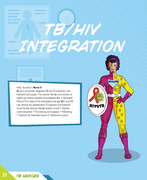
TB heroes
Hello, my name is Nurse X
My job is to promote integrated HIV and TB prevention, care, treatment and support. This ensures that we, and my team of health care service providers treat everyone who is living with HIV and TB to have all the
...
antiretroviral therapy (ART) and HIV care services are provided with TB diagnosis and treatment at one facility. Services that we provide include * Infection control education * TB screening and diagnosis * HIV testing * Treatment for those who require it * Adherence support
Accessed November 2017
more
Follow-up and tracing of tuberculosis patients who fail to attend their scheduled appointments in Cotonou, Benin: a retrospective cohort study
Serge Ade1, Arnaud Trébucq, Anthony D. Harries, Gabriel Ade, Gildas Agodokpessi, Prudence Wachinou, Dissou Affolabi, Sévérin Anagonou
BMC Health Services Research
(2016)
C2
Ade et al. BMC Health Services Research (2016) 16:5
Background: In the “Centre National Hospitalier de Pneumo-Phtisiologie” of Cotonou, Benin, little is known about
the characteristics of patients who have not attended their scheduled appointment, the results of tracing and the
possible b
...
enefits on improving treatment outcomes. This study aimed to determine the contribution of tracing
activities for those who missed scheduled appointments towards a successful treatment outcome.
Methods: A retrospective cohort study was carried out among all smear-positive pulmonary tuberculosis patients
treated between January and September 2013. Data on demographic and diagnostic characteristics and treatment
outcomes were accessed from tuberculosis registers and treatment cards. Information on those who missed their
scheduled appointments was collected from the tracing tuberculosis register. A univariate analysis was performed
to explore factors associated with missing a scheduled appointment
more

This guidance provides an overview of interventions to improve early diagnosis of TB and treatment completion in these populations, as well as factors to consider when developing programmes for health communication, awareness and education, and prog
...
ramme monitoring and evaluation
more
The Wits Justice Project
HIV Nursing Matters / page 30-33 / June 2015
Source: Guidelines for the Prevention and Treatment of HIV in Arrested, Detained and Sentenced Persons, 2008.
