
Filter
2695
Text search:
personal
hygiene
Featured
386
679
Language
2490
107
81
69
49
41
23
19
14
10
9
8
7
6
5
5
5
5
5
5
4
4
4
4
3
3
3
3
3
3
3
2
2
2
2
2
1
1
1
1
1
1
1
1
1
1
1
1
1
Document type
1220
551
399
193
120
76
68
46
8
7
5
1
1
Countries
118
112
96
81
65
59
58
56
53
53
52
52
47
47
43
40
39
34
34
33
30
27
26
25
24
23
22
22
21
21
19
18
18
17
15
14
14
14
14
14
13
11
11
11
10
9
9
9
9
9
9
9
8
8
8
8
7
7
6
6
6
5
5
5
5
5
5
5
5
5
4
4
4
4
4
4
4
4
4
4
4
3
3
3
3
3
3
3
3
3
3
3
3
2
2
2
2
2
2
2
2
2
2
2
2
2
1
1
1
1
1
1
1
1
1
1
1
1
1
1
1
1
1
1
1
1
1
1
1
1
1
1
Authors & Publishers
415
107
71
65
61
54
41
40
33
32
25
25
20
19
18
17
16
15
15
14
13
13
13
13
13
12
12
12
12
12
12
11
10
10
10
9
9
9
9
9
9
8
8
8
8
8
7
7
7
7
7
7
7
6
6
6
6
6
6
6
6
6
6
6
6
6
6
5
5
5
5
5
5
5
5
5
5
5
5
5
5
5
5
5
5
5
5
4
4
4
4
4
4
4
4
4
4
4
4
4
4
4
4
4
4
4
4
4
4
4
4
4
4
4
4
4
4
4
4
3
3
3
3
3
3
3
3
3
3
3
3
3
3
3
3
3
3
3
3
3
3
3
3
3
3
3
3
3
3
3
3
3
3
3
3
3
3
3
3
3
3
3
3
3
3
3
3
3
3
3
3
3
2
2
2
2
2
2
2
2
2
2
2
2
2
2
2
2
2
2
2
2
2
2
2
2
2
2
2
2
2
2
2
2
2
2
2
2
2
2
2
2
2
2
2
2
2
2
2
2
2
2
2
2
2
2
2
2
2
2
2
2
2
2
2
2
2
2
2
2
2
2
2
2
2
2
2
2
2
2
2
2
2
2
2
2
2
2
2
2
2
2
2
2
2
2
2
2
2
2
2
2
2
2
2
2
2
2
2
2
2
2
2
2
2
2
2
2
2
2
2
2
2
2
2
2
2
2
2
2
2
2
2
2
2
2
2
2
2
2
2
2
2
2
2
2
2
2
2
2
2
2
2
2
2
2
2
2
2
2
2
2
2
2
2
1
1
1
1
1
1
1
1
1
1
1
1
1
1
1
1
1
1
1
1
1
1
1
1
1
1
1
1
1
1
1
1
1
1
1
1
1
1
1
1
1
1
1
1
1
1
1
1
1
1
1
1
1
1
1
1
1
1
1
1
1
1
1
1
1
1
1
1
1
1
1
1
1
1
1
1
1
1
1
1
1
1
1
1
1
1
1
1
1
1
1
1
1
1
1
1
1
1
1
1
1
1
1
1
1
1
1
1
1
1
1
1
1
1
1
1
1
1
1
1
1
1
1
1
1
1
1
1
1
1
1
1
1
1
1
1
1
1
1
1
1
1
1
1
1
1
1
1
1
1
1
1
1
1
1
1
1
1
1
1
1
1
1
1
1
1
1
1
1
1
1
1
1
1
1
1
1
1
1
1
1
1
1
1
1
1
1
1
1
1
1
1
1
1
1
1
1
1
1
1
1
1
1
1
1
1
1
1
1
1
1
1
1
1
1
1
1
1
1
1
1
1
1
1
1
1
1
1
1
1
1
1
1
1
1
1
1
1
1
1
1
1
1
1
1
1
1
1
1
1
1
1
1
1
1
1
1
1
1
1
1
1
1
1
1
1
1
1
1
1
1
1
1
1
1
1
1
1
1
1
1
1
1
1
1
1
1
1
1
1
1
1
1
1
1
1
1
1
1
1
1
1
1
1
1
1
1
1
1
1
1
1
1
1
1
1
1
1
1
1
1
1
1
1
1
1
1
1
1
1
1
1
1
1
1
1
1
1
1
1
1
1
1
1
1
1
1
1
1
1
1
1
1
1
1
1
1
1
1
1
1
1
1
1
1
1
1
1
1
1
1
1
1
1
1
1
1
1
1
1
1
1
1
1
1
1
1
1
1
1
1
1
1
1
1
1
1
1
1
1
1
1
1
1
1
1
1
1
1
1
1
1
1
1
1
1
1
1
1
1
1
1
1
1
1
1
1
1
1
1
1
1
1
1
1
1
1
1
1
1
1
1
1
1
1
1
1
1
1
1
1
1
1
1
1
1
1
1
1
1
1
1
1
1
1
1
1
1
1
1
1
1
1
1
1
1
1
1
1
1
1
1
1
1
1
1
1
1
1
1
1
1
1
1
1
1
1
1
1
1
1
1
1
1
1
1
1
1
1
1
1
1
1
1
1
1
1
1
1
1
1
1
1
1
1
1
1
1
1
1
1
1
1
1
1
1
1
1
1
1
1
1
1
1
1
1
1
1
1
1
1
1
1
1
1
1
1
1
1
1
1
1
1
1
1
1
1
1
1
1
1
1
1
1
1
1
1
1
1
1
1
1
1
1
1
1
1
1
1
1
1
1
1
1
1
1
1
1
1
1
1
1
1
1
1
1
1
1
1
1
1
1
1
1
1
1
1
1
1
1
1
1
1
1
1
1
1
1
1
1
1
1
1
1
1
1
1
1
1
1
1
1
1
1
1
1
1
1
1
1
1
1
1
1
1
1
1
1
1
1
1
1
1
1
1
1
1
1
1
1
1
1
1
1
1
1
1
1
1
1
1
1
1
1
1
1
1
1
1
1
1
1
1
1
1
1
1
1
1
1
1
1
1
1
1
1
1
1
1
1
1
1
1
1
1
1
1
1
1
1
1
1
1
1
1
1
1
1
1
1
1
1
1
1
1
1
1
1
1
1
1
1
1
1
1
1
1
1
1
1
1
1
1
1
1
1
1
1
1
1
1
1
1
1
1
1
1
1
1
1
1
1
1
1
1
1
1
1
1
1
1
1
1
1
1
1
1
1
1
1
1
1
1
1
1
1
1
1
1
1
1
1
1
1
1
1
1
1
1
1
1
1
1
1
1
1
1
1
1
1
1
1
1
1
1
1
1
1
1
1
1
1
1
1
1
1
1
1
1
1
1
1
1
1
1
1
1
1
1
1
1
1
1
1
1
1
1
1
1
1
1
1
1
1
1
1
1
1
1
1
1
1
1
1
1
1
1
1
1
1
1
1
1
1
1
1
1
1
1
1
1
1
1
1
1
1
1
1
1
1
1
1
1
1
1
1
1
1
1
1
1
1
1
1
1
1
1
1
1
1
1
1
1
1
1
1
1
1
1
1
1
1
1
1
1
1
1
1
1
1
1
1
1
1
1
1
1
1
1
1
1
1
1
1
1
1
1
1
1
1
1
1
1
1
1
1
1
1
1
1
1
1
1
1
1
1
1
1
1
1
1
1
1
1
1
1
1
1
1
1
1
1
1
1
1
1
1
1
1
1
1
1
1
1
1
1
1
1
1
1
1
1
1
1
1
1
1
1
1
1
1
1
1
1
1
1
1
1
1
1
1
1
1
1
1
1
1
1
1
1
1
1
1
1
1
1
1
1
1
1
1
1
1
1
1
1
1
1
1
1
1
1
1
1
1
1
1
1
1
1
1
1
1
1
1
1
1
1
1
1
1
1
1
1
1
1
1
1
1
1
1
1
1
1
1
1
1
1
1
1
1
1
1
1
1
1
1
1
1
1
1
1
1
1
1
1
1
1
1
1
1
1
1
1
1
1
1
1
1
1
1
1
1
1
1
1
1
1
1
1
1
1
1
1
1
1
1
1
1
1
1
1
1
1
1
1
1
1
1
1
1
1
1
1
1
1
1
1
1
1
1
1
1
1
1
1
1
1
1
1
1
1
1
1
1
1
1
1
1
1
1
1
1
1
1
1
1
1
1
1
1
1
1
1
1
1
1
1
1
1
1
1
1
1
1
1
1
1
1
1
1
1
1
1
1
1
1
1
1
1
1
1
1
1
1
1
1
1
1
1
1
1
1
1
1
1
1
1
1
1
1
1
1
1
1
1
1
1
1
1
1
1
1
1
1
1
1
1
1
1
1
1
1
1
1
1
1
1
1
1
1
1
1
1
1
1
1
1
1
1
1
1
1
1
1
1
1
1
1
1
1
1
1
1
1
1
1
1
1
1
1
1
1
1
1
1
1
1
1
1
1
1
1
1
1
1
1
1
1
1
1
1
1
1
1
1
1
1
1
1
1
1
1
1
1
1
1
1
1
1
1
1
1
1
1
1
1
1
1
1
1
1
1
1
1
1
1
1
1
1
1
1
1
1
1
1
1
1
1
1
1
1
1
1
1
1
1
1
1
1
1
1
1
1
1
1
1
1
1
1
1
1
1
1
1
1
1
1
1
1
1
1
1
1
1
1
1
1
1
1
1
1
1
1
1
1
1
1
1
1
1
1
1
1
1
1
1
1
1
1
1
1
1
1
1
1
1
1
1
1
1
1
1
1
1
1
1
1
1
1
1
1
1
1
1
1
1
1
1
1
1
1
1
1
1
1
1
1
1
1
1
1
1
1
1
1
1
1
1
1
1
1
1
1
1
1
1
1
1
1
1
1
1
1
1
1
1
1
1
1
1
1
1
1
1
1
1
1
1
1
1
1
1
1
1
1
1
1
1
1
1
1
1
1
1
1
1
1
1
1
1
1
1
1
1
1
1
1
1
1
1
1
1
1
1
1
1
1
1
1
1
1
1
1
1
1
1
1
1
1
1
1
1
1
1
1
1
1
1
1
1
1
1
1
1
1
1
1
1
1
1
1
1
1
1
1
1
1
1
1
1
1
1
1
1
1
1
1
1
1
1
1
1
1
1
1
1
1
1
1
1
1
1
1
1
1
1
1
1
1
1
1
1
1
1
1
1
1
1
1
1
1
1
Publication Years
1050
1395
236
12
2
Category
944
291
153
131
126
63
25
Toolboxes
525
206
131
126
104
99
91
80
74
74
72
67
66
58
47
46
36
27
22
17
17
15
8
7
4
4
1
Epidemics and pandemics are some of the biggest threats to a safe and healthy world. But with effective preparedness and response measures, we can reduce their impacts and even stop them in their tracks.
Through the Programmatic Partnership with the European Union, 24 local Red Cross and Red Cres
...
cent Societies have been working to keep communities healthy and safe from epidemics and pandemics with technical assistance, advocacy support and coordination from IFRC and European National Societies. They do so by equipping communities with knowledge and tools to stop the spread of diseases and by setting up systems so they can report outbreaks quickly, enabling a rapid response from authorities. National Societies have also significantly developed their own epidemic preparedness and response capacity.
more

HIV Treatment Adherence Counseling and Retention Guide
Anderson, L.; J. Jospin, S. Safren, et al.
ICAP Columbia University, and Centers for Disease Control and Prevention CDC
(2024)
C_CDC
A job aid for cadres supporting adolescents living with HIV (ages 15-19) in Orphans and Vulnerable
Children (OVC) Programs

Essential triple EMTCT services include testing for HIV, syphilis and HBV in ante-
natal care (ANC) settings; prompt and efficacious interventions to treat women
who test positive; prevent transmission of any of the infections to their children;
counseling for women and their partners to reduce t
...
ransmission risk and ensure
appropriate treatment; encourage clean and safe delivery; appropriate follow
up of exposed infants including provision of HBV vaccine birth dose; promoting
optimal infant-feeding; and lifelong treatment and care for mothers living with
HIV or those eligible for treatment for hepatitis B infections and treatment for
syphilis.
more
A job aid for cadres supporting caregivers of children and adolescents living with HIV (ages 0-14) in Orphans and Vulnerable Children (OVC) Programs


This toolkit lays out a framework for a waterborne disease investigation and consolidates resources to assist investigation activities.
The Waterborne Disease Outbreak Investigation Toolkit was designed to assist state and local health departments in conducting waterborne disease outbreak invest
...
igations. Using experiences of epidemiologists at the state and local levels, this toolkit describes best practices in preparing for, identifying, and responding to a waterborne disease outbreak.
more

The manual elaborates on a wide rang of logistics management issues such as carrying assessements, procurement, storing, transporting and distribution of emergency supplies


Following the declaration of the 9th Ebola Disease Outbreak (EVD) on 8 May 2018 by the Democratic Republic of Congo (DRC) Ministry of Health, the WHO has raised the alert for neighbouring countries of the Democratic Republic of the Congo (DRC) which share extensive borders, hosting DRC refugees and
...
are used as corridors for DRC population movement. On 1 August 2018, just one week after the declaration of the end of the Ebola outbreak in Equator province, the 10th Ebola epidemic of the DRC was declared in the provinces of North Kivu and Ituri, which are among the most populated provinces in the DRC that also share borders with Uganda and Rwanda.
more
A all for global Action. The Oral Health Atlas. Second edition

Refugee protection in the country is provided within the framework of these international and national refugee laws as well as the core international human rights treaties that have been ratified by the country. Continued insecurity within neighbouring states has resulted in sustained refugee moveme
...
nts, either directly as a result of internal conflict and human rights abuses or as a result of conflict related to competition for scare natural resources and drought related food insecurity.
more

Antimicrobial resistance (AMR) is a threat to global health and development and it contributes to millions of deaths worldwide each year. Inappropriate use and overuse of antibiotics are driving an increase in AMR and have a detrimental impact on the effectiveness of these critical medicines. Throug
...
h the Global Action Plan on AMR, WHO is working to improve the surveillance of antimicrobial resistance and reduce inappropriate antibiotic consumption.
There is a recognized need for high-quality resources to improve antibiotic prescribing globally. To address this need, a pragmatic approach was taken by WHO to develop actionable guidance for empiric antibiotic use.
The WHO AWaRe (Access, Watch, Reserve) antibiotic book provides concise, evidence-based guidance on the choice of antibiotic, dose, route of administration, and duration of treatment for more than 30 of the most common clinical infections in children and adults in both primary health care and hospital settings. The information included in the book supports the recommendations for antibiotics listed on the WHO Model Lists of Essential Medicines and Essential Medicines Children and the WHO AWaRe classification of antibiotics.
The WHO AWaRe antibiotic book is accompanied by summary infographics for each infection for both adults and children that provide a quick-reference guide for health care workers at the point of care.
more

Humanitarian crises exacerbate nutritional risks and often lead to an increase in acute malnutrition. Emergencies include both manmade (conflict) and natural disasters (floods, drought, cyclones, typhoons, earthquakes, volcanic eruptions, etc.). Complex emergencies are combinations of both manmade a
...
nd natural disasters, often of a protracted nature. Millions of people are affected by humanitarian crises every year. The increasing frequency and scale of emergencies requires nutrition to be addressed in all phases of a response.
Crisis situations, whether acute or protracted, impact on a range of factors that can increase the risk of undernutrition, morbidity, and mortality. They may involve: the large-scale destruction of property and infrastructure; the erosion of livelihood strategies and purchasing power; a breakdown of and reduced access to essential services, including health services, water supply, and sanitation; and the displacement of large numbers of people. Emergencies can also disrupt social systems and the quality of care/feeding practices. Household access to food may be negatively affected and people may find themselves in overcrowded settlements with their families divided. As a result, at the individual level, there is often an increased risk of deteriorating health and nutritional status, resulting in a greater likelihood of death.
more

Guide to revision of national pandemic influenza preparedness plans - Lessons learned from the 2009 A(H1N1) pandemic
Brown C., Ciotti M., Hegermann-Lindencrone M., et al
European Centre for Disease Prevention and Control (ECDC), WHO Regional Office for Europe
(2017)
C_WHO
The document “Guide to revision of national pandemic influenza preparedness plans – Lessons learned from the 2009 A(H1N1) pandemic” provides guidance for countries on how to improve and update their national pandemic preparedness plans. It is based on lessons learned from the 2009 influenza pa
...
ndemic and aims to help governments strengthen their readiness for future pandemics. The report outlines key components of effective pandemic planning, including risk assessment, coordination between sectors, communication strategies, healthcare system preparedness, vaccination and antiviral strategies, and business continuity planning. It also emphasizes the importance of international cooperation and flexible planning that can adapt to different pandemic scenarios. Overall, the guide serves as a framework to support countries in developing stronger, more coordinated responses to future influenza pandemics.
more
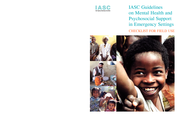
IASC Guidelines on Mental Health and Psychosocial Support in Emergency Settings. Checklist
recommended
Armed conflicts and natural disasters cause significant psychological and social suffering to affected populations. The psychological and social impacts of emergencies may be acute in the short term, but they can also undermine the long-term mental health and psychosocial well-being of the affected
...
population. These impacts may threaten peace, human rights and development. One of the priorities in emergencies is thus to protect and improve people’s mental health and psychosocial well-being.
more
Technical Aspects Part II
A review of policy and practice; zero Hunger Phase 1
