
Filter
4585
Text search:
health
supplies
Featured
502
1362
Language
4470
112
88
55
53
30
19
9
7
6
6
6
5
5
3
3
3
3
3
3
3
2
2
2
2
2
2
2
2
2
2
2
2
2
2
1
1
1
1
1
1
1
1
1
1
1
1
1
1
1
1
1
1
1
1
1
1
1
1
1
1
1
Document type
2295
719
675
303
243
118
101
91
15
12
8
3
1
1
Countries
176
171
158
152
145
123
119
102
94
94
90
79
76
75
74
68
58
56
56
55
54
54
52
51
49
46
44
42
38
37
36
36
35
33
31
28
25
24
23
22
21
21
19
18
18
17
15
14
14
13
13
12
12
11
11
11
11
11
9
9
9
9
8
8
8
8
7
7
7
7
7
6
5
5
5
5
5
4
4
4
4
3
3
3
3
3
3
3
3
3
3
3
3
3
3
3
3
3
3
3
3
2
2
2
2
2
2
2
2
2
2
2
2
2
2
2
2
2
1
1
1
1
1
1
1
1
1
1
1
1
1
1
1
1
1
1
1
1
1
1
1
1
1
1
Authors & Publishers
671
205
115
110
109
98
95
91
51
40
35
35
33
32
31
31
26
25
25
25
24
23
23
22
21
21
21
21
20
19
19
18
17
17
17
17
16
16
15
15
15
13
13
13
13
13
13
12
12
12
12
12
12
11
11
11
11
10
10
10
10
10
10
10
9
9
9
9
9
9
9
8
8
8
8
8
8
8
8
8
8
8
8
8
7
7
7
7
7
7
7
7
7
7
6
6
6
6
6
6
6
6
6
6
6
6
6
6
6
6
6
6
6
6
6
6
6
6
6
5
5
5
5
5
5
5
5
5
5
5
5
5
5
5
5
5
5
5
5
5
5
5
5
5
5
5
5
5
5
4
4
4
4
4
4
4
4
4
4
4
4
4
4
4
4
4
4
4
4
4
4
4
4
4
4
4
4
4
4
4
4
4
4
4
4
4
4
4
4
4
4
4
4
4
4
4
4
3
3
3
3
3
3
3
3
3
3
3
3
3
3
3
3
3
3
3
3
3
3
3
3
3
3
3
3
3
3
3
3
3
3
3
3
3
3
3
3
3
3
3
3
3
3
3
3
3
3
3
3
3
3
3
3
3
3
3
3
3
3
3
3
3
3
3
3
3
3
3
3
3
3
3
3
3
3
3
3
3
3
3
3
3
3
3
3
2
2
2
2
2
2
2
2
2
2
2
2
2
2
2
2
2
2
2
2
2
2
2
2
2
2
2
2
2
2
2
2
2
2
2
2
2
2
2
2
2
2
2
2
2
2
2
2
2
2
2
2
2
2
2
2
2
2
2
2
2
2
2
2
2
2
2
2
2
2
2
2
2
2
2
2
2
2
2
2
2
2
2
2
2
2
2
2
2
2
2
2
2
2
2
2
2
2
2
2
2
2
2
2
2
2
2
2
2
2
2
2
2
2
2
2
2
2
2
2
2
2
2
2
2
2
2
2
2
2
2
2
2
2
2
2
2
2
2
2
2
2
2
2
2
2
2
2
2
2
2
2
2
2
2
2
2
2
2
2
2
2
2
2
2
2
2
2
2
2
2
2
2
2
2
2
2
2
2
2
2
2
2
2
2
2
2
2
2
2
2
2
2
2
2
2
2
2
2
2
2
2
2
2
2
2
2
2
2
2
2
2
2
2
2
2
2
2
2
2
2
2
2
2
2
2
2
2
2
2
2
2
2
2
2
2
2
2
2
2
2
2
2
2
2
2
2
2
2
2
1
1
1
1
1
1
1
1
1
1
1
1
1
1
1
1
1
1
1
1
1
1
1
1
1
1
1
1
1
1
1
1
1
1
1
1
1
1
1
1
1
1
1
1
1
1
1
1
1
1
1
1
1
1
1
1
1
1
1
1
1
1
1
1
1
1
1
1
1
1
1
1
1
1
1
1
1
1
1
1
1
1
1
1
1
1
1
1
1
1
1
1
1
1
1
1
1
1
1
1
1
1
1
1
1
1
1
1
1
1
1
1
1
1
1
1
1
1
1
1
1
1
1
1
1
1
1
1
1
1
1
1
1
1
1
1
1
1
1
1
1
1
1
1
1
1
1
1
1
1
1
1
1
1
1
1
1
1
1
1
1
1
1
1
1
1
1
1
1
1
1
1
1
1
1
1
1
1
1
1
1
1
1
1
1
1
1
1
1
1
1
1
1
1
1
1
1
1
1
1
1
1
1
1
1
1
1
1
1
1
1
1
1
1
1
1
1
1
1
1
1
1
1
1
1
1
1
1
1
1
1
1
1
1
1
1
1
1
1
1
1
1
1
1
1
1
1
1
1
1
1
1
1
1
1
1
1
1
1
1
1
1
1
1
1
1
1
1
1
1
1
1
1
1
1
1
1
1
1
1
1
1
1
1
1
1
1
1
1
1
1
1
1
1
1
1
1
1
1
1
1
1
1
1
1
1
1
1
1
1
1
1
1
1
1
1
1
1
1
1
1
1
1
1
1
1
1
1
1
1
1
1
1
1
1
1
1
1
1
1
1
1
1
1
1
1
1
1
1
1
1
1
1
1
1
1
1
1
1
1
1
1
1
1
1
1
1
1
1
1
1
1
1
1
1
1
1
1
1
1
1
1
1
1
1
1
1
1
1
1
1
1
1
1
1
1
1
1
1
1
1
1
1
1
1
1
1
1
1
1
1
1
1
1
1
1
1
1
1
1
1
1
1
1
1
1
1
1
1
1
1
1
1
1
1
1
1
1
1
1
1
1
1
1
1
1
1
1
1
1
1
1
1
1
1
1
1
1
1
1
1
1
1
1
1
1
1
1
1
1
1
1
1
1
1
1
1
1
1
1
1
1
1
1
1
1
1
1
1
1
1
1
1
1
1
1
1
1
1
1
1
1
1
1
1
1
1
1
1
1
1
1
1
1
1
1
1
1
1
1
1
1
1
1
1
1
1
1
1
1
1
1
1
1
1
1
1
1
1
1
1
1
1
1
1
1
1
1
1
1
1
1
1
1
1
1
1
1
1
1
1
1
1
1
1
1
1
1
1
1
1
1
1
1
1
1
1
1
1
1
1
1
1
1
1
1
1
1
1
1
1
1
1
1
1
1
1
1
1
1
1
1
1
1
1
1
1
1
1
1
1
1
1
1
1
1
1
1
1
1
1
1
1
1
1
1
1
1
1
1
1
1
1
1
1
1
1
1
1
1
1
1
1
1
1
1
1
1
1
1
1
1
1
1
1
1
1
1
1
1
1
1
1
1
1
1
1
1
1
1
1
1
1
1
1
1
1
1
1
1
1
1
1
1
1
1
1
1
1
1
1
1
1
1
1
1
1
1
1
1
1
1
1
1
1
1
1
1
1
1
1
1
1
1
1
1
1
1
1
1
1
1
1
1
1
1
1
1
1
1
1
1
1
1
1
1
1
1
1
1
1
1
1
1
1
1
1
1
1
1
1
1
1
1
1
1
1
1
1
1
1
1
1
1
1
1
1
1
1
1
1
1
1
1
1
1
1
1
1
1
1
1
1
1
1
1
1
1
1
1
1
1
1
1
1
1
1
1
1
1
1
1
1
1
1
1
1
1
1
1
1
1
1
1
1
1
1
1
1
1
1
1
1
1
1
1
1
1
1
1
1
1
1
1
1
1
1
1
1
1
1
1
1
1
1
1
1
1
1
1
1
1
1
1
1
1
1
1
1
1
1
1
1
1
1
1
1
1
1
1
1
1
1
1
1
1
1
1
1
1
1
1
1
1
1
1
1
1
1
1
1
1
1
1
1
1
1
1
1
1
1
1
1
1
1
1
1
1
1
1
1
1
1
1
1
1
1
1
1
1
1
1
1
1
1
1
1
1
1
1
1
1
1
1
1
1
1
1
1
1
1
1
1
1
1
1
1
1
1
1
1
1
1
1
1
1
1
1
1
1
1
1
1
1
1
1
1
1
1
1
1
1
1
1
1
1
1
1
1
1
1
1
1
1
1
1
1
1
1
1
1
1
1
1
1
1
1
1
1
1
1
1
1
1
1
1
1
1
1
1
1
1
1
1
1
1
1
1
1
1
1
1
1
1
1
1
1
1
1
1
1
1
1
1
1
1
1
1
1
1
1
1
1
1
1
1
1
1
1
1
1
1
1
1
1
1
1
1
1
1
1
1
1
1
1
1
1
1
1
1
1
1
1
1
1
1
1
1
1
1
1
1
1
1
1
1
1
1
1
1
1
1
1
1
1
1
1
1
1
1
1
1
1
1
1
1
1
1
1
1
1
1
1
1
1
1
1
1
1
1
1
1
1
1
1
1
1
1
1
1
1
1
1
1
1
1
1
1
1
1
1
1
1
1
1
1
1
1
1
1
1
1
1
1
1
1
1
1
1
1
1
1
1
1
1
1
1
1
1
1
1
1
1
1
1
1
1
1
1
1
1
1
1
1
1
1
1
1
1
1
1
1
1
1
1
1
1
1
1
1
1
1
1
1
1
1
1
1
1
1
1
1
1
1
1
1
1
1
1
1
1
1
1
1
1
1
1
1
1
1
1
1
1
1
1
1
1
1
1
1
1
1
1
1
1
1
1
1
1
1
1
1
1
1
1
1
1
1
1
1
1
1
1
1
1
1
1
1
1
1
1
1
1
1
1
1
1
1
1
1
1
1
1
1
1
1
1
1
1
1
1
1
1
1
1
1
1
1
1
1
1
1
1
1
1
1
1
1
1
1
1
1
1
1
1
1
1
1
1
1
1
1
1
1
1
1
1
1
1
1
1
1
1
1
1
1
1
1
1
1
1
1
1
1
1
1
1
1
1
1
1
1
1
1
1
1
1
1
1
1
1
1
1
1
1
1
1
1
1
1
1
1
1
1
1
1
1
1
1
1
1
1
1
1
1
1
1
1
1
1
1
1
1
1
1
1
1
1
1
1
1
1
1
1
1
1
1
1
1
1
1
1
1
1
1
1
1
1
1
1
1
1
1
1
1
1
1
1
1
1
1
1
1
1
1
1
1
1
1
1
1
1
1
1
1
1
1
1
1
1
1
1
1
1
1
1
1
1
1
1
1
1
1
1
1
1
1
1
1
1
1
1
1
1
1
1
1
1
1
1
1
1
1
1
1
1
1
1
1
1
1
1
1
1
1
1
1
1
1
1
1
1
1
1
1
1
1
1
1
1
1
1
1
1
1
1
1
1
1
1
1
1
1
1
1
1
1
1
1
1
1
1
1
1
1
1
1
1
1
1
1
1
1
1
1
1
1
1
1
1
1
1
1
1
1
1
1
1
1
1
1
1
1
1
1
1
1
1
1
1
1
1
1
1
1
1
1
1
1
1
1
1
1
1
1
1
1
1
1
1
1
1
1
1
1
1
1
1
1
1
1
1
1
1
1
1
1
1
1
1
1
1
1
1
1
1
1
1
1
1
1
1
1
1
1
1
1
1
1
1
1
1
1
1
1
1
1
1
1
1
1
1
1
1
1
1
1
1
1
1
1
1
1
1
1
1
1
1
1
1
1
1
1
1
1
1
1
1
1
1
1
1
1
1
1
1
1
1
1
1
1
1
1
1
1
1
1
1
1
1
1
1
1
1
1
1
1
1
1
1
1
1
1
1
1
1
1
1
1
1
1
1
1
1
1
1
1
1
1
1
1
1
1
1
1
1
1
1
1
1
1
1
1
1
1
1
1
1
1
1
1
1
1
1
1
1
1
1
1
1
1
1
1
1
1
1
1
1
1
1
1
1
1
1
1
1
1
1
1
1
1
1
1
1
1
1
1
1
1
1
1
1
1
1
1
1
1
1
1
1
1
1
1
1
1
1
1
1
1
1
1
1
1
1
1
1
1
1
1
1
1
1
1
1
1
1
1
1
1
1
1
1
1
1
1
1
1
1
1
1
1
1
1
1
1
1
1
1
1
1
1
1
1
1
1
1
1
1
1
1
1
1
1
1
1
1
1
1
1
1
1
1
1
1
1
1
1
1
1
1
1
1
1
1
1
1
1
1
1
1
1
1
1
1
1
1
1
1
1
1
1
1
1
1
1
1
1
1
1
1
1
1
1
1
1
1
1
1
1
1
1
1
1
1
1
1
1
1
1
1
1
1
1
1
1
1
1
1
1
1
1
1
1
1
1
1
1
1
1
1
1
1
1
1
1
1
1
1
1
1
1
1
1
1
1
1
1
1
1
1
1
1
1
1
1
1
1
1
1
1
1
1
1
1
1
1
1
1
1
1
1
1
1
1
1
1
1
1
1
1
1
1
1
1
1
1
1
1
1
1
1
1
1
1
1
1
1
1
1
1
1
1
1
1
1
1
1
1
1
1
1
1
1
1
1
1
1
1
1
1
1
1
1
1
1
1
1
1
1
1
1
1
1
1
1
1
1
1
1
1
1
1
1
1
1
1
1
1
1
1
1
1
1
1
1
1
1
1
1
1
1
1
1
1
1
1
1
1
1
1
1
1
1
1
1
1
1
1
1
1
1
1
1
1
1
1
1
1
1
1
1
1
1
1
1
1
1
1
1
1
1
1
1
1
1
1
1
1
1
1
1
1
1
1
1
1
1
1
1
1
1
1
1
1
1
1
1
1
1
1
1
1
1
1
1
1
1
1
1
1
1
1
1
1
1
1
1
1
1
1
1
1
1
1
1
1
1
1
1
1
1
1
1
1
1
1
1
1
1
1
1
1
1
1
1
1
1
1
1
1
1
1
1
1
1
1
1
1
1
1
1
1
1
1
1
1
1
1
1
1
1
1
1
1
1
1
1
1
1
1
1
1
1
1
1
1
1
1
1
1
1
1
1
1
1
1
1
1
1
1
1
1
1
1
1
1
1
1
1
1
1
1
1
1
1
1
1
1
1
1
1
1
1
1
1
1
1
1
1
1
1
1
1
1
1
1
1
1
1
1
1
1
1
1
1
1
1
1
1
1
1
1
1
1
1
1
1
1
1
1
1
1
1
1
1
1
1
1
1
1
1
1
1
1
1
1
1
1
1
1
1
1
1
1
1
1
1
1
1
1
1
1
1
1
1
1
1
1
1
1
1
1
1
1
1
1
1
1
1
1
1
1
1
1
1
1
1
1
1
1
1
1
1
1
1
1
1
1
1
1
1
1
1
1
1
1
1
1
1
1
1
1
1
1
1
1
1
1
1
1
1
1
1
1
1
1
1
1
1
1
1
1
1
1
1
1
1
1
1
1
1
1
1
1
1
1
1
1
1
1
1
1
1
1
1
1
1
1
1
1
1
1
1
1
1
1
1
1
1
1
1
1
1
1
1
1
1
1
1
1
1
1
1
1
1
1
1
1
1
1
1
1
1
1
1
1
1
1
1
1
1
1
1
1
1
1
1
1
1
1
1
1
1
1
1
1
1
1
1
1
1
1
1
1
1
1
1
1
1
1
1
1
1
1
1
1
Publication Years
1556
2516
475
35
3
Category
1960
435
308
289
203
114
63
Toolboxes
589
234
232
150
149
133
131
130
101
98
98
95
89
89
86
70
69
68
63
51
44
33
27
19
10
4
2
The Ideal Clinic manual has been developed to assist managers at various levels of healthcare service provision to correctly interpret and understand the requirement for achieving the elements as depicted in the Ideal Clinic framework/dashboard. It can therefore be regarded as a reference document w
...
hich guides the managers to determine the status of Ideal Clinic framework/dashboard elements in a facility.
more
The WHO Trauma Bag 2021 is intended to provide the resources needed to care for care of acutely ill and injured patients in hospital emergency units, field hospitals or clinics providing acute care. The Trauma Bag may also be applicable in prehospital settings if care is provided by advanced practi
...
tioners. The bag allows users to access essential equipment in one location and is organized into removable color-coded pouches according to the clinical indication. The composition of the bag was determined by broad consensus among diverse emergency care stakeholders.
The new trauma bag is designed for trained medical doctors & first responders. The majority of the included supply can be used by trained first responders. A dedicated intubation module should only be handled by trained providers acting within their scope of practice. The WHO Trauma Bag aims to provide materials to meet the needs of 2 adults and 2 children requiring trauma care
more
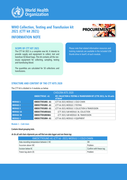
To provide supply & equipment to collect, test and transfuse 50 blood bags.
The new Collection testing and transfusion kit 2021 is specially designed for emergency settings where blood transfusion is crucial. It contains all the necessary supply & equipment needed to collect blood, test it agains
...
t HIV, Malaria, Hep B and C, and syphilis, make sure of the blood grouping, and ensure transfusion.
The equipment such as blood bags, IV transfusion set and vacutainer blood collection tubes are from BD or Fresenius Kabi, also available as single item in the WHO catalogue.
more
This manual for trainers outlines the information and materials required to undertake training in line with the WASH FIT Guide, including background documents, the content of the recommended training modules and training evaluation approaches. The modular approach outlined enables trainers to decide
...
on all topics that are most useful to support the delivery of targeted training at the local level. It also provides sample training schedules, evaluation forms and is linked to a full set of interactive, adult-learning focused, training slides.
more

Health care-associated infections (HAIs) affect patients and health systems every day, causing immense suffering, driving higher health-care costs
...
and hampering efforts to achieve high-quality care for all. HAIs are often difficult to treat, are the major driver of antimicrobial resistance (AMR) and cause premature deaths and disability. The COVID-19 pandemic, as well as outbreaks of Ebola, Marburg and mpox are the most dramatic demonstrations of how pathogens can spread rapidly and be amplified in health care settings. But HAIs are a daily threat in every hospital and clinic, not only during epidemics and pandemics. Lack of water, sanitation and hygiene (WASH) in health care settings not only affects the application of infection prevention and control (IPC) best practices but also equity and dignity among both those providing and receiving care.
more
In emergency or humanitarian settings, mobile clinics are used to bring essential lifesaving health care to communities affected by crises. Though there are standard emergency benefit packages for health
...
services during emergencies, there are however no agreed or standard way of running mobile clinics in such settings. Drawing on the experiences of running mobile clinics in the NWSW and relevant literature, this manual provides a practical example of how to set up and run a mobile clinic in an African humanitarian setting in hard to reach communities with limited resources.
more
Standard precautions aim to protect both health workers and patients by reducing the risk of transmission of microorganisms from both recognized and unrecognized sources. They are the minimum standard of infection prevention and control practices th
...
at should be used by all health-care workers, during the care of all patients, at all times, in all settings. When applied consistently, standard precautions can prevent the transmission of microorganisms between patients, health workers and the environment. This aide-memoire presents a concise overview of important advice for implementation and key elements at a glance.
more
Transmission-based precautions for the prevention and control of infections: aide-memoire
recommended
Transmission-based precautions (TBP) are used in addition to standard precautions for patients with known or suspected infection or colonization with transmissible and/or epidemiologically significant pathogens. The type of TBP assigned to a patient depends on the transmission route of the microorga
...
nism: contact, droplet, or airborne. The following aide-memoire provides important advice for implementation and key elements on TBP in health care.
more
For health care providers.
Sub-Saharan Africa has the highest maternal mortality in the world. According to estimates by the United Nations Maternal Mortality Estimation Inter-Agency Group (UN MMEIG)1 in September 2017, while the African Region had
...
recorded a significant decline in maternal mortality rate (MMR) of 37.8% between 2000 and 2017, 66% of the 295 000 maternal deaths reported globally occurred in sub-Saharan Africa. The African Region is also noted to have an extremely high MMR, estimated at 542 per 100000 livebirths, with an average annual rate of reduction of 2.9%.
more

APRIL 2021- JULY 2022
The African Region has been experiencing unprecedented health challenges due to the Coronavirus disease 2019 (COVID-19) pandemic, which have compounded the already difficult task the Region was facing in moving towards universal
...
health coverage (UHC) attainment.
more
This technical brief describes the re-affirmed WHO recommendation on ultrasound examination in the context of routine antenatal care and outlines policy and programme implications for translating this recommendation into action at the country level.

The World Health Organization (WHO) recognizes the challenges countries face for maintaining their COVID-19 response while addressing competing public health challenges, conflicts, climate change an
...
d economic crises.
It remains critical for national programmes to continue to offer testing for COVID-19 in line with three main objectives: reduce morbidity and mortality through linkage to prompt care and treatment, reduce onward transmission and track the evolution of the epidemic and the virus
itself.
more

2014-2020, Draft March 2014
In the early morning of 6 February 2023, a magnitude 7.8 earthquake struck southern Türkiye near the northern
border of Syria. The earthquake was followed 11 minutes later by a magnitude 6.7 aftershock. Many aftershocks
continue to be felt across the region. Whilst the impact is still being ass
...
essed, initial reports evidence significant
damage in the areas of southern Türkiye and northern Syria.
more
In the early morning of 6 February 2023, a magnitude 7.8 earthquake occurred in southern Türkiye near the
northern border of Syria. The earthquake was followed 11 minutes later by a magnitude 6.7 aftershock. Many
aftershocks are still being felt across the region. Whilst the impact is still bei
...
ng assessed, initial reports evidence
significant damage in the areas of southern Türkiye and northern Syria.
In response, the Syria Ministry of Health (MoH) activated its emergency operations centre (EOC) on 6 Feb 2023
under the chairmanship of the Deputy Minister. In all affected governorates, public and private health facilities
and medical convoys have been repurposed to support the response and are being managed by the National
Ministry of Health (MoH) and Directorate of Health (DoH) at governorate level. Support has been directed to
affected areas, with medical convoys including 28 ambulances and 7 mobile clinics, deployed from the health
directorates of Damascus, Rural Damascus, Quneitra, Homs, Tartous, Aleppo and Latakia
more
The WHO health advisory provides guidance to countries on adapting all existing preparedness and response plans and procedures for natural hazards such as cyclones, tropical storms, tornadoes, floods, earthquakes and potential outbreaks of other dis
...
eases to their existing COVID-19 strategic preparedness and response plans. It advises countries to sustain all established public health and social measures to prevent and control COVID-19 while simultaneously preparing for responding to and effectively manage other disaster risks and events. It highlights WHO’s call for local, national, regional and global solidarity to support countries and communities with high levels of vulnerability to natural hazards during the COVID-19 pandemic.
more

During the 17 years since Surgical approaches to the urogenital manifestations of lymphatic filariasis was first published, there has been heightened awareness of the physical, economic and emotional burden of the genitourinary manifestations of filariasis. With the impetus to provide better guidanc
...
e for care of those suffering from LF, this update was both warranted and timely.
At the outset, the Committee noted that barriers continue to exist in care of patients affected by LF-associated morbidity. These barriers include lack of information for patients as well as for many healthcare providers, including general surgeons and others within health systems
This update offers a new consensus of the Committee regarding the staging of hydroceles caused by LF, also known as “filariceles”. It recommends integrating LF surgery with other efforts to strengthen surgical care by assessing health facilities for their surgical readiness using the WHO surgical assessment tool or “SAT”. It also recommends integratinghernia surgery with hydrocele surgery and integrating standards for prevention of surgical site infection (SSI).
The update revises recommendations for standard procedures and processes, offers an algorithm for diagnosis (including the use of ultrasound) and discusses postoperative care. It recommends collecting data using the staging and grading system described by Capuano and Capuano along with other metrics for public health management of LF.
A multifaceted approach has therefore been recommended to coordinate public health outreach with national surgical planning and local health systems to include supporting partners such as nongovernmental organizations. Surgical camps with mobile teams, as well as training of personnel at DCP3 “first level” or WHO Level II hospitals (depending on region and resources), have important roles for reducing LF morbidity.
more
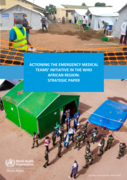
Emergency medical teams (EMT) are first response health care providers – doctors, nurses, paramedics, and others – during outbreaks and emergencies or disasters, working with governments, charities such as nongovernmental organizations (NGOs), a
...
rmies, and international organizations such as the International Red Cross/Red Crescent movement. They comply with the classification and minimum standards set by the World Health Organization (WHO) and its partners and bring to an emergency their training and self-sufficiency so as not to burden the national health system. EMT initiatives strengthen national surge capacities and facilitate the deployment of internationally classified teams of health- care professionals to countries and territories during emergencies, particularly during disease outbreaks and natural disasters, providing immediate assistance when national health systems are overwhelmed . Considering that they aim to support the provision of quality clinical care services to populations affected by public health emergencies, the expectation is that financial resources and equipment will be available to enable the performance of the requested task.
more
Globally, over two million women live with obstetric fistula with the majority of the cases
being from Africa. In low-resource settings such as Zambia, obstetric fistula (OF) is a visible indicator of
gaps in maternal health care resulting in fa
...
ilure to provide adequate, accessible and quality maternal health
care, including family planning, skilled birth attendance, basic and emergency obstetric and neonatal care,
and affordable treatment of fistula. OF is preventable and treatable, and no woman in Zambia should continue to endure the condition. It is therefore necessary that Zambia intensifies national scale up of OF management centers including
community based interventions, train more surgeons and other health workers to provide quality and
affordable care closer to the women who are silently suffering from obstetric fistula.
more
