Filter
1897
Text search:
ca
Featured
165
349
Language
1251
226
182
148
96
49
43
34
26
13
13
12
9
8
8
8
8
7
7
7
7
6
5
5
4
4
3
2
2
2
2
2
1
1
1
1
1
1
1
1
1
1
1
1
1
Document type
907
451
277
97
47
42
32
20
9
8
4
1
1
Countries
144
65
59
55
44
35
35
31
29
26
22
21
19
19
17
16
16
15
14
13
13
13
13
13
12
12
12
12
12
12
11
11
11
10
10
10
10
9
9
8
7
7
7
7
7
6
6
6
5
5
5
5
4
4
4
4
4
4
3
3
3
3
3
3
3
3
3
3
2
2
2
2
2
2
2
2
2
2
1
1
1
1
1
1
1
1
1
1
1
1
1
1
1
1
1
1
1
1
1
1
1
Authors & Publishers
207
87
61
50
34
28
22
20
17
16
13
12
12
11
11
11
11
10
9
9
9
9
8
7
7
7
7
6
6
6
6
6
6
6
6
6
6
6
5
5
5
5
5
5
5
5
5
5
5
5
4
4
4
4
4
4
4
4
4
4
4
4
4
4
4
4
4
4
4
4
4
4
4
4
4
4
4
4
3
3
3
3
3
3
3
3
3
3
3
3
3
3
3
3
3
3
3
3
3
3
3
3
3
3
3
3
3
3
3
3
3
3
3
3
3
2
2
2
2
2
2
2
2
2
2
2
2
2
2
2
2
2
2
2
2
2
2
2
2
2
2
2
2
2
2
2
2
2
2
2
2
2
2
2
2
2
2
2
2
2
2
2
2
2
2
2
2
2
2
2
2
2
2
2
2
2
2
2
2
2
2
2
2
2
2
2
2
2
2
2
2
2
2
2
2
2
2
2
2
2
2
2
2
2
2
2
2
2
2
2
2
2
2
2
2
2
2
2
2
2
2
2
2
2
2
2
2
2
2
2
2
2
2
2
2
2
2
2
2
2
2
2
2
2
2
2
2
2
2
2
2
2
2
2
2
2
2
2
2
2
2
2
2
1
1
1
1
1
1
1
1
1
1
1
1
1
1
1
1
1
1
1
1
1
1
1
1
1
1
1
1
1
1
1
1
1
1
1
1
1
1
1
1
1
1
1
1
1
1
1
1
1
1
1
1
1
1
1
1
1
1
1
1
1
1
1
1
1
1
1
1
1
1
1
1
1
1
1
1
1
1
1
1
1
1
1
1
1
1
1
1
1
1
1
1
1
1
1
1
1
1
1
1
1
1
1
1
1
1
1
1
1
1
1
1
1
1
1
1
1
1
1
1
1
1
1
1
1
1
1
1
1
1
1
1
1
1
1
1
1
1
1
1
1
1
1
1
1
1
1
1
1
1
1
1
1
1
1
1
1
1
1
1
1
1
1
1
1
1
1
1
1
1
1
1
1
1
1
1
1
1
1
1
1
1
1
1
1
1
1
1
1
1
1
1
1
1
1
1
1
1
1
1
1
1
1
1
1
1
1
1
1
1
1
1
1
1
1
1
1
1
1
1
1
1
1
1
1
1
1
1
1
1
1
1
1
1
1
1
1
1
1
1
1
1
1
1
1
1
1
1
1
1
1
1
1
1
1
1
1
1
1
1
1
1
1
1
1
1
1
1
1
1
1
1
1
1
1
1
1
1
1
1
1
1
1
1
1
1
1
1
1
1
1
1
1
1
1
1
1
1
1
1
1
1
1
1
1
1
1
1
1
1
1
1
1
1
1
1
1
1
1
1
1
1
1
1
1
1
1
1
1
1
1
1
1
1
1
1
1
1
1
1
1
1
1
1
1
1
1
1
1
1
1
1
1
1
1
1
1
1
1
1
1
1
1
1
1
1
1
1
1
1
1
1
1
1
1
1
1
1
1
1
1
1
1
1
1
1
1
1
1
1
1
1
1
1
1
1
1
1
1
1
1
1
1
1
1
1
1
1
1
1
1
1
1
1
1
1
1
1
1
1
1
1
1
1
1
1
1
1
1
1
1
1
1
1
1
1
1
1
1
1
1
1
1
1
1
1
1
1
1
1
1
1
1
1
1
1
1
1
1
1
1
1
1
1
1
1
1
1
1
1
1
1
1
1
1
1
1
1
1
1
1
1
1
1
1
1
1
1
1
1
1
1
1
1
1
1
1
1
1
1
1
1
1
1
1
1
1
1
1
1
1
1
1
1
1
1
1
1
1
1
1
1
1
1
1
1
1
1
1
1
1
1
1
1
1
1
1
1
1
1
1
1
1
1
1
1
1
1
1
1
1
1
1
1
1
1
1
1
1
1
1
1
1
1
1
1
1
1
1
1
1
1
1
1
1
1
1
1
1
1
1
1
1
1
1
1
1
1
1
1
1
1
1
1
1
1
1
1
1
1
1
1
1
1
1
1
1
1
1
1
1
1
1
1
1
1
1
1
1
1
1
1
1
1
1
1
1
1
1
1
1
1
1
1
1
1
1
1
1
1
1
1
1
1
1
1
1
1
1
1
1
1
1
1
1
1
1
1
1
1
1
1
1
1
1
1
1
1
1
1
1
1
1
1
1
1
1
1
1
1
1
1
1
1
1
1
1
1
1
1
1
1
1
1
1
1
1
1
1
1
1
1
1
1
1
1
1
1
1
1
1
1
1
1
1
1
1
1
1
1
1
1
1
1
1
1
1
1
1
1
1
1
1
1
1
1
1
1
1
1
1
1
1
1
1
1
1
1
1
1
1
1
1
1
1
1
1
1
1
1
1
1
1
1
1
1
1
1
1
1
1
1
1
1
1
1
1
1
1
1
1
1
1
1
1
1
1
1
1
1
1
1
1
1
1
1
1
1
1
1
1
1
1
1
1
1
1
1
1
1
1
1
1
1
1
1
1
1
1
1
1
1
1
1
1
1
1
1
1
1
1
1
1
1
1
1
1
1
1
1
1
1
1
1
1
1
1
1
1
1
1
1
1
1
1
1
1
1
1
1
1
1
1
1
1
1
1
1
1
1
1
1
1
1
1
1
1
1
1
1
1
1
1
1
1
1
1
1
1
1
1
1
1
1
1
1
1
1
1
1
1
1
1
1
1
1
1
1
1
1
1
1
1
1
1
1
1
1
1
1
1
1
1
1
1
1
1
1
1
1
1
1
1
1
1
1
1
1
1
1
1
1
1
1
1
1
1
1
1
1
1
1
1
1
1
1
1
1
1
1
1
1
1
1
1
1
1
1
1
1
1
1
1
1
1
1
1
1
1
1
1
1
1
1
1
1
1
1
1
1
1
1
1
1
1
1
1
1
1
1
1
1
1
1
1
1
1
1
1
1
1
1
1
1
1
1
1
1
1
1
1
1
1
1
1
1
1
1
1
1
1
1
1
1
1
1
1
1
1
1
1
1
1
1
1
1
1
1
1
1
1
1
1
1
1
1
1
1
1
1
1
1
1
1
1
1
1
1
1
1
1
1
1
1
1
1
1
1
1
1
1
1
1
1
1
1
1
1
1
1
1
1
1
1
1
1
1
1
1
1
1
1
1
1
1
1
1
1
1
1
1
1
1
1
1
1
1
1
1
1
1
1
1
1
1
1
1
1
1
1
1
1
1
1
1
1
1
1
1
1
1
1
1
1
1
1
1
1
1
1
1
1
1
1
1
1
1
1
1
1
1
1
1
1
1
1
1
1
1
1
1
1
1
1
1
1
1
1
1
1
1
1
1
1
1
1
1
1
1
1
1
1
1
1
1
1
1
1
1
1
1
1
1
1
1
1
1
1
1
1
1
1
1
1
1
1
1
1
1
1
1
1
1
1
1
1
1
1
1
1
1
1
1
1
1
1
1
1
1
1
1
1
1
1
1
1
1
1
1
1
1
1
1
1
1
1
1
1
1
1
1
1
1
1
1
1
1
1
1
1
1
1
1
1
1
1
1
1
1
1
1
1
1
1
1
1
1
1
1
1
1
1
1
1
1
1
1
1
1
1
1
1
1
1
1
1
1
1
1
1
1
1
1
1
1
1
1
1
1
1
1
1
1
1
1
1
1
1
1
1
1
1
1
1
1
1
1
1
1
1
1
1
1
1
1
1
1
1
1
1
1
1
1
1
1
1
1
1
1
1
1
1
1
1
1
1
1
1
1
1
1
1
1
1
1
1
1
1
1
1
1
1
1
1
1
1
1
1
1
1
1
1
1
1
1
1
1
1
1
1
1
1
1
1
1
1
1
1
1
1
1
1
1
1
1
1
1
1
1
1
1
1
1
1
1
1
1
1
1
1
1
1
1
1
1
1
1
1
1
1
1
1
1
1
1
1
1
1
1
1
1
1
1
1
1
1
1
1
1
1
1
1
1
1
1
1
1
1
1
1
1
1
1
1
1
1
1
1
1
1
1
1
1
1
1
1
1
1
1
1
1
1
1
1
1
1
1
1
1
1
1
1
1
1
1
1
1
1
1
1
1
1
1
1
1
1
1
1
1
1
1
1
1
1
1
1
1
1
1
1
1
1
1
1
1
1
1
1
1
1
1
1
1
1
1
1
1
1
1
1
1
1
1
1
1
1
1
1
1
1
1
1
1
1
1
1
1
1
1
1
1
1
1
1
1
1
1
1
1
1
1
1
1
1
1
1
1
1
1
1
1
1
1
1
1
1
1
1
1
1
1
1
1
1
1
1
1
1
1
1
1
1
1
1
1
1
1
1
1
1
1
1
1
1
1
1
1
1
1
1
1
1
1
1
1
1
1
1
1
1
1
1
1
1
1
1
1
1
1
1
1
1
1
1
1
1
1
1
1
1
1
1
1
1
1
1
1
1
1
1
1
1
1
1
1
1
1
1
1
1
1
1
1
1
1
1
1
1
1
1
1
1
1
1
1
1
1
1
1
1
1
1
1
1
1
1
1
1
1
1
1
1
1
1
1
1
1
1
1
1
1
1
1
1
1
1
1
1
1
1
1
1
1
1
1
1
1
1
1
1
1
1
1
1
1
1
1
1
1
1
1
1
1
1
1
1
1
1
1
1
1
1
1
1
1
1
1
1
1
1
1
1
1
1
1
1
1
1
1
1
1
1
1
1
1
1
1
1
1
1
1
1
1
1
1
1
1
1
1
1
1
1
1
1
1
1
1
1
1
1
1
1
1
1
1
1
1
1
1
1
1
1
1
1
1
1
1
1
1
1
1
1
1
1
1
1
1
1
1
1
1
1
1
1
1
1
1
1
1
1
1
1
Publication Years
605
1147
137
8
Category
561
145
106
72
52
24
16
Toolboxes
233
193
173
121
106
104
57
52
51
51
50
46
29
22
20
15
15
12
12
11
11
10
9
7
7


Multizentrische Analyse des Erkrankungsspektrums und der Versorgungsqualität anhand dezentralisierter Routinedaten des Verbunds PriCarenet
Health Equity Studies & Migration Report Series 2021-03
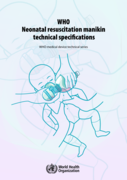
The United Nations Commission on Life-Saving Commodities (UNCLSC, 2012) defined 13 health products to end preventable deaths of woman and children. One of those 13 products is the neonatal resuscitator, is indispensable medical device to save newborns from asphyxia at birth. For the efficient use of
...
neonatal resuscitation, training of healthcare professionals using neonatal resuscitation manikins is the most effective approach. Critical lifesaving trainings calls for the need of neonatal resuscitation manikins with the right features.
The purpose of the WHO Neonatal resuscitation manikin: technical specifications is to provide a minimum standard baseline to meet the increasing demand to procure good quality, affordable, accessible, and appropriate neonatal resuscitation manikins. Towards the development of this baseline, this document includes compilation of available scientific evidence from technical literature, international publications, expert reviews, and an industry survey which was conducted by WHO medical devices team.
more
Recomendações da SBMFC para a APS durante a Pandemia de COVID-19 (Edicao 4)
Ricardo Heinzelmann, Rogerio Luz Coelho Neto et al.
Sociedade Brasileira de Medicina de Família e Comunidade
(2021)
CC
SBMFC Recommendations for PHC during the Pandemic of COVID-19 (edition 4)
This document answers questions and gives recommendations so that the Brazilian PHC can quickly receive the best possible scientific synthesis on the current situation of the pandemic of COVID-19
Phil. Trans. R. Soc. B (2010) 365, 2959–2971; doi:10.1098/rstb.2010.0143.
Agricultural ecosystems provide humans with food, forage, bioenergy and pharmaceuticals and are essential to human wellbeing. These systems rely on ecosystem services provided by natural ecosystems, including pollination, b
...
iological pest control, maintenance of soil structure and fertility, nutrient cycling and hydrological services. Preliminary assessments indicate that the value of these ecosystem services to agriculture is enormous and often underappreciated. Agroecosystems also produce a variety of ecosystem services, such as regulation of soil and water quality, carbon sequestration, support for biodiversity and cultural services. Depending on management practices, agriculture can also be the source of numerous disservices, including loss of wildlife habitat, nutrient runoff, sedimentation of waterways, greenhouse gas emissions, and pesticide poisoning of humans and non-target species. The tradeoffs that may occur between provisioning services and other ecosystem services and disservices should be evaluated in terms of spatial scale, temporal scale and reversibility. As more effective methods for valuing ecosystem services become available, the potential for ‘win–win’ scenarios increases. Under all scenarios, appropriate agricultural management practices are critical to realizing the benefits of ecosystem services and reducing disservices from agricultural activities.
more

21 January 2022
The overall threat posed by Omicron largely depends on four key questions: (i) how transmissible the variant is; (ii) how well vaccines and prior infection protect against infection, transmission, clinical disease and death; (iii) how virulent the variant is compared to other varian
...
ts; and (iv) how populations understand these dynamics, perceive risk and follow control measures, including public health and social measures (PHSM).
more

Eine Leitlinie “Long-/Post-COVID-Syndrom" für Betroffene, Angehörige, nahestehende und
pflegende Personen, die sich auf eine ärztliche Leitlinie stützt („S1-Leitlinie Long-/Post-COVID“
der AWMF; Registernummer 020 - 027)
Erste Ausgabe September 2021

This version of the glossary is substantially changed from the original. Some terms have been omitted, many have been modified in light of practical experiences and the evolution in concepts, and new terms have been added. The list of terms is not intended to be either exhaustive or exclusive, and d
...
raws upon the wide range of disciplines in which health promotion has its roots. Wherever possible, definitions are sourced or derived from existing, publicly accessible WHO documents. Specific sources are referenced, and where possible a web link is also provided to facilitate access to source documents. Hyperlinks were correct at the time of publication but are subject 2 Health Promotion Glossary of Terms 2021 to inevitable change. In some examples the definitions have been adapted to reflect the application of a term to the current health promotion context. Where relevant, this focus is acknowledged in individual definitions.
more
Klinische Falldefinition einer Post-COVID-19-Erkrankung gemäß Delphi-Konsens, 6.Oktober 2021
recommended
Die WHO hat mit Hilfe der Delphi-Methode eine klinische Falldefinition für das Post-COVID-19-Syndrom entwickelt, die 12 Domänen umfasst und in allen Bereichen verwendet werden kann. Diese erste Version wurde von Patienten, Forschern und anderen Personen aus allen WHO-Regionen entwickelt, wobei dav
...
on ausgegangen wird, dass sich die Definition ändern kann, wenn sich neue Erkenntnisse ergeben und sich unser Verständnis der Folgen von COVID-19 weiterentwickelt.
Die Post-COVID-19-Erkrankung tritt bei Personen mit einer wahrscheinlichen oder bestätigten SARS-CoV-2-Infektion in der Anamnese auf, in der Regel drei Monate nach dem Auftreten von COVID-19 mit Symptomen, die mindestens zwei Monate anhalten und nicht durch eine andere Diagnose erklärt werden können. Zu den häufigen Symptomen gehören Müdigkeit, Kurzatmigkeit, kognitive Störungen, aber auch andere Symptome, die sich im Allgemeinen auf das tägliche Leben auswirken. Die Symptome können nach der anfänglichen Genesung von einer akuten COVID-19-Episode neu auftreten oder nach der ersten Erkrankung fortbestehen. Die Symptome können auch schwanken oder im Laufe der Zeit wieder auftreten.
more
L'OMS a développé une définition de cas clinique de l'état post COVID-19 par la méthodologie Delphi qui comprend 12 domaines, disponible pour une utilisation dans tous les contextes. Cette première version a été élaborée par des patients, des chercheurs et d'autres personnes, représentant
...
toutes les Régions de l'OMS, étant entendu que la définition peut changer à mesure que de nouvelles preuves apparaissent et que notre compréhension des conséquences de la COVID-19 continue d'évoluer.
L'état post COVID-19 survient chez les personnes ayant des antécédents d'infection probable ou confirmée par le CoV-2 du SRAS, généralement 3 mois après l'apparition de symptômes qui durent au moins 2 mois et ne peuvent être expliqués par un autre diagnostic. Les symptômes courants comprennent la fatigue, l'essoufflement, le dysfonctionnement cognitif mais aussi d'autres et ont généralement un impact sur le fonctionnement quotidien. Les symptômes peuvent être d'apparition récente après le rétablissement initial d'un épisode aigu de COVID-19 ou persister depuis la maladie initiale. Les symptômes peuvent également fluctuer ou rechuter au fil du temps.
more
Adolescent girls and young women (AGYW) remain disproportionately affected by HIV in Eastern and Southern Africa (ESA), with 26 per cent of new infections attributed to this population. AGYW face many personal, social and structural barriers to access, uptake and use of traditional HIV prevention me
...
thods. Oral Pre-exposure Prophylaxis (PrEP) is proven to be highly effective as an additional prevention choice for reducing the risk of HIV acquisition, including for AGYW. Successful uptake and adherence to PrEP is critical in its effectiveness as an HIV prevention method, however, the current demand for PrEP by AGYW is low with suboptimal adherence.
Within the ESA region, there is currently great impetus to address these challenges and scale up PrEP for AGYW. A critical aspect of this is to leverage the learnings and evidence from implementation of how to improve the demand and quality of PrEP programming for this population. Improving the Quality of Pre-Exposure Prophylaxis Implementation for Adolescent Girls and Young Women in Eastern and Southern Africa examines the current efforts in the region to accelerate and scale up evidence-based PrEP delivery platforms. The implementation brief provides current knowledge and builds on WHO guidance to provide key considerations for implementation, including driving demand and improving quality, as well as focus on wider combination prevention and integration agendas.
more
(Synthesis Report 2021) [EN] - World Analysis on World about Agriculture, Climate Change and Environment, Drought, Flood and more; published on 09 Dec 2021 by FAO
The impact of disasters and crises on agriculture and food security: 2021
Food and Agriculture Organization of the United Nations
An IPCC Special Report on climate change, desertification,
land degradation, sustainable land management, food security,
and greenhouse gas fluxes in terrestrial ecosystems.
IPCC-Sonderbericht über Klimawandel, Desertifkation, Landdegradierung,
nachhaltiges Landmanagement, Ernährungssicherheit und
Treibhausgasfüsse in terrestrischen Ökosystemen
- Zusammenfassung für politische Entscheidungsträger