
Filter
2335
Text search:
Save
the
Children
International
Featured
213
736
Language
2136
113
61
36
33
31
20
12
7
5
4
4
3
3
3
2
2
2
2
2
2
2
2
2
2
2
1
1
1
1
1
1
1
1
1
1
1
1
1
1
1
1
1
1
1
1
1
1
Document type
1323
390
229
163
109
44
31
31
6
5
2
2
Countries / Regions
138
75
65
58
56
55
55
54
53
46
46
43
42
33
33
30
28
25
25
24
23
23
22
22
21
20
19
18
18
17
16
14
14
14
13
12
11
11
11
11
10
10
10
10
10
9
9
9
9
9
9
8
8
8
6
6
6
6
5
5
5
5
4
4
4
3
3
3
3
3
3
3
3
3
2
2
2
2
2
2
2
2
2
2
1
1
1
1
1
1
1
1
1
1
1
1
1
1
1
1
1
1
1
1
1
1
1
1
1
Authors & Publishers
198
91
82
72
54
49
49
46
45
41
24
21
17
16
16
16
15
14
13
13
13
12
12
11
11
10
10
10
10
9
9
9
9
8
8
8
8
8
8
8
7
7
7
7
7
7
7
7
7
6
6
6
6
6
6
6
6
6
5
5
5
5
5
5
5
5
5
4
4
4
4
4
4
4
4
4
4
4
4
4
4
4
4
4
4
4
4
4
4
4
4
4
4
4
4
4
3
3
3
3
3
3
3
3
3
3
3
3
3
3
3
3
3
3
3
3
3
3
3
3
3
3
3
3
3
3
3
3
3
3
3
3
3
3
3
3
3
3
3
3
3
3
3
3
3
3
3
3
2
2
2
2
2
2
2
2
2
2
2
2
2
2
2
2
2
2
2
2
2
2
2
2
2
2
2
2
2
2
2
2
2
2
2
2
2
2
2
2
2
2
2
2
2
2
2
2
2
2
2
2
2
2
2
2
2
2
2
2
2
2
2
2
2
2
2
2
2
2
2
2
2
2
2
2
2
2
2
2
2
2
2
2
2
2
2
2
2
2
2
2
2
2
2
2
2
2
2
2
2
2
2
2
2
2
2
2
2
2
2
2
2
2
2
2
2
2
2
2
2
2
2
2
2
2
2
2
2
2
2
2
2
2
2
2
2
2
2
2
2
2
2
2
2
2
2
2
2
2
2
2
2
2
2
2
2
2
2
2
2
2
2
1
1
1
1
1
1
1
1
1
1
1
1
1
1
1
1
1
1
1
1
1
1
1
1
1
1
1
1
1
1
1
1
1
1
1
1
1
1
1
1
1
1
1
1
1
1
1
1
1
1
1
1
1
1
1
1
1
1
1
1
1
1
1
1
1
1
1
1
1
1
1
1
1
1
1
1
1
1
1
1
1
1
1
1
1
1
1
1
1
1
1
1
1
1
1
1
1
1
1
1
1
1
1
1
1
1
1
1
1
1
1
1
1
1
1
1
1
1
1
1
1
1
1
1
1
1
1
1
1
1
1
1
1
1
1
1
1
1
1
1
1
1
1
1
1
1
1
1
1
1
1
1
1
1
1
1
1
1
1
1
1
1
1
1
1
1
1
1
1
1
1
1
1
1
1
1
1
1
1
1
1
1
1
1
1
1
1
1
1
1
1
1
1
1
1
1
1
1
1
1
1
1
1
1
1
1
1
1
1
1
1
1
1
1
1
1
1
1
1
1
1
1
1
1
1
1
1
1
1
1
1
1
1
1
1
1
1
1
1
1
1
1
1
1
1
1
1
1
1
1
1
1
1
1
1
1
1
1
1
1
1
1
1
1
1
1
1
1
1
1
1
1
1
1
1
1
1
1
1
1
1
1
1
1
1
1
1
1
1
1
1
1
1
1
1
1
1
1
1
1
1
1
1
1
1
1
1
1
1
1
1
1
1
1
1
1
1
1
1
1
1
1
1
1
1
1
1
1
1
1
1
1
1
1
1
1
1
1
1
1
1
1
1
1
1
1
1
1
1
1
1
1
1
1
1
1
1
1
1
1
1
1
1
1
1
1
1
1
1
1
1
1
1
1
1
1
1
1
1
1
1
1
1
1
1
1
1
1
1
1
1
1
1
1
1
1
1
1
1
1
1
1
1
1
1
1
1
1
1
1
1
1
1
1
1
1
1
1
1
1
1
1
1
1
1
1
1
1
1
1
1
1
1
1
1
1
1
1
1
1
1
1
1
1
1
1
1
1
1
1
1
1
1
1
1
1
1
1
1
1
1
1
1
1
1
1
1
1
1
1
1
1
1
1
1
1
1
1
1
1
1
1
1
1
1
1
1
1
1
1
1
1
1
1
1
1
1
1
1
1
1
1
1
1
1
1
1
1
1
1
1
1
1
1
1
1
1
1
1
1
1
1
1
1
1
1
1
1
1
1
1
1
1
1
1
1
1
1
1
1
1
1
1
1
1
1
1
1
1
1
1
1
1
1
1
1
1
1
1
1
1
1
1
1
1
1
1
1
1
1
1
1
1
1
1
1
1
1
1
1
1
1
1
1
1
1
1
1
1
1
1
1
1
1
1
1
1
1
1
1
1
1
1
1
1
1
1
1
1
1
1
1
1
1
1
1
1
1
1
1
1
1
1
1
1
1
1
1
1
1
1
1
1
1
1
1
1
1
1
1
1
1
1
1
1
1
1
1
1
1
1
1
1
1
1
1
1
1
1
1
1
1
1
1
1
1
1
1
1
1
1
1
1
1
1
1
1
1
1
1
1
1
1
1
1
1
1
1
1
1
1
1
1
1
1
1
1
1
1
1
1
1
1
1
1
1
1
1
1
1
1
1
1
1
1
1
1
1
1
1
1
1
1
1
1
1
1
1
1
1
1
1
1
1
1
1
1
1
1
1
1
1
1
1
1
1
1
1
1
1
1
1
1
1
1
1
1
1
1
1
1
1
1
1
1
1
1
1
1
1
1
1
1
1
1
1
1
1
1
1
1
1
1
1
1
1
1
1
1
1
1
1
1
1
1
1
1
1
1
1
1
1
1
1
1
1
1
1
1
1
1
1
1
1
1
1
1
1
1
1
1
1
1
1
1
1
1
1
1
1
1
1
1
1
1
1
1
1
1
1
1
1
1
1
1
1
1
1
1
1
1
1
1
1
1
1
1
1
1
1
1
1
1
1
1
1
1
1
1
1
1
1
1
1
1
1
1
1
1
1
1
1
1
1
1
1
1
1
1
1
1
1
1
1
1
1
1
1
1
1
1
1
1
1
1
1
1
1
1
1
1
1
1
1
1
1
1
1
1
1
1
1
1
1
1
1
1
1
1
1
1
1
1
1
1
1
1
1
1
1
1
1
1
1
1
1
1
1
1
1
1
1
1
1
1
1
1
1
1
1
1
1
1
1
1
1
1
1
1
1
1
1
1
1
1
1
1
1
1
1
1
1
1
1
1
1
1
1
1
1
1
1
1
1
1
1
1
1
1
1
1
1
1
1
1
1
1
1
1
1
1
1
1
1
1
1
1
1
1
1
1
1
1
1
1
1
1
1
1
1
1
1
1
1
1
1
1
1
1
1
1
1
1
1
1
1
1
1
1
1
1
1
1
1
1
1
1
1
1
1
1
1
1
1
1
1
1
1
1
1
1
1
1
1
1
1
1
1
1
1
1
1
1
1
1
1
1
1
1
1
1
1
1
1
1
1
1
1
1
1
1
1
1
1
1
1
1
1
1
1
1
1
1
1
1
1
1
1
1
1
1
1
1
1
1
1
1
1
1
1
1
1
1
1
1
1
1
1
1
1
1
1
1
1
1
1
1
1
1
1
1
1
1
1
1
1
1
1
1
1
1
1
1
1
1
1
1
1
1
1
1
1
1
1
1
1
1
1
1
1
1
1
1
1
1
1
1
1
1
1
1
1
1
1
1
1
1
1
1
1
1
1
1
1
1
1
1
1
1
1
1
1
1
1
1
1
1
1
1
1
1
1
1
1
1
1
1
1
1
1
1
1
1
1
1
1
1
1
1
1
1
1
1
1
1
1
1
1
1
1
1
1
1
1
1
1
1
1
1
1
1
1
1
1
1
1
1
1
1
1
1
1
1
1
1
1
1
1
1
1
1
1
1
1
1
1
1
1
1
1
1
1
1
1
1
1
1
1
1
1
1
1
1
1
1
1
1
1
1
1
1
1
1
1
1
1
1
1
1
1
1
1
1
1
1
1
1
1
1
1
1
1
1
1
1
1
1
1
1
1
1
1
1
1
1
1
1
1
1
1
1
1
1
1
1
1
1
1
1
1
1
1
1
1
1
1
1
1
1
1
1
1
1
1
1
1
1
1
1
1
1
1
1
1
1
1
1
1
1
1
1
1
1
1
1
1
1
1
1
1
1
1
1
1
1
1
1
1
1
1
1
1
1
1
1
1
1
1
1
1
1
1
1
1
1
1
1
1
1
1
1
1
1
1
1
1
1
1
1
1
1
1
1
1
1
1
1
1
1
1
1
1
1
1
1
1
1
1
1
1
1
1
1
1
1
1
1
1
1
1
1
1
1
1
1
1
1
1
1
1
1
1
1
1
1
1
1
1
1
1
1
1
1
1
1
1
1
1
1
1
1
1
1
1
1
1
1
1
1
1
1
1
1
1
1
1
1
1
1
1
1
1
1
1
1
1
1
1
1
1
1
1
1
1
1
1
1
1
1
1
1
1
1
1
1
1
1
1
1
1
1
1
1
1
1
1
1
1
1
1
1
1
1
1
1
1
1
1
1
1
1
1
1
1
1
1
1
1
1
1
1
1
1
1
1
1
1
1
1
1
1
1
1
1
1
1
1
1
1
1
1
1
1
1
1
1
1
1
1
1
1
1
1
1
1
1
1
1
1
1
1
1
1
1
1
1
1
1
1
1
1
1
1
1
1
1
1
1
1
1
1
1
1
1
1
1
1
1
1
1
1
1
1
1
1
1
1
1
1
1
1
1
1
1
1
1
1
1
1
1
1
1
1
1
1
1
1
1
1
1
1
1
1
1
1
1
1
1
1
1
1
1
1
1
1
1
1
1
1
1
1
1
1
1
1
1
1
1
1
1
1
1
1
1
1
1
1
1
1
1
1
1
1
1
1
1
1
1
1
1
1
1
1
1
1
1
1
1
1
1
1
1
1
1
1
1
1
1
1
1
1
Publication Years
607
1510
202
13
1
2
Category
829
261
217
113
113
46
6
Toolboxes
180
168
134
130
104
95
89
82
69
54
53
44
41
38
33
29
27
24
19
17
16
14
13
12
9
4
1
18 March 2020
WHO and public health authorities around the world are acting to contain the COVID-19 outbreak. However, this time of crisis is generating stress throughout
...
the population. The considerations presented in this document have been developed by the WHO Department of Mental Health and Substance Use as a series of messages that can be used in communications to support mental and psychosocial well-being in different target groups during the outbreak.
more
As information about COVID-19 is rapidly evolving, it can be challenging to navigate and synthesize all of the information. The purpose of this document is to provide a synthesized, indexed referenc
...
e of accurate, standardized COVID-19 information from trustworthy sources. Information is presented in simple, clear language to support the development of messages and materials needed for social and behavior change interventions.
more

It is too early to know the full impact of COVID-19 on Africa. To date the experience has been varied. There are causes for concern, but also reasons for hope. Early estimates were pessimistic regar
...
ding the pandemic’s impact on the continent. But the relatively low numbers of COVID-19 cases reported thus far have raised hopes that African countries may be spared the worst of the pandemic. While the virus is present in all African countries, most countries have recorded fewer than 1,000 cases. The African Union acted swiftly, endorsing a joint continental strategy in February, and complementing efforts by Member States and Regional Economic Communities by providing a public health platform.
more
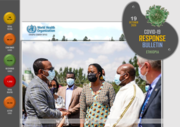
Summary of the Ethopian country office of WHO on COVID-19 activities.
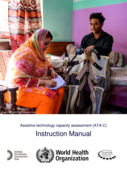
The assistive technology capacity assessment (ATA-C) is a system-level tool to evaluate a country’s capacity to finance, regulate, procure and provide assistive technology. It can be used for awareness raising, policy and programme design, and ong
...
oing monitoring and evaluation. This manual provides guidance and practical information on the ATA-C implementation process. The ATA-C is intended to be implemented by an experienced team, in collaboration with relevant ministries and users’ organizations.
more

The Vienna Declaration was signed at the end of the Fifth High-level Meeting on Transport, Health and Environment.
...
The virtual meeting, hosted by the Federal Government of Austria, brought together 46 ministers and representatives of 56 countries in the pan-European region.
The group discussed how to introduce substantial changes in transport and mobility systems in order to address multiple challenges such as ambient air pollution, greenhouse gas emissions, physical inactivity and noncommunicable diseases, and social inequity in access to transport and mobility.
more

Cancer in sub-Saharan Africa
recommended
Lancet Oncol 2022; 23: e251–312Published OnlineMay 9, 2022 https://doi.org/10.1016/S1470-2045(21)00720-8
In sub-Saharan Africa (SSA), urgent action is needed to curb a growing crisis in cancer incidence and mortality.
Without rapid interventions, data estimates show a major increase in cancer mo
...
rtality from 520 348 in 2020 to about
1 million deaths per year by 2030. Here, we detail the state of cancer in SSA, recommend key actions on the basis of
analysis, and highlight case studies and successful models that can be emulated, adapted, or improved across the
region to reduce the growing cancer crises. Recommended actions begin with the need to develop or update national
cancer control plans in each country. Plans must include childhood cancer plans, managing comorbidities such as
HIV and malnutrition, a reliable and predictable supply of medication, and the provision of psychosocial, supportive,
and palliative care. Plans should also engage traditional, complementary, and alternative medical practices employed
by more than 80% of SSA populations and pathways to reduce missed diagnoses and late referrals. More substantial
investment is needed in developing cancer registries and cancer diagnostics for core cancer tests.
more
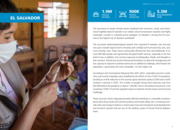
The recurrence of severe climate events combined with economic, social, and institutional fragilities leave El Salvador in an utterly critical humanitarian situation and highly vulnerable. Located in a disaster-prone subregion, El Salvador is among
...
the 20 countries at the highest risk of disasters worldwide. The successive hydrometeorological hazards that impacted El Salvador over the past two years include tropical storms Amanda and Cristóbal and hurricanes Eta, Iota, and,
more recently, Julia. These storms profoundly affected the lives and livelihoods of almost 900 000 people and significantly disrupted health services, especially at the first level of care. In addition, the country’s exposure to earthquakes, floods, and droughts is also constant. Infrastructural and institutional limitations to deal with emergencies and
low capacity to respond to adverse events are an additional challenge, which leaves the population—particularly the most vulnerable—at even higher risk.
more

The report summarizes the estimates of the burden of disease attributable to unsafe drinking water, sanitation, and hygiene for
...
the year 2019 for four health outcomes - diarrhoea, acute respiratory infections, soil-transmitted helminthiases, and undernutrition - which are included in the reporting of the Sustainable Development Goal indicator 3.9.2. The report includes estimates at global, regional and country level for 183 WHO Member States.
more
WHO guidelines on meningitis diagnosis, treatment and care. Web Annex C. Evidence-to-Decision frameworks
recommended
The guidelines are primarily intended for health-care professionals working in first- or second-level health-care facilities, including emergency, inpatient and outpatient services. They are also directed at policy-makers, health-care planners and p
...
rogramme managers, academic institutions, non-governmental and civil society organizations to inform capacity-building, teaching and research agendas.
Web annex A provides the quantitative evidence reports, Web annex B summarizes the qualitative and economic evidence and Web annex C presents the Evidence-to-Decision frameworks.
more

Global tuberculosis report 2025
recommended
The WHO Global tuberculosis report 2025 provides a comprehensive and up-to-date assessment of the TB epidemic and of progress in prevention, diagnosis and treatment of
...
the disease, at global, regional and country levels. This is done in the context of global TB commitments, strategies and targets.
The 2025 edition of the report is, as usual, based primarily on data gathered by WHO from national ministries of health in annual rounds of data collection. In 2025, 184 countries and areas with more than 99% of the world’s population and TB cases reported data.
more

UNHCR, the UN Refuge Agency, and NGO partners are launching an appeal for US$2.7 billion to address the live-saving humanitarian needs of South Sudanese refugees in 2019 and 2020.
Five years on sin
...
ce the onset of a brutal civil war, over 2.2 million South Sudanese refugees have sought safety in six neighboring countries Uganda, Sudan, Ethiopia, Kenya, the Democratic Republic of the Congo (DRC) and Central African Republic (CAR). Another 1.9 million remain internally displaced inside South Sudan
more
This report presents the findings from the Community Based Volunteers Skill Audit Survey that was carried out in 11 districts in Zambia as part of the
...
Millennium Development Goal Acceleration Initiative.
more
The Mtoto Mwerevu Stunting Reduction Toolkit is a resource for government and organisations involved in addressing stunting and broader nutrition issues in Tanzania. The toolkit was developed in con
...
junction with the Government of Tanzania (GoT) with funding from UK Aid as part of the Addressing Stunting in Tanzania Early (ASTUTE) programme. Its goal is to provide government, donors, non-governmental organisations, and civil society organisations (CSOs) with programming recommendations and tools to help implement successful multi-sectoral social and behaviour change (SBC) interventions aimed at preventing and reducing stunting.
more

Specific action sheets offer useful guidance on mental health and psychosocial support and cover the following areas coordination assessment monitoring and evaluation protection and human rights standards human resources community mobilisation and s
...
upport health services education dissemination of information food security and nutrition shelter and site planning and water and sanitationthe guidelines include a matrix with guidance for emergency planning actions to be taken in the early stages of an emergency and comprehensive responses needed in the recovery and rehabilitation phases
more
Camps is intended to help address the absence of public and standardized training resources for those seeking to use high resolution satellite imagery in support of refugee/IDP assistance operations. Students, general audiences, and volunteers study
...
ing and analyzing satellite imagery of displaced population camps may find this training resource beneficial.
more
The report covers possible developments in Indonesia over the next 10 months (to end 2016). Four scenarios are outlined:
Delayed Second Crop Harvest
Delayed and Reduced Second Crop Har
...
vest
La Niña disrupts main rural sources of income
Soaring rice prices
The scenarios were developed during a two-day workshop in Jakarta, Indonesia involving 21 organisations. Scenarios are a description of situations that could occur; a set of informed assumptions about a development that may require humanitarian action to support strategic planning, create awareness, provide early warning and promote preparedness activities for those responding to the crisis.
more
A key purpose of the Recovery Toolkit is to support countries in the reactivation of health services which may have suffered as a result of the eme
...
rgency. These services include ongoing programmes such as immunization and vaccinations, maternal and child health services, and noncommunicable diseases.
more
The approach is in line with two of the five objectives outlined in the Every Newborn Action Plan (ENAP): Strategic Objective 2 – Improve
...
the quality of maternal and newborn care; and Strategic Objective 5 – Count every newborn through measurement, programme-tracking and accountability to generate data for decision-making and action.
more

Gender and security is a complex issue, and this research found that there are different levels of comprehension of what it means in humanitarian and development assistance practice. The aims of the
...
paper are twofold: to raise general awareness about gender and how it relates to security risk management, and to provide practical tools for effective integration of gender-specific considerations to the existing security management practices. Document also available in French and Spanish.
more
