
Filter
4004
Text search:
World
Health
Organisation
Featured
330
928
Language
3387
584
178
95
82
69
55
50
13
6
6
6
5
5
5
5
4
4
4
4
4
4
4
4
4
4
3
3
3
3
3
2
2
2
2
2
2
2
2
2
2
2
2
1
1
1
1
1
1
1
1
1
1
1
1
1
1
Document type
1923
884
473
189
185
105
91
54
29
24
18
13
10
4
1
Countries / Regions
212
176
114
88
86
81
80
76
75
74
71
60
55
53
52
46
46
43
42
35
34
34
34
33
32
32
29
28
28
28
26
26
25
23
22
22
21
21
21
21
19
19
18
18
17
15
15
15
14
13
13
12
11
11
11
10
10
9
9
8
8
8
8
8
8
7
7
7
7
6
6
6
5
5
5
5
5
5
5
4
4
4
4
4
4
4
4
4
3
3
3
3
3
3
3
3
3
3
3
3
3
3
3
2
2
2
2
2
2
2
2
2
2
2
2
2
2
2
2
2
2
2
2
2
1
1
1
1
1
1
1
1
1
1
1
1
1
1
1
1
1
1
1
1
1
1
1
1
1
Authors & Publishers
635
282
112
86
83
78
53
51
49
43
35
35
33
23
22
22
22
20
19
19
19
18
17
17
16
15
15
14
14
14
13
13
13
12
12
12
11
11
11
11
11
11
10
10
10
9
9
9
9
9
9
8
8
8
7
7
7
7
7
7
7
7
7
7
7
6
6
6
6
6
6
6
6
6
6
6
6
6
6
6
6
6
6
6
5
5
5
5
5
5
5
5
5
5
5
5
5
5
5
5
5
5
5
5
5
5
5
5
4
4
4
4
4
4
4
4
4
4
4
4
4
4
4
4
4
4
4
4
4
4
4
4
4
4
4
4
4
4
4
4
4
4
4
4
4
4
4
4
4
4
4
4
4
4
3
3
3
3
3
3
3
3
3
3
3
3
3
3
3
3
3
3
3
3
3
3
3
3
3
3
3
3
3
3
3
3
3
3
3
3
3
3
3
3
3
3
3
3
3
3
3
3
3
3
3
3
3
3
3
3
3
3
3
3
3
3
3
3
3
3
3
3
3
3
3
3
3
3
3
3
3
3
3
3
3
2
2
2
2
2
2
2
2
2
2
2
2
2
2
2
2
2
2
2
2
2
2
2
2
2
2
2
2
2
2
2
2
2
2
2
2
2
2
2
2
2
2
2
2
2
2
2
2
2
2
2
2
2
2
2
2
2
2
2
2
2
2
2
2
2
2
2
2
2
2
2
2
2
2
2
2
2
2
2
2
2
2
2
2
2
2
2
2
2
2
2
2
2
2
2
2
2
2
2
2
2
2
2
2
2
2
2
2
2
2
2
2
2
2
2
2
2
2
2
2
2
2
2
2
2
2
2
2
2
2
2
2
2
2
2
2
2
2
2
2
2
2
2
2
2
2
2
2
2
2
2
2
2
2
2
2
2
2
2
2
2
2
2
2
2
2
2
2
2
2
2
2
2
2
2
2
2
2
2
2
2
2
2
2
2
2
2
2
2
2
2
2
2
2
1
1
1
1
1
1
1
1
1
1
1
1
1
1
1
1
1
1
1
1
1
1
1
1
1
1
1
1
1
1
1
1
1
1
1
1
1
1
1
1
1
1
1
1
1
1
1
1
1
1
1
1
1
1
1
1
1
1
1
1
1
1
1
1
1
1
1
1
1
1
1
1
1
1
1
1
1
1
1
1
1
1
1
1
1
1
1
1
1
1
1
1
1
1
1
1
1
1
1
1
1
1
1
1
1
1
1
1
1
1
1
1
1
1
1
1
1
1
1
1
1
1
1
1
1
1
1
1
1
1
1
1
1
1
1
1
1
1
1
1
1
1
1
1
1
1
1
1
1
1
1
1
1
1
1
1
1
1
1
1
1
1
1
1
1
1
1
1
1
1
1
1
1
1
1
1
1
1
1
1
1
1
1
1
1
1
1
1
1
1
1
1
1
1
1
1
1
1
1
1
1
1
1
1
1
1
1
1
1
1
1
1
1
1
1
1
1
1
1
1
1
1
1
1
1
1
1
1
1
1
1
1
1
1
1
1
1
1
1
1
1
1
1
1
1
1
1
1
1
1
1
1
1
1
1
1
1
1
1
1
1
1
1
1
1
1
1
1
1
1
1
1
1
1
1
1
1
1
1
1
1
1
1
1
1
1
1
1
1
1
1
1
1
1
1
1
1
1
1
1
1
1
1
1
1
1
1
1
1
1
1
1
1
1
1
1
1
1
1
1
1
1
1
1
1
1
1
1
1
1
1
1
1
1
1
1
1
1
1
1
1
1
1
1
1
1
1
1
1
1
1
1
1
1
1
1
1
1
1
1
1
1
1
1
1
1
1
1
1
1
1
1
1
1
1
1
1
1
1
1
1
1
1
1
1
1
1
1
1
1
1
1
1
1
1
1
1
1
1
1
1
1
1
1
1
1
1
1
1
1
1
1
1
1
1
1
1
1
1
1
1
1
1
1
1
1
1
1
1
1
1
1
1
1
1
1
1
1
1
1
1
1
1
1
1
1
1
1
1
1
1
1
1
1
1
1
1
1
1
1
1
1
1
1
1
1
1
1
1
1
1
1
1
1
1
1
1
1
1
1
1
1
1
1
1
1
1
1
1
1
1
1
1
1
1
1
1
1
1
1
1
1
1
1
1
1
1
1
1
1
1
1
1
1
1
1
1
1
1
1
1
1
1
1
1
1
1
1
1
1
1
1
1
1
1
1
1
1
1
1
1
1
1
1
1
1
1
1
1
1
1
1
1
1
1
1
1
1
1
1
1
1
1
1
1
1
1
1
1
1
1
1
1
1
1
1
1
1
1
1
1
1
1
1
1
1
1
1
1
1
1
1
1
1
1
1
1
1
1
1
1
1
1
1
1
1
1
1
1
1
1
1
1
1
1
1
1
1
1
1
1
1
1
1
1
1
1
1
1
1
1
1
1
1
1
1
1
1
1
1
1
1
1
1
1
1
1
1
1
1
1
1
1
1
1
1
1
1
1
1
1
1
1
1
1
1
1
1
1
1
1
1
1
1
1
1
1
1
1
1
1
1
1
1
1
1
1
1
1
1
1
1
1
1
1
1
1
1
1
1
1
1
1
1
1
1
1
1
1
1
1
1
1
1
1
1
1
1
1
1
1
1
1
1
1
1
1
1
1
1
1
1
1
1
1
1
1
1
1
1
1
1
1
1
1
1
1
1
1
1
1
1
1
1
1
1
1
1
1
1
1
1
1
1
1
1
1
1
1
1
1
1
1
1
1
1
1
1
1
1
1
1
1
1
1
1
1
1
1
1
1
1
1
1
1
1
1
1
1
1
1
1
1
1
1
1
1
1
1
1
1
1
1
1
1
1
1
1
1
1
1
1
1
1
1
1
1
1
1
1
1
1
1
1
1
1
1
1
1
1
1
1
1
1
1
1
1
1
1
1
1
1
1
1
1
1
1
1
1
1
1
1
1
1
1
1
1
1
1
1
1
1
1
1
1
1
1
1
1
1
1
1
1
1
1
1
1
1
1
1
1
1
1
1
1
1
1
1
1
1
1
1
1
1
1
1
1
1
1
1
1
1
1
1
1
1
1
1
1
1
1
1
1
1
1
1
1
1
1
1
1
1
1
1
1
1
1
1
1
1
1
1
1
1
1
1
1
1
1
1
1
1
1
1
1
1
1
1
1
1
1
1
1
1
1
1
1
1
1
1
1
1
1
1
1
1
1
1
1
1
1
1
1
1
1
1
1
1
1
1
1
1
1
1
1
1
1
1
1
1
1
1
1
1
1
1
1
1
1
1
1
1
1
1
1
1
1
1
1
1
1
1
1
1
1
1
1
1
1
1
1
1
1
1
1
1
1
1
1
1
1
1
1
1
1
1
1
1
1
1
1
1
1
1
1
1
1
1
1
1
1
1
1
1
1
1
1
1
1
1
1
1
1
1
1
1
1
1
1
1
1
1
1
1
1
1
1
1
1
1
1
1
1
1
1
1
1
1
1
1
1
1
1
1
1
1
1
1
1
1
1
1
1
1
1
1
1
1
1
1
1
1
1
1
1
1
1
1
1
1
1
1
1
1
1
1
1
1
1
1
1
1
1
1
1
1
1
1
1
1
1
1
1
1
1
1
1
1
1
1
1
1
1
1
1
1
1
1
1
1
1
1
1
1
1
1
1
1
1
1
1
1
1
1
1
1
1
1
1
1
1
1
1
1
1
1
1
1
1
1
1
1
1
1
1
1
1
1
1
1
1
1
1
1
1
1
1
1
1
1
1
1
1
1
1
1
1
1
1
1
1
1
1
1
1
1
1
1
1
1
1
1
1
1
1
1
1
1
1
1
1
1
1
1
1
1
1
1
1
1
1
1
1
1
1
1
1
1
1
1
1
1
1
1
1
1
1
1
1
1
1
1
1
1
1
1
1
1
1
1
1
1
1
1
1
1
1
1
1
1
1
1
1
1
1
1
1
1
1
1
1
1
1
1
1
1
1
1
1
1
1
1
1
1
1
1
1
1
1
1
1
1
1
1
1
1
1
1
1
1
1
1
1
1
1
1
1
1
1
1
1
1
1
1
1
1
1
1
1
1
1
1
1
1
1
1
1
1
1
1
1
1
1
1
1
1
1
1
1
1
1
1
1
1
1
1
1
1
1
1
1
1
1
1
1
1
1
1
1
1
1
1
1
1
1
1
1
1
1
1
1
1
1
1
1
1
1
1
1
1
1
1
1
1
1
1
1
1
1
1
1
1
1
1
1
1
1
1
1
1
1
1
1
1
1
1
1
1
1
1
1
1
1
1
1
1
1
1
1
1
1
1
1
1
1
1
1
1
1
1
1
1
1
1
1
1
1
1
1
1
1
1
1
1
1
1
1
1
1
1
1
1
1
1
1
1
1
1
1
1
1
1
1
1
1
1
1
1
1
1
1
1
1
1
1
1
1
1
1
1
1
1
1
1
1
1
1
1
1
1
1
1
1
1
1
1
1
1
1
1
1
1
1
1
1
1
1
1
1
1
1
1
1
1
1
1
1
1
1
1
1
1
1
1
1
1
1
1
1
1
1
1
1
1
1
1
1
1
1
1
1
1
1
1
1
1
1
1
1
1
1
1
1
1
1
1
1
1
1
1
1
1
1
1
1
1
1
1
1
1
1
1
1
1
1
1
1
1
1
1
1
1
1
1
1
1
1
1
1
1
1
1
1
1
1
1
1
1
1
1
1
1
1
1
1
1
1
1
1
1
1
1
1
1
1
1
1
1
1
1
1
1
1
1
1
1
1
1
1
1
1
1
1
1
1
1
1
1
1
1
1
1
1
1
1
1
1
1
1
1
1
1
1
1
1
1
1
1
1
1
1
1
1
1
1
1
1
1
1
1
1
1
1
1
1
1
1
1
1
1
1
1
1
1
1
1
1
1
1
1
1
1
1
1
1
1
1
1
1
1
1
1
1
1
1
1
1
1
1
1
1
1
1
1
1
1
1
1
1
1
1
1
1
1
1
1
1
1
1
1
1
1
1
1
1
1
1
1
1
1
1
1
1
1
1
1
1
1
1
1
1
1
1
1
1
1
1
1
1
1
1
1
1
1
1
1
1
1
1
1
1
1
1
1
1
1
1
1
1
1
1
1
1
1
1
1
1
1
1
1
1
1
1
1
1
1
1
1
1
1
1
1
1
1
1
1
1
1
1
1
1
1
1
1
1
1
1
1
1
1
1
1
1
1
1
1
1
1
1
1
1
1
1
1
1
1
1
1
1
1
1
1
1
1
1
1
1
1
1
1
1
1
1
1
1
1
1
1
1
1
1
1
1
1
1
1
1
1
1
1
1
1
1
1
1
1
1
1
1
1
1
1
1
1
1
1
1
1
1
1
1
1
1
1
1
1
1
1
1
1
1
1
1
1
1
1
1
1
1
1
1
1
1
1
1
1
1
1
1
1
1
1
1
1
1
1
1
1
1
1
1
1
1
1
1
1
1
1
1
1
1
1
1
1
1
1
1
1
1
1
1
1
1
1
1
1
1
1
1
1
1
1
1
1
1
1
1
1
1
1
1
1
1
1
1
1
1
1
1
1
1
1
1
1
1
1
1
1
1
1
1
1
1
1
1
1
1
1
1
1
1
1
1
1
1
1
1
1
1
1
1
1
1
1
1
1
1
1
1
1
1
1
1
1
1
1
1
1
1
1
1
1
1
1
1
1
1
1
1
1
1
1
1
1
1
1
1
1
1
1
1
1
1
1
1
1
1
1
1
1
1
1
1
1
1
1
1
1
1
1
1
1
1
1
1
1
1
1
1
1
1
1
1
1
1
1
1
1
1
1
1
1
1
1
1
1
1
1
1
1
1
1
1
1
1
1
1
1
1
1
1
1
1
1
1
1
1
1
1
1
1
1
1
1
1
1
1
1
1
1
1
1
1
1
1
1
1
1
1
1
1
1
1
1
1
1
1
1
1
1
1
1
1
1
1
1
1
1
1
1
1
1
1
1
1
1
1
1
1
1
1
1
1
1
1
1
1
1
1
1
1
1
1
1
1
1
1
1
1
1
1
1
1
1
1
1
1
1
1
1
1
1
1
1
1
1
1
1
1
1
1
1
1
1
1
1
1
1
1
1
1
1
1
1
1
1
1
1
1
1
1
1
1
1
1
1
1
1
1
1
1
1
1
1
1
1
1
1
1
1
1
1
1
1
1
1
1
1
1
1
1
1
1
1
1
1
1
1
1
1
1
1
1
1
1
1
1
1
1
1
1
1
1
1
1
1
1
1
1
1
1
1
1
1
1
1
1
1
1
1
1
1
1
1
1
1
1
1
1
1
1
1
1
1
1
1
1
1
1
1
1
1
1
1
1
1
1
1
1
1
1
1
1
1
1
1
1
1
1
1
1
1
1
1
1
1
1
1
1
1
1
1
1
1
1
1
1
1
1
1
1
1
1
1
1
1
1
1
1
1
1
1
1
1
1
1
1
1
1
1
1
1
1
1
1
1
1
1
1
1
1
1
1
1
1
1
1
1
1
1
1
1
1
1
1
1
1
1
1
1
1
1
1
1
1
1
1
1
1
1
1
1
1
1
1
1
1
1
1
1
1
1
1
1
1
1
1
1
1
1
1
1
1
1
1
1
1
1
1
1
1
1
1
1
1
1
1
1
1
1
1
1
1
1
1
1
1
1
1
1
1
1
1
1
1
1
1
1
1
1
1
1
1
1
1
1
1
1
1
1
1
1
1
1
1
1
1
1
1
1
1
1
1
1
1
1
1
1
1
1
1
1
1
1
1
1
1
1
1
1
1
1
1
1
1
1
1
1
1
1
1
1
1
1
1
1
1
1
1
1
1
1
1
1
1
1
1
1
1
1
1
1
1
1
1
1
1
1
1
1
1
1
1
1
1
1
1
1
1
1
1
1
1
1
1
1
1
1
1
1
1
Publication Years
1480
2205
295
22
1
1
Category
1450
269
233
209
182
64
36
2
Toolboxes
331
295
270
214
196
142
125
125
119
114
111
102
99
91
73
70
67
66
46
45
44
23
22
21
15
1
La quincuagésima primera Asamblea de la Salud Mundial aprobó la resolución WHA51.11 en
1998, que busca la eliminación mundial del tracoma como problema de salud pública para el 2020
(1). La estrategia recomendada para lograr ese objetivo está encapsulada por las siglas "SAFE", que
represent
...
a: La cirugía para los individuos con triquiasis tracomatosa (TT; la última etapa que causa
ceguera por tracoma); y Antibióticos, Limpieza Facial y Mejoramiento ambiental (2). Las
intervenciones A, F y E se llevan a distritos enteros en los que el tracoma activo (inflamatorio) es
común para tratar la infección ocular causada por Chlamydia trachomatis, el agente causal del
tracoma y reduce de manera sustentable su transmisión.
more
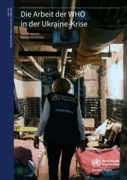
Der Krieg der Russischen Föderation gegen die Ukraine hat Leid und Verwüstung in einem in der Europäischen Region der WHO seit Jahrzehnten nicht gekannten Ausmaß verursacht. In der Ukraine spielt sich eine sich rasch entwickelnde humanitäre und Flüchtlingskrise ab, deren geopolitische und wirt
...
schaftliche Auswirkungen in der ganzen Welt zu spüren sind, ganz zu schweigen von den schwerwiegenden Rückschlägen für die in der öffentlichen Gesundheit gemachten Fortschritte in der Ukraine, in den
Nachbarländern und in der Region.
more
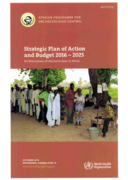
Strategic Plan of Action and Budget 2016 – 2025 for Elimination of Onchocerciasis in Africa
World Health Organization World Health Organization WHO
African Prgramme for Onchocerciasis Control
(2012)
C_WHO
The Strategic Plan of Action and Budget 2016-2025 for the elimination of onchocerciasisin countries was prepared based on the above dlrective for the consideration of IAF 18.The vision of the plan of action is to eliminate onchocerciasis in 80 percent of Africancountries. Implementation of the plan
...
will also help strengthen health systems at community level while implementing CDI wlll help scale-up interventions agalnst other NTDs to the benefit of the wider national health systems.
more

The development of this draft Proposed programme budget 2022–2023 comes at a unique moment for WHO. The world is in the grip of the coronavirus disease (COVID-19) pandemic and faces health, social
...
and economic consequences on an unprecedented scale. Although it is not known when the COVID-19 pandemic will end, recent encouraging vaccine results, in addition to the examples of countries that have achieved good results through public health measures, hold out the prospect of better days ahead. The full impact of the pandemic cannot yet be determined. But whatever its implications, the Secretariat will rise to the challenge and is ready to adapt so that it is fully equipped to support Member States for any eventuality in the future – to make sure that the world will never again have to face this kind of crisis.
more
Weekly epidemiological record WER9948-707-717
In English and French
Alcohol use is deeply embedded in the social landscape of many societies, and some 2300 million people drink alcoholic beverages in most parts of the world. At the same time, more than half of the global population aged 15 years and older reported h
...
aving abstained from drinking alcohol during the previous 12 months. Several major factors have an impact on levels and patterns of alcohol consumption in populations – such as historical trends in alcohol consumption, the availability of alcohol, culture, economic status and implemented alcohol control measures. At the individual level the patterns and levels of alcohol consumption are determined by multiple factors that include gender, age and individual biological and socioeconomic vulnerability factors as well as the policy environment. Prevailing social norms that support drinking behaviour and mixed messages about the harms and benefits of drinking may encourage alcohol consumption, delay appropriate health-seeking behaviour and weaken community action.
more

Communicable and non-communicable diseases in Africa in 2021/22
World Health Organization Africa Region; WHO Africa
World Health Organization Africa Region; WHO Africa
(2023)
C_WHO
This report is one of the first major products of the newly established Precision Public Health Metrics unit of the UCN cluster of the WHO Regional Office for Africa. The report presents national trends in communicable and non-communicable disease b
...
urden and control in the WHO African region. It tracks progress made with respect to disease burden reduction, elimination and eradication. It also highlights major emerging threats, opportunities and priorities in the fight against commu- nicable and non-communicable diseases in the region. It covers the period 2000-2022, but for some indicators, information is available only up to 2021.
The report shows the number of reported cases for malaria and vaccine preventable diseases (meningitis, measles, yellow fever, pertussis, diphtheria, tetanus, and polio); disease incidence due to HIV, tuberculosis and four major noncommunicable diseases (cardiovas- cular diseases, cancers, diabetes and chronic respira- tory diseases).
more
Key stakeholders must be involved in the planning, implementation, monitoring and evaluation of NCD plans and programmes. Within a ministry of health there will be different types of stakeholders, such as programme managers and senior managers in de
...
partments of prevention, health promotion, and hospital and health services. Other stakeholders may come from ministries for transport, economics, agriculture, and education, funding partners, nongovernmental organizations, civil society and community members. It is critical to ensure that there are clear and accurate descriptions of the policies, plans and programmes, so that all interventions, activities and desired outcomes are clearly understood by all involved in their evaluation.
more

The target audience of this document (and the associated online companion tool) includes WHO country offices in Member States of the African Region; Member States’ ministries of health and their public h
...
ealth emergency operation centres; relevant external assessment teams; and partners looking to identify preparedness gaps and
support interventions that help address them. In the event of a suspected or confirmed VHF case, the document also serves to provide any intervening partner with a sense of what structures should be in place, in order to guide
scale-up activities in line with regional and national plans.
more

Available in French and English

2nd edition. The purpose of this document is to provide a generic model that can be used for risk assessment of larviciding and mollusciciding; it aims to harmonize the risk assessment of such pesticides for public health use. The assessment consid
...
ers both adults and children (all age groups) as well as people in the following specific categories:
those handling products and preparing/loading the spray liquid in application equipment;
those applying the spray or other formulations; and
residents who may come into contact with treated waters during washing, bathing, fishing or any other activity, or use the treated waters.
more

This interim operational guide outlines infection prevention, control, and water, sanitation, and hygiene measures for home care and isolation of mpox in resource-limited settings. It focuses on practical strategies to manage and prevent the spread of the virus when persons with mpox are isolated at
...
home in settings with limited resources. This document is intended for health and care workers, caregivers, and public health authorities.
more

Mpox, previously known as monkeypox, is a viral illness caused by the monkeypox virus (MPXV).1
It causes a painful rash, enlarged lymph nodes, fever, headache, muscle ache, back pain and low energy or feeling sick. In most cases, the symptoms of mpox go away within a few weeks with supportive care
...
. In some people, the illness can be severe
or lead to complications and even death.
more

The objectives of this guideline are the same as those of the 2011 edition, namely to provide evidence-based normative guidance on interventions to improve adolescent morbidity and mortality by reducing the chances of early pregnancy and its resulting poor
...
health outcomes. The specific objectives of the guideline were to: 1. identify effective interventions to prevent early pregnancy by influencing factors such as early marriage, coerced sex, unsafe abortion, access to contraceptives and access to maternal health services by adolescents; and 2. provide an analytical framework for policy-makers and programme managers to use when selecting evidence-based interventions to prevent early pregnancy and negative health outcomes when they occur that are most appropriate for the needs of their countries and context. The recommendations and best practice statements described in this document aim to enable evidence-based decision-making with respect to preventing early pregnancy and poor reproductive outcomes among adolescents in low- and middle-income country contexts.
more

Despite being a preventable and curable infectious disease, tuberculosis (TB) has continued to elude global controll efforts. In 2023, 8.2 milion people with TB were diagnosed and notified to the WHO, the hightest number ever reported since WHO began tracking.

Drawing on the World Health Organization’s package of NCD best buys, the report demonstrates how these evidence-based measures can help countries reduce premature deaths, strengthen
...
health systems, and advance progress towards the Sustainable Development Goals. It provides policymakers, donors, advocates, and partners with a clear economic and social rationale for scaling up implementation of proven solutions. By framing NCD prevention and control as both a health and development priority, the report offers a roadmap for action that delivers benefits across populations, economies, and generations. The evidence is clear: investing in WHO’s best buys is not only possible—it is imperative. The time to act is now.
more
The global cholera statistics for 2024, showing an increase in both the number of people who fell sick and died from the disease.
Reported cholera cases rose by 5% and deaths by 50% in 2024 compared to 2023, with more than 6000 people dying from a disease that is both preventable and treatable. Whi
...
le these numbers are themselves alarming, they are underestimates of the true burden of cholera.
Weekly epidemiological record WER No 36, 2025, 100, 347–364
more

This document, with a focus on the built environment and health care facilities, intends to guide the audience in preparing for and responding to SARI pandemics caused by existing and novel pathogens. It provides technical guidance on designing, est
...
ablishing, and managing health care facilities for severe acute respiratory infections (SARI), covering point of entry, treatment centers, entry to health system facilities, quarantine and community facilities, and home care and quarantine.
more

The WHO publication “Surveillance, case investigation and contact tracing for mpox: interim guidance” provides updated global technical guidance on monitoring and responding to mpox (formerly known as monkeypox). It explains how countries should conduct surveillance to detect new outbreaks, car
...
ry out case investigation including clinical assessment and lab specimen collection, and perform contact tracing to monitor people exposed to confirmed or probable cases in order to stop transmission and protect at-risk groups. The guidance includes practical recommendations for how long contacts should be monitored (e.g., daily for 21 days without requiring quarantine if symptom-free) and advising good hygiene and reduced exposure risk during the monitoring period. This interim guidance is intended to support public health authorities worldwide in strengthening mpox outbreak detection, response, and reporting.
more

As countries presented their epidemiological and programmatic situations, and WHO summarized the global status of HAT, the central message was one of satisfaction with the remarkable progress towards elimination. A historically low number of cases was reported, despite maintaining high levels of act
...
ive and passive screening in all accessible at-risk areas. In addition, 10 countries have been officially validated for the elimination of HAT as a public health problem.
Time was also devoted to reviewing progress and challenges in the areas of diagnostics, therapeutics and vector control interventions.
more
