
Filter
966
Text search:
Haiti
Featured
84
309
Language
Document type
517
161
77
62
43
39
20
15
15
7
5
2
1
1
Countries
271
67
67
14
14
11
10
9
9
9
9
9
8
8
8
8
7
7
7
7
7
7
7
7
7
7
6
6
6
6
6
6
5
5
5
5
5
5
4
4
4
4
4
4
4
4
3
3
3
3
3
3
3
3
3
3
3
3
2
2
2
2
2
2
2
2
1
1
1
1
1
1
1
1
1
1
1
1
1
1
1
1
1
1
1
1
1
1
1
1
1
Authors & Publishers
Publication Years
Category
358
144
62
56
55
12
2
1
Toolboxes
85
76
62
60
44
39
39
30
27
23
22
22
21
18
18
18
15
13
11
7
5
5
4
3
3
2
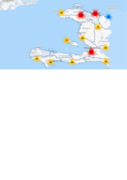
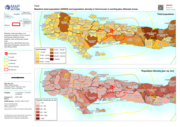
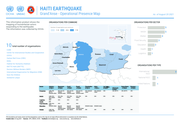
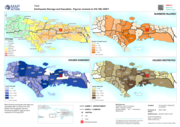
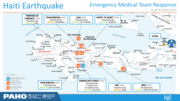
Baseline total population and population density in Communes in earthquake affected areas, together with earthquake shake map
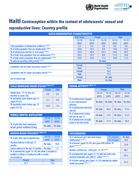
Country profile: Haiti
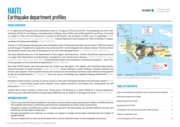
At least 2.2 million people were exposed to the earthquake, about 2,100 people have died, and more than 12,000 were injured as at 20 August. The death toll is expected to rise as the search for victims trapped under rubble continues. The Government has declared a month-long state of emergency for th
...
Earthquake Haiti: Guidelines and Resources
recommended
25 August 2021. The earthquake on August 14, 2021 was almost as strong as the severe quake in 2010, which killed about 300,000 people. The current number of victims is more than 2,200 people, and more than 12,000 people have been injured. More than 52,000 houses were destroyed and more than 77,000
...
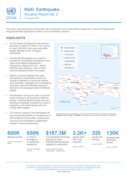
On 25 August, UN agencies and partners launched a US$187.3 million Flash Appeal to reach 500,000 of the most vulnerable people affected by the 14 August earthquake.
Around 650,000 people are in need of emergency humanitarian assistance in the three most affected departments – Grand’Anse, Nipp
...
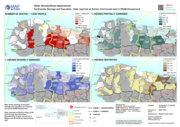
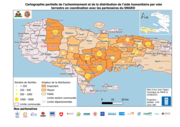
C’est dans ce contexte particulièrement complexe qu’ONU Femmes et CARE, sous le leadership du Ministère à la Condition féminine et aux Droits des femmes (MCFDF) et en coordination avec la Direction Générale de la Protection Civile (DGPC), ont lancé l’Analyse Rapide Genre qui se veut une
...

Strategical plan
Plan strategique
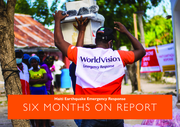
Six months after the earthquake, World Vision's efforts have made it possible to provide emergency assistance to selected beneficiaries among the most vulnerable through the distribution of food and hygiene kits and to address the psychosocial needs of children, adolescents, and young people deprive
...
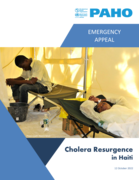
Après plus de trois ans sans cas, Haïti a signalé le 2 octobre 2022 un ensemble de cas de choléra dans la zone métropolitaine de Port-au-Prince, alors que le pays était sur le point d'être déclaré exempt de choléra.
Cette résurgence du c
...
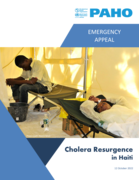
After more than three years without cases, Haiti reported on 2 October 2022 a cluster of cholera cases in the metropolitan area of Port-au-Prince, just as the country was on the verge of being declared cholera- free.
This cholera resurgence in
...
