
Filter
5257
Text search:
national
family
planning
Featured
452
1710
Language
5085
161
91
61
52
32
26
12
10
7
7
6
6
6
5
5
4
4
4
4
4
4
3
3
3
3
3
3
3
3
2
2
2
2
2
2
2
2
2
2
2
2
2
1
1
1
1
1
1
1
1
1
1
1
1
1
Document type
3247
697
586
305
201
104
53
38
9
8
4
3
1
Countries
335
202
174
160
138
133
125
122
119
115
112
104
97
94
93
91
85
73
69
62
59
55
54
49
49
46
45
43
40
39
37
35
34
30
28
28
28
24
23
22
21
20
20
17
17
17
17
16
16
16
15
15
13
12
12
11
10
10
10
10
8
8
8
8
8
7
7
7
6
6
6
6
5
5
5
5
5
4
4
4
3
3
3
3
3
3
3
3
3
3
2
2
2
2
2
2
2
2
2
2
2
2
2
2
2
2
2
2
2
1
1
1
1
1
1
1
1
1
1
1
1
1
1
1
1
1
1
1
1
1
1
1
1
1
1
1
1
1
1
1
1
Authors & Publishers
542
188
152
133
105
103
97
97
59
55
40
34
33
33
31
31
30
29
27
24
24
24
24
23
23
22
22
21
21
21
20
19
18
17
17
17
16
16
16
16
15
15
15
14
14
14
14
14
13
13
13
13
13
13
13
12
12
12
12
11
11
11
11
11
11
10
10
10
10
10
10
10
10
10
10
10
9
9
9
9
9
9
9
9
9
9
9
9
9
8
8
8
8
8
8
8
8
8
8
8
7
7
7
7
7
7
7
7
7
7
7
7
7
7
6
6
6
6
6
6
6
6
6
6
6
6
6
6
6
6
6
6
6
6
6
6
6
6
6
6
6
6
5
5
5
5
5
5
5
5
5
5
5
5
5
5
5
5
5
5
5
5
5
5
5
5
5
5
5
5
5
5
5
5
5
5
5
4
4
4
4
4
4
4
4
4
4
4
4
4
4
4
4
4
4
4
4
4
4
4
4
4
4
4
4
4
4
4
4
4
4
4
4
4
4
4
4
4
4
4
4
4
4
4
4
4
4
4
4
4
4
4
4
4
4
4
3
3
3
3
3
3
3
3
3
3
3
3
3
3
3
3
3
3
3
3
3
3
3
3
3
3
3
3
3
3
3
3
3
3
3
3
3
3
3
3
3
3
3
3
3
3
3
3
3
3
3
3
3
3
3
3
3
3
3
3
3
3
3
3
3
3
3
3
3
3
3
3
3
3
3
3
3
3
3
3
3
3
3
3
3
3
3
3
3
3
3
3
3
3
3
3
3
3
3
3
3
3
3
3
3
3
3
3
2
2
2
2
2
2
2
2
2
2
2
2
2
2
2
2
2
2
2
2
2
2
2
2
2
2
2
2
2
2
2
2
2
2
2
2
2
2
2
2
2
2
2
2
2
2
2
2
2
2
2
2
2
2
2
2
2
2
2
2
2
2
2
2
2
2
2
2
2
2
2
2
2
2
2
2
2
2
2
2
2
2
2
2
2
2
2
2
2
2
2
2
2
2
2
2
2
2
2
2
2
2
2
2
2
2
2
2
2
2
2
2
2
2
2
2
2
2
2
2
2
2
2
2
2
2
2
2
2
2
2
2
2
2
2
2
2
2
2
2
2
2
2
2
2
2
2
2
2
2
2
2
2
2
2
2
2
2
2
2
2
2
2
2
2
2
2
2
2
2
2
2
2
2
2
2
2
2
2
2
2
2
2
2
2
2
2
2
2
2
2
2
2
2
2
2
2
2
2
2
2
2
2
2
2
2
2
2
2
2
2
2
2
2
2
2
2
2
2
2
2
2
2
2
2
2
2
2
2
2
2
2
2
2
2
2
2
2
2
2
2
2
2
2
2
2
2
2
2
2
2
2
2
2
2
2
2
2
2
2
2
2
2
2
2
2
2
2
2
2
2
2
2
2
2
2
2
2
2
2
2
2
2
2
2
2
2
2
2
2
2
2
2
2
2
2
2
2
2
2
1
1
1
1
1
1
1
1
1
1
1
1
1
1
1
1
1
1
1
1
1
1
1
1
1
1
1
1
1
1
1
1
1
1
1
1
1
1
1
1
1
1
1
1
1
1
1
1
1
1
1
1
1
1
1
1
1
1
1
1
1
1
1
1
1
1
1
1
1
1
1
1
1
1
1
1
1
1
1
1
1
1
1
1
1
1
1
1
1
1
1
1
1
1
1
1
1
1
1
1
1
1
1
1
1
1
1
1
1
1
1
1
1
1
1
1
1
1
1
1
1
1
1
1
1
1
1
1
1
1
1
1
1
1
1
1
1
1
1
1
1
1
1
1
1
1
1
1
1
1
1
1
1
1
1
1
1
1
1
1
1
1
1
1
1
1
1
1
1
1
1
1
1
1
1
1
1
1
1
1
1
1
1
1
1
1
1
1
1
1
1
1
1
1
1
1
1
1
1
1
1
1
1
1
1
1
1
1
1
1
1
1
1
1
1
1
1
1
1
1
1
1
1
1
1
1
1
1
1
1
1
1
1
1
1
1
1
1
1
1
1
1
1
1
1
1
1
1
1
1
1
1
1
1
1
1
1
1
1
1
1
1
1
1
1
1
1
1
1
1
1
1
1
1
1
1
1
1
1
1
1
1
1
1
1
1
1
1
1
1
1
1
1
1
1
1
1
1
1
1
1
1
1
1
1
1
1
1
1
1
1
1
1
1
1
1
1
1
1
1
1
1
1
1
1
1
1
1
1
1
1
1
1
1
1
1
1
1
1
1
1
1
1
1
1
1
1
1
1
1
1
1
1
1
1
1
1
1
1
1
1
1
1
1
1
1
1
1
1
1
1
1
1
1
1
1
1
1
1
1
1
1
1
1
1
1
1
1
1
1
1
1
1
1
1
1
1
1
1
1
1
1
1
1
1
1
1
1
1
1
1
1
1
1
1
1
1
1
1
1
1
1
1
1
1
1
1
1
1
1
1
1
1
1
1
1
1
1
1
1
1
1
1
1
1
1
1
1
1
1
1
1
1
1
1
1
1
1
1
1
1
1
1
1
1
1
1
1
1
1
1
1
1
1
1
1
1
1
1
1
1
1
1
1
1
1
1
1
1
1
1
1
1
1
1
1
1
1
1
1
1
1
1
1
1
1
1
1
1
1
1
1
1
1
1
1
1
1
1
1
1
1
1
1
1
1
1
1
1
1
1
1
1
1
1
1
1
1
1
1
1
1
1
1
1
1
1
1
1
1
1
1
1
1
1
1
1
1
1
1
1
1
1
1
1
1
1
1
1
1
1
1
1
1
1
1
1
1
1
1
1
1
1
1
1
1
1
1
1
1
1
1
1
1
1
1
1
1
1
1
1
1
1
1
1
1
1
1
1
1
1
1
1
1
1
1
1
1
1
1
1
1
1
1
1
1
1
1
1
1
1
1
1
1
1
1
1
1
1
1
1
1
1
1
1
1
1
1
1
1
1
1
1
1
1
1
1
1
1
1
1
1
1
1
1
1
1
1
1
1
1
1
1
1
1
1
1
1
1
1
1
1
1
1
1
1
1
1
1
1
1
1
1
1
1
1
1
1
1
1
1
1
1
1
1
1
1
1
1
1
1
1
1
1
1
1
1
1
1
1
1
1
1
1
1
1
1
1
1
1
1
1
1
1
1
1
1
1
1
1
1
1
1
1
1
1
1
1
1
1
1
1
1
1
1
1
1
1
1
1
1
1
1
1
1
1
1
1
1
1
1
1
1
1
1
1
1
1
1
1
1
1
1
1
1
1
1
1
1
1
1
1
1
1
1
1
1
1
1
1
1
1
1
1
1
1
1
1
1
1
1
1
1
1
1
1
1
1
1
1
1
1
1
1
1
1
1
1
1
1
1
1
1
1
1
1
1
1
1
1
1
1
1
1
1
1
1
1
1
1
1
1
1
1
1
1
1
1
1
1
1
1
1
1
1
1
1
1
1
1
1
1
1
1
1
1
1
1
1
1
1
1
1
1
1
1
1
1
1
1
1
1
1
1
1
1
1
1
1
1
1
1
1
1
1
1
1
1
1
1
1
1
1
1
1
1
1
1
1
1
1
1
1
1
1
1
1
1
1
1
1
1
1
1
1
1
1
1
1
1
1
1
1
1
1
1
1
1
1
1
1
1
1
1
1
1
1
1
1
1
1
1
1
1
1
1
1
1
1
1
1
1
1
1
1
1
1
1
1
1
1
1
1
1
1
1
1
1
1
1
1
1
1
1
1
1
1
1
1
1
1
1
1
1
1
1
1
1
1
1
1
1
1
1
1
1
1
1
1
1
1
1
1
1
1
1
1
1
1
1
1
1
1
1
1
1
1
1
1
1
1
1
1
1
1
1
1
1
1
1
1
1
1
1
1
1
1
1
1
1
1
1
1
1
1
1
1
1
1
1
1
1
1
1
1
1
1
1
1
1
1
1
1
1
1
1
1
1
1
1
1
1
1
1
1
1
1
1
1
1
1
1
1
1
1
1
1
1
1
1
1
1
1
1
1
1
1
1
1
1
1
1
1
1
1
1
1
1
1
1
1
1
1
1
1
1
1
1
1
1
1
1
1
1
1
1
1
1
1
1
1
1
1
1
1
1
1
1
1
1
1
1
1
1
1
1
1
1
1
1
1
1
1
1
1
1
1
1
1
1
1
1
1
1
1
1
1
1
1
1
1
1
1
1
1
1
1
1
1
1
1
1
1
1
1
1
1
1
1
1
1
1
1
1
1
1
1
1
1
1
1
1
1
1
1
1
1
1
1
1
1
1
1
1
1
1
1
1
1
1
1
1
1
1
1
1
1
1
1
1
1
1
1
1
1
1
1
1
1
1
1
1
1
1
1
1
1
1
1
1
1
1
1
1
1
1
1
1
1
1
1
1
1
1
1
1
1
1
1
1
1
1
1
1
1
1
1
1
1
1
1
1
1
1
1
1
1
1
1
1
1
1
1
1
1
1
1
1
1
1
1
1
1
1
1
1
1
1
1
1
1
1
1
1
1
1
1
1
1
1
1
1
1
1
1
1
1
1
1
1
1
1
1
1
1
1
1
1
1
1
1
1
1
1
1
1
1
1
1
1
1
1
1
1
1
1
1
1
1
1
1
1
1
1
1
1
1
1
1
1
1
1
1
1
1
1
1
1
1
1
1
1
1
1
1
1
1
1
1
1
1
1
1
1
1
1
1
1
1
1
1
1
1
1
1
1
1
1
1
1
1
1
1
1
1
1
1
1
1
1
1
1
1
1
1
1
1
1
1
1
1
1
1
1
1
1
1
1
1
1
1
1
1
1
1
1
1
1
1
1
1
1
1
1
1
1
1
1
1
1
1
1
1
1
1
1
1
1
1
1
1
1
1
1
1
1
1
1
1
1
1
1
1
1
1
1
1
1
1
1
1
1
1
1
1
1
1
1
1
1
1
1
1
1
1
1
1
1
1
1
1
1
1
1
1
1
1
1
1
1
1
1
1
1
1
1
1
1
1
1
1
1
1
1
1
1
1
1
1
1
1
1
1
1
1
1
1
1
1
1
1
1
1
1
1
1
1
1
1
1
1
1
1
1
1
1
1
1
1
1
1
1
1
1
1
1
1
1
1
1
1
1
1
1
1
1
1
1
1
1
1
1
1
1
1
1
1
1
1
1
1
1
1
1
1
1
1
1
1
1
1
1
1
1
1
1
1
1
1
1
1
1
1
1
1
1
1
1
1
1
1
1
1
1
1
1
1
1
1
1
1
1
1
1
1
1
1
1
1
1
1
1
1
1
1
1
1
1
1
1
1
1
1
1
1
1
1
1
1
1
1
1
1
1
1
1
1
1
1
1
1
1
1
1
1
1
1
1
1
1
1
1
1
1
1
1
1
1
1
1
1
1
1
1
1
1
1
1
1
1
1
1
1
1
1
1
1
1
1
1
1
1
1
1
1
1
1
1
1
1
1
1
1
1
1
1
1
1
1
1
1
1
1
1
1
1
1
1
1
1
1
1
1
1
1
1
1
1
1
1
1
1
1
1
1
1
1
1
1
1
1
1
1
1
1
1
1
1
1
1
1
1
1
1
1
1
1
1
1
1
1
1
1
1
1
1
1
1
1
1
1
1
1
1
1
1
1
1
1
1
1
1
1
1
1
1
1
1
1
1
1
1
1
1
1
1
1
1
1
1
1
1
1
1
1
1
1
1
1
1
1
1
1
1
1
1
1
1
1
1
1
1
1
1
1
1
1
1
1
1
1
1
1
1
1
1
1
1
1
1
1
1
1
1
1
1
1
1
1
1
1
1
1
1
1
1
1
1
1
1
1
1
1
1
1
1
1
1
1
1
1
1
1
1
1
1
1
1
1
1
1
1
1
1
1
1
1
1
1
1
1
1
1
1
1
1
1
1
1
1
1
1
1
1
1
1
1
1
1
1
1
1
1
1
1
1
1
1
1
1
1
1
1
1
1
1
1
1
1
1
1
1
1
1
1
1
1
1
1
1
1
1
1
1
1
1
1
1
1
1
1
1
1
1
1
1
1
1
1
1
1
1
1
1
1
1
1
1
1
1
1
1
1
1
1
1
1
1
1
1
1
1
1
1
1
1
1
1
1
1
1
1
1
1
1
1
1
1
1
1
1
1
1
1
1
1
1
1
1
1
1
1
1
1
1
1
1
1
1
1
1
1
1
1
1
1
1
1
1
1
1
1
1
1
1
1
1
1
1
1
1
1
1
1
1
1
1
1
1
1
1
1
1
1
1
1
1
1
1
1
1
1
1
1
1
1
1
1
1
1
1
1
1
1
1
1
1
1
1
1
1
1
1
1
1
1
1
1
1
1
1
1
1
1
1
1
1
1
1
1
1
1
1
1
1
1
1
1
1
1
1
1
1
1
1
1
1
1
1
1
1
1
1
1
1
1
1
1
1
1
1
1
1
1
1
1
1
1
1
1
1
1
1
1
1
1
1
1
1
1
1
1
1
1
1
1
1
1
1
1
1
1
1
1
1
1
1
1
1
1
1
1
1
1
1
1
1
1
1
1
1
1
1
1
1
1
1
1
1
1
1
1
1
1
1
1
1
1
1
1
1
1
1
1
1
1
1
1
1
1
1
1
1
1
1
1
1
1
1
1
1
1
1
1
1
1
1
1
1
1
1
1
1
1
1
1
1
1
1
1
1
1
1
1
1
1
1
1
1
1
1
1
1
1
1
1
1
1
1
1
1
1
1
1
1
1
1
1
1
1
1
1
1
1
1
1
1
1
1
1
1
1
1
1
1
1
1
1
1
1
1
1
1
1
1
1
1
1
1
1
1
1
1
1
1
1
1
1
1
1
1
1
1
1
1
1
1
1
1
1
1
1
1
1
1
1
1
1
1
1
1
1
1
1
1
1
1
1
1
1
1
1
1
1
1
1
1
1
1
1
1
1
1
1
1
1
1
1
1
1
1
1
1
1
1
1
1
1
1
1
1
1
1
1
1
1
1
1
1
1
1
1
1
1
1
1
1
1
1
1
1
1
1
1
1
1
1
1
1
1
1
1
1
1
1
1
1
1
1
1
1
1
1
1
1
1
1
1
1
1
1
1
1
1
1
1
1
1
1
1
1
1
1
1
1
1
1
1
1
1
1
1
1
1
1
1
1
1
1
1
1
1
1
1
1
1
1
1
1
1
1
1
1
1
1
1
1
1
1
1
1
1
1
1
1
1
1
1
1
1
1
1
1
1
1
1
1
1
1
1
1
1
1
1
1
1
1
1
1
1
1
1
1
1
1
1
1
1
1
1
1
1
1
1
1
1
1
1
1
1
1
1
1
1
1
1
1
1
1
1
1
1
1
1
1
1
1
1
1
1
1
1
1
1
1
1
1
1
1
1
1
1
1
1
1
1
1
1
1
1
1
1
1
1
1
1
1
1
1
1
1
1
1
1
1
1
1
1
1
1
1
1
1
1
1
1
1
1
1
1
1
1
1
1
1
1
1
1
1
1
1
1
1
1
1
1
1
1
1
1
1
1
1
1
1
1
1
1
1
1
1
1
1
1
1
1
1
1
1
1
1
1
1
1
1
1
1
1
1
1
1
1
1
1
1
1
1
1
1
1
1
1
1
1
1
1
1
1
1
1
1
1
1
1
1
1
1
1
1
1
1
1
1
1
1
1
1
1
1
1
1
1
1
1
1
1
1
1
1
1
1
1
1
1
1
1
1
1
1
1
1
1
1
1
1
1
1
1
1
1
1
1
1
1
1
1
1
1
1
1
1
1
1
1
1
1
1
1
1
1
1
1
1
1
1
1
1
1
1
1
1
1
1
1
1
1
1
1
1
1
1
1
1
1
1
1
1
1
1
1
1
1
1
1
1
1
1
1
1
1
1
1
1
1
1
1
1
1
1
1
1
1
1
1
1
1
1
1
1
1
1
1
1
1
1
1
1
1
1
1
1
1
1
1
1
1
1
1
1
1
1
1
1
1
1
1
1
1
1
1
1
1
1
1
1
1
1
1
1
1
1
1
1
1
1
1
1
1
1
1
1
1
1
1
1
1
1
1
1
1
1
1
1
1
1
1
1
1
1
1
1
1
1
1
1
1
1
1
1
1
1
1
1
1
1
1
1
1
1
1
1
1
1
1
1
1
1
1
1
1
1
1
1
1
1
1
1
1
1
1
1
1
1
1
1
1
1
1
1
1
1
1
1
1
1
1
1
1
1
1
1
1
1
1
1
1
1
1
1
1
1
1
1
1
1
1
1
1
1
1
1
1
1
1
1
1
1
1
1
1
1
1
1
1
1
1
1
1
1
1
1
1
1
1
1
1
1
1
1
1
1
1
1
1
1
1
1
1
1
1
1
1
1
1
1
1
1
1
1
1
1
1
1
1
1
1
1
1
1
1
1
1
1
1
1
1
1
1
1
1
1
1
1
1
1
1
1
1
1
1
1
1
1
1
1
1
1
1
1
1
1
1
1
1
1
1
1
1
1
1
1
1
1
1
1
1
1
1
1
1
1
1
1
1
1
1
1
1
1
1
1
1
1
1
1
1
1
1
1
1
1
1
1
1
1
1
1
1
1
1
1
1
1
1
1
1
1
1
1
1
1
1
1
1
1
1
1
1
1
1
1
1
1
1
1
1
1
1
1
1
1
1
1
1
1
1
1
1
1
1
1
1
1
1
1
1
1
1
1
1
1
1
1
1
1
1
1
1
1
1
1
1
1
1
1
1
1
1
1
1
1
1
1
1
1
1
1
1
1
1
1
1
1
1
1
1
1
1
1
1
1
1
1
1
1
1
1
1
1
1
1
1
1
1
1
1
1
1
1
1
1
1
1
1
1
1
1
1
1
1
1
1
1
1
1
1
1
1
1
1
1
1
1
1
1
1
1
1
1
1
1
1
1
1
1
1
1
1
1
1
1
1
1
1
1
1
1
1
1
1
1
1
1
1
1
1
1
1
1
1
1
1
1
1
1
1
1
1
1
1
1
1
1
1
1
1
1
1
1
1
1
1
1
1
1
1
1
1
1
1
1
1
1
1
1
1
1
1
1
1
1
1
1
1
1
1
1
1
1
1
1
1
1
1
1
1
1
1
1
1
1
1
1
1
1
1
1
1
1
1
1
Publication Years
1
1249
3431
550
24
2
Category
2494
380
340
303
299
136
18
1
Toolboxes
431
300
282
180
171
170
148
131
110
107
91
90
90
68
63
55
53
38
38
35
29
26
23
21
18
5
2

Rwanda first confirmed cases of coronavirus disease 2019 (COVID-19) in March 2020. Although the number of cases has been low, health system resources are being redirected to respond and an increasing number of children are affected by the socio-economic impacts of the pandemic, including disruptions
...
to schooling and heightened protection risks.
While Rwanda remained Ebola-free during the outbreak, it remains a priority country and continues to maintain its Ebola preparedness. Rwanda is also home to 147,000 refugees, half of whom are children, who require assistance in and outside of camps.1 In 2021, UNICEF will continue to deliver life-saving services to refugees and children and families affected by COVID-19 and its socio-economic impacts, and maintain its Ebola preparedness and contingency planning.
more
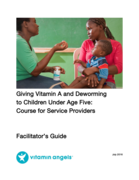
This Course for Service Providers on how to give Vitamin A Supplementation and Deworming (VAS+D) uses both a Learner’sGuide and a Facilitator’s Guide. The Learner’s Guide is designed for participants in the course who are healthcare workers or trainers learning to deliver vitamin A and Albenda
...
zole(for deworming) as part of regular activities associated with community or facility-based health care services, while the Facilitator’s Guide is designed for course facilitators who are planning and conducting courses .
more

These guidelines group all recommendations on TB care and support in one document and are complemented by an operational handbook. The guidelines are to be used primarily by national TB programmes, or their equivalents in Ministries of Health,
...
stakeholders and technical organizations working on TB care in the public and private sectors and in the community.
more

In the context of the coronavirus disease (COVID-19) pandemic response, WHO identifies young people as a priority target audience with specific concerns, experiences and behaviours. This policy brief provides relevant insights from behavioural evidence and a set of behavioural considerations for tho
...
se promoting COVID-19 preventive behaviours among young people. Designers of programmes and initiatives targeting youth may find it helpful to refer to the youth-specific barriers and drivers identified in this policy brief and to prioritize these for testing when planning initiatives targeted at young people.
more

The WHO Guidance on community mental health services: Promoting person-centred and rights-based approaches document is part of the WHO Guidance and technical packages on community mental health services set of publications. It provides a detailed description of person-centred and human rights-based
...
approaches in mental health, and summary examples of good practice services around the world. It describes the linkages needed with housing, education, employment and social protection sectors, and presents examples of integrated regional and national networks of community-based mental health services. Specific recommendations and action steps are presented for developing community mental health services that respect human rights and focus on recovery. This comprehensive document is accompanied by a set of seven technical packages focused on specific categories of mental health services and guidance for setting up new services.
The WHO Guidance on community mental health services: Promoting person-centred and rights-based approaches is a set of publications that provides information and support to all stakeholders who wish to develop or transform their mental health system and services to align with international human rights standards including the UN Convention on the Rights of Persons with Disabilities.
more
The WHO Guidance on community mental health services: Promoting person-centred and rights-based approaches document is part of the WHO Guidance and technical packages on community mental health services set of publications. It provides a detailed description of person-centred and human rights-based
...
approaches in mental health, and summary examples of good practice services around the world. It describes the linkages needed with housing, education, employment and social protection sectors, and presents examples of integrated regional and national networks of community-based mental health services. Specific recommendations and action steps are presented for developing community mental health services that respect human rights and focus on recovery. This comprehensive document is accompanied by a set of seven technical packages focused on specific categories of mental health services and guidance for setting up new services.
The WHO Guidance on community mental health services: Promoting person-centred and rights-based approaches is a set of publications that provides information and support to all stakeholders who wish to develop or transform their mental health system and services to align with international human rights standards including the UN Convention on the Rights of Persons with Disabilities.
more
The WHO Guidance on community mental health services: Promoting person-centred and rights-based approaches document is part of the WHO Guidance and technical packages on community mental health services set of publications. It provides a detailed description of person-centred and human rights-based
...
approaches in mental health, and summary examples of good practice services around the world. It describes the linkages needed with housing, education, employment and social protection sectors, and presents examples of integrated regional and national networks of community-based mental health services. Specific recommendations and action steps are presented for developing community mental health services that respect human rights and focus on recovery. This comprehensive document is accompanied by a set of seven technical packages focused on specific categories of mental health services and guidance for setting up new services.
The WHO Guidance on community mental health services: Promoting person-centred and rights-based approaches is a set of publications that provides information and support to all stakeholders who wish to develop or transform their mental health system and services to align with international human rights standards including the UN Convention on the Rights of Persons with Disabilities.
more
The WHO Guidance on community mental health services: Promoting person-centred and rights-based approaches document is part of the WHO Guidance and technical packages on community mental health services set of publications. It provides a detailed description of person-centred and human rights-based
...
approaches in mental health, and summary examples of good practice services around the world. It describes the linkages needed with housing, education, employment and social protection sectors, and presents examples of integrated regional and national networks of community-based mental health services. Specific recommendations and action steps are presented for developing community mental health services that respect human rights and focus on recovery. This comprehensive document is accompanied by a set of seven technical packages focused on specific categories of mental health services and guidance for setting up new services.
The WHO Guidance on community mental health services: Promoting person-centred and rights-based approaches is a set of publications that provides information and support to all stakeholders who wish to develop or transform their mental health system and services to align with international human rights standards including the UN Convention on the Rights of Persons with Disabilities.
more
The WHO Guidance on community mental health services: Promoting person-centred and rights-based approaches document is part of the WHO Guidance and technical packages on community mental health services set of publications. It provides a detailed description of person-centred and human rights-based
...
approaches in mental health, and summary examples of good practice services around the world. It describes the linkages needed with housing, education, employment and social protection sectors, and presents examples of integrated regional and national networks of community-based mental health services. Specific recommendations and action steps are presented for developing community mental health services that respect human rights and focus on recovery. This comprehensive document is accompanied by a set of seven technical packages focused on specific categories of mental health services and guidance for setting up new services.
The WHO Guidance on community mental health services: Promoting person-centred and rights-based approaches is a set of publications that provides information and support to all stakeholders who wish to develop or transform their mental health system and services to align with international human rights standards including the UN Convention on the Rights of Persons with Disabilities.
more

The WHO Guidance on community mental health services: Promoting person-centred and rights-based approaches document is part of the WHO Guidance and technical packages on community mental health services set of publications. It provides a detailed description of person-centred and human rights-based
...
approaches in mental health, and summary examples of good practice services around the world. It describes the linkages needed with housing, education, employment and social protection sectors, and presents examples of integrated regional and national networks of community-based mental health services. Specific recommendations and action steps are presented for developing community mental health services that respect human rights and focus on recovery. This comprehensive document is accompanied by a set of seven technical packages focused on specific categories of mental health services and guidance for setting up new services.
The WHO Guidance on community mental health services: Promoting person-centred and rights-based approaches is a set of publications that provides information and support to all stakeholders who wish to develop or transform their mental health system and services to align with international human rights standards including the UN Convention on the Rights of Persons with Disabilities.
more

The WHO Guidance on community mental health services: Promoting person-centred and rights-based approaches document is part of the WHO Guidance and technical packages on community mental health services set of publications. It provides a detailed description of person-centred and human rights-based
...
approaches in mental health, and summary examples of good practice services around the world. It describes the linkages needed with housing, education, employment and social protection sectors, and presents examples of integrated regional and national networks of community-based mental health services. Specific recommendations and action steps are presented for developing community mental health services that respect human rights and focus on recovery. This comprehensive document is accompanied by a set of seven technical packages focused on specific categories of mental health services and guidance for setting up new services.
The WHO Guidance on community mental health services: Promoting person-centred and rights-based approaches is a set of publications that provides information and support to all stakeholders who wish to develop or transform their mental health system and services to align with international human rights standards including the UN Convention on the Rights of Persons with Disabilities.
more

More than 700 000 people lose their life to suicide every year. The world is not on track to reach the 2030 suicide reduction targets. WHO advocates for countries to take action to prevent suicide, ideally through a comprehensive national suicide pr
...
evention strategy. Governments and communities can contribute to suicide prevention by implementing LIVE LIFE – WHO’s approach to starting suicide prevention so that countries can build on it further to develop a comprehensive national suicide prevention strategy. The guide is for all countries, with or without a national suicide prevention strategy; national or local focal points for suicide prevention, mental health, alcohol or NCDs; and community stakeholders with a vested interest or who may already be engaged in implementing suicide prevention activities.
Excecutive Summary available in English, French, Arabic, Chinese, Russian and Spanisch here:
more

This document is based on currently available scientific evidence on treatment for drug use disorders and sets out a framework for the implementation of the Standards, in line with principles of public health care. The Standards identify major components and features of effective systems for the tre
...
atment of drug use disorders. They describe treatment modalities and interventions to match the needs of people at different stages and severities of drug use disorders, in a manner consistent with the treatment of any chronic disease or health condition. The Standards are aspirational, and such, national or local treatment services or systems need not attempt to meet all the standards and recommendations made in this document all at once. However over time, progressive quality improvement, with ‘evidence-based and ethical practice’ as an objective, can and should be expected to achieve better organized, more effective and ethical systems and services for people with drug use disorders.
more
As the global community aims to fulfill its commitments to the UN Sustainable Development Goals, and the achievement of universal health coverage, dozens of countries have committed to the expansion of community health workers (CHWs) as the front line of their healthcare systems [1, 2]. Robust resea
...
rch demonstrates CHWs improve access to care, reduce maternal, newborn, and child mortality, improve clinical outcomes for chronic diseases, and prevent disease outbreaks [3].
To support the operationalization of quality CHW program design and implementation, USAID, UNICEF, the Community Health Impact Coalition, and Initiatives Inc. have updated and adapted the Community Health Worker Assessment and Improvement Matrix (CHW AIM) Program Functionality Matrix [12]. This tool can be used to identify design and implementation gaps in both small- and national-scale CHW programs, and close gaps in policy and practice.
more

This rapid communication outlines the main outcomes of a WHO convened Guideline Development Group (GDG) meeting, held in May-June 2021 on the topic of the management of TB in children and adolescents. The rapid communication aims to inform staff from ministries of health and care providers across p
...
ublic and private sectors, technical partners and other stakeholders about the key findings, considerations and changes related to the diagnosis, treatment and care of TB for children and adolescents, in order to allow for planning at the country level ahead of the release of updated guidelines and an associated operational handbook. WHO will publish the guidelines and operational handbook in the coming months.
more

UNHCR’s Public Health Strategy 2021-2025 is based on the lessons learnt, and builds on the achievements, of the Global Strategy for Public Health 2014-2018.
Progress was made on policies favouring inclusion and integration into national systems3
...
with 92% of 48 operations surveyed reporting refugees having access to national primary health care facilities under the same conditions as nationals and 96% reporting refugees having access to all relevant vaccines under the same conditions as nationals. While many refugee hosting countries have policies that allow refugees to access national health services, many face partial access, prohibitive out-of-pocket expenditures and other barriers including distance to facilities, language and provider acceptance. Furthermore, more work is needed on strengthening these systems to be able to meet the needs of both host communities and refugees.
more
As countries commit to achieving universal health coverage, it is imperative to ensure that the design and delivery of palliative care services place attention on quality of care, with action needed across all domains of quality health services: effectiveness, safety, people-centredness, timeliness,
...
equity, integration and efficiency. Providing compassionate, dignified and people-centred palliative care is an ethical responsibility of health systems.
This document provides a practical resource to support implementation of sustainable improvements in the quality of palliative care. It describes approaches to quality policy, strategy and planning for palliative care programmes and services, presents learning on quality of care arising from palliative care programmes, and offers considerations on measurement of quality palliative care services at all levels of the health system. The document also highlights relevant WHO resources available that further support the development of quality palliative care services.
The audience for this document is a general one that includes policy-makers, palliative care service planners, managers, practitioners and health care providers at all levels.
more
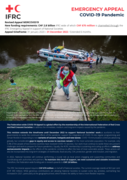
New funding requirements: CHF 2.8 billion IFRC-wide of which CHF 670 million is channelled through the IFRC Emergency Appeal in support of National Societies
Covid-19 Social Policy Response Series / No.14
This report examines Ecuador’s social policy response to mitigate the Covid-19 pandemic’s effects and protect
vulnerable populations. It chronologically traces containment, closure policies, social policies and programmes
put in place following t
...
he announcement of Covid-19 as a global pandemic. A combination of external con-
straints and domestic structures, i.e. informality and weak coordination, led to truncated efforts in the healthcare
response, while persistent inequalities in access to technology and high levels of informality led to fragmented
education, labour policies and social protection responses. The report zooms into the Family Protection Grant
(Bono de Protección Familiar or BPF), a new social protection programme that covers informal workers, which
captures the difficulties in reaching unregistered populations amid lockdown and containment measures.
more

Noncommunicable diseases (NCDs) are the principal cause of morbidity, disability and premature mortality in Azerbaijan. The most effective way to reduce the NCD burden is to prevent NCD development, by addressing thebehavioural risk factors underlying NCDs at the population and individual leve
...
ls: smoking, alcohol use, excessive salt intake, low physical activity, overweight and obesity, and unhealthy diets. In Azerbaijan, a national survey of the prevalence of major NCD risk factors, aligned with the WHO-endorsed STEPwise approach to surveillance (STEPS) methodology, was conducted in 2017.
more
