Filter
2351
Text search:
caregivers
Featured
245
488
Language
2258
90
77
47
43
24
22
8
7
7
7
6
5
5
4
4
4
3
3
3
3
3
3
3
2
2
2
2
2
2
2
2
2
2
2
2
2
2
2
2
1
1
1
1
1
1
1
1
1
1
1
1
1
1
1
1
1
1
1
1
Document type
1146
354
352
175
98
81
65
31
12
11
10
8
8
Countries
111
82
81
65
52
50
41
40
37
37
36
34
33
33
31
29
26
25
24
21
21
20
17
16
15
15
14
14
14
13
12
12
12
11
11
11
11
10
10
9
9
9
8
8
8
8
8
8
7
7
7
6
6
6
6
5
5
5
5
5
4
4
4
4
4
4
3
3
3
3
3
3
2
2
2
2
2
2
2
2
2
2
2
2
2
2
2
1
1
1
1
1
1
1
1
1
1
1
1
1
1
1
1
1
1
1
1
1
1
1
Authors & Publishers
299
108
92
91
75
67
53
49
46
41
41
36
31
25
21
21
20
18
17
12
10
10
10
10
9
9
9
8
8
8
7
7
7
7
7
7
7
7
7
7
7
7
7
6
6
6
6
6
6
6
6
6
6
6
6
6
6
6
5
5
5
5
5
5
5
5
5
5
5
5
5
4
4
4
4
4
4
4
4
4
4
4
4
4
4
4
4
4
4
4
4
4
4
4
4
4
3
3
3
3
3
3
3
3
3
3
3
3
3
3
3
3
3
3
3
3
3
3
3
3
3
3
3
3
3
3
3
3
3
3
3
3
3
3
3
3
3
3
3
3
3
3
3
3
3
3
3
3
3
3
3
3
3
2
2
2
2
2
2
2
2
2
2
2
2
2
2
2
2
2
2
2
2
2
2
2
2
2
2
2
2
2
2
2
2
2
2
2
2
2
2
2
2
2
2
2
2
2
2
2
2
2
2
2
2
2
2
2
2
2
2
2
2
2
2
2
2
2
2
2
2
2
2
2
2
2
2
2
2
2
2
2
2
2
2
2
2
2
2
2
2
2
2
2
2
2
2
2
2
2
2
2
2
2
2
2
2
2
2
2
2
2
2
2
2
2
2
2
2
2
2
2
2
2
2
2
2
2
2
2
2
2
2
2
2
2
1
1
1
1
1
1
1
1
1
1
1
1
1
1
1
1
1
1
1
1
1
1
1
1
1
1
1
1
1
1
1
1
1
1
1
1
1
1
1
1
1
1
1
1
1
1
1
1
1
1
1
1
1
1
1
1
1
1
1
1
1
1
1
1
1
1
1
1
1
1
1
1
1
1
1
1
1
1
1
1
1
1
1
1
1
1
1
1
1
1
1
1
1
1
1
1
1
1
1
1
1
1
1
1
1
1
1
1
1
1
1
1
1
1
1
1
1
1
1
1
1
1
1
1
1
1
1
1
1
1
1
1
1
1
1
1
1
1
1
1
1
1
1
1
1
1
1
1
1
1
1
1
1
1
1
1
1
1
1
1
1
1
1
1
1
1
1
1
1
1
1
1
1
1
1
1
1
1
1
1
1
1
1
1
1
1
1
1
1
1
1
1
1
1
1
1
1
1
1
1
1
1
1
1
1
1
1
1
1
1
1
1
1
1
1
1
1
1
1
1
1
1
1
1
1
1
1
1
1
1
1
1
1
1
1
1
1
1
1
1
1
1
1
1
1
1
1
1
1
1
1
1
1
1
1
1
1
1
1
1
1
1
1
1
1
1
1
1
1
1
1
1
1
1
1
1
1
1
1
1
1
1
1
1
1
1
1
1
1
1
1
1
1
1
1
1
1
1
1
1
1
1
1
1
1
1
1
1
1
1
1
1
1
1
1
1
1
1
1
1
1
1
1
1
1
1
1
1
1
1
1
1
1
1
1
1
1
1
1
1
1
1
1
1
1
1
1
1
1
1
1
1
1
1
1
1
1
1
1
1
1
1
1
1
1
1
1
1
1
1
1
1
1
1
1
1
1
1
1
1
1
1
1
1
1
1
1
1
1
1
1
1
1
1
1
1
1
1
1
1
1
1
1
1
1
1
1
1
1
1
1
1
1
1
1
1
1
1
1
1
1
1
1
1
1
1
1
1
1
1
1
1
1
1
1
1
1
1
1
1
1
1
1
1
1
1
1
1
1
1
1
1
1
1
1
1
1
1
1
1
1
1
1
1
1
1
1
1
1
1
1
1
1
1
1
1
1
1
1
1
1
1
1
1
1
1
1
1
1
1
1
1
1
1
1
1
1
1
1
1
1
1
1
1
1
1
1
1
1
1
1
1
1
1
1
1
1
1
1
1
1
1
1
1
1
1
1
1
1
1
1
1
1
1
1
1
1
1
1
1
1
1
1
1
1
1
1
1
1
1
1
1
1
1
1
1
1
1
1
1
1
1
1
1
1
1
1
1
1
1
1
1
1
1
1
1
1
1
1
1
1
1
1
1
1
1
1
1
1
1
1
1
1
1
1
1
1
1
1
1
1
1
1
1
1
1
1
1
1
1
1
1
1
1
1
1
1
1
1
1
1
1
1
1
1
1
1
1
1
1
1
1
1
1
1
1
1
1
1
1
1
1
1
1
1
1
1
1
1
1
1
1
1
1
1
1
1
1
1
1
1
1
1
1
1
1
1
1
1
1
1
1
1
1
1
1
1
1
1
1
1
1
1
1
1
1
1
1
1
1
1
1
1
1
1
1
1
1
1
1
1
1
1
1
1
1
1
1
1
1
1
1
1
1
1
1
1
1
1
1
1
1
1
1
1
1
1
1
1
1
1
1
1
1
1
1
1
1
1
1
1
1
1
1
1
1
1
1
1
1
1
1
1
1
1
1
1
1
1
1
1
1
1
1
1
1
1
1
1
1
1
1
1
1
1
1
1
1
1
1
1
1
1
1
1
1
1
1
1
1
1
1
1
1
1
1
1
1
1
1
1
1
1
1
1
1
1
1
1
1
1
1
1
1
1
1
1
1
1
1
1
1
1
1
1
1
1
1
1
1
1
1
1
1
1
1
1
1
1
1
1
1
1
1
1
1
1
1
1
1
1
1
1
1
1
1
1
1
1
1
1
1
1
1
1
1
1
1
1
1
1
1
1
1
1
1
1
1
1
1
1
1
1
1
1
1
1
1
1
1
1
1
1
1
1
1
1
1
1
1
1
1
1
1
1
1
1
1
1
1
1
1
1
1
1
1
1
1
1
1
1
1
1
1
1
1
1
1
1
1
1
1
1
1
1
1
1
1
1
1
1
1
1
1
1
1
1
1
1
1
1
1
1
1
1
1
1
1
1
1
1
1
1
1
1
1
1
1
1
1
1
1
1
1
1
1
1
1
1
1
1
1
1
1
1
1
1
1
1
1
1
1
1
1
1
1
1
1
1
1
1
1
1
1
1
1
1
1
1
1
1
1
1
1
1
1
1
1
1
1
1
1
1
1
1
1
1
1
1
1
1
1
1
1
1
1
1
1
1
1
1
1
1
1
1
1
1
1
1
1
1
1
1
1
1
1
1
1
1
1
1
1
1
1
1
1
1
1
1
1
1
1
1
1
1
1
1
1
1
1
1
1
1
1
1
1
1
1
1
1
1
1
1
1
1
1
1
1
1
1
1
1
1
1
1
1
1
1
1
1
1
1
1
1
1
1
1
1
1
1
1
1
1
1
1
1
1
1
1
1
1
1
1
1
1
1
1
1
1
1
1
1
1
1
1
1
1
1
1
1
1
1
1
1
1
1
1
1
1
1
1
1
1
1
1
1
1
1
1
1
1
1
1
1
1
1
1
1
1
1
1
1
1
1
1
1
1
1
1
1
1
1
1
1
1
1
1
1
1
1
1
1
1
1
1
1
1
1
1
1
1
1
1
1
1
1
1
1
1
1
1
1
1
1
1
1
1
1
1
1
1
1
1
1
1
1
1
1
1
1
1
1
1
1
1
1
1
1
1
1
1
1
1
1
1
1
1
1
1
1
1
1
1
1
1
1
1
1
1
1
1
1
1
1
1
1
1
1
1
1
1
1
1
1
1
1
1
1
1
1
1
1
1
1
1
1
1
1
1
1
1
1
1
1
1
1
1
1
1
1
1
1
1
1
1
1
1
1
1
1
1
1
1
1
1
1
1
1
1
1
1
1
1
1
1
1
1
1
1
1
1
1
1
1
1
1
1
1
1
1
1
1
1
1
1
1
1
1
1
1
1
1
1
1
1
1
1
1
1
1
1
1
1
1
1
1
1
1
1
1
1
1
1
1
1
1
1
1
1
1
1
1
1
1
1
1
1
1
1
1
1
1
1
1
1
1
1
1
1
1
1
1
1
1
1
1
1
1
1
1
1
1
1
1
1
1
1
1
1
1
1
1
1
1
1
1
1
1
1
1
1
1
1
1
1
1
1
1
1
1
1
1
1
1
1
1
1
1
1
1
1
1
1
1
1
1
1
1
1
1
1
1
1
1
1
1
1
1
1
1
1
1
1
1
1
1
1
1
1
1
1
1
1
1
1
1
1
1
1
1
1
1
1
1
1
1
1
1
1
1
1
1
1
1
1
1
1
1
1
1
1
1
1
1
1
1
1
1
1
1
1
1
1
1
1
1
1
1
1
1
1
1
1
1
1
1
1
1
1
1
1
1
1
1
1
1
1
1
1
1
1
1
1
1
1
1
1
1
1
1
1
1
1
1
1
1
1
1
1
1
1
1
1
1
1
1
1
1
1
1
1
1
1
1
1
1
1
1
1
1
1
1
1
1
1
1
1
1
1
1
1
1
1
1
1
1
1
1
1
1
1
1
1
1
1
1
1
Publication Years
872
1310
163
5
1
Category
765
229
135
126
110
105
6
1
Toolboxes
349
300
196
187
92
75
74
66
55
38
26
26
23
23
21
21
18
18
17
17
15
12
10
5
4
16 Days of Activism against gender-based violence campaign ended on 10 December. A series of events organized by UNHCR and other agencies operating in the Rohingya response increased attention on issues in particular affecting women and girls: The Refugee Relief an
...
d Repatriation Commisisoner and camp authorities strongly collaborated with the agencies to
demonstate Bangladesh’s commitment to ending gender-based violence for refugees
more
Myanmar 2019 Humanitarian needs overview
recommended
Over 244,000 displaced people remain in camps or camp-like situations in Kachin, Shan, Rakhine
and Kayin states. Children make up at least 50 per cent of this population, while women and„Myanmar: 2019 Humanitarian Needs Overview - Myanmar“. ReliefWeb. Zugegriffen 4. Januar 2019. https://reliefw
...
eb.int/report/myanmar/myanmar-2019-humanitarian-needs-overview.
children together make up about 77 per cent. This includes approximately 97,000 people in
Kachin, 8,800 in Shan and 10,300 in Kayin who remain displaced as a result of the armed conflict.
It also includes about 128,000 people in Rakhine, the vast majority of whom are stateless, who
were displaced as a result of the violence in 2012.
more

Pre-Publication draft version. Lat reviewed on 7th July 2017
Anxiety Disorders
Chapter F.4
Misceláneo
Capítulo J.6
Edición: Matías Irarrázaval & Andres Martin
Traducción: Fernanda Prieto-Tagle & Marina Romero

Accessed online January 2019 | PTSD: National Center for PTSD | This article provides information regarding what events cause PTSD in children, how many children develop PTSD, risk factors associated with PTSD, what PTSD looks like in children, other effects of trauma on children, and treatments for
...
PTSD.
more
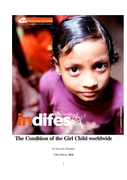
In the last five years, i.e. how old turned the Campaign “Indifesa” (Defenceless) in 2016, that was launched by Terre des Hommes in 2012, the world has become smaller. One can actually say that the derangements following the Arab Spring in 2011 reshuffled what is stable and what produces instabi
...
lity; between those, who live in a peaceful world, and those, who try to survive in areas affected by violence. All that significantly reduced the distance between those, who live there, along the Mediterranean cost, and those, who live here. Such deep disorder made even more acute, visible and tangible also for the so called developed world all the serious violations of the human rights suffered by little girls and girls: on the one hand the widespread political instability and violence made even more precarious the little girls and young women’s conditions on the Mediterranean southern coast, where they were already fragile; and on the other hand the migration flows further worsened them, matching at the same time the conditions of those young and very young migrants to those of the European girls of the same age.
more

EVALUATION REPORT. This report is a synthesis of the evaluation of UNICEF's response to the 2004 Indian Ocean tsunami in Indonesia that was undertaken in August 2008 to July 2009. The evaluation assessed UNICEF's response in four sectors where it had major involvement: child protection; basic educat
...
ion; water, sanitation and hygiene; and child and maternal health and nutrition.
more

Every five minutes a child dies as the result of violence, according to a ground-breaking report from Unicef UK. The report reveals that the vast majority of children are killed outside warzones and that physical, sexual and emotional abuse is widespread with millions of children unsafe in their hom
...
es, schools and communities. Some 345 children could die from violence each day in the next year, unless governments act.
The report also finds that:
(1) Children who are victims of violence have brain activity similar to soldiers exposed to combat;
(2) A third of children who are victims of violence are likely to develop long-lasting symptoms of post-traumatic stress disorder;
(3) Those living in poverty are more likely to be victims of violence, wherever they live in the world;
(4) Over 7% of child deaths due to violence each day are the result of interpersonal violence, rather than conflict.
more

“Because we struggle to survive” Child Labour among Refugees of the Syrian Conflict | This study provides pertinent first-hand information on the reality facing Syrian children who are working either in their homeland, the neighbouring countries or elsewhere in Europe. Syria's civil war is the w
...
orst humanitarian crisis of our time. Hundreds of thousands of people - adults and children alike - have been killed. Two thirds of all Syrians have lost their homes and their livelihoods. Millions of Syrians have been uprooted from their home communities and forced to flee within their country or to neighbouring countries. The consistent spill-over has drawn global attention not just to the humanitarian crisis facing both local communities and national governments but also to the economic and social strain. The bloodshed wreaked by the different parties continues. The suffering deepens. Approximately half of the Syrian refugees and displaced persons are children and young people who suffer from a double-vulnerability: as children and as migrants or refugees.
more

Grounded in the foundations of child centered community development, the success of this strategy will be measured by how individual countries contribute to their child protection systems and partner at various levels to combat violence against children. This strategy is a result of a highly consult
...
ative process that reached children and youth, Plan International staff, external specialists globally and the paper has been put in place with the joint efforts of the global child protection programming reference group.
more
Interpersonal violence – in all its forms – has a grave effect on children: Violence undermines children’s future potential; damages their physical, psychological and emotional well-being; and in many cases, ends their lives. The report sheds light on the prevalence of different forms of viole
...
nce against children, with global figures and data from 190 countries. Where relevant, data are disaggregated by age and sex, to provide insights into risk and protective factors.
more
In its resolution 34/16, the Human Rights Council decided to focus its next full-day meeting on “Protecting the rights of the child in humanitarian situations” and invited the Office of the High Commissioner to prepare a report on that issue, in close collaboration with relevant stakeholders. Th
...
e report is to be presented to the Human Rights Council at its thirty-seventh session to inform the annual day of discussion on children’s rights.
more

Over half a billion children are living in areas with extremely high levels of floods and nearly 160 million children live in areas of high or extremely high droughts. The World Health Organisation (WHO) estimates that 26% of the annual 6.6 million deaths of children under five are linked to environ
...
ment-related causes and conditions. Children are also disproportionately affected by pollution, not only in terms of death rates, but also in terms of cognitive and physical development. This report illustrates that environmental causes also have an impact on whether children are pushed to work and on the kind of work they engage in, the conditions of work, exposure to dangerous toxicants and the risk of exploitation. However, the report raises more questions than it answers as it is one of the first reports addressing the question, how environmental degradation and climate change affect the vulnerability of children towards exploitation.
more

DIAGNOSING PTSD IN CHILDHOOD | The following literature review addresses the developmental and domain-specific consequences of previous and current diagnostic criteria for posttraumatic stress disorder (PTSD) in pre-adolescent children. PTSD was introduced in 1980 to capture extreme responses follow
...
ing a traumatic event. I analyze the evolution of the disorder’s diagnostic criteria toward a more developmentally conscious structure. I also examine instances in which these criteria lack developmental consistency: (1) preschool PTSD is the only diagnostic subtype despite the fact that childhood development also differentiates traumatic expressions in older children from adolescents and adults; and (2) many of the PTSD epidemiological data that have been reanalyzed under the most recent (DSM-5) typology only refer to adolescent and adult samples although many researchers have
demonstrated that developmental alterations to DSM-IV and DSM-IV-TR criteria produce significantly higher prevalence rates in children.
more
Infant Psychiatry
Chapter B.1
Early Maltreatment and exposure to violence
A list of terms found within the Measures Review Database (MRD). This fact sheet defines various terms from the MRD to help users better understand the measures reviews.